
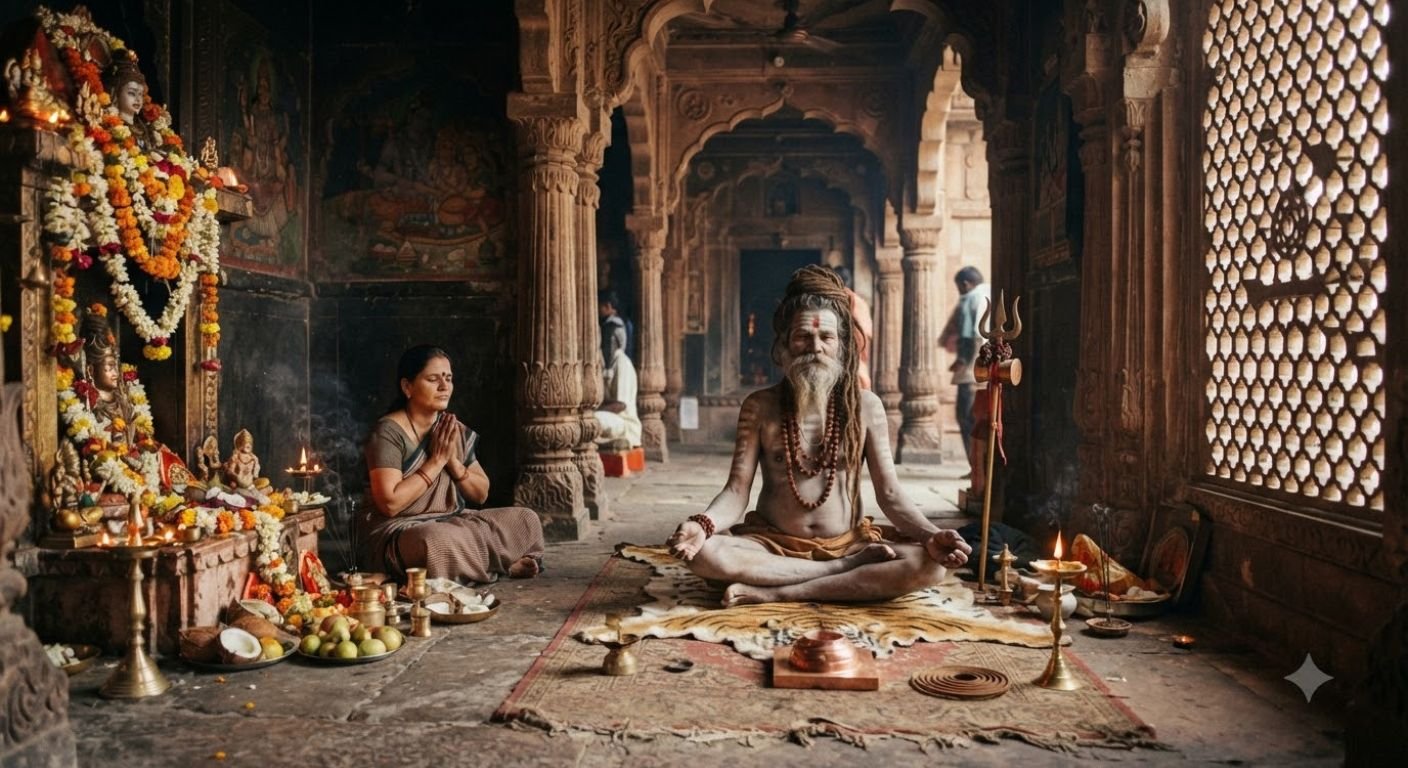
Understanding the Difference Between Tantra and Bhakti
Tantra Aur Bhakti Mein Antar India has a rich spiritual history with many different paths for understanding the self, the divine, and the meaning of life. Two terms that people often hear in this context are Tantra and Bhakti.
Both are important concepts in Indian spiritual traditions, but they are not exactly the same. Because of their mysterious and sometimes misunderstood nature, many people ask: What is the difference between Tantra and Bhakti? Is Tantra related to black magic? Is Bhakti only about prayer? Can a person follow both paths?
The simple answer is that Tantra and Bhakti can represent different approaches to spiritual practice, although there can also be overlap between them.
In this article, we will explain Tantra Aur Bhakti Mein Antar in easy English, discuss their meanings, practices, goals, misconceptions, and similarities, and understand how these spiritual paths are viewed in Indian traditions.
What Is Tantra?
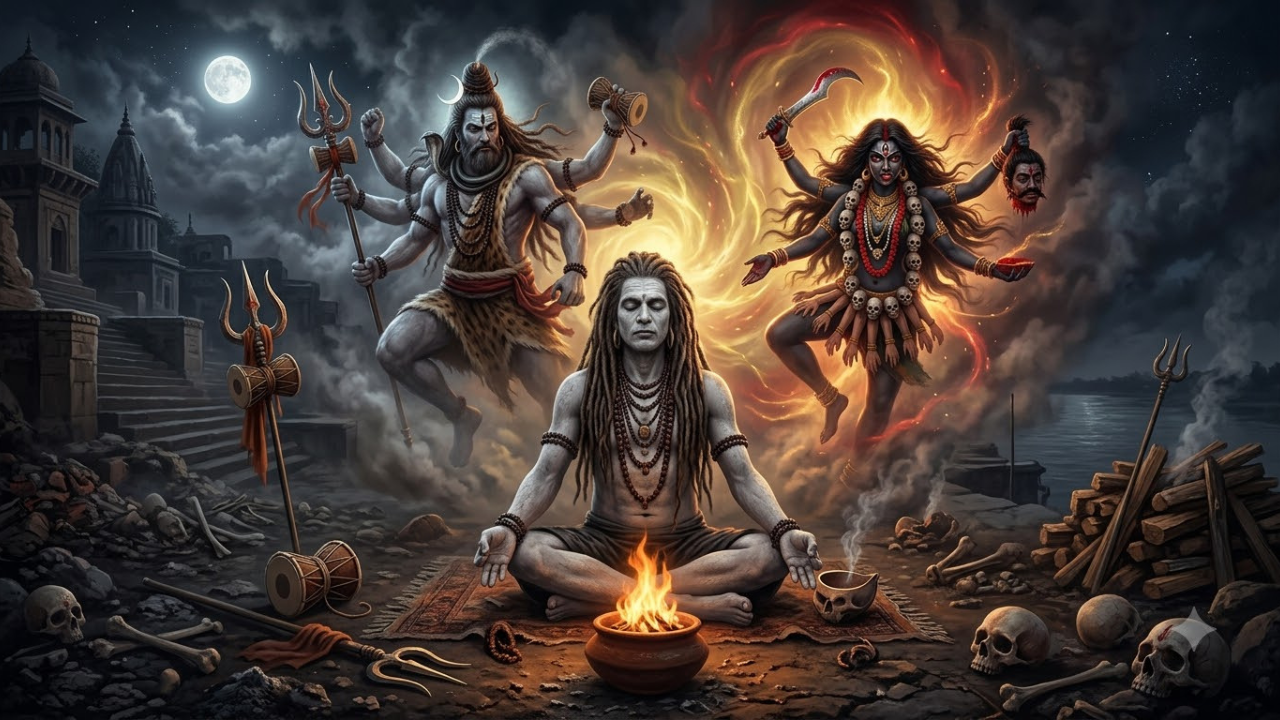
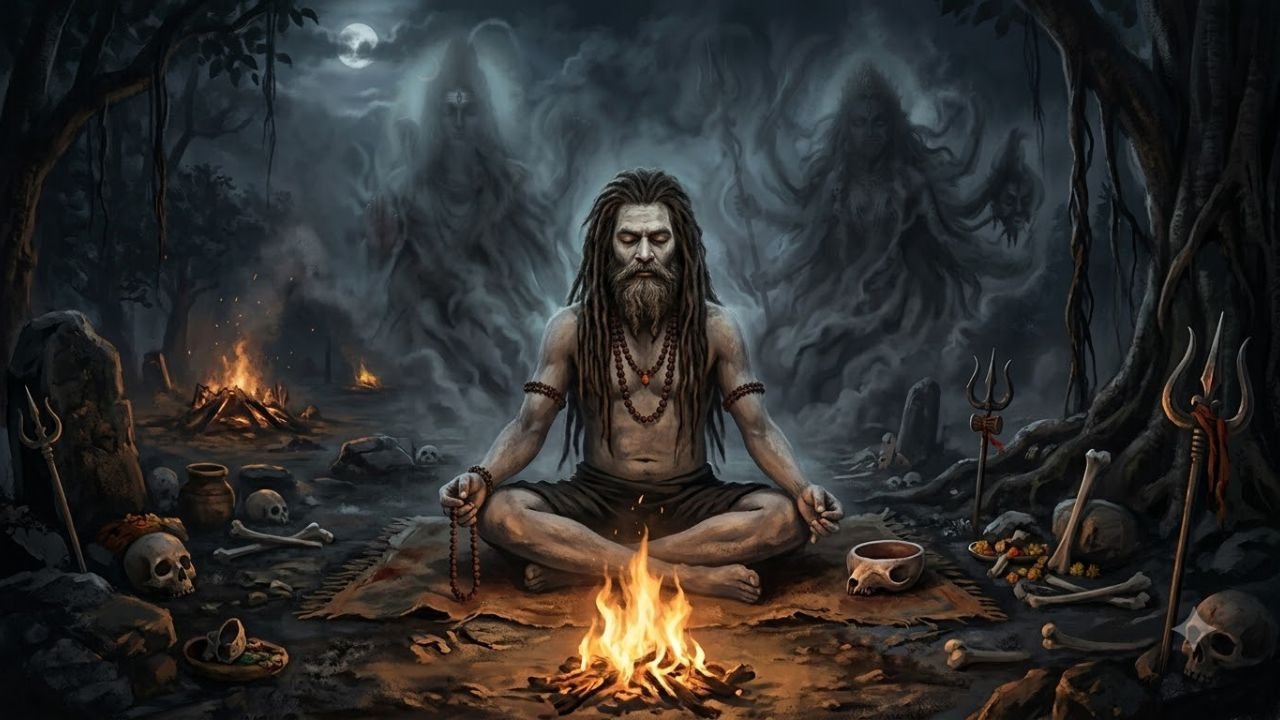
The word Tantra is associated with a wide range of Indian spiritual traditions and practices. It is not simply another word for black magic or supernatural activity, although popular culture sometimes presents it that way.
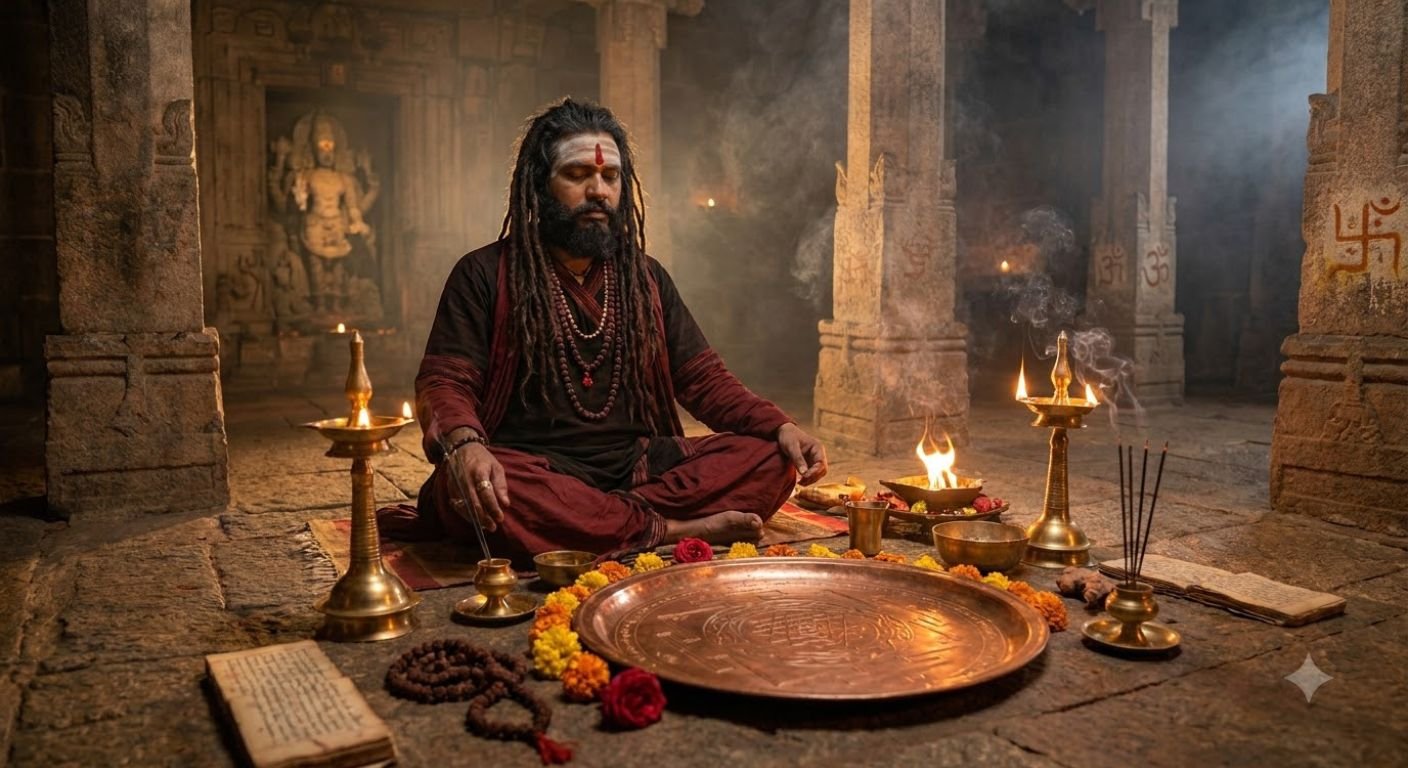
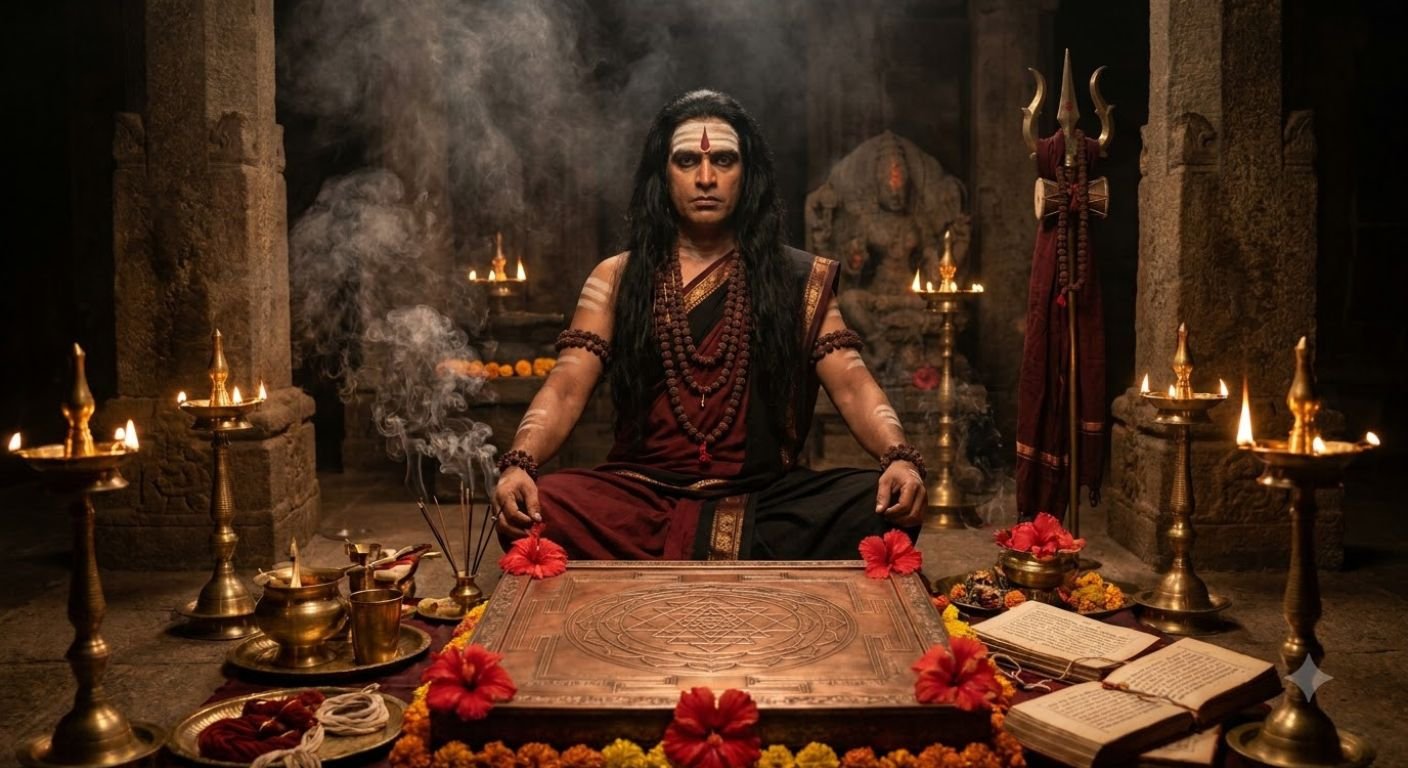
Tantric traditions can involve meditation, mantra, visualization, ritual practices, spiritual discipline, symbolism, and methods of focusing awareness. Tantra Aur Bhakti Mein Antar
Different tantric traditions have different philosophies and practices. Some are connected with particular deities, while others emphasize consciousness, energy, meditation, or spiritual transformation.
The purpose of Tantra can therefore be understood differently depending on the particular tradition.
A major point to remember is that Tantra is a broad spiritual tradition, not one single ritual or practice.
What Is Bhakti?
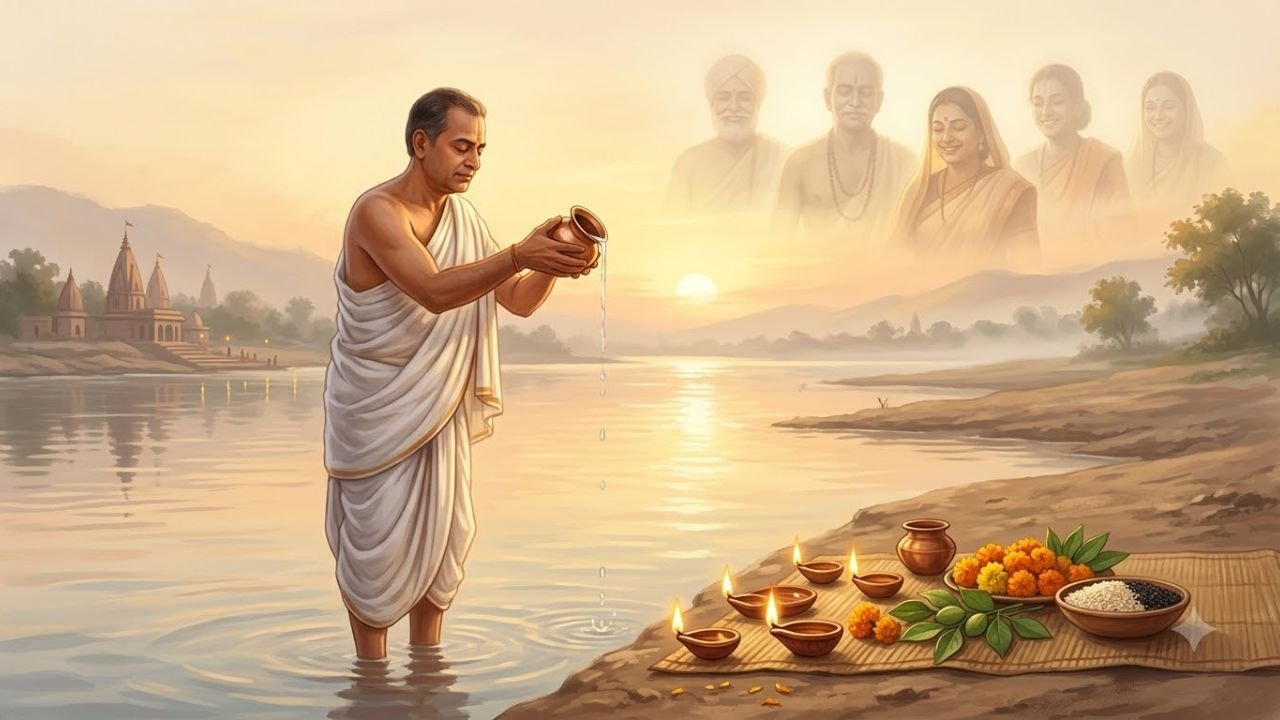
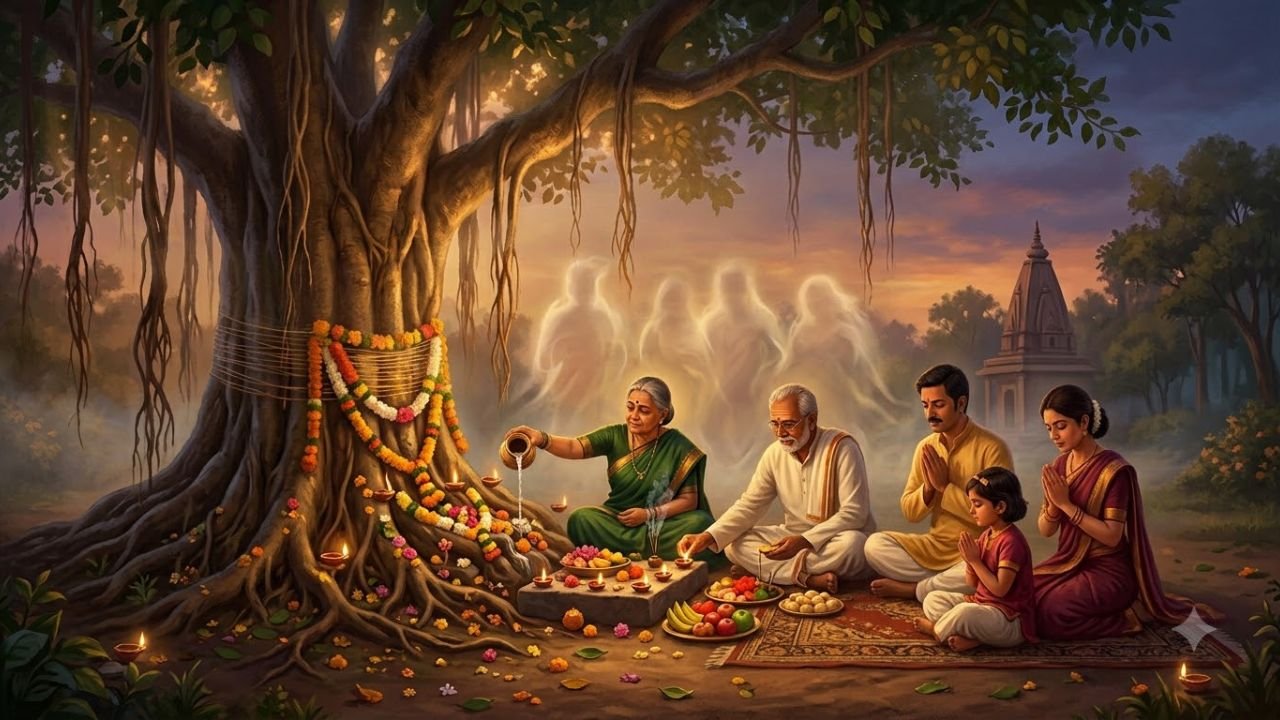
Bhakti means devotion. It is a spiritual path based on love, faith, surrender, remembrance, and devotion toward a chosen form of the divine.
A person following Bhakti may express devotion through:
- Prayer
- Singing devotional songs
- Chanting God’s name
- Meditation
- Reading spiritual texts
- Visiting temples
- Offering flowers or food
- Remembering the divine during everyday activities
Bhakti is often described as a path of the heart because emotional connection and devotion play a central role.
The devotee may develop a personal relationship with the divine through love, faith, humility, and surrender.
Tantra Aur Bhakti Mein Antar: The Basic Difference
The simplest way to understand Tantra Aur Bhakti Mein Antar is to look at their general approach.
Bhakti primarily emphasizes devotion and a loving relationship with the divine.
Tantra may emphasize disciplined spiritual practices involving mantra, meditation, visualization, ritual, symbolism, and awareness, depending on the tradition. Tantra Aur Bhakti Mein Antar
Bhakti often asks:
“How can I deepen my love and devotion toward the divine?”
Tantric traditions may ask:
“How can disciplined spiritual practice transform my awareness and understanding of consciousness?”
These are broad descriptions rather than strict rules because both traditions contain many different schools.
Difference in Spiritual Approach
The approach of Bhakti is often emotionally direct.
A devotee may pray to Shiva, Krishna, Durga, Hanuman, Devi, or another chosen form of the divine. The person expresses love and faith through prayer and remembrance. Tantra Aur Bhakti Mein Antar
Tantric practice can be more structured and ritual-oriented in certain traditions. It may involve specific mantras, meditation methods, visualizations, symbolic diagrams such as yantras, and prescribed spiritual disciplines.
However, it would be incorrect to say that every tantric practice is complicated or that every Bhakti practice is simple.
Both traditions can involve deep discipline.
Role of Mantra in Tantra and Bhakti
Mantra is an important point where Tantra and Bhakti can sometimes overlap.
In Bhakti traditions, devotees may repeatedly chant the name or mantra associated with their chosen deity as an expression of devotion. Tantra Aur Bhakti Mein Antar
In tantric traditions, mantras may also be used as part of a structured spiritual practice involving meditation, concentration, ritual, and visualization.
The meaning and method of using a mantra can therefore depend on the particular tradition.
The same or similar sacred words may have different contexts in different spiritual schools.
This is why it is better to understand the tradition behind a mantra instead of assuming that every mantra has the same purpose.
Role of Meditation
Meditation can also be found in both Tantra and Bhakti.
In a Bhakti-oriented practice, meditation may involve remembering the divine, visualizing a deity, repeating a sacred name, or focusing on devotional feelings.
In some tantric traditions, meditation may involve visualization, concentration on a symbol, mantra repetition, awareness of breath, or contemplation of spiritual concepts. Tantra Aur Bhakti Mein Antar
The techniques may differ, but both can encourage greater concentration and awareness.
Is Tantra Black Magic?
This is one of the biggest misconceptions about Tantra.
Tantra and black magic should not automatically be treated as the same thing.
Tantra refers to a broad family of spiritual traditions. “Black magic” is a popular term that is often used for practices believed to cause supernatural harm or manipulation.
Because some sensational stories associate Tantra with frightening rituals, people sometimes assume that all Tantra is negative or dangerous. Tantra Aur Bhakti Mein Antar
That is an oversimplification.
The history and philosophy of Tantra are much broader than the images commonly shown in movies or online videos.
Anyone genuinely interested in Tantra should study its particular tradition rather than relying only on popular stories.
Is Bhakti Easier Than Tantra?
Many people assume that Bhakti is easier because it appears to involve simple prayer.
In reality, deep devotion can require considerable discipline.
A person following Bhakti may spend years developing faith, humility, self-control, compassion, and constant remembrance of the divine.
Similarly, tantric practice can require discipline, concentration, study, and guidance.
Therefore, it is not accurate to say that one path is automatically easy and the other is difficult.
The experience depends on the person and the spiritual tradition being followed.
Tantra and Bhakti in Daily Life
Spirituality does not necessarily mean leaving ordinary life.
A Bhakti practitioner may try to bring devotion into everyday activities by remembering the divine, practicing kindness, helping others, and maintaining a sense of gratitude. Tantra Aur Bhakti Mein Antar
A person following a tantric path may similarly use meditation, awareness, discipline, and spiritual practice to transform their relationship with everyday experiences.
In both cases, the deeper purpose can be personal transformation rather than simply performing rituals.
This is an important point when understanding Tantra Aur Bhakti Mein Antar.
Can Tantra and Bhakti Be Followed Together?
Yes, depending on the spiritual tradition and the individual’s path.
The two are not always completely separate.
A person may have deep devotion toward a deity while also practicing mantra, meditation, yantra, or other traditional spiritual disciplines. Tantra Aur Bhakti Mein Antar
For example, certain traditions combine devotion to a deity with structured mantra and ritual practices.
This demonstrates that Indian spirituality cannot always be divided into completely separate categories.
Different traditions have influenced one another over centuries.
The Importance of Intention
Intention is an important part of spiritual practice.
Two people can perform similar external actions while having very different inner motivations.
One person may pray because of love and gratitude.
Another may perform a ritual because of fear.
Someone else may meditate because they want greater self-awareness.
The external practice alone does not tell us everything about the person’s spiritual journey.
This is why understanding the purpose behind a practice can be more useful than simply looking at its appearance.
Tantra, Bhakti and the Concept of Divine Energy
Indian spiritual traditions often use different terms to discuss divine power, consciousness, devotion, and spiritual energy.
Tantric traditions may place particular emphasis on Shakti, often understood as divine feminine power or spiritual energy.
Bhakti traditions may emphasize the relationship between the devotee and the chosen form of God.
However, these concepts can overlap. Devotion toward Shakti, Shiva, Krishna, Devi, or other divine forms can exist within different spiritual frameworks.
The exact interpretation depends on the school and tradition.
Common Misunderstandings About Tantra and Bhakti
Misunderstanding 1: Tantra Is Only About Supernatural Powers
Tantra is much broader than claims about supernatural abilities. Meditation, mantra, ritual, symbolism, and spiritual philosophy are important parts of various tantric traditions. Tantra Aur Bhakti Mein Antar
Misunderstanding 2: Bhakti Means Only Going to a Temple
Temple worship can be part of Bhakti, but devotion can also be expressed through prayer, chanting, service, remembrance, and everyday conduct.
Misunderstanding 3: Tantra and Bhakti Are Opposites
They can represent different approaches, but they are not necessarily enemies or completely separate systems.
Misunderstanding 4: Every Tantric Practice Is the Same
Tantra contains many traditions and schools. A practice associated with one tradition should not automatically be assumed to represent all forms of Tantra.
Which Path Is Better: Tantra or Bhakti?
There is no universal answer.
The “better” spiritual path depends on the person’s beliefs, temperament, tradition, and goals.
Someone who naturally connects with prayer, devotion, singing, and surrender may feel comfortable with Bhakti.
Someone interested in meditation, mantra, ritual, symbolism, and disciplined spiritual practice may be drawn toward a tantric tradition. Tantra Aur Bhakti Mein Antar
A person should not choose a path simply because it promises quick supernatural results.
Spiritual development generally requires patience, discipline, understanding, and sincerity.
Tantra Aur Bhakti Mein Antar: A Simple Comparison
| Aspect | Tantra | Bhakti |
|---|---|---|
| Main emphasis | Spiritual discipline and transformation | Devotion and surrender |
| Common practices | Mantra, meditation, visualization, ritual | Prayer, chanting, worship, remembrance |
| Emotional focus | Can vary by tradition | Love and devotion are central |
| Symbolism | Often significant | Also present, depending on tradition |
| Meditation | Frequently important | Also practiced in many traditions |
| Relationship with divine | Varies by tradition | Personal devotion is central |
| Goal | Spiritual awareness/transformation | Devotion, surrender and spiritual union |
This table is a general comparison. Because both Tantra and Bhakti include many different schools, there can be exceptions and overlap.
Why Understanding the Difference Matters
Understanding Tantra Aur Bhakti Mein Antar helps remove unnecessary fear and confusion.
When people hear the word Tantra, they may immediately think of black magic or dangerous rituals. When they hear Bhakti, they may think it means only simple prayer.
Both assumptions are incomplete.
Indian spirituality contains a wide range of philosophies and practices. The same spiritual tradition can include meditation, devotion, mantra, ritual, philosophy, and service. Tantra Aur Bhakti Mein Antar
Learning the background of a practice helps people approach spirituality with greater respect and understanding.
Final Thoughts on Tantra Aur Bhakti Mein Antar
The difference between Tantra and Bhakti is mainly found in their approach, emphasis, and spiritual methods, although the two can sometimes overlap.
Bhakti focuses strongly on devotion, love, remembrance, faith, and surrender toward the divine.
Tantra represents a broad collection of spiritual traditions that may use mantra, meditation, visualization, ritual, symbolism, and disciplined awareness as part of spiritual practice.
Neither should be reduced to stereotypes.
Tantra is not simply another name for black magic, and Bhakti is not merely the act of visiting a temple. Both represent rich areas of Indian spiritual thought with diverse traditions and interpretations. Tantra Aur Bhakti Mein Antar
For anyone exploring these subjects, the best approach is to study authentic traditions, understand the purpose behind practices, and avoid sensational claims.
Ultimately, whether someone follows a devotional path, a tantric path, or a combination of spiritual practices, sincerity, discipline, self-awareness, compassion, and respect for others remain important qualities on any spiritual journey.
Readers interested in traditional Tantra, Aghor, mantra, and related spiritual subjects can explore the resources published by Aghori Rudra Maharaj.
Website: https://www.aghorirudramaharaj.info
Call / WhatsApp: +91-7357771057
Email: info@aghorirudramaharaj.info
Frequently Asked Questions
What is the main difference between Tantra and Bhakti?
Bhakti primarily emphasizes love, devotion, prayer, remembrance, and surrender to the divine. Tantra refers to diverse spiritual traditions that may emphasize mantra, meditation, visualization, ritual, symbolism, and disciplined awareness.
Is Tantra the same as black magic?
No. Tantra is a broad group of Indian spiritual traditions and should not automatically be equated with black magic.
Can Tantra and Bhakti be practiced together?
In some traditions, yes. Devotion and tantric practices can coexist, depending on the particular spiritual school and practice.
Which is better, Tantra or Bhakti?
Neither is universally better. The appropriate spiritual path depends on an individual’s beliefs, tradition, temperament, and spiritual goals.
Is Bhakti only about prayer?
No. Bhakti can include prayer, chanting, meditation, worship, remembrance of the divine, service, and cultivating love and devotion. Tantra Aur Bhakti Mein Antar
Are mantras used in both Tantra and Bhakti?
Yes. Mantras can be an important part of both, although their purpose, method, and interpretation may differ between traditions.

Leave a Reply