
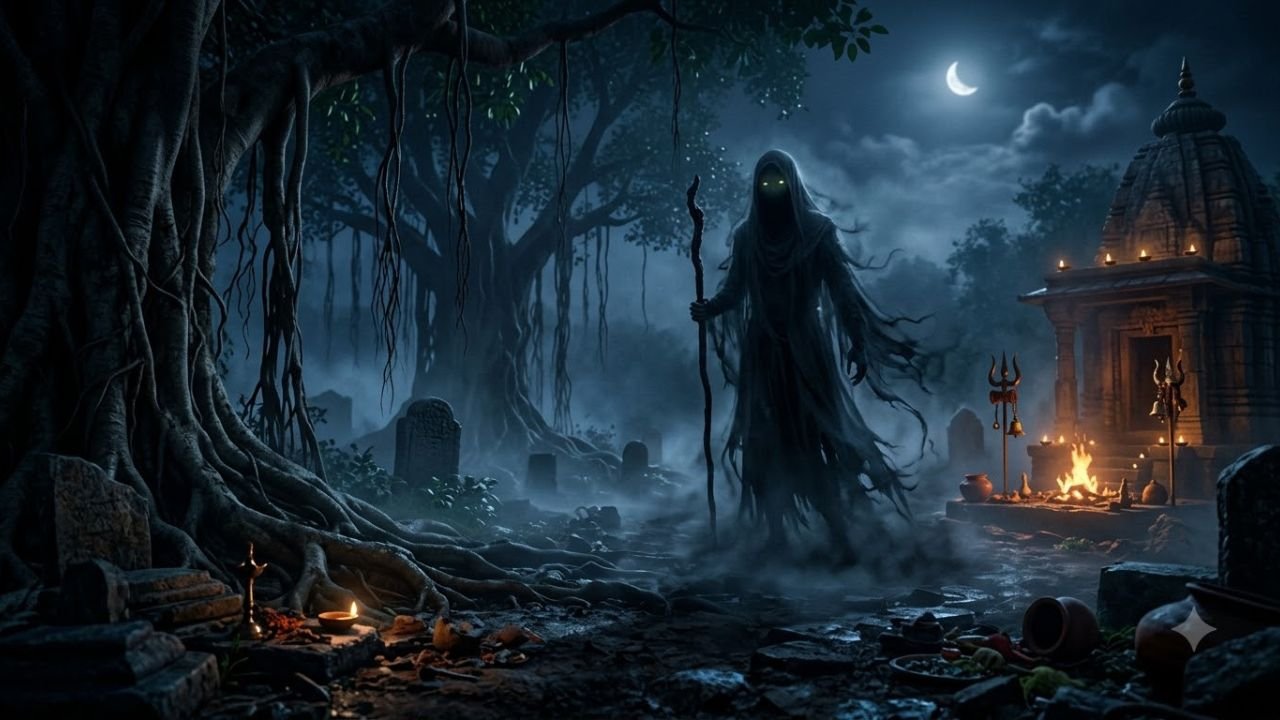
Meaning, Mythology, Beliefs and Spiritual Understanding
The question “Pishach Kya Hota Hai?” is often searched by people interested in Indian mythology, Tantra, Aghor traditions, ghosts, spirits, and supernatural beliefs. The word Pishach or Pishacha appears in ancient Indian religious and literary traditions and is generally used for a class of frightening supernatural beings.
Pishach Kya Hota Hai However, the traditional concept of a Pishach is more complex than the horror stories commonly shown in films and television. Different texts and regional traditions describe Pishachas in different ways. They are often associated with darkness, death, cremation grounds, deserted places, and harmful or disturbing qualities.
This article explains what Pishach means, how Pishachas are described in Indian mythology, the difference between Pishach and Bhoot or Pret, their connection with Tantra and Aghor traditions, and what science says about supernatural experiences.
What Does Pishach Mean?
A Pishach, also written as Pishacha or Piśāca, is a supernatural being found in Indian religious and literary traditions.
Traditional sources describe Pishachas as a distinct category of supernatural beings rather than simply calling every Pishach the ghost of a dead person. Some traditions describe them as malevolent beings connected with death, darkness, impure places, and frightening experiences. Pishach Kya Hota Hai
It is important to remember that there is no single description of a Pishach that applies to every Indian tradition.
Different scriptures, epics, Puranic traditions, regional folklore, and later stories may describe their origin and characteristics differently.
Pishach in Simple Words
In simple language:
A Pishach is a supernatural being described in traditional Indian mythology and folklore, often associated with darkness, death, frightening places, and harmful characteristics.
It should not automatically be considered identical to a Bhoot, Pret, Rakshasa, or other supernatural figure.
Pishach in Indian Mythology
Indian mythology contains many different categories of beings. These include Devas, Asuras, Yakshas, Gandharvas, Nagas, Rakshasas, Bhutas, Pretas, and Pishachas. Pishach Kya Hota Hai
These categories have different meanings in different texts.
Pishachas are mentioned in ancient Indian literature, including epic and religious traditions. Some traditional accounts connect their origin with Brahma, while other genealogical traditions give different origins.
The Mahabharata, for example, contains references to Pishachas and presents more than one context for them. This shows why it is difficult to create one fixed definition of the term.
How Are Pishachas Traditionally Described?
Traditional descriptions can portray Pishachas as frightening beings associated with:
- Darkness
- Death
- Cremation grounds
- Desolate places
- Fear
- Harmful behavior
- Disturbing or negative qualities
Some later descriptions give them frightening physical characteristics, while other sources focus more on their nature and supernatural status.
Stories may also describe them as capable of changing appearance or influencing human beings. These are traditional mythological descriptions, not scientifically established abilities. Pishach Kya Hota Hai
Where Are Pishachas Believed to Live?
In traditional stories, Pishachas are sometimes associated with places connected with death, darkness, isolation, and cremation grounds.
Such locations have an important symbolic role in Indian spiritual traditions because they remind people of impermanence and the reality of death.
However, these descriptions should not be interpreted as evidence that particular physical locations are actually inhabited by supernatural beings. Pishach Kya Hota Hai
Folklore and mythology often use frightening locations to communicate deeper ideas about fear, mortality, attachment, and the unknown.
Difference Between Pishach, Bhoot and Pret
People often use the words Bhoot, Pret and Pishach interchangeably, but traditional meanings can be different.
| Term | Traditional meaning |
|---|---|
| Bhoot | A broad popular term for a ghost or spirit |
| Pret | Often associated with a departed or transitional spirit in traditional belief |
| Pishach | A distinct class of supernatural being in Indian mythology and folklore |
| Rakshasa | A different class of supernatural being appearing in Indian literature |
A Pishach is therefore not necessarily the spirit of an ordinary deceased person.
This distinction is especially important when researching Pishach Kya Hota Hai because modern horror stories frequently combine several different traditional concepts.
Pishach and the Concept of Death
The association between Pishachas and death is one reason they appear in stories about cremation grounds and deserted places.
Traditional Indian philosophy places significant importance on understanding death and impermanence. The cremation ground, therefore, can have a symbolic spiritual meaning beyond fear.
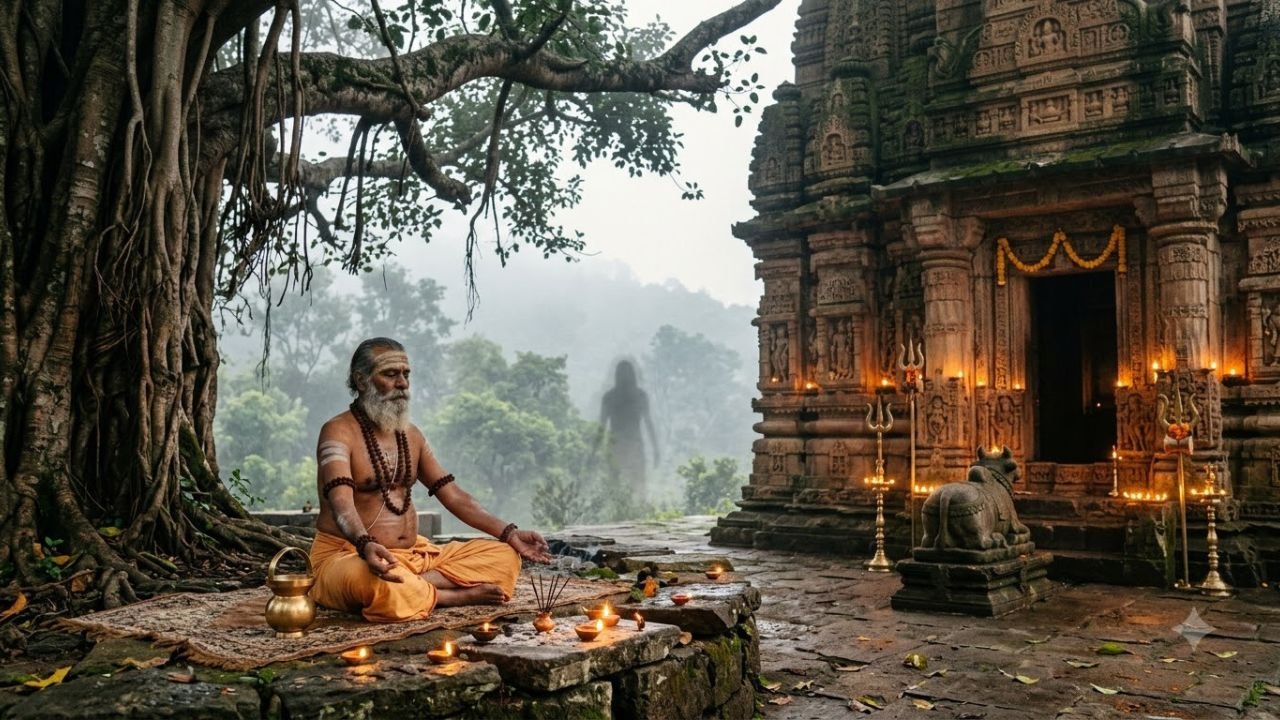
In some Aghor and Shaiva traditions, cremation-ground imagery represents the direct confrontation with impermanence, attachment, fear, and the temporary nature of the physical body. Pishach Kya Hota Hai
This does not mean that every Aghori practitioner believes in Pishachas in exactly the same way.
Different spiritual lineages have different teachings and practices.
Pishach and Tantra
The word Tantra is often connected with Pishach stories, but it is important not to treat Tantra as synonymous with black magic or supernatural activity.
Tantra is a broad collection of spiritual traditions and practices found within Indian religious history. Depending on the lineage, it can involve mantra, meditation, ritual, deity worship, visualization, discipline, and spiritual transformation.
Some traditional stories discuss supernatural beings within tantric literature and folklore.
However, simply mentioning Pishach and Tantra together does not establish that a person can summon, control, or communicate with such beings. Pishach Kya Hota Hai
Claims about supernatural powers should be understood as religious or folkloric claims unless there is reliable independent evidence.
Pishach and Aghor Traditions
Aghor traditions are often associated in popular culture with cremation grounds, Shiva worship, meditation, fearlessness, and detachment. Pishach Kya Hota Hai
Because Pishachas are also traditionally associated with death and cremation-ground imagery, people sometimes connect the two subjects.
But the connection should be understood carefully.
The central spiritual themes commonly associated with Aghor include overcoming fear, reducing attachment, accepting impermanence, and deepening one’s spiritual relationship with Shiva. Pishach Kya Hota Hai
Aghor should not simply be reduced to ghosts, Pishachas, black magic, or horror stories.
When studying any particular teacher or spiritual practitioner, it is better to examine their documented teachings and practices rather than assuming that every traditional story applies to them.
Are Pishachas Real?
This is one of the most common questions people ask.
From a scientific perspective, there is currently no conclusive evidence establishing Pishachas as objectively existing supernatural beings.
At the same time, people throughout history have reported unusual experiences such as seeing mysterious figures, hearing unexplained sounds, feeling someone’s presence, or experiencing frightening sensations.
Such experiences can feel completely real to the person experiencing them.
Science can investigate possible explanations for some of these experiences, including sleep paralysis, dreams, stress, anxiety, environmental sounds, visual illusions, neurological conditions, and other psychological or physical factors. Pishach Kya Hota Hai
Therefore, a personal experience should not automatically be treated as scientific proof of a Pishach.
Why Do People Believe in Pishachas?
Belief in supernatural beings has existed in many cultures for centuries.
There are several reasons why such stories remain powerful:
1. Traditional Culture
Stories are passed from grandparents to children and become part of regional folklore.
2. Fear of the Unknown
Humans naturally become uncomfortable when they cannot explain something.
3. Religious and Mythological Literature
Ancient literature contains many different categories of supernatural beings.
4. Dramatic Storytelling
Movies, television shows, social media, and horror stories often exaggerate traditional descriptions.
5. Personal Experiences
An unexplained experience can strongly influence someone’s beliefs, even when another explanation may exist.
Pishach Stories and the Human Mind
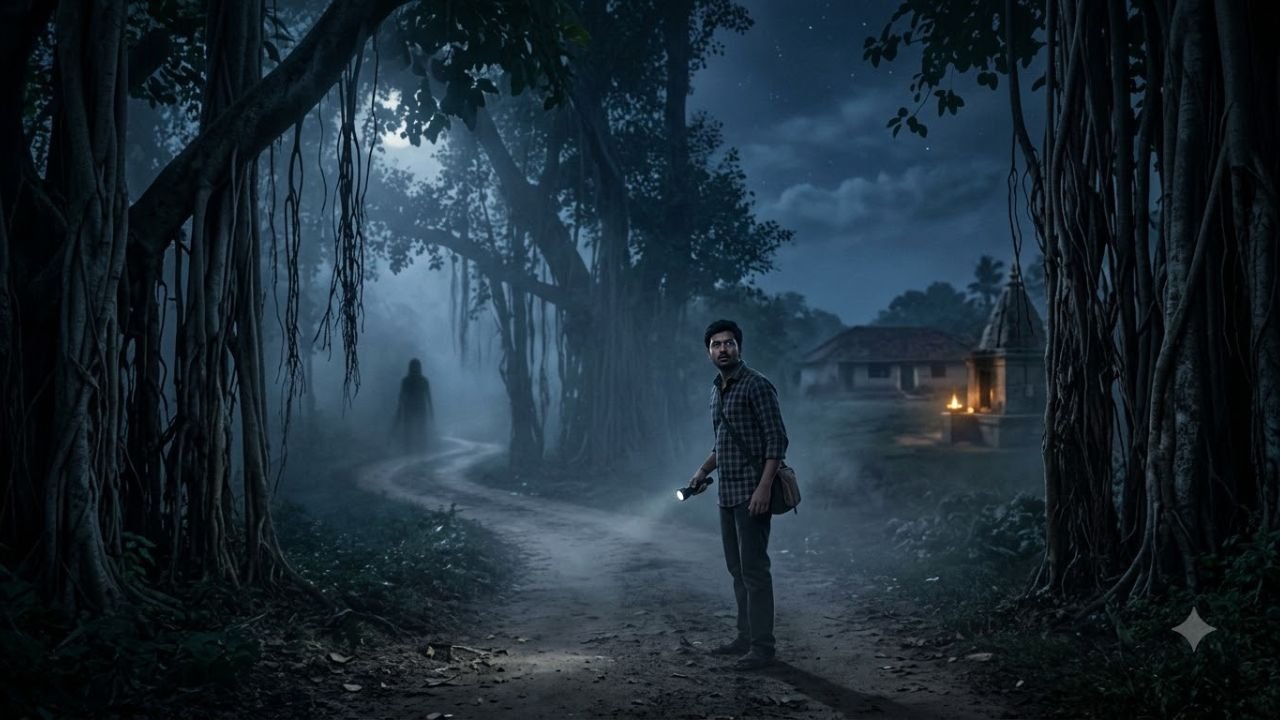
Imagine walking alone through a dark forest at night.
You hear a strange sound behind you.
Your heart begins beating faster.
A shadow moves nearby.
Before you know what caused it, your mind may interpret the event as something dangerous.
This illustrates how fear can influence perception.
When people are frightened, tired, stressed, or in unfamiliar surroundings, ordinary sounds and shadows can sometimes appear extraordinary.
This does not mean that someone’s experience should be mocked. It means that supernatural interpretations and other possible explanations should be considered separately.
Common Myths About Pishach
Myth 1: Every Pishach Is a Dead Human
Traditional literature does not support such a simple universal definition. Pishachas are often described as a separate category of supernatural being. Pishach Kya Hota Hai
Myth 2: Every Dark or Strange Place Has Pishachas
This is a folklore belief, not a scientifically established fact.
Myth 3: Tantra Is Always About Pishachas
No. Tantra is a much broader spiritual tradition.
Myth 4: A Person Can Easily Identify a Pishach
There is no scientifically verified method for identifying a supernatural Pishach.
Myth 5: Every Unexplained Event Is Supernatural
An unexplained event simply means that its cause has not yet been established. It does not automatically prove a supernatural explanation.
Spiritual Meaning of Pishach Stories
Even when read symbolically rather than literally, Pishach stories can offer interesting lessons.
They can represent:
- Fear of death
- Fear of darkness
- Attachment to the physical body
- Uncontrolled desires
- Anger and negativity
- The unknown
- Human vulnerability
- The importance of spiritual discipline
From this perspective, the Pishach can be understood as a powerful symbol of the darker fears that human beings try to overcome.
What Should You Do If You Feel Something Strange?
If someone experiences frightening sounds, visions, sleep-related sensations, or unusual feelings, there is no need to immediately assume that a Pishach is responsible. Pishach Kya Hota Hai
A practical approach is to first consider ordinary explanations.
Check the environment, sleep patterns, stress levels, physical health, and other possible causes.
If frightening experiences continue or seriously affect daily life, speaking with an appropriate medical or mental-health professional can be useful.
For people who follow a spiritual tradition, peaceful prayer, meditation, or consultation with a trusted and responsible spiritual teacher may also provide emotional support.
Avoid anyone who guarantees supernatural results or demands large amounts of money by claiming certainty about an invisible entity.
Pishach Kya Hota Hai – Final Understanding
So, Pishach kya hota hai?
In simple terms, a Pishach or Pishacha is a supernatural being described in Indian mythology, religious literature, and folklore. Traditional descriptions often associate Pishachas with darkness, death, cremation grounds, frightening environments, and harmful qualities.
However, Pishach should not automatically be considered the same as Bhoot or Pret. Traditional classifications can be different, and popular storytelling often mixes these concepts. Pishach Kya Hota Hai
From a scientific point of view, there is no conclusive evidence proving the objective existence of Pishachas as supernatural beings.
The subject is therefore best understood through three separate lenses: Indian mythology and tradition, cultural folklore, and modern scientific understanding.
For readers interested in Aghor, Tantra, Shiva worship, and spiritual traditions, the most useful approach is to study authentic teachings carefully, avoid sensational claims, and understand the difference between traditional belief and scientifically established evidence. Pishach Kya Hota Hai
Pishach Kya Hota Hai? Meaning, Mythology, Tantra & Spiritual Beliefs
Pishach Kya Hota Hai? Learn the traditional meaning of Pishach, its place in Indian mythology, differences from Bhoot and Pret, Tantra connections, and scientific perspective.
For information related to Aghori Rudra Maharaj and his spiritual work, readers can refer to the official website provided for this article.

Leave a Reply