
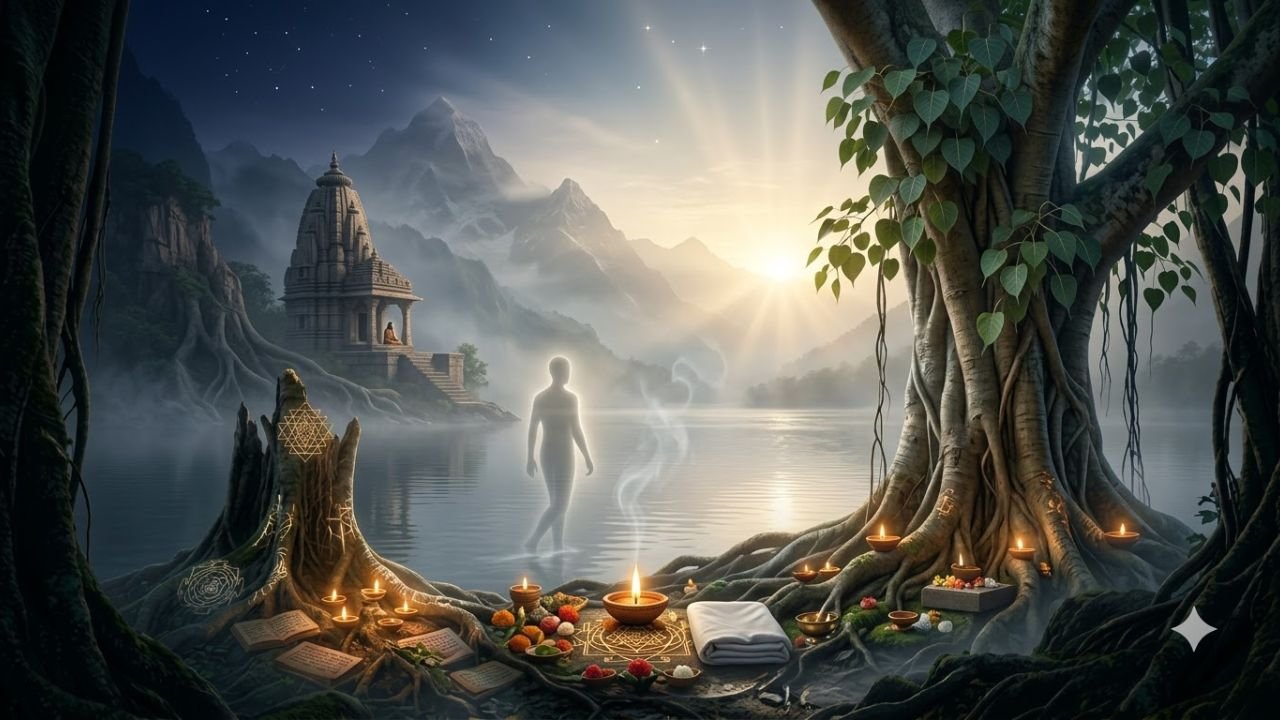
Understanding Death, Soul, Karma and Rebirth
“Mrityu Ke Baad Kya Hota Hai?” is one of the oldest and deepest questions human beings have asked. Every person knows that physical life eventually comes to an end, but what happens after death remains a subject of spirituality, philosophy, religion, science, and personal belief.
In Hindu traditions, death is generally not understood simply as the complete end of existence. The Atman, or true self, is described as different from the temporary physical body. The Bhagavad Gita presents the Atman as eternal, while Hindu traditions commonly connect death with the larger cycle of birth, death, rebirth, karma, and moksha. Mrityu Ke Baad Kya Hota Hai
At the same time, there is no scientifically verified description of exactly what happens to consciousness after biological death. Experiences and beliefs about an afterlife should therefore be distinguished from what science has conclusively established.
This article explains Mrityu Ke Baad Kya Hota Hai, the Hindu understanding of the soul, karma, rebirth, moksha, funeral traditions, and the difference between spiritual belief and scientific knowledge.
What Is Death?
Death can be understood from two different perspectives.
From a medical and biological perspective, death refers to the irreversible ending of the functions necessary to sustain the body.
From a spiritual perspective, many Indian traditions understand death as a transition rather than the complete destruction of the self.
This difference is important.
The physical body is temporary. Hindu philosophical traditions describe the Atman as continuing beyond the destruction of the physical body. The Bhagavad Gita famously compares changing bodies with changing clothes, expressing the idea that the self is not identical to the physical body. Mrityu Ke Baad Kya Hota Hai
What Happens to the Body After Death?
After death, the physical body gradually undergoes natural biological changes.
The heart stops functioning, breathing ceases, brain activity eventually ends, and the body begins the biological processes associated with death.
In Hindu communities, the deceased person’s body is traditionally treated with respect and, depending on the community and circumstances, cremation or burial may follow. Mrityu Ke Baad Kya Hota Hai
Funeral rituals are not merely about the physical body. They can also provide a structured way for family members to express grief, remember the deceased, and follow their religious traditions.
Why Are Funeral Rituals Important?
Hindu funeral practices vary significantly by region, community, family tradition, and sect.
Rituals may include:
- Prayers
- Mantra recitation
- Cremation or burial
- Offerings
- Memorial ceremonies
- Charity
- Remembrance of ancestors
These practices can have both religious and emotional significance.
They help families accept the reality of death while honoring the person who has passed away.
What Happens to the Atman After Death?
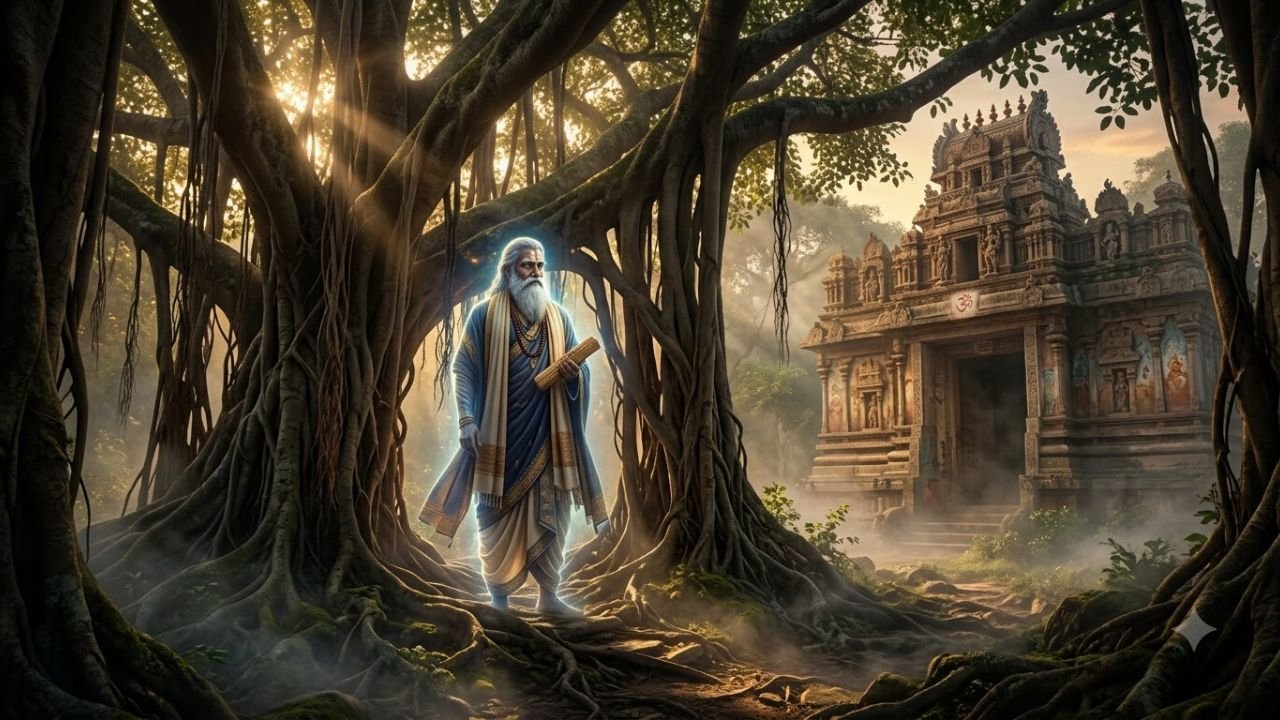
According to Hindu philosophical traditions, the Atman is not destroyed when the physical body dies.
Instead, the death of the body is understood as part of a larger journey.
The exact description of what happens next differs among Hindu philosophical and religious traditions.
Some traditions emphasize rebirth.
Others place greater emphasis on different spiritual realms, ancestral states, divine realities, or liberation from the cycle of birth and death.
Therefore, it is better to say that Hindu traditions offer multiple theological and philosophical explanations rather than one universally identical description. Mrityu Ke Baad Kya Hota Hai
The Journey of the Soul
In popular discussions, people often describe the post-death journey in terms of:
Death → subtle journey → karmic consequences → rebirth or liberation
However, the details vary according to the particular scripture or tradition being discussed.
Some Puranic traditions describe an elaborate post-death journey involving judgment and karmic consequences. Other Hindu philosophical traditions focus more on the nature of consciousness, karma, and liberation. Mrityu Ke Baad Kya Hota Hai
These should not be presented as a scientifically measured sequence of events.
The Role of Karma After Death
Karma is one of the most important concepts when discussing Mrityu Ke Baad Kya Hota Hai.
In simple terms, karma refers to actions and their consequences.
Hindu traditions generally connect karma with the continuing cycle of existence.
Actions performed during life are traditionally believed to influence one’s future circumstances and spiritual journey.
This does not mean that every event in a person’s life can be easily explained as the result of a specific past action.
Karma is a complex philosophical concept, and different schools interpret it differently.
Good Karma and Bad Karma
Popular explanations often divide karma into “good” and “bad.”
A deeper understanding is that actions have consequences and that ethical conduct affects one’s spiritual development.
Compassion, honesty, self-control, service, devotion, and responsibility are commonly emphasized in Hindu spiritual traditions.
The purpose is not simply to collect “good points.”
The larger goal is to overcome ignorance and attachment and move toward spiritual realization.
Does Everyone Take Rebirth?
In many Hindu traditions, rebirth is an important part of the concept of samsara, the cycle of birth and death.
The Atman is traditionally understood to continue through different embodiments until liberation is attained.
However, the details of rebirth differ among philosophical schools.
Some traditions emphasize karma as a major factor determining future existence, while others place greater emphasis on knowledge, devotion, divine grace, or realization of the true self.
Therefore, saying that every individual must experience exactly the same post-death journey would oversimplify Hindu philosophy.
What Is Moksha?
One of the most important ideas connected with death is Moksha.
Moksha means liberation from the cycle of birth and death.
In many Hindu philosophical traditions, ordinary existence is characterized by samsara, the repeated cycle of birth, death, and rebirth.
Moksha represents freedom from this cycle.
How Is Moksha Described?
Different Hindu traditions describe liberation differently.
It may involve:
- Realization of the true Self
- Freedom from ignorance
- Freedom from attachment
- Union with or realization of ultimate reality
- Complete spiritual liberation
Bhakti traditions may emphasize devotion to God.
Jnana traditions emphasize spiritual knowledge.
Yoga traditions may emphasize disciplined realization.
Different paths can therefore lead to different philosophical descriptions of liberation.
What Does the Garuda Purana Say?
The Garuda Purana is frequently discussed when people search for information about death and the afterlife.
Mrityu Ke Baad Kya Hota Hai Popular explanations of the text describe a post-death journey involving karma, spiritual consequences, and the movement of the departed being toward another state of existence. Contemporary explanations also emphasize that the Garuda Purana belongs to a particular religious tradition and should not be treated as a scientific description of what happens after biological death.
It is therefore useful to distinguish between:
“What Hindu scripture teaches”
and
“What modern science has experimentally established.”
These are different categories of knowledge.
Are Heaven and Hell Real?
Hindu traditions contain descriptions of various realms, including heavenly and difficult or painful states.
However, the idea of heaven and hell in Hindu thought does not necessarily correspond exactly to the permanent heaven-and-hell model found in some other religious traditions. Mrityu Ke Baad Kya Hota Hai
In many Hindu interpretations, heavenly or painful experiences can be connected with karma and are not necessarily the final destination.
The ultimate spiritual goal is often moksha, liberation from samsara.
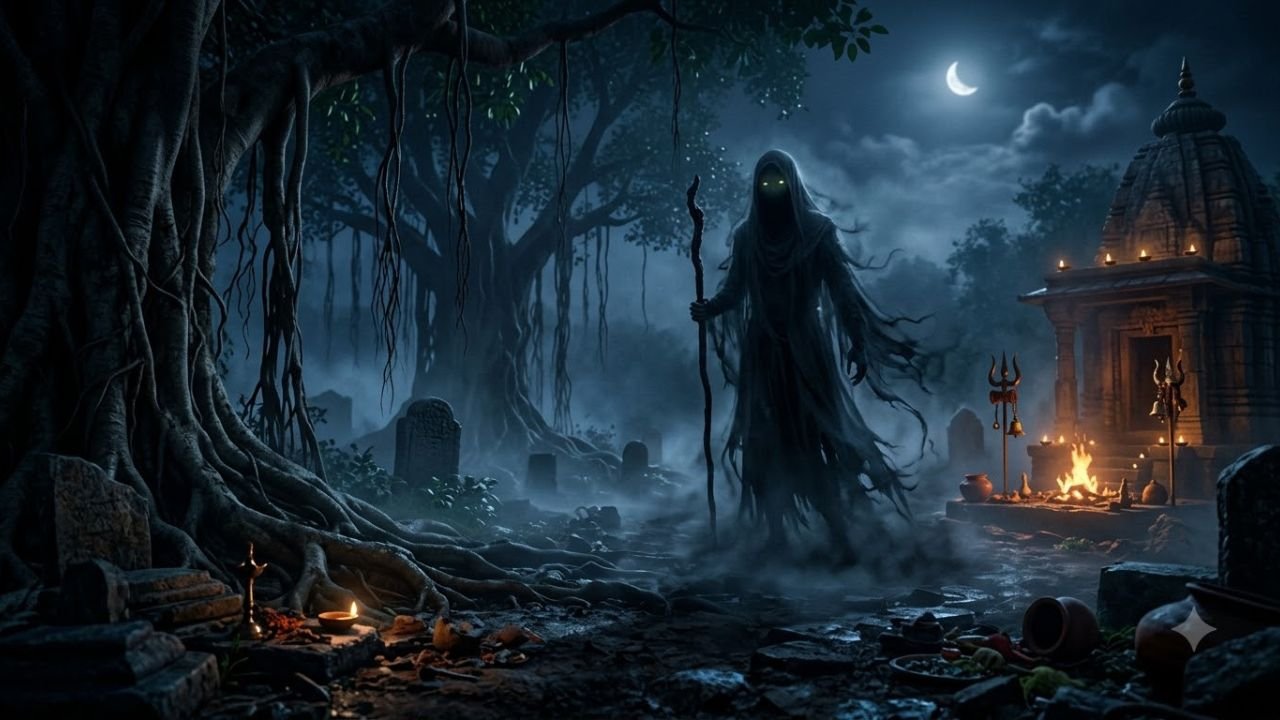
What Is a Pret After Death?
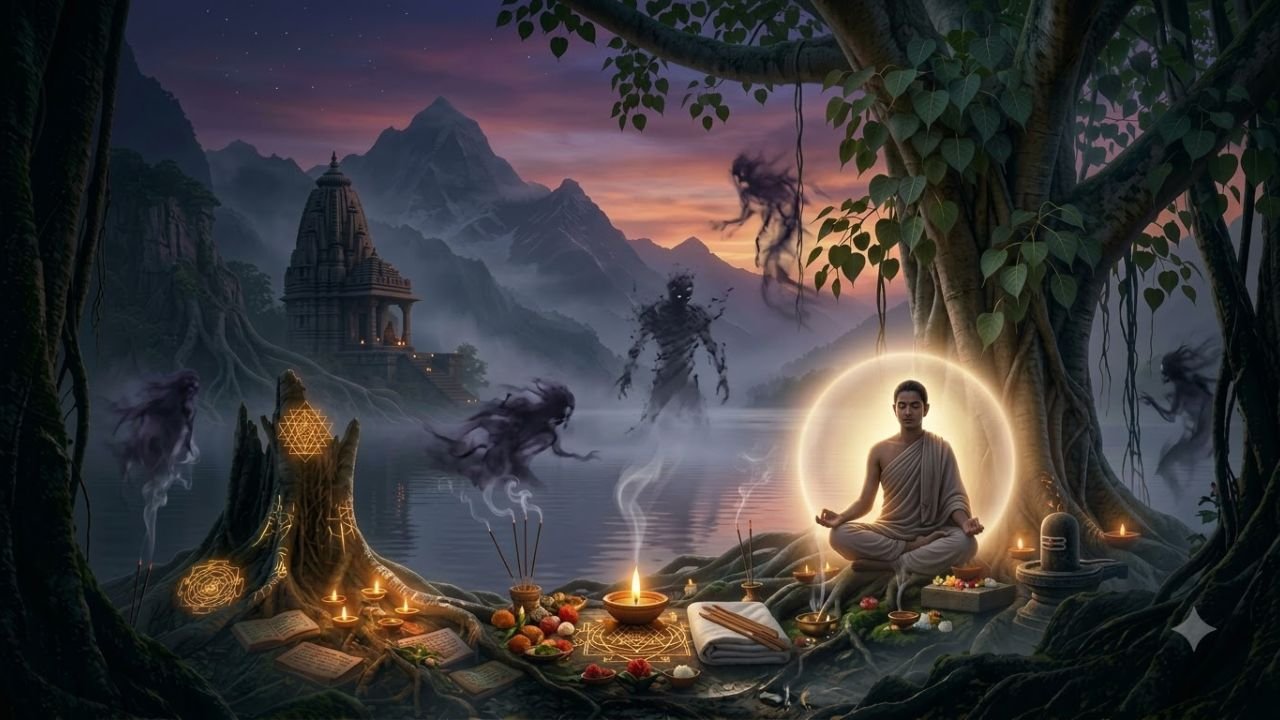
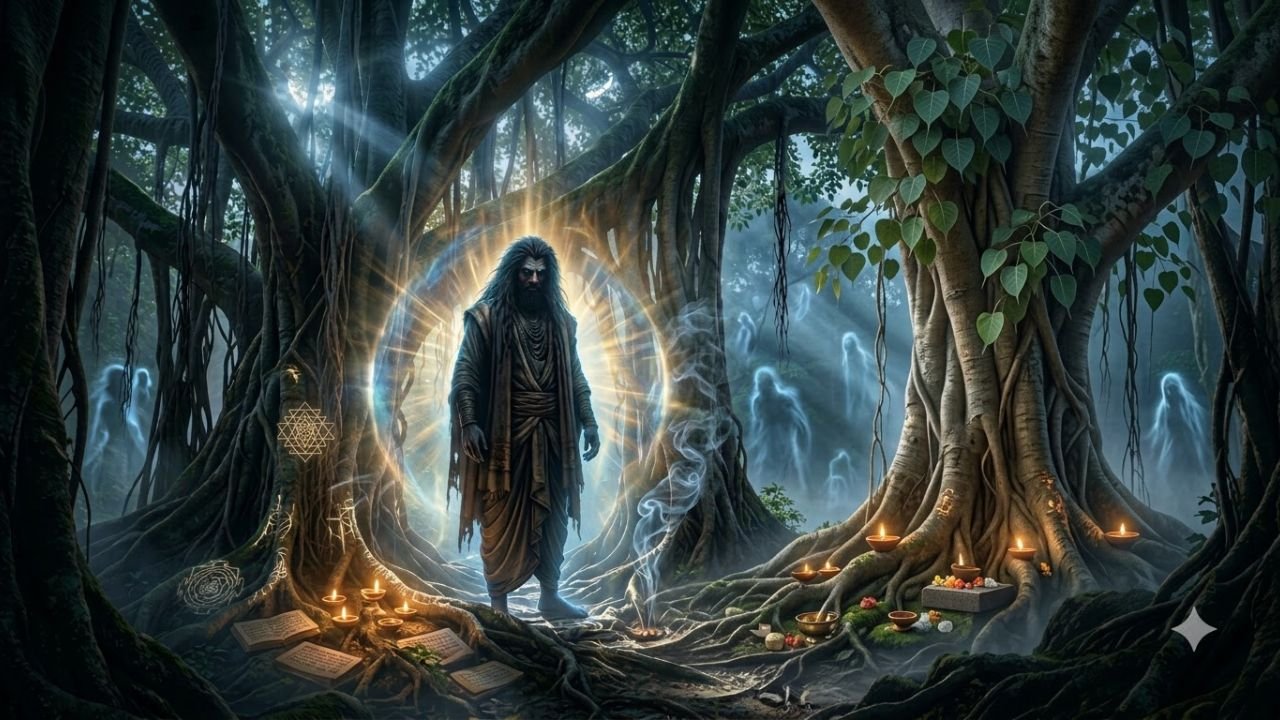
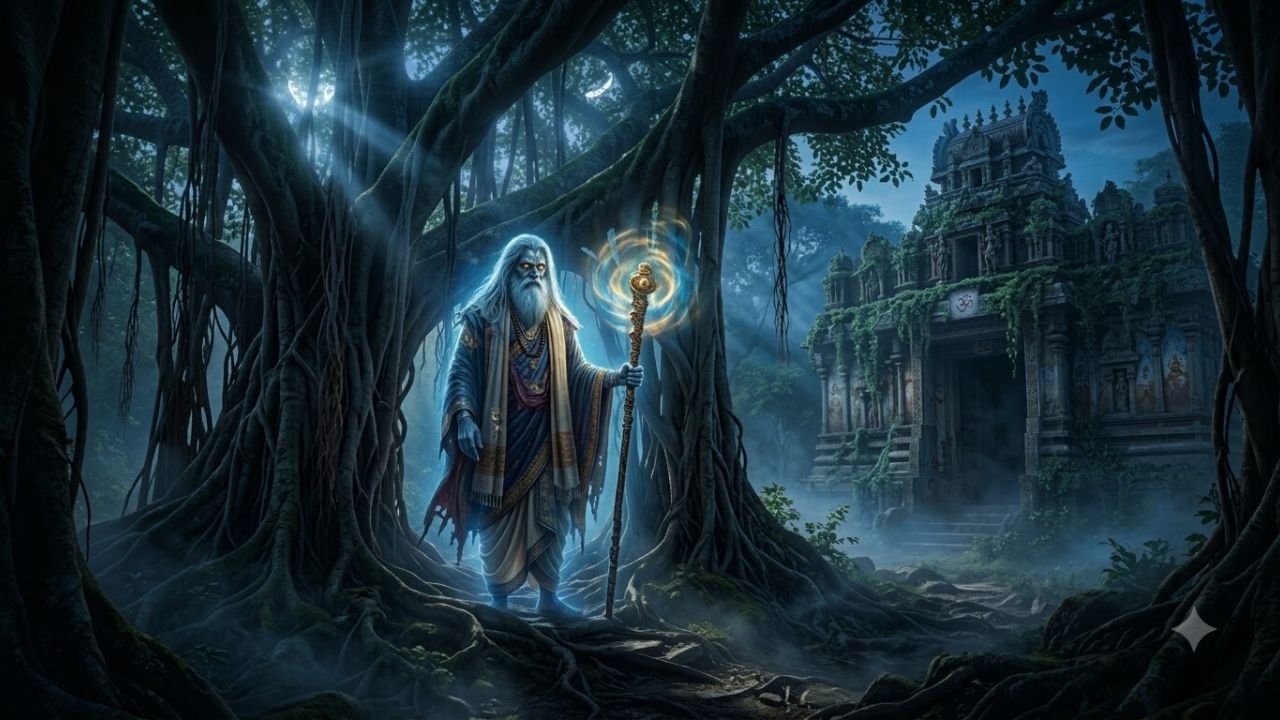
This question is particularly relevant when discussing Bhoot, Pret, Pishach, and Brahmarakshas.
In traditional Hindu and Puranic contexts, Pret can refer to a transitional post-death state. However, the meaning and interpretation vary across texts and traditions. Mrityu Ke Baad Kya Hota Hai
It is not correct to say that every person automatically becomes a Pret after death.
Modern discussions often mix together several different concepts—Atman, Pret, Bhoot, Pishach, ancestors, and spirits—although their traditional meanings can differ.
Does the Soul Stay at Home After Death?
Many families have traditional beliefs about the period immediately following death.
Some believe that the departed remains connected to family members for a certain period.
Others interpret funeral rituals as helping the departed move toward their next spiritual state.
These beliefs vary considerably across regions and communities.
There is no scientifically established timetable proving that a deceased person’s consciousness remains in a particular house for a specific number of days. Mrityu Ke Baad Kya Hota Hai
Therefore, claims about exact numbers of days should be presented as religious or cultural beliefs, not universal scientific facts.
What About the First 13 Days?
The 13-day period following death is important in many Hindu communities.
Specific rituals vary by family, region, caste/community tradition, and religious school.
Prayers, offerings, remembrance, purification practices, and ceremonies may take place during this period.
These traditions can serve several purposes:
Spiritual Purpose
Families may perform rituals according to their religious understanding of the departed person’s journey.
Family Purpose
Relatives come together to support one another.
Emotional Purpose
Rituals create a structured period for mourning and acceptance.
It is important not to claim that every Hindu family follows exactly the same ritual sequence.
Can the Dead Communicate With the Living?
People sometimes report dreams, visions, unusual sensations, or experiences that they interpret as communication from a deceased loved one.
Such experiences can be emotionally powerful.
A dream about a deceased family member, for example, may feel extraordinarily real.
From a spiritual perspective, some people interpret such experiences as meaningful connections.
From a psychological perspective, grief, memory, dreams, and emotional attachment can produce vivid experiences.
Science has not established a general method for proving that such experiences are communications from the dead.
Both the emotional reality of the experience and the uncertainty about its cause can be acknowledged.
What Does Science Say About Life After Death?
Science can study biological death and can investigate experiences reported by people who come close to death.
Researchers have also studied near-death experiences (NDEs).
People reporting NDEs may describe experiences such as:
- A feeling of peace
- Bright light
- Seeing familiar people
- Feeling separated from the body
- A sense of movement
- Powerful emotional experiences
However, these reports do not establish a scientifically confirmed model of what happens to consciousness after irreversible death.
Research into consciousness remains an active area of scientific and philosophical discussion.
Therefore, it is important to avoid claiming that science has definitively proved either an afterlife or the complete absence of one.
Mrityu Ke Baad Kya Hota Hai According to Aghor?
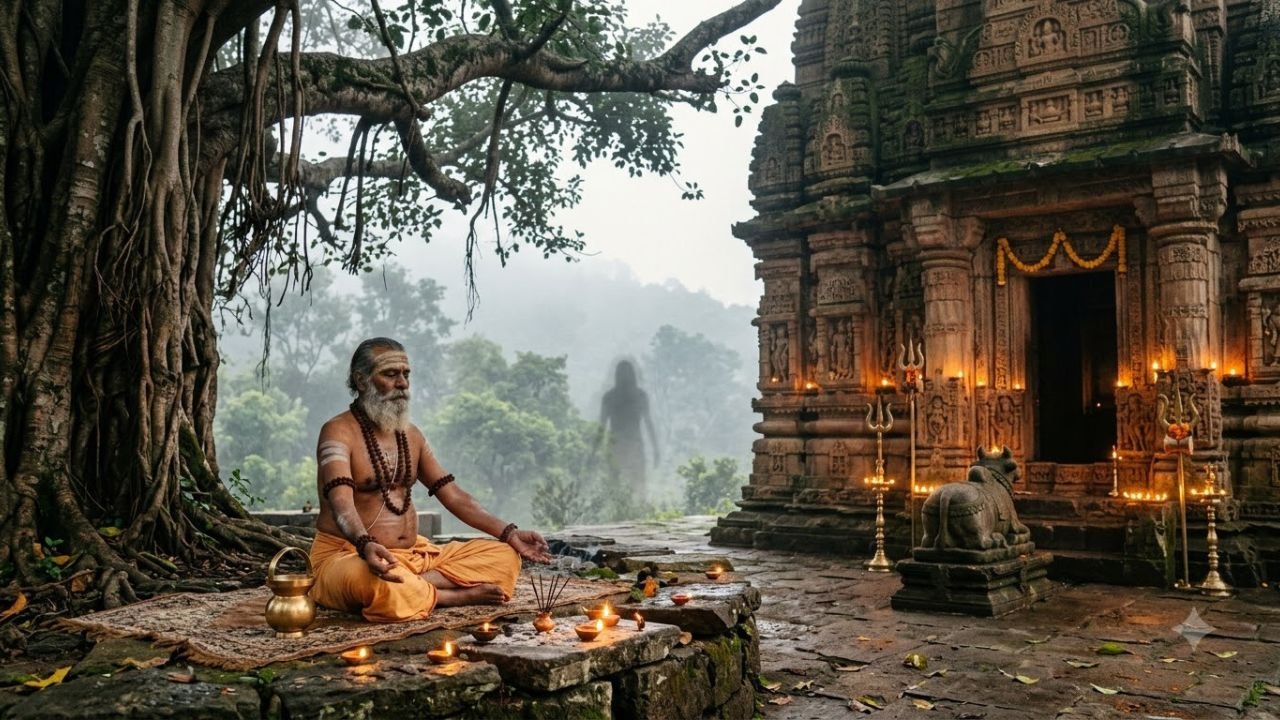
Aghor traditions are particularly interested in overcoming fear of death and understanding impermanence.
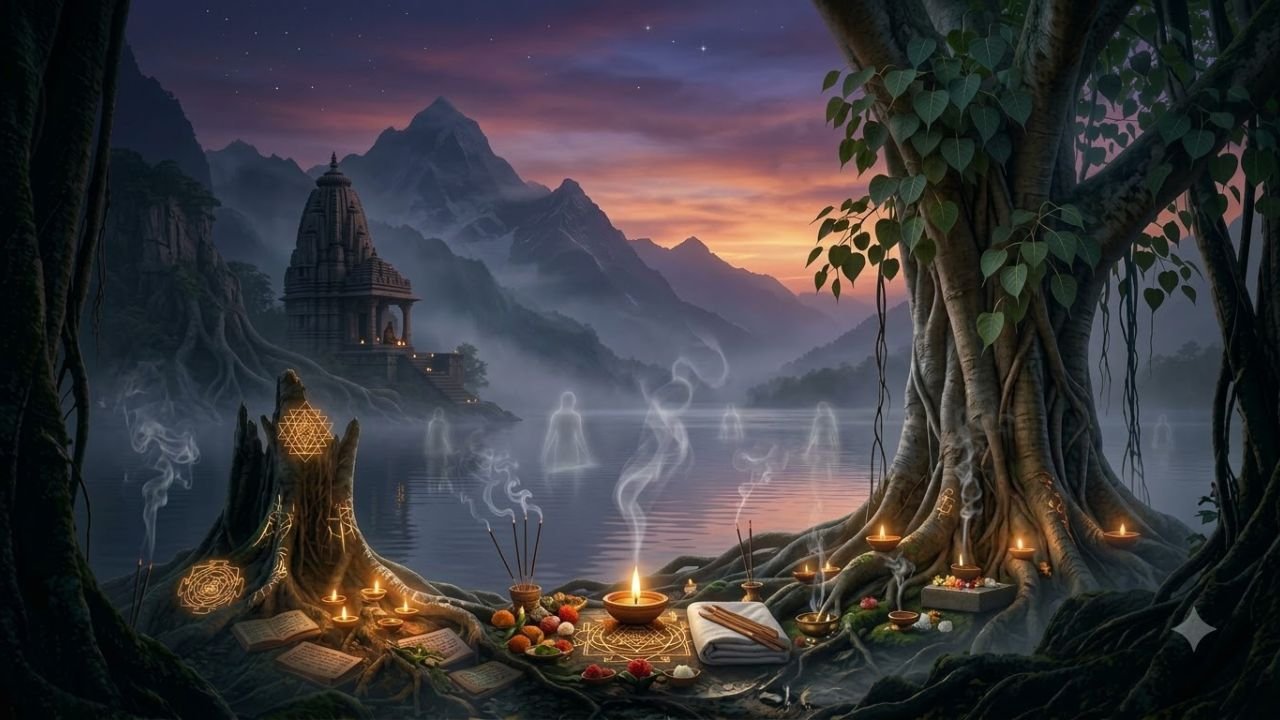
The cremation ground has an important symbolic role in many discussions of Aghor because it directly confronts the practitioner with the temporary nature of the physical body. Mrityu Ke Baad Kya Hota Hai
The deeper lesson is not simply about ghosts or supernatural beings.
It can be about:
- Fearlessness
- Detachment
- Acceptance of impermanence
- Shiva devotion
- Meditation
- Spiritual discipline
- Understanding the difference between body and consciousness
For someone studying Aghor, death can become a subject of spiritual contemplation rather than merely a source of fear.
Why Are People Afraid of Death?
Fear of death is natural.
People may fear:
- Losing loved ones
- The unknown
- Pain
- Separation
- Losing identity
- What may happen afterward
Spiritual traditions attempt to address these fears by providing a framework for understanding life and death.
Hindu philosophy often encourages people to look beyond the temporary physical body and contemplate the deeper nature of the Self. Mrityu Ke Baad Kya Hota Hai
How Can We Prepare Spiritually for Death?
The subject of death can also teach us how to live better.
A person does not need to wait until old age to think about spirituality.
Practice Compassion
Treat other people with kindness.
Reduce Unnecessary Attachment
Understand that material possessions and circumstances are temporary.
Practice Meditation
Meditation can help develop awareness and inner stability.
Remember the Divine
For devotees, prayer and remembrance of God are important spiritual practices.
Live Ethically
Honesty, responsibility, compassion, and self-control form an important part of many spiritual traditions.
Accept Impermanence
Everything in the physical world changes.
Understanding this can reduce excessive attachment and encourage meaningful living.
The Biggest Lesson of Death
Perhaps the greatest lesson of Mrityu Ke Baad Kya Hota Hai is not simply discovering what comes afterward.
It is understanding what we do before death.
Death reminds us that:
- Time is limited.
- Relationships matter.
- Kindness matters.
- Ego is temporary.
- Material possessions cannot provide permanent security.
- Spiritual awareness can change how we experience life.
Instead of living constantly in fear of death, spiritual teachings encourage people to use life wisely.
Final Conclusion: Mrityu Ke Baad Kya Hota Hai?
So, Mrityu Ke Baad Kya Hota Hai?
There is no scientifically proven answer that describes the complete experience of consciousness after death.
However, Hindu philosophical and religious traditions provide a rich framework for understanding the subject.
According to many Hindu traditions, the physical body is temporary while the Atman is eternal. Death is therefore understood as a transition within the larger journey of existence. Karma, rebirth, samsara, and moksha are central concepts in this understanding.
Different Hindu scriptures and schools provide different descriptions of the post-death journey, so these teachings should not be reduced to one simple formula. Mrityu Ke Baad Kya Hota Hai
The deeper spiritual message is that life is temporary, actions matter, attachment can create suffering, and spiritual realization can lead toward liberation.
For readers interested in Aghor, Tantra, Shiva worship, and spiritual teachings associated with Aghori Rudra Maharaj, the subject of death can be approached not only as a mystery but also as an opportunity for self-reflection. Mrityu Ke Baad Kya Hota Hai
The official reference website provided for this article is Aghori Rudra Maharaj.
Mrityu Ke Baad Kya Hota Hai? Atma, Karma, Rebirth & Moksha
Mrityu Ke Baad Kya Hota Hai? Explore Hindu beliefs about the Atman, karma, rebirth, Pret, moksha, Garuda Purana, Aghor and the spiritual meaning of death. Mrityu Ke Baad Kya Hota Hai


Leave a Reply