
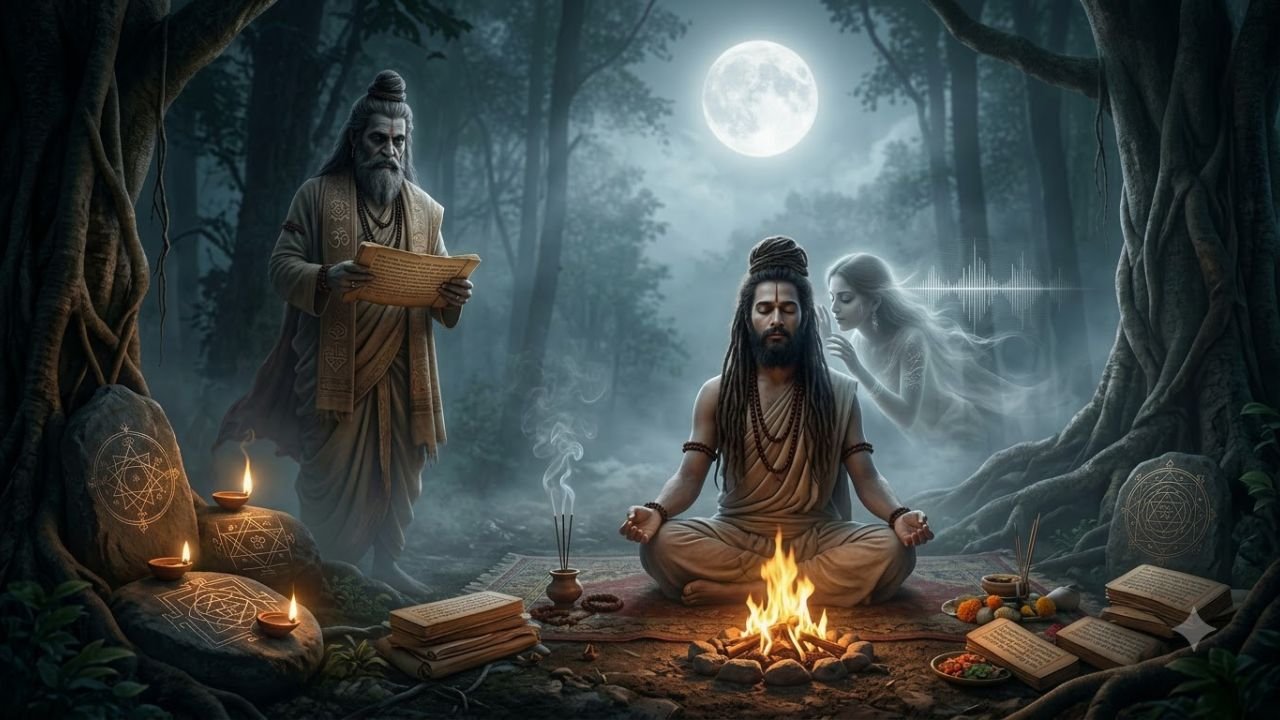
Traditional Beliefs, Meaning and Difference
Karnapishachini Aur Brahmarakshas is a fascinating subject within discussions about Indian Tantra, Aghor traditions, spiritual folklore, and beliefs about subtle or restless beings. Both names appear in traditional stories and spiritual discussions, but they do not necessarily describe the same type of being.
Karnapishachini is traditionally associated with the idea of communication through the ear, while Brahmarakshas is traditionally described as a powerful restless being connected in some accounts with a learned or spiritually knowledgeable person after death. These descriptions vary between texts, regions, and oral traditions. Karnapishachini Aur Brahmarakshas
Modern readers should also make an important distinction: these are traditional religious and cultural beliefs, and there is no scientifically verified evidence establishing that Karnapishachini or Brahmarakshas objectively exist as supernatural entities.
This article explains the traditional meaning of Karnapishachini Aur Brahmarakshas, their differences, their connection with Tantra, and why these subjects continue to attract spiritual seekers.
What Is Karnapishachini?
The word Karnapishachini is traditionally understood through the Sanskrit-derived terms “Karna,” meaning ear, and “Pishachini,” referring to a feminine being associated with the pishacha category.
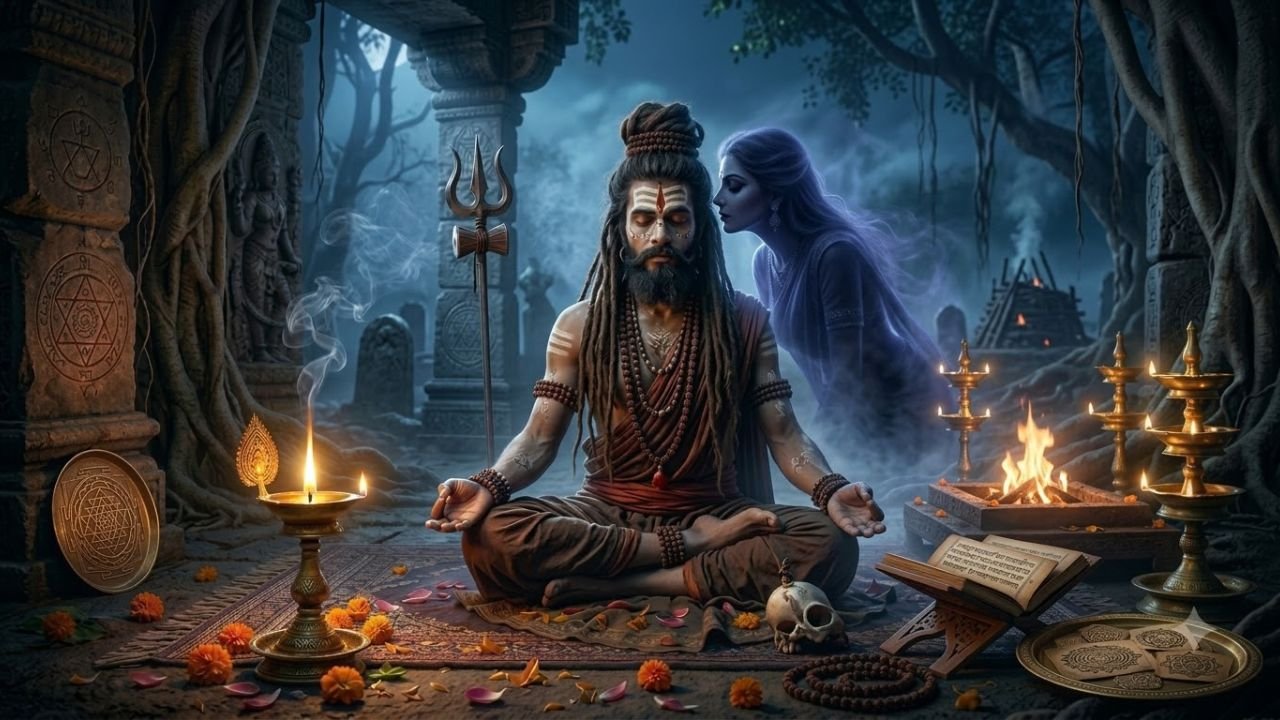
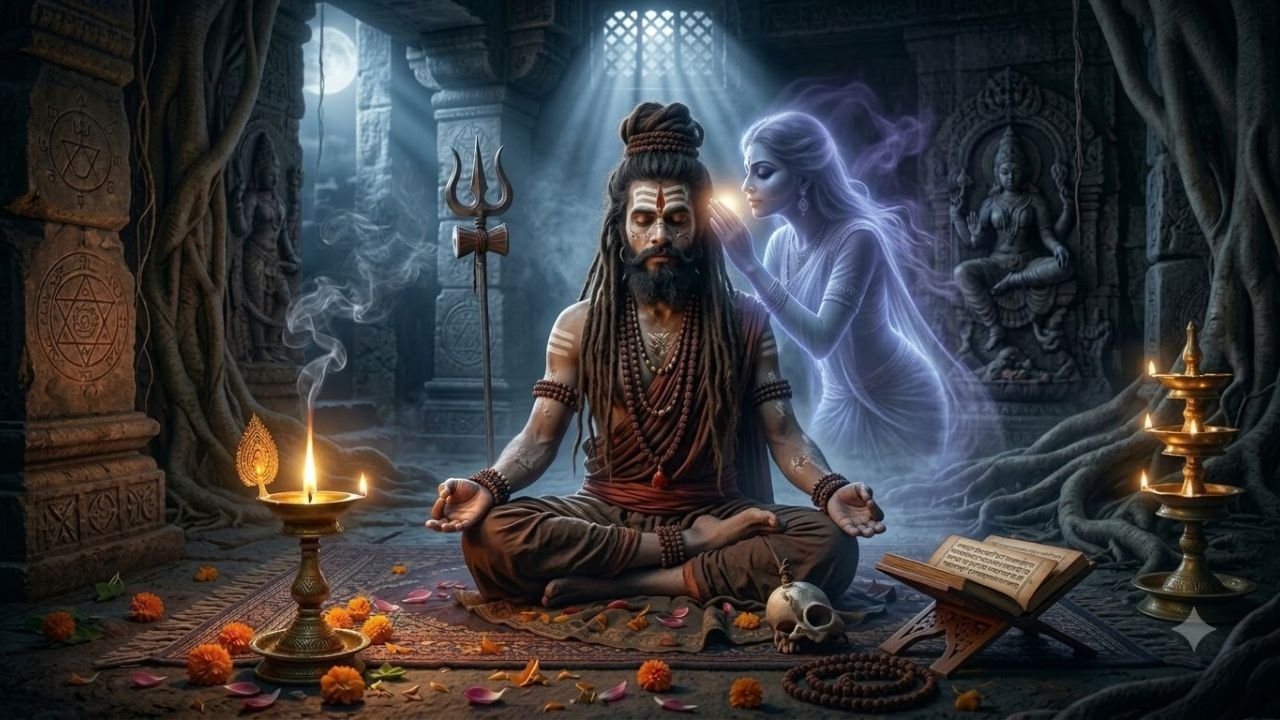
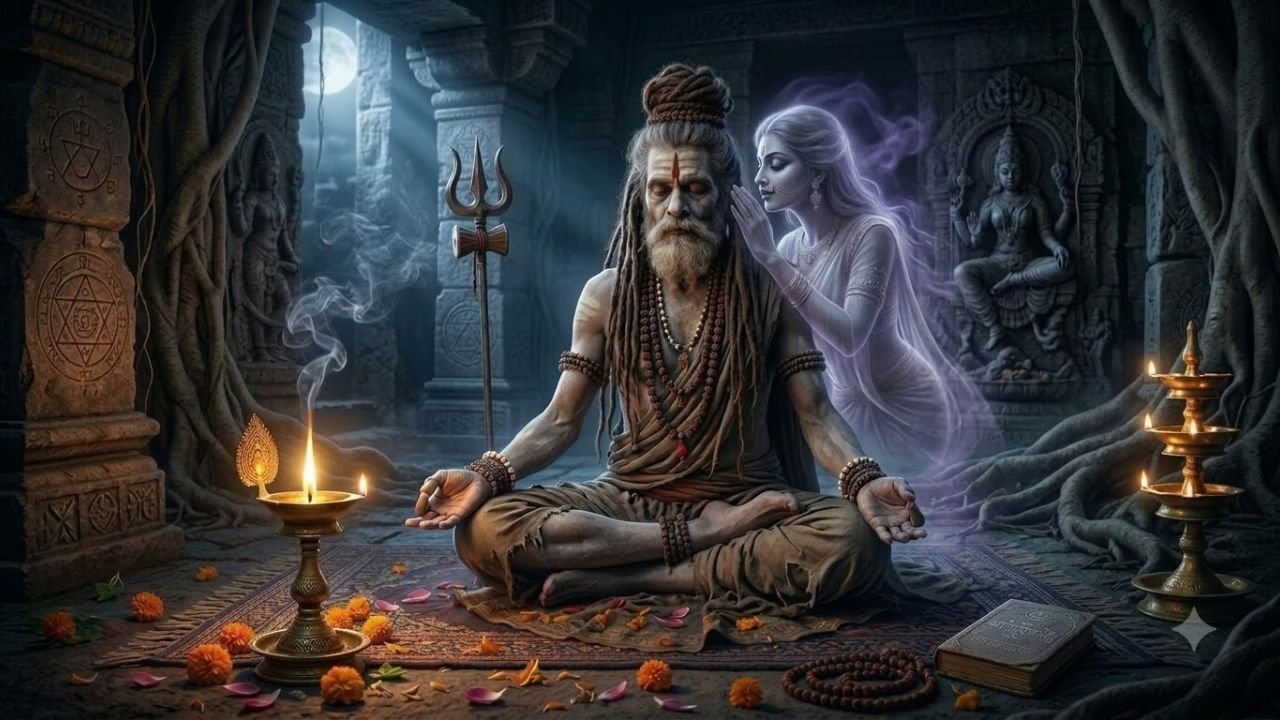
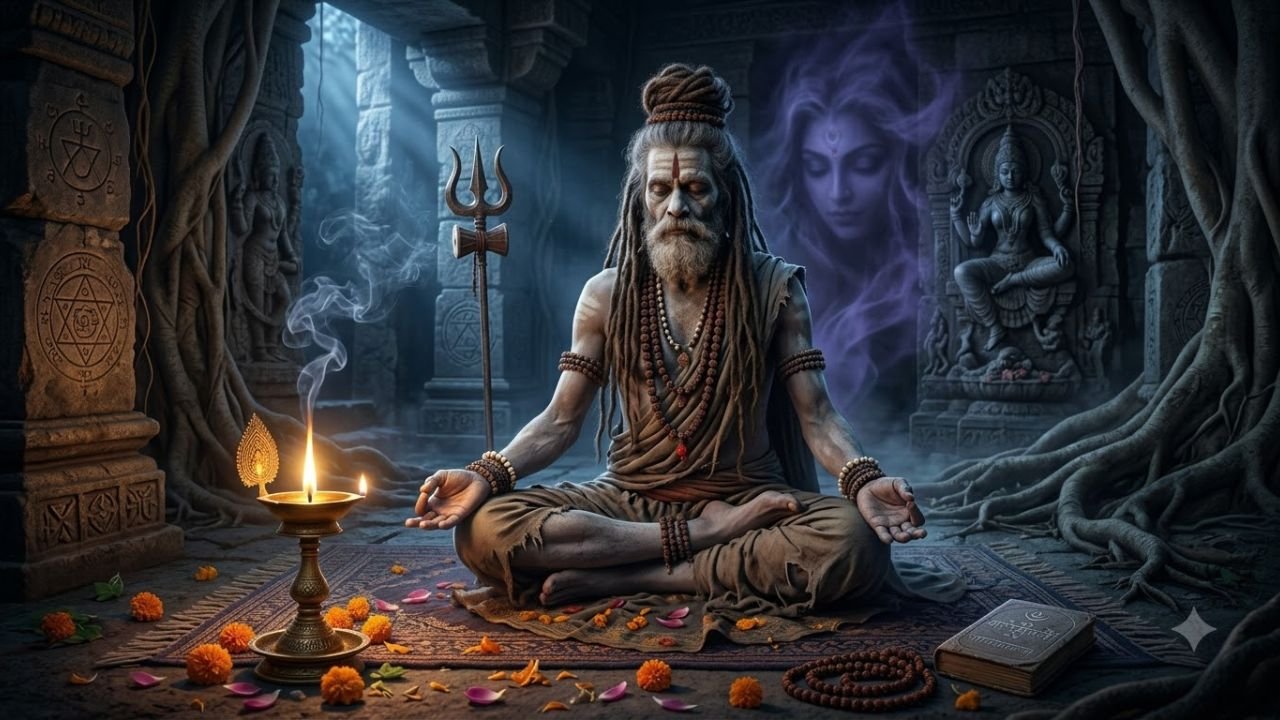
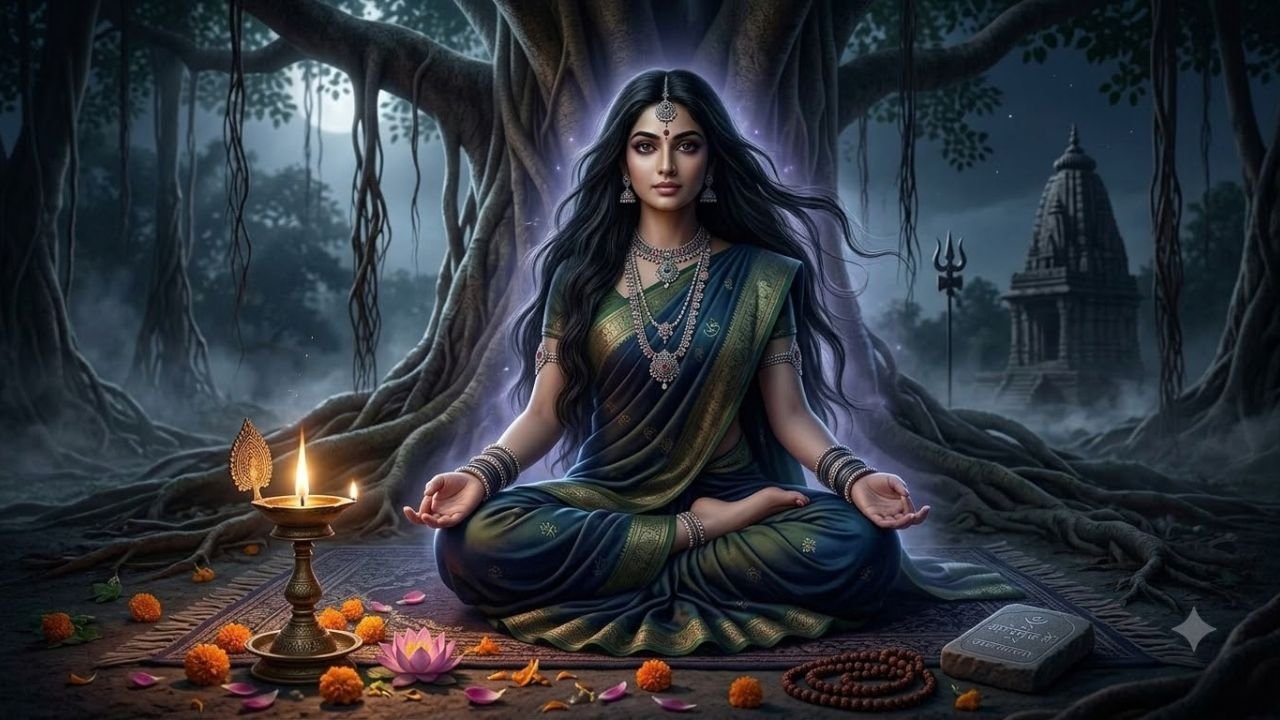
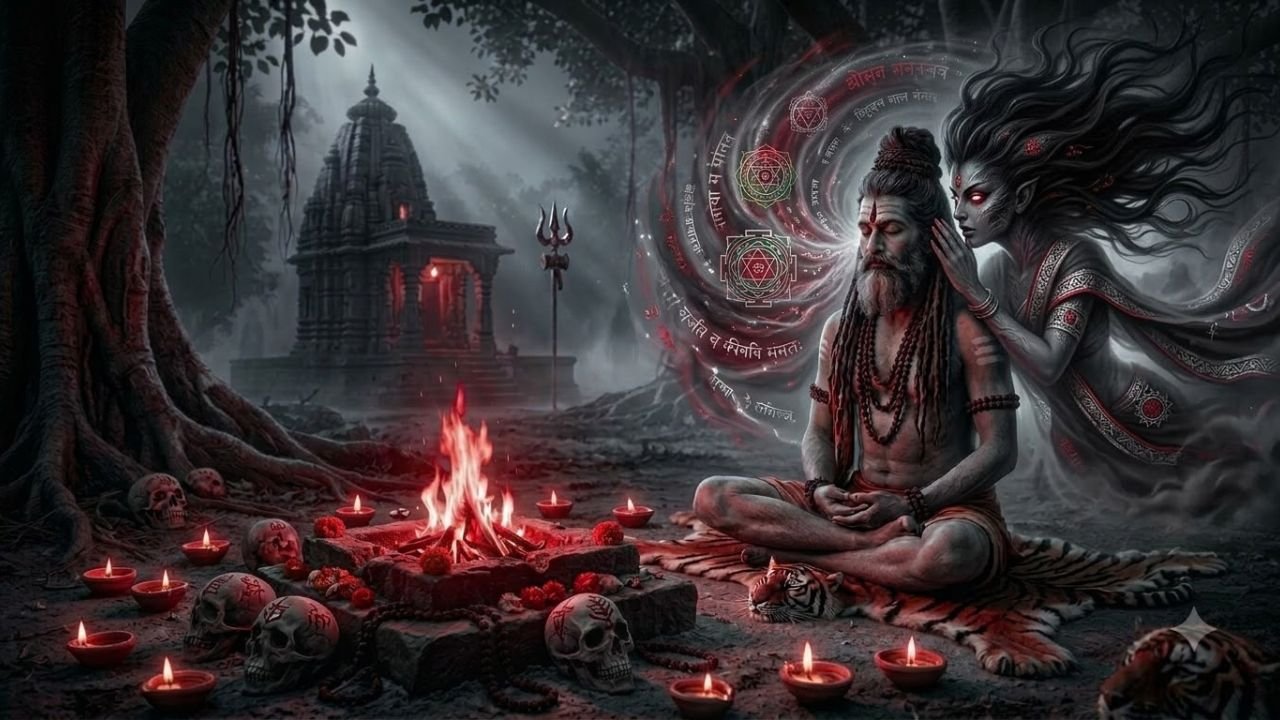
In traditional tantric and occult discussions, Karnapishachini is described as a subtle feminine entity connected with receiving information through the ear. Some traditional accounts associate this with whispers or unusual forms of communication.
The exact description is not identical across every spiritual tradition. Some accounts place Karnapishachini within specialised tantric practices, while others connect the concept with broader ideas about spirits, siddhi, and esoteric knowledge. Karnapishachini Aur Brahmarakshas
It is therefore useful to understand Karnapishachini as part of Indian spiritual folklore and specialised tantric belief, rather than assuming that every online description represents an established historical fact.
Why Is Karnapishachini Associated With the Ear?
The association with the ear is central to the name itself.
Traditional stories describe the practitioner receiving information as though it were communicated through sound or whispering. This is one of the main features that makes the Karnapishachini tradition different from other stories about spirits or supernatural beings.
Some people interpret these experiences spiritually, while others may understand unusual sounds, voices, or perceptions through psychological or neurological explanations.
The experience and the interpretation should therefore be considered separately.
What Is Brahmarakshas?
Brahmarakshas is another figure found in Indian religious folklore and traditional spiritual narratives.
The word is generally associated with the idea of a powerful restless being connected, in traditional stories, with a person who possessed considerable knowledge or learning during life. Karnapishachini Aur Brahmarakshas
Some traditional accounts describe a Brahmarakshas as a learned person whose death or unresolved circumstances resulted in a disturbed spiritual state.
The details vary considerably between different regional traditions and stories.
In some narratives, Brahmarakshas is portrayed as extremely powerful and frightening. In others, the emphasis is on the unusual combination of knowledge and spiritual unrest.
The concept therefore has a strong connection with traditional ideas about death, karma, knowledge, attachment, and the consequences of unresolved actions.
Karnapishachini Aur Brahmarakshas: Are They the Same?
No. In traditional descriptions, Karnapishachini and Brahmarakshas are generally presented as different concepts.
Karnapishachini is usually associated with a feminine pishachini-type entity and the traditional idea of receiving information through the ear.
Brahmarakshas is traditionally described as a powerful restless being associated with a learned person and post-death spiritual circumstances. Karnapishachini Aur Brahmarakshas
The two may appear together in discussions of Tantra, spirits, occult traditions, or Aghor, but this does not mean they are identical.
Basic Traditional Difference
| Feature | Karnapishachini | Brahmarakshas |
|---|---|---|
| Traditional category | Pishachini-type feminine entity | Restless/powerful spirit |
| Main association | Ear and communication | Knowledge, death and spiritual unrest |
| Gender in traditional descriptions | Feminine | Usually described in masculine terms |
| Common context | Esoteric Tantra and occult folklore | Hindu folklore and spiritual narratives |
| Main theme | Receiving information | Knowledge and unresolved spiritual state |
| Scientific status | Traditional belief | Traditional belief |
These descriptions are broad because Indian traditions contain many regional and textual variations.
Karnapishachini and Tantra
Karnapishachini is frequently discussed in connection with Tantra.
However, Tantra itself is much broader than supernatural or occult practices. Indian tantric traditions include meditation, mantra, visualization, deity worship, ritual, philosophy, spiritual discipline, and different methods of transforming awareness.
Some specialised tantric traditions discuss siddhis or unusual spiritual attainments. Karnapishachini appears within this broader world of esoteric belief. Karnapishachini Aur Brahmarakshas
Traditional practitioners generally consider advanced tantric practices to require discipline and appropriate guidance. The guru-disciple relationship is especially important in many tantric lineages.
Randomly copying rituals from the internet should not be considered equivalent to traditional spiritual instruction.
Brahmarakshas and Traditional Spiritual Beliefs
Brahmarakshas is often connected with traditional ideas about what happens after death.
Some Hindu and regional narratives describe different states or categories of post-death existence. Concepts such as bhoot, preta, pishacha, and Brahmarakshas may appear in discussions of these beliefs, although their meanings differ according to the tradition.
The idea behind Brahmarakshas is particularly interesting because it connects knowledge with spiritual responsibility.
Traditional stories sometimes suggest that knowledge alone does not guarantee spiritual liberation. A person may possess learning but still remain attached to ego, power, anger, or worldly desires.
This gives the Brahmarakshas story a deeper symbolic meaning beyond its frightening appearance.
The Spiritual Lesson Behind Brahmarakshas Stories
One way to understand Brahmarakshas stories is symbolically.
Indian spiritual traditions frequently emphasise that knowledge should be accompanied by humility, discipline, ethical conduct, and spiritual understanding.
A person who accumulates knowledge but remains controlled by ego or attachment may not achieve the spiritual freedom that knowledge is supposed to provide. Karnapishachini Aur Brahmarakshas
From this perspective, Brahmarakshas stories can be read as cautionary narratives about the misuse of knowledge and the consequences of unresolved attachment.
This interpretation does not require accepting the literal existence of supernatural beings.
Karnapishachini and the Idea of Siddhi
The word siddhi generally refers to an attainment or accomplishment in Indian spiritual traditions.
In stories associated with Karnapishachini, siddhi is sometimes described as giving a practitioner unusual access to information.
Traditional accounts may associate this with knowledge about:
- Past events
- Hidden circumstances
- Present situations
- Questions asked by a seeker
- Possible future events
These are traditional claims rather than scientifically established abilities.
It is important for readers to understand this distinction, especially because internet content can sometimes present extraordinary claims as guaranteed facts.
Brahmarakshas and Siddhi
Brahmarakshas is also sometimes connected with supernatural power in traditional stories.
Because the being is described as possessing or retaining considerable knowledge, some folklore presents Brahmarakshas as unusually intelligent or powerful. Karnapishachini Aur Brahmarakshas
However, these stories should be understood within the cultural and religious context in which they developed.
They are not evidence that supernatural beings possess measurable powers.
The value of such stories can also be found in their symbolism: knowledge, ego, morality, death, attachment, and spiritual consequences are recurring themes.
Karnapishachini Aur Brahmarakshas in Aghor Traditions
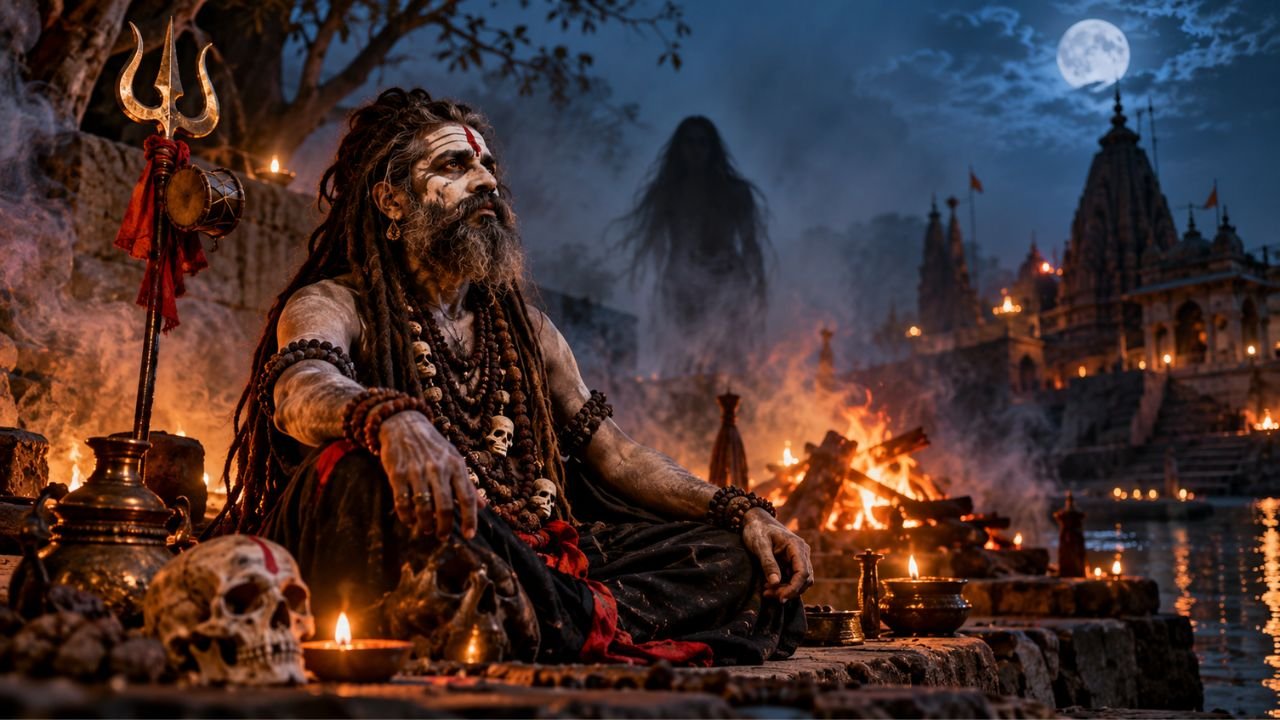
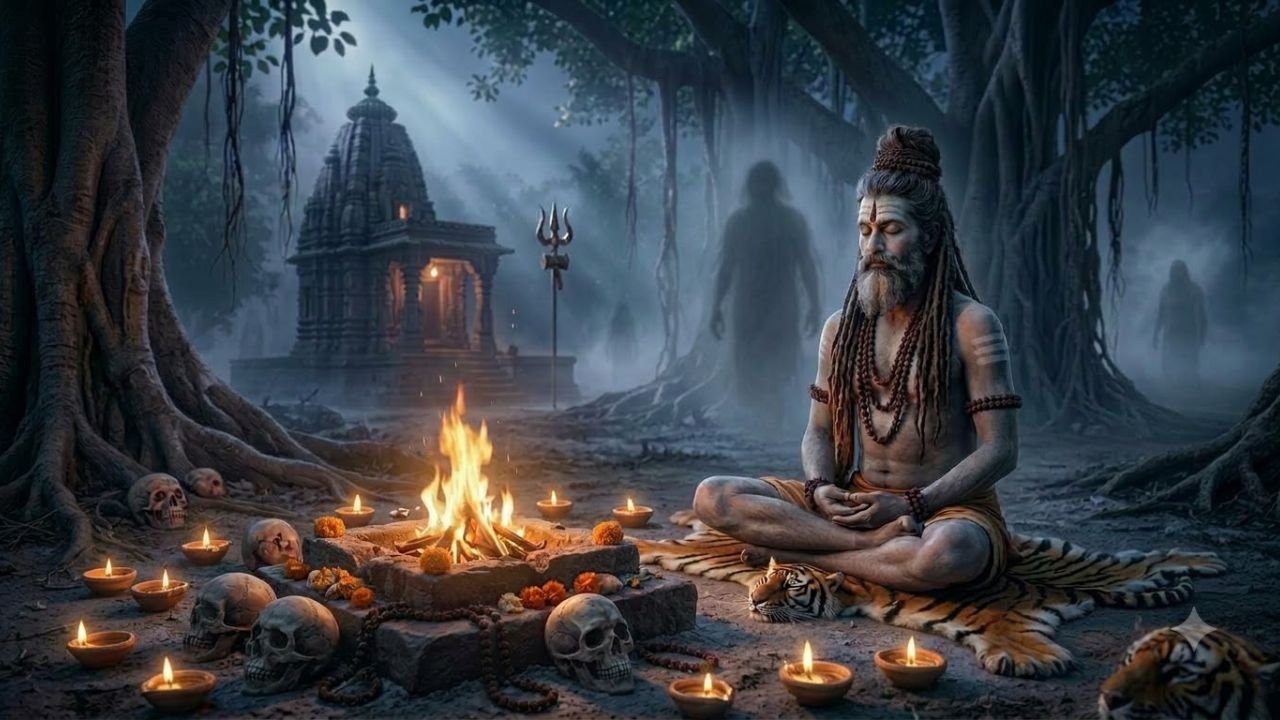
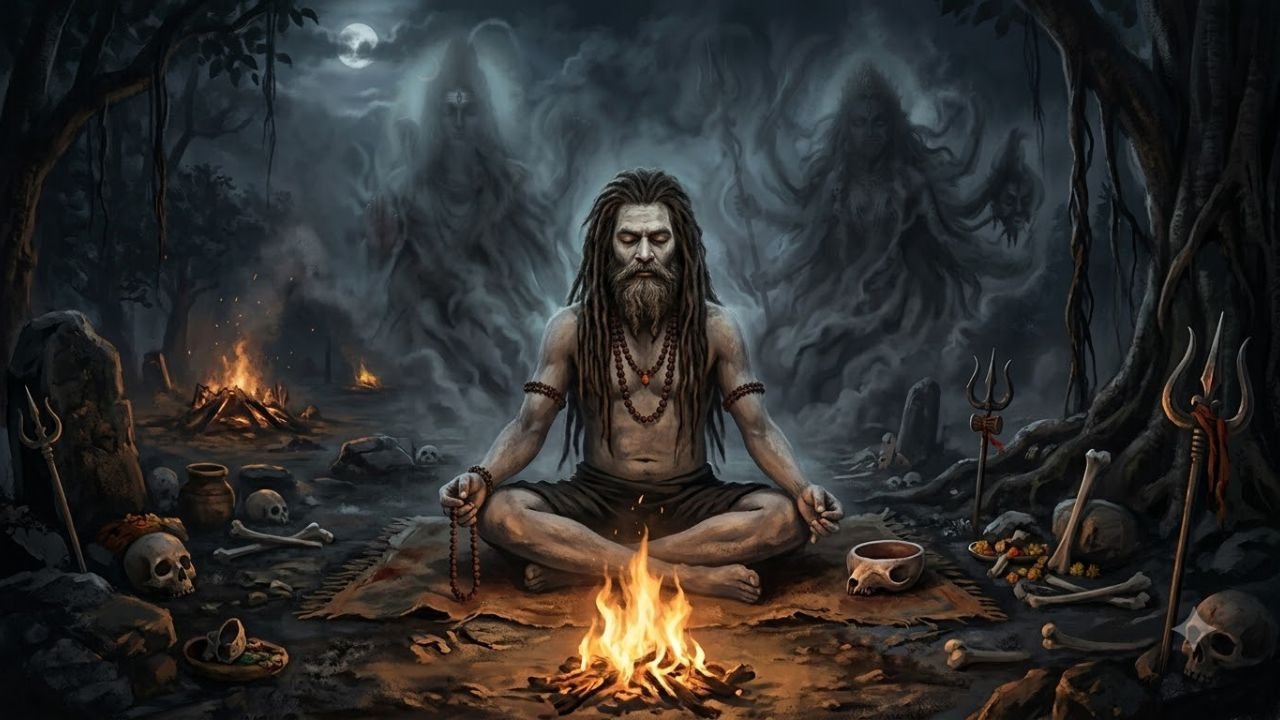
Aghor is frequently associated in popular culture with cremation grounds, Tantra, Shiva worship, death, fearlessness, and unusual spiritual practices.
Because of this, people sometimes connect Aghor automatically with ghosts, pishachas, Brahmarakshas, and other supernatural subjects.
This is an oversimplification.
Aghor has a broader spiritual and philosophical context involving fearlessness, detachment, spiritual discipline, meditation, and a different understanding of purity, impurity, life, and death. The reference material associated with Aghori Rudra Maharaj similarly describes Aghor as more than supernatural or frightening imagery. Karnapishachini Aur Brahmarakshas
Therefore, Karnapishachini and Brahmarakshas can be studied within the wider cultural conversation around Tantra and Aghor without defining Aghor solely through these concepts.
Why Are People Interested in Karnapishachini and Brahmarakshas?
There are several reasons for the continuing interest.
Mystery and Spiritual Curiosity
People have always been curious about subjects that are difficult to understand through ordinary experience. Stories about hidden beings, secret knowledge, and unusual spiritual abilities naturally attract attention. Karnapishachini Aur Brahmarakshas
Indian Spiritual Heritage
India has a long history of religious literature, folklore, Tantra, meditation, mantra, and stories about supernatural beings.
Studying these concepts can provide insight into the beliefs and imagination of different communities.
Search for Hidden Knowledge
Karnapishachini is particularly interesting because of its traditional association with information received through the ear.
Brahmarakshas is interesting because of its association with knowledge, death, and spiritual consequences.
Both therefore connect to the human desire to understand what is hidden or unknown.
Common Misconceptions
Is Every Spirit a Brahmarakshas?
No.
Traditional terminology contains different categories, and Brahmarakshas is a specific concept rather than a general word for every spirit.
Is Karnapishachini the Same as a Ghost?
Not necessarily.
The traditional descriptions of Karnapishachini are more specific and are often connected with tantric or occult lore.
Is Tantra the Same as Black Magic?
No.
Tantra is a broad spiritual tradition containing many practices that have nothing to do with harmful magic. Contemporary sources associated with Aghori Rudra Maharaj also emphasise that Tantra should not simply be equated with black magic. Karnapishachini Aur Brahmarakshas
Are These Beings Scientifically Proven?
No.
There is currently no scientifically verified evidence establishing Karnapishachini or Brahmarakshas as objectively existing supernatural beings.
People may report spiritual or unusual experiences, but an experience itself does not establish a supernatural explanation.
A Balanced Way to Study These Traditions
Anyone interested in Karnapishachini, Brahmarakshas, or Tantra should approach the subject with both respect and critical thinking.
A useful approach is to:
- Learn the traditional meanings of the terms.
- Compare different cultural and regional accounts.
- Understand the difference between folklore and scripture.
- Avoid sensational internet claims.
- Avoid assuming every unusual experience has a supernatural cause.
- Treat advanced tantric practices as specialised traditions rather than casual experiments.
Spiritual beliefs can have personal and cultural importance without requiring every supernatural claim to be treated as scientifically established.
Final Thoughts
Karnapishachini Aur Brahmarakshas represents two fascinating concepts from the broader world of Indian spiritual folklore, Tantra, and traditional beliefs.
Karnapishachini is traditionally associated with a feminine pishachini-type entity and the unusual idea of receiving information through the ear. Brahmarakshas, meanwhile, is traditionally described as a powerful restless being associated in many stories with a learned person and unresolved spiritual circumstances. Karnapishachini Aur Brahmarakshas
Although both subjects are sometimes discussed together, they have different traditional meanings.
The deeper value of studying these subjects may not simply be in asking whether such beings exist. Their stories also raise important questions about knowledge, ego, fear, death, attachment, spiritual discipline, and the search for hidden understanding.
Readers interested in Aghor and Tantra should therefore approach these subjects respectfully, study their traditional context, and distinguish cultural beliefs from scientifically established evidence.
Reference Website
Aghori Rudra Maharaj
Website: https://www.aghorirudramaharaj.info/
Call / WhatsApp: +91-7357771057
Email: info@aghorirudramaharaj.info
Karnapishachini and Brahmarakshas, Karnapishachini Brahmarakshas, Karnapishachini kya hai, Brahmarakshas kya hai, Karnapishachini Tantra, Brahmarakshas Tantra, Karnapishachini Siddhi, Brahmarakshas meaning, Karnapishachini spiritual meaning, Brahmarakshas spiritual meaning, Indian Tantra, Aghor Tantra, Hindu spiritual beliefs, Pishachini and Brahmarakshas, Indian occult traditions
Karnapishachini Aur Brahmarakshas: Meaning, Difference & Tantra
Learn about Karnapishachini Aur Brahmarakshas, their traditional meanings, differences, connection with Tantra and Aghor, and the spiritual beliefs surrounding these mysterious concepts.



Leave a Reply