
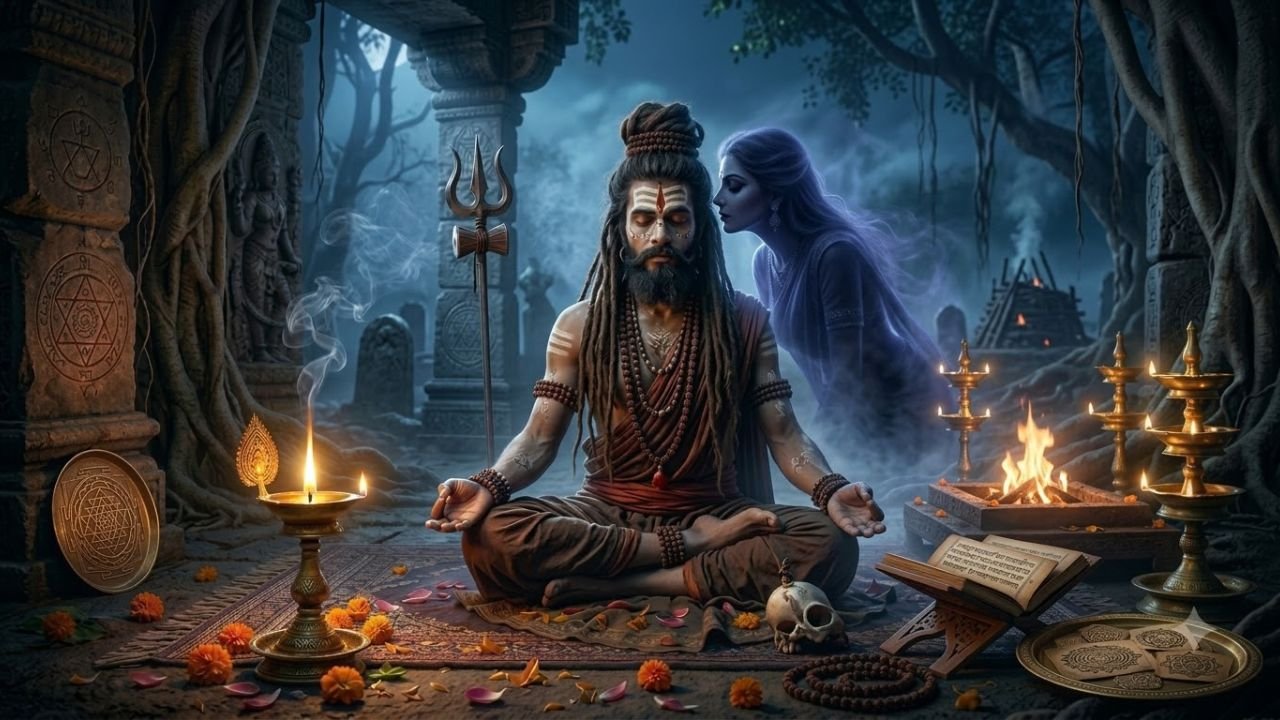
Understanding the Tantric Connection
Karnapishachini Aur Tantra is a fascinating and mysterious topic within discussions of Indian esoteric traditions. The subject attracts people who want to understand Tantra, hidden spiritual practices, subtle energies, and the traditional stories associated with Karnapishachini.
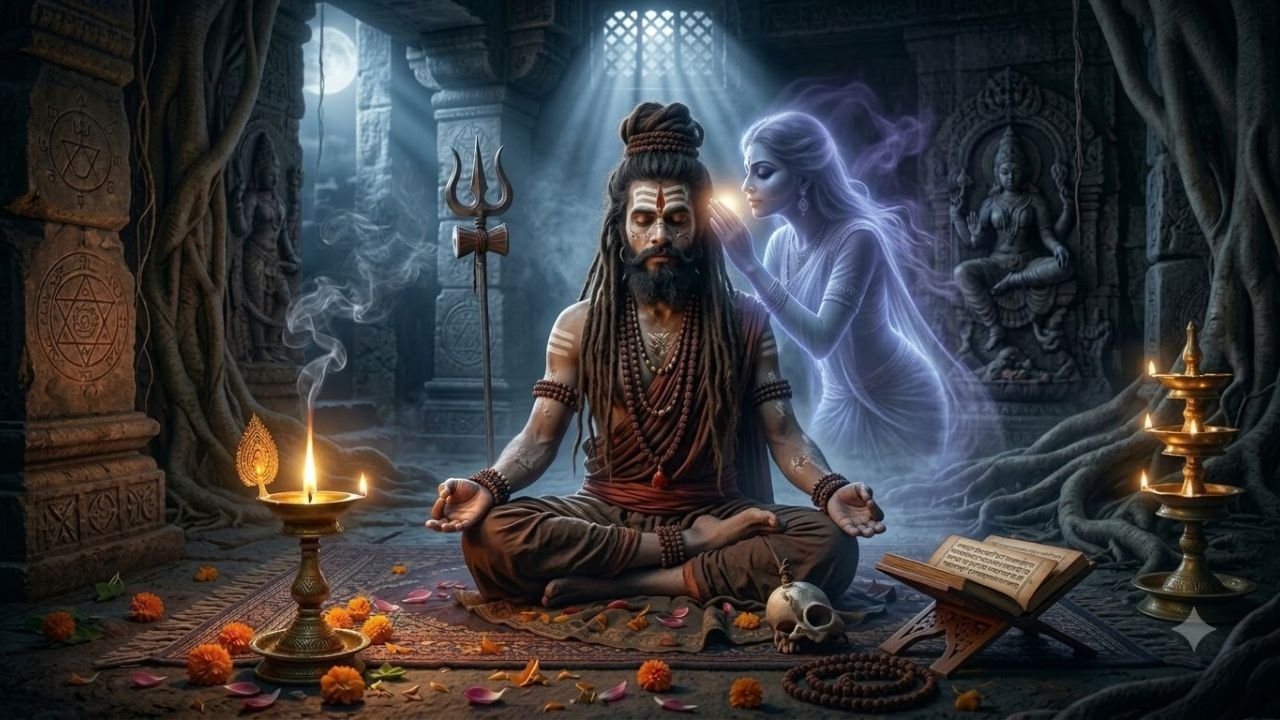
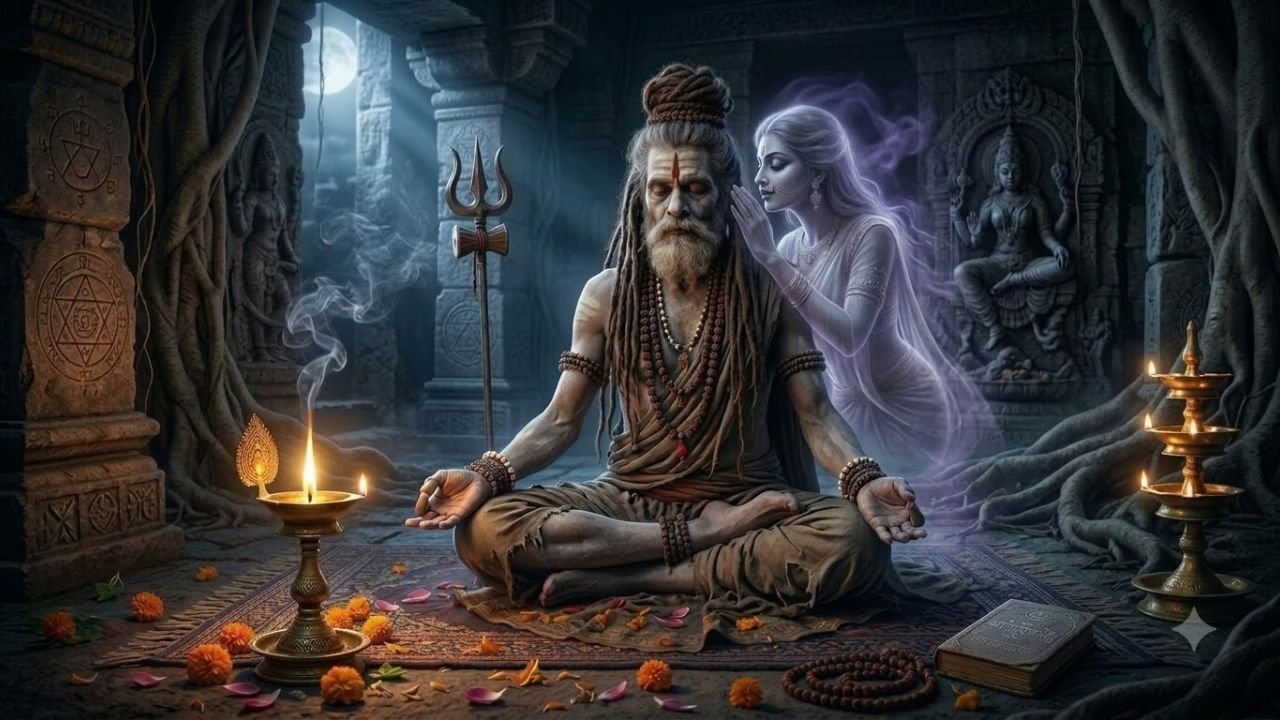
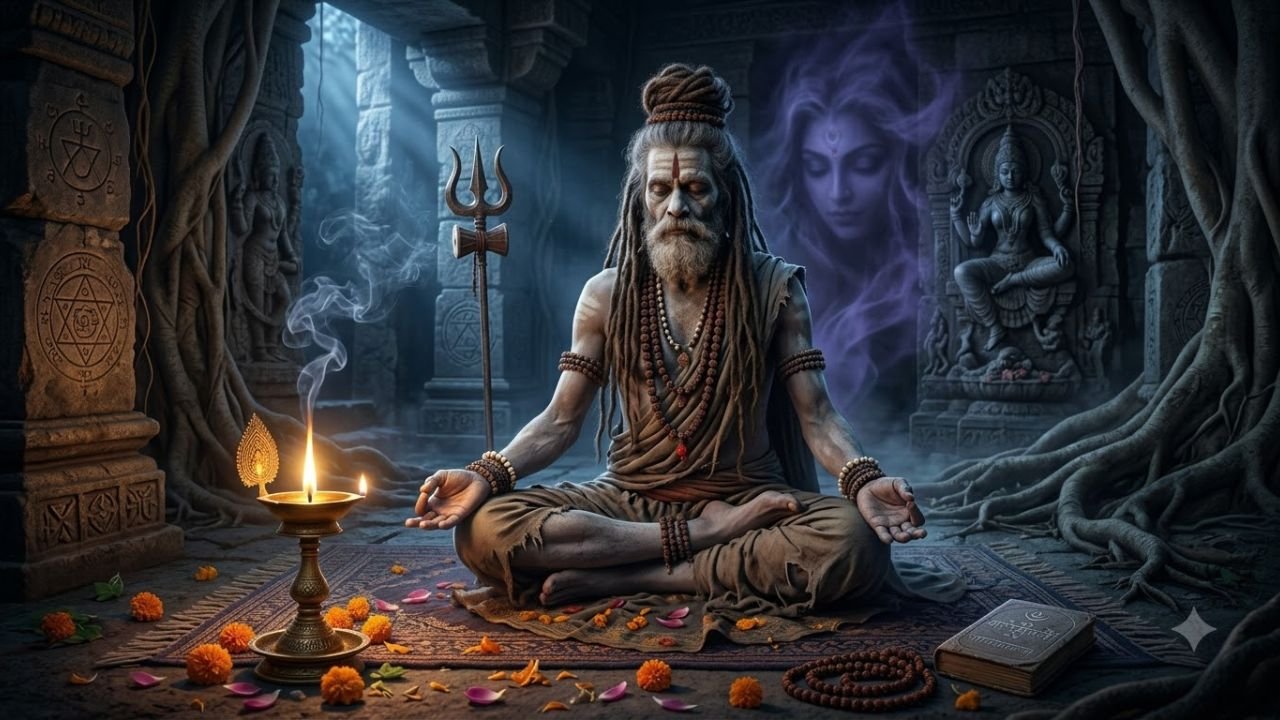
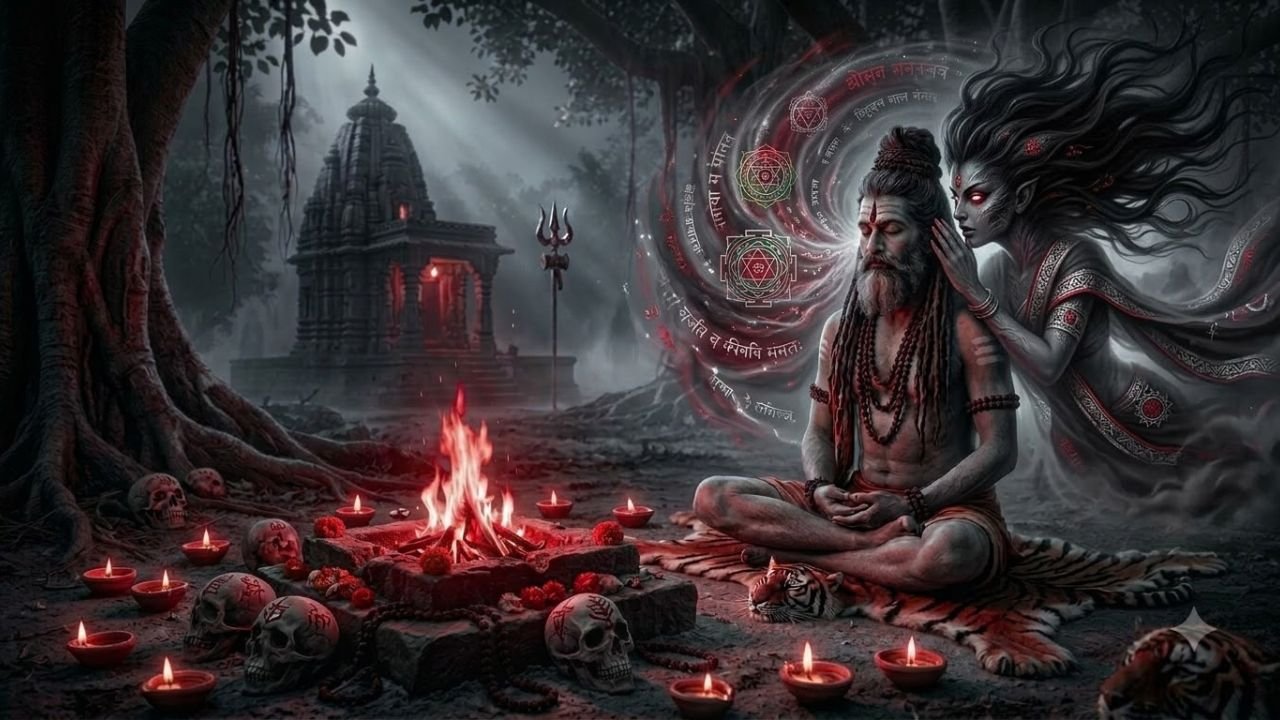
In traditional accounts, Karnapishachini is described as a feminine spirit or subtle entity associated particularly with the ear. The name itself is often explained through two parts: “Karna,” meaning ear, and “Pishachini,” referring to a feminine spirit associated with the pishacha category. According to traditional beliefs, a practitioner who attains siddhi is said to receive information through whispers or subtle communication.
However, Karnapishachini is not part of ordinary Hindu worship. It is generally discussed within specialised and esoteric streams of Tantra and certain Aghor-related traditions. Publicly available sources also emphasise that detailed practices traditionally belong to guru-disciple settings rather than casual experimentation. Karnapishachini Aur Tantra
This article explains the relationship between Karnapishachini and Tantra, its traditional significance, why people are interested in it, and why this subject is approached with caution.
What Is Tantra?
Before understanding Karnapishachini, it is important to understand Tantra itself.
Tantra is not a single practice or one fixed system. It represents a broad collection of spiritual traditions that developed in India. Different tantric paths use different combinations of mantra, meditation, ritual, visualization, yantra, devotion, and spiritual discipline.
The purpose of Tantra can also differ according to the tradition. Some paths focus strongly on spiritual liberation, devotion, purification, and awareness. Other specialised traditions are associated with particular forms of spiritual power or siddhi.
Therefore, it would be incorrect to assume that everything connected with Tantra involves spirits, supernatural practices, or occult activities. Karnapishachini Aur Tantra
Tantra Has Many Different Paths
Traditional tantric practices can include:
- Mantra meditation
- Worship of deities
- Yantra practices
- Meditation and visualization
- Shakti-oriented spiritual practices
- Guru-disciple traditions
- Aghor and other specialised approaches
Because Tantra is so diverse, Karnapishachini represents only a very specialised subject within a much larger spiritual landscape.
Who Is Karnapishachini According to Tradition?
According to traditional tantric descriptions, Karnapishachini is a feminine spirit or subtle entity connected with the ear.
The central idea behind the tradition is that communication may occur through an inner or subtle whisper. Traditional accounts associate this communication with information about past events, present situations, or limited possibilities concerning the future.
Some descriptions connect Karnapishachini with categories of yakshinis or other subtle beings, although classifications vary between traditions and sources. Publicly available explanations also note that detailed scriptural material about Karnapishachini is comparatively limited, while some knowledge is preserved through oral lineages. Karnapishachini Aur Tantra
It is therefore important to distinguish between traditional belief, oral teachings, and independently verifiable fact.
Karnapishachini Aur Tantra: What Is the Connection?
The connection between Karnapishachini and Tantra comes from the belief that certain specialised tantric disciplines can establish communication or spiritual contact with subtle entities.
In traditional discussions, Karnapishachini is generally placed within the more intense and esoteric side of Tantra rather than mainstream devotional worship.
Some tantric traditions classify such practices as tamasic, meaning they are associated with qualities traditionally described as dense, intense, or difficult. This is one reason the subject is surrounded by warnings and restrictions.
The reference material associated with Aghor traditions describes Karnapishachini as occupying a specialised position rather than being a central deity of mainstream tantric worship. Karnapishachini Aur Tantra
Why Is This Practice Considered Specialized?
There are several reasons.
First, the subject deals with beliefs about subtle entities and unusual forms of knowledge. Second, traditional practitioners generally consider the psychological and spiritual preparation of the seeker important. Third, many lineages believe that advanced tantric practices should not be attempted without proper guidance.
For this reason, traditional sources often present Karnapishachini-related practices as something requiring discipline, preparation, and experienced guidance.
The Role of Siddhi in Karnapishachini Tradition
The word siddhi generally refers to spiritual attainment, accomplishment, or a special ability in Indian spiritual traditions.
In the context of Karnapishachini, traditional belief holds that siddhi may allow the practitioner to receive information through subtle communication.
According to these accounts, the information may concern:
- Past events
- Hidden circumstances
- Questions about a particular situation
- Present conditions
- Limited information concerning future possibilities
These are traditional claims, not established scientific abilities. Different practitioners and lineages may explain the experience differently.
For a modern reader, it is useful to approach these descriptions as part of India’s spiritual and esoteric heritage while keeping a clear distinction between belief and scientifically verified evidence. Karnapishachini Aur Tantra
Why Are People Interested in Karnapishachini Aur Tantra?
The mystery surrounding Karnapishachini has made the subject popular among people interested in Tantra and Aghor traditions.
Many people are curious about hidden knowledge. Others are attracted to the historical and cultural side of Indian occult traditions. Some want to understand why certain tantric practices were traditionally performed away from ordinary society.
Another reason is the association between Karnapishachini and the idea of receiving answers through the ear. This unusual concept naturally creates curiosity.
However, curiosity and spiritual readiness are not the same thing. A person interested in the subject should first understand its traditional background instead of immediately trying to perform advanced practices. Karnapishachini Aur Tantra
Karnapishachini and the Concept of Tamasic Tantra
One of the important ideas discussed in connection with Karnapishachini is tamasic practice.
In Indian philosophical traditions, the three gunas are commonly described as sattva, rajas, and tamas.
Sattva is associated with clarity and harmony.
Rajas is associated with activity and movement.
Tamas is associated with heaviness, darkness, and inertia.
Some traditional tantric accounts place Karnapishachini-related practices toward the tamasic side of the spectrum.
This classification does not mean that every tantric tradition uses the same interpretation. It simply explains why some traditional teachers describe these practices as intense and unsuitable for casual experimentation.
Why Traditional Guidance Is Considered Important
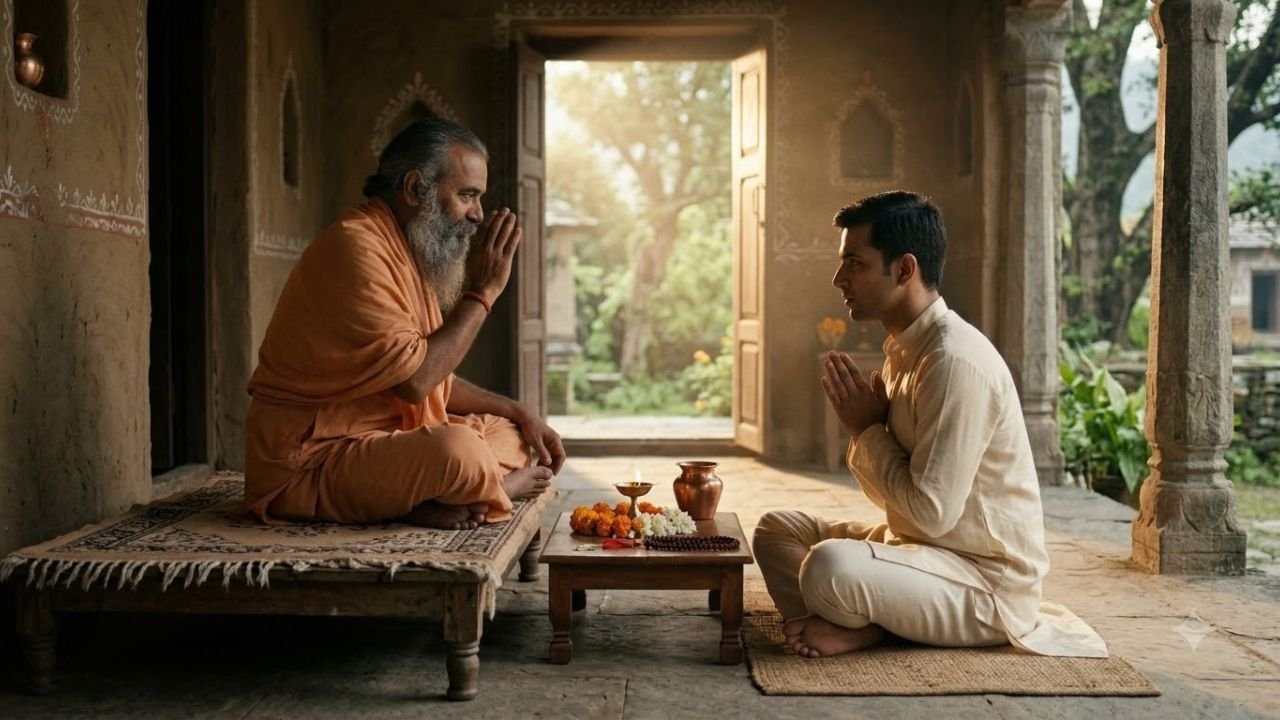
Tantric traditions often place great importance on the relationship between guru and disciple.
The reason is that specialised practices may involve complicated ritual frameworks, psychological discipline, symbolism, and specific rules. According to traditional perspectives, simply reading an internet article is not equivalent to receiving instruction from an established teacher. Karnapishachini Aur Tantra
This point is particularly important when discussing Karnapishachini.
People may encounter online claims about mantras, rituals, timings, locations, or promises of immediate siddhi. Such claims should be approached carefully because online information can be incomplete, exaggerated, or disconnected from an authentic lineage.
The safer approach is to study the subject historically and spiritually rather than treating internet instructions as a substitute for traditional training.
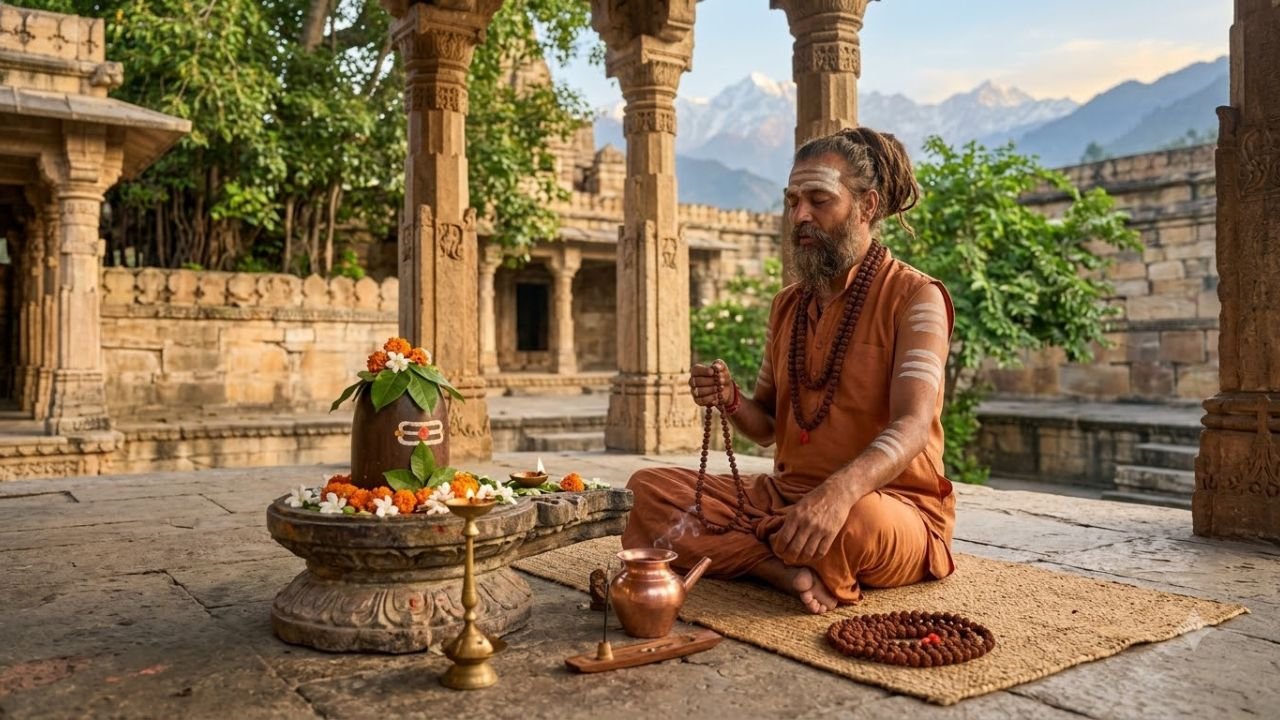
Karnapishachini Aur Tantra in Aghor Traditions
Karnapishachini is sometimes discussed alongside Aghor and other specialised tantric traditions.
Aghor itself has a much broader philosophical and spiritual background than supernatural stories often suggest. Discussions of Aghor may involve themes such as acceptance of reality, overcoming fear, detachment, spiritual discipline, and the transformation of one’s relationship with life and death. Karnapishachini Aur Tantra
Within that larger landscape, Karnapishachini represents a specialised subject rather than the complete meaning of Aghor.
The website Aghori Rudra Maharaj publishes material about Aghor, Tantra, spiritual practices, negative energies, and related subjects, providing one reference point for readers interested in this area.
Is Karnapishachini Scientifically Proven?
There is an important distinction between traditional belief and scientific evidence.
Traditional tantric literature and oral accounts describe Karnapishachini in spiritual and esoteric terms. However, claims about receiving supernatural information through an entity are not established scientific facts.
Personal experiences can also have many possible interpretations. Spiritual practitioners may understand an unusual experience through their religious framework, while psychology or neuroscience may approach the same experience differently.
Therefore, readers should avoid presenting traditional claims as scientifically proven facts.
This balanced approach allows people to study Tantra respectfully without confusing cultural belief with empirical evidence.
Common Misunderstandings About Karnapishachini
1. Tantra Means Black Magic
This is one of the most common misunderstandings.
Tantra is a broad spiritual tradition. Not every tantric practice involves spirits, occultism, or black magic.
2. Every Tantric Practitioner Works With Karnapishachini
This is also incorrect.
Karnapishachini is associated with a specialised area of tantric lore. Many tantric practitioners focus entirely on deity worship, mantra, meditation, devotion, or other spiritual disciplines. Karnapishachini Aur Tantra
3. Siddhi Happens Immediately
Traditional accounts generally describe siddhi as requiring discipline and sustained practice rather than instant results.
Claims promising guaranteed or immediate supernatural powers should therefore be treated with caution.
4. Internet Instructions Are Equal to Guru Guidance
Online articles can provide background information, but they cannot automatically replace authentic teacher-disciple transmission.
A Responsible Way to Study Karnapishachini Aur Tantra
If you are interested in this subject, begin with education rather than experimentation.
Study the history and terminology of Tantra. Learn how different tantric traditions understand spirits, deities, siddhis, mantra, and meditation. Compare traditional sources and understand where accounts differ. Karnapishachini Aur Tantra
It is also useful to remember that sensational stories are often more popular online than careful historical explanations.
A responsible study of Karnapishachini should therefore include three elements:
- Traditional context
- Critical thinking
- Respect for genuine spiritual traditions
This approach can help readers understand the subject without unnecessary fear or exaggerated expectations.
Final Thoughts on Karnapishachini Aur Tantra
Karnapishachini Aur Tantra represents one of the more mysterious and specialised subjects within discussions of Indian esoteric traditions. Traditional accounts associate Karnapishachini with the ear and with the belief that hidden information may be communicated to a practitioner after spiritual attainment.
At the same time, Karnapishachini should not be treated as representative of Tantra as a whole. Tantra contains many different paths, philosophies, practices, and lineages.
The most useful way to understand Karnapishachini is through a balanced perspective: respect the traditional beliefs, study their cultural and spiritual context, and distinguish traditional claims from scientifically established evidence. Karnapishachini Aur Tantra
For readers interested in Aghor, Tantra, and related spiritual subjects, Aghori Rudra Maharaj provides additional material on these themes through its website.
Reference Website: Aghori Rudra Maharaj
Website: https://www.aghorirudramaharaj.info/
Name: Aghori Rudra Maharaj
Call / WhatsApp: +91-7357771057
Email: info@aghorirudramaharaj.info






Leave a Reply