
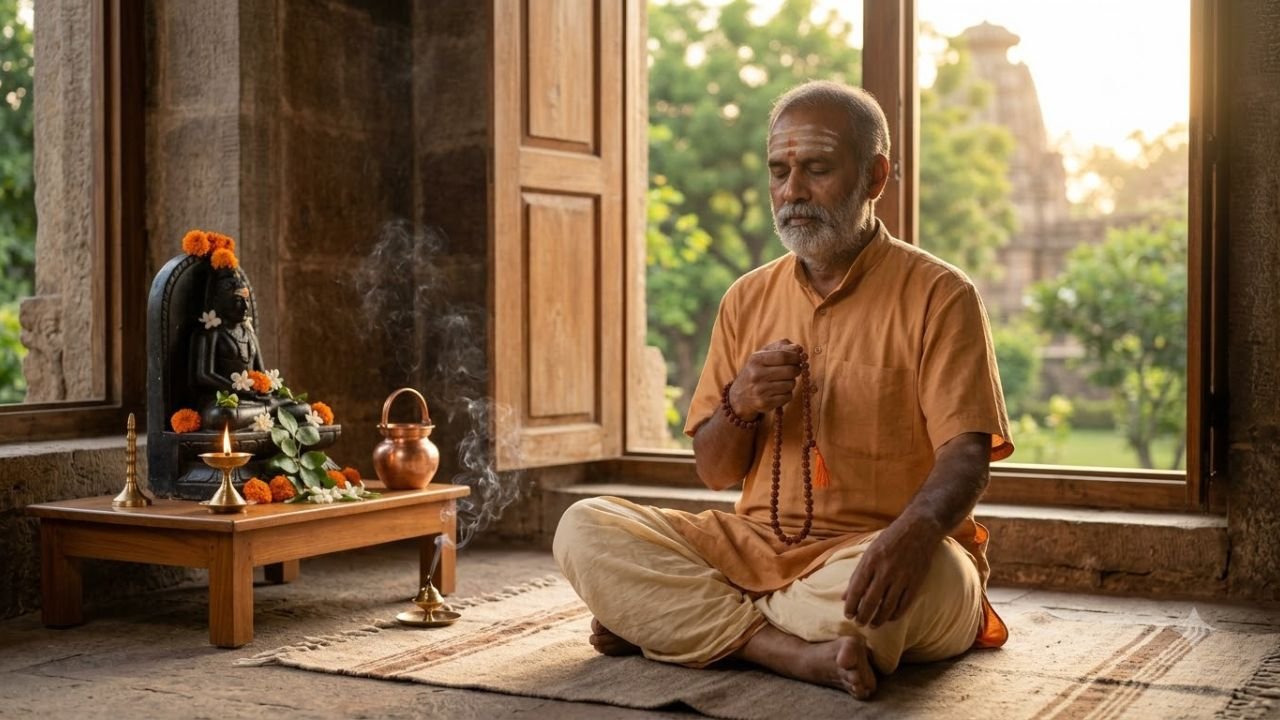
Complete Guide to Chanting Mantras Correctly
Mantra Jaap Ke Niyam Mantra Jaap is an important practice in Hindu spirituality. People chant mantras to develop concentration, bring peace to the mind, strengthen devotion, and create a regular spiritual routine. From ancient Vedic traditions to modern meditation practices, mantra chanting has remained a meaningful part of spiritual life.
However, many beginners have questions about the correct way to perform mantra jaap. Which time is suitable? Is it necessary to sit in a particular direction? How many times should a mantra be chanted? Does one need a mala, and what should be avoided during chanting?
In this guide, we will explore the traditional mantra jaap ke niyam, explain how beginners can establish a simple daily practice, and discuss the importance of faith, discipline, pronunciation, and consistency. Mantra Jaap Ke Niyam
What Is Mantra Jaap?
Mantra Jaap means repeating a sacred word, sound, or phrase with attention and devotion. The word mantra is associated with sacred expressions used in spiritual traditions, while jaap means repetition or chanting.
Some people chant mantras aloud, while others repeat them softly or mentally. The method depends on the mantra, the tradition, and the practitioner’s personal practice. Mantra Jaap Ke Niyam
Common examples include:
- Om (ॐ)
- Gayatri Mantra
- Maha Mrityunjaya Mantra
- Om Namah Shivaya
- Hare Krishna Maha Mantra
- Om Namo Bhagavate Vasudevaya
Each mantra has its own traditional significance. Practitioners often choose a mantra according to their devotional beliefs, spiritual goals, or guidance from a trusted teacher. Mantra Jaap Ke Niyam
Mantra chanting should not be treated as a guaranteed way to obtain wealth, supernatural powers, or immediate solutions to life’s problems. Its spiritual value is generally understood through devotion, regular practice, reflection, and self-discipline.
11 Important Mantra Jaap Ke Niyam
Following a few simple guidelines can help make mantra chanting more organised and meaningful. Some practices vary between Hindu traditions, so these guidelines should be understood as common traditional recommendations rather than universal rules.
1. Choose a Suitable Mantra
The first step is selecting a mantra that fits your devotional practice.
For example, devotees of Lord Shiva may chant “Om Namah Shivaya,” while devotees of Lord Krishna may chant the Hare Krishna Maha Mantra. Those interested in a general meditation practice may begin with the sound “Om,” if it suits their beliefs and comfort. Mantra Jaap Ke Niyam
Choose a mantra you understand and can repeat with attention. Avoid switching between many different mantras every day simply because you expect faster results.
Some mantras, particularly those associated with specialised tantric practices, may require instruction from a qualified guru. Beginners should seek reliable guidance before attempting advanced practices.
2. Select a Regular Time for Jaap
Traditionally, early morning is considered a favourable time for mantra jaap. The period around sunrise is often associated with prayer, meditation, and a peaceful start to the day. Mantra Jaap Ke Niyam
However, morning is not the only possible time. If your schedule does not allow it, you can practise in the evening or at another quiet time.
The most useful approach is to choose a time you can maintain consistently. A short daily practice is often easier to sustain than a long session performed only occasionally.
3. Choose a Clean and Peaceful Place
Select a clean, comfortable place where you can sit without frequent interruptions. If you have a prayer room or a small meditation corner, you can use it for your daily practice. Mantra Jaap Ke Niyam
You may keep a picture or symbol of your chosen deity if it is part of your tradition. Keep the surroundings simple so that they support concentration rather than distract you.
A special room is not essential. You can practise in any suitable, quiet place where you feel comfortable and can focus.
4. Maintain Personal Cleanliness
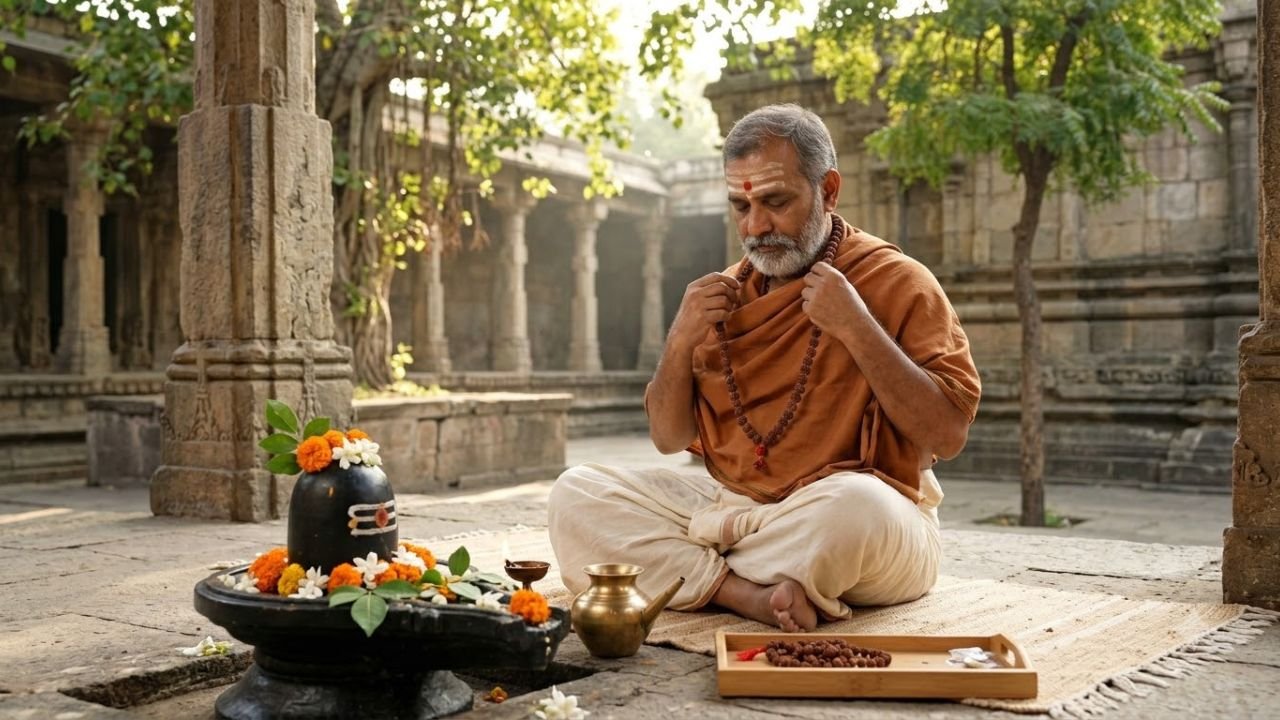
Many Hindu traditions recommend bathing or washing before prayer and mantra jaap. Clean clothing and a tidy practice area are also commonly encouraged. Mantra Jaap Ke Niyam
If bathing is not practical, you can wash your hands and face and begin with a calm mind. Do not let the absence of ideal conditions become a reason to abandon a simple daily practice.
The purpose of cleanliness is to encourage respect, preparation, and a sense of calm.
5. Sit in a Comfortable Posture
Sit on a clean mat, cushion, or folded cloth. Keep your back reasonably straight and your shoulders relaxed.
You may sit cross-legged on the floor or use a chair if sitting on the floor is uncomfortable. The important thing is to maintain a stable posture without creating pain or unnecessary strain. Mantra Jaap Ke Niyam
Keep your hands relaxed. If you are using a mala, hold it comfortably while chanting.
A comfortable posture helps you remain attentive for longer periods and reduces physical distractions.
6. Understand the Direction of Sitting
Some traditional practices recommend facing east or north during mantra jaap. These directions are associated with particular customs in different Hindu spiritual traditions.
However, there is no single direction that applies to every mantra or every practitioner. Follow your family tradition or your guru’s instructions if they are relevant to your practice.
If you are a beginner and do not have specific guidance, choose a quiet place and focus on chanting with attention. Direction should not become a source of unnecessary worry. Mantra Jaap Ke Niyam
7. Use a Jaap Mala Correctly
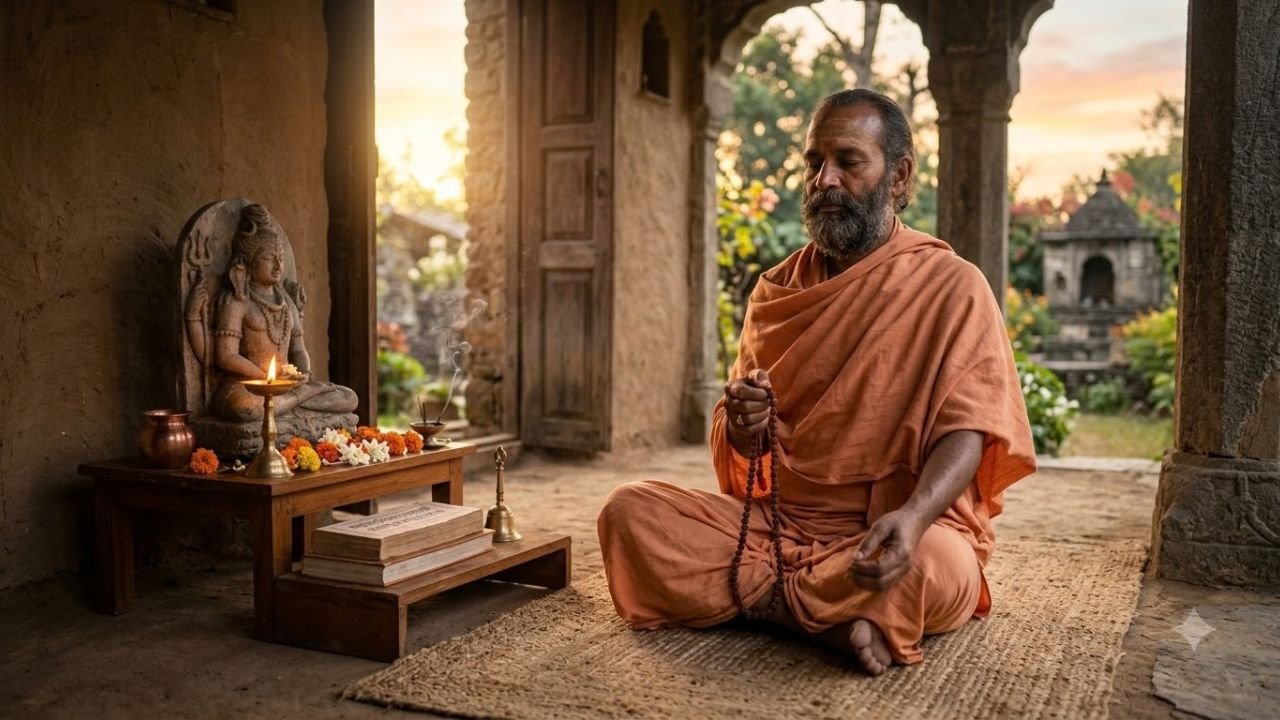
A jaap mala is a string of beads commonly used to count mantra repetitions. A traditional mala often contains 108 beads, although other counting methods are also used.
To practise with a mala:
- Hold it comfortably in your hand.
- Repeat the chosen mantra once for each bead.
- Move one bead at a time without rushing.
- If your tradition instructs you to use a guru bead, follow its customary method rather than crossing it.
- Keep your attention on the mantra instead of focusing only on the number.
A mala is helpful but not compulsory for every form of chanting. You can also practise for a fixed period without counting beads.
8. Pronounce the Mantra Carefully
Correct pronunciation is important in traditions where a mantra’s sound and syllables are considered significant.
Learn the words from a reliable text, a knowledgeable teacher, or a trustworthy recording. Begin slowly and pay attention to each syllable.
Do not rush through the mantra merely to complete a target number. If you are learning a Sanskrit mantra, take time to understand its pronunciation and meaning where available. Mantra Jaap Ke Niyam
For specialised or initiation-based mantras, ask a qualified teacher about the correct method.
9. Maintain Concentration and Faith
The purpose of mantra jaap is not simply to repeat words mechanically. Try to remain attentive to the sound, meaning, or devotional feeling associated with the mantra.
It is normal for thoughts to arise during meditation. When your attention wanders, gently bring it back to the chanting without becoming frustrated.
Faith can be an important part of devotional practice, but it should not become fear or pressure. You do not need to worry that every distraction or mistake will bring harm. Mantra Jaap Ke Niyam
With regular practice, many people find that they become more familiar with the rhythm of chanting and better able to settle their attention.
10. Decide on a Realistic Number of Repetitions
Some practitioners chant a mantra 11, 21, 27, 54, or 108 times, depending on their tradition and available time. These numbers are common in devotional practice, but they are not mandatory for every mantra.
Beginners can start with five to ten minutes of chanting or a small, manageable number of repetitions.
Increase the duration gradually if you feel comfortable. Consistency is more important than setting a target that makes the practice stressful.
If your chosen mantra has a specific traditional count or prescribed observance, seek appropriate guidance before following an intensive routine. Mantra Jaap Ke Niyam
11. End the Practice Peacefully
After completing your jaap, sit quietly for a minute or two. Allow yourself time to become aware of your surroundings before returning to daily activities.
You may offer a short prayer of gratitude according to your beliefs. Some practitioners dedicate the benefits of their practice to the well-being of their family, community, or all living beings.
There is no need to expect an extraordinary experience after every session. A calm and simple conclusion is enough.
What Should You Avoid During Mantra Jaap?
The following habits can make regular chanting more difficult:
- Rushing: Avoid chanting so quickly that you lose track of the words.
- Frequent distractions: Put away your phone and reduce unnecessary interruptions.
- Unrealistic expectations: Do not expect guaranteed results within a fixed number of days.
- Fear-based thinking: Do not assume that an ordinary mistake during chanting will automatically cause harm.
- Irregular practice: Choose a manageable routine instead of repeatedly making promises you cannot maintain.
- Comparing experiences: Every practitioner has a different experience. There is no need to compare your progress with others.
- Attempting advanced rituals without guidance: Seek a qualified teacher for specialised tantric or initiation-based practices.
Mantra jaap should support a balanced life. It should not replace medical care, practical decision-making, work, family responsibilities, or professional support when needed. Mantra Jaap Ke Niyam
Which Mantra Is Suitable for Beginners?
The right mantra depends on your beliefs and the tradition you wish to follow.
Om Namah Shivaya
This mantra is traditionally associated with devotion to Lord Shiva. Many devotees repeat it as part of their daily prayer.
Hare Krishna Maha Mantra
This mantra is central to many Vaishnava devotional traditions. It is commonly chanted individually or in group kirtan.
Gayatri Mantra
The Gayatri Mantra holds an important place in Hindu tradition. People who wish to include it in their practice should learn its pronunciation and customary method from a reliable source. Mantra Jaap Ke Niyam
Om (ॐ)
The sacred syllable Om is used in various Hindu spiritual and meditation practices. Some people repeat it slowly while focusing on the sound and their breathing.
Choose a practice that is appropriate for you. If a mantra has specific initiation requirements in your tradition, follow the guidance of a qualified teacher.
How Many Days Should You Do Mantra Jaap?
There is no universal number of days required for every mantra. Some people establish a daily routine for 21 or 40 days as a personal discipline, while others continue chanting for months or years.
These periods are customary in some practices, not a guarantee that a particular wish will come true.
Instead of focusing only on a deadline, observe whether the practice helps you become more attentive, patient, disciplined, or connected to your faith.
If you miss a session, simply return to your routine when possible. You do not need to feel guilty or assume that your spiritual progress has been destroyed. Mantra Jaap Ke Niyam
Benefits of Regular Mantra Jaap
Mantra chanting may offer several benefits as a spiritual and contemplative practice.
Improved attention: Repeating a phrase gives the mind a consistent point of focus.
A calming routine: Quiet chanting can provide a pause from everyday activity and responsibilities.
Greater devotional connection: For believers, mantra jaap can create a regular opportunity to remember and worship their chosen deity.
Self-discipline: Following a manageable schedule can help develop consistency and patience.
Time for reflection: A quiet session may help you notice your thoughts and respond to daily situations more thoughtfully.
Individual experiences differ, and these benefits are not guaranteed. Mantra jaap should be understood as a spiritual practice rather than a substitute for professional treatment for health concerns.
Common Questions About Mantra Jaap
Can I do mantra jaap without a mala?
Yes. A mala is a traditional counting aid, but it is not necessary for every form of chanting. You can repeat a mantra for a set amount of time. Mantra Jaap Ke Niyam
Can I chant a mantra silently?
Yes. Many traditions recognise mental repetition as a form of jaap. Other practices use audible or soft chanting. Follow the method appropriate to your chosen mantra.
Is it necessary to chant every day?
Daily chanting can help establish a routine, but your practice should be realistic. If you miss a day, resume when you can rather than becoming discouraged.
Can I do mantra jaap at night?
Yes, many people practise in the evening or at night when their surroundings are quiet. Specific timing requirements may differ for particular mantras and rituals.
What if my mind wanders during jaap?
This is common, especially for beginners. Gently return your attention to the mantra. Concentration often develops gradually through practice. Mantra Jaap Ke Niyam
Can mantra jaap fulfil every wish?
Mantra jaap is meaningful to many people as an expression of devotion and discipline. However, there is no reliable guarantee that chanting will fulfil a particular wish or produce supernatural results. Practical effort and sound decision-making remain important.
Conclusion
Understanding the mantra jaap ke niyam can help you develop a simple, respectful, and consistent spiritual routine. Choose a suitable mantra, select a comfortable place, maintain a relaxed posture, pronounce the words carefully, and practise without unnecessary fear or pressure. Mantra Jaap Ke Niyam
Remember that mantra chanting is not a competition. You do not need to perform hundreds of repetitions or seek extraordinary experiences to make your practice meaningful. Begin with a manageable routine and allow your understanding to grow over time.
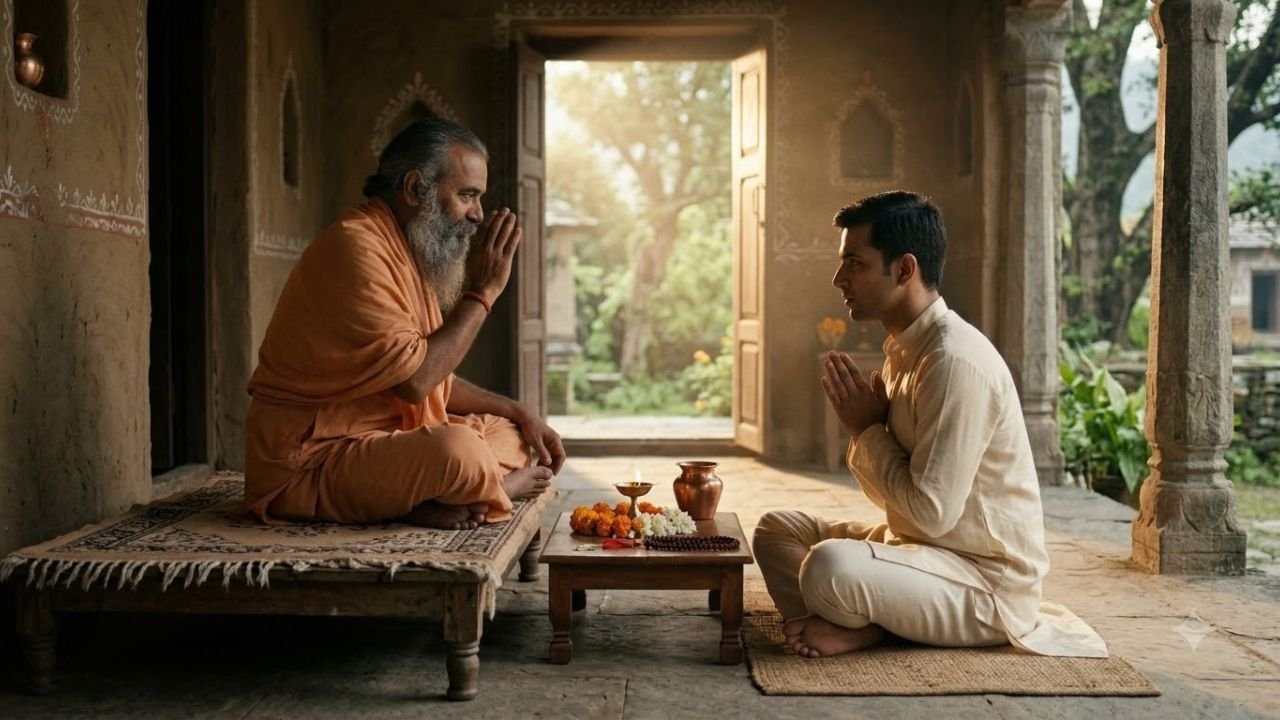
In Hindu spiritual traditions, a guru may help explain the significance and correct method of a particular mantra. For specialised practices, seek guidance from a knowledgeable and trustworthy teacher. Mantra Jaap Ke Niyam
For more information about spiritual traditions and devotional practices, you can visit the website of Aghori Rudra Maharaj.
Website: https://www.aghorirudramaharaj.info/
Call / WhatsApp: +91-7357771057
Email: info@aghorirudramaharaj.info








Leave a Reply