
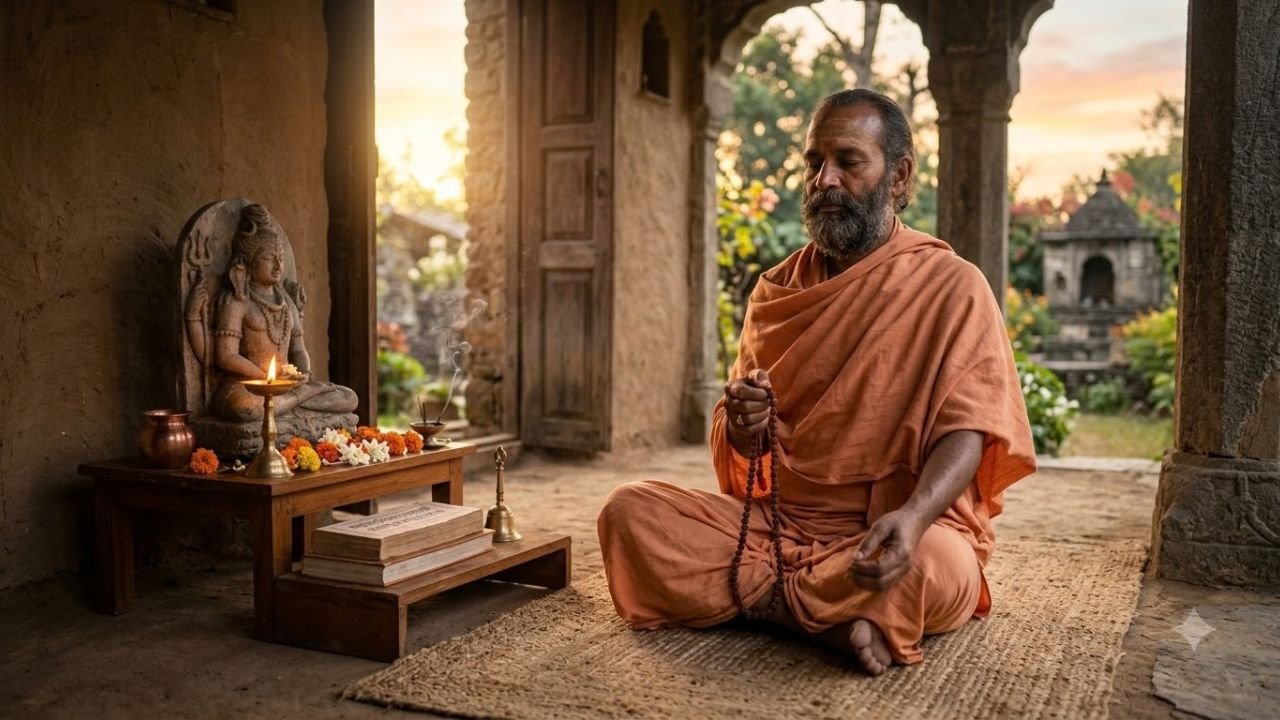
Meaning, Spiritual Significance and the Path of Practice
Mantra Siddhi Ka Rahasya Mantra Siddhi is an important concept in Hindu spiritual traditions, particularly in discussions about mantra chanting, meditation, devotion, and Tantra. Many spiritual seekers want to understand what mantra siddhi means, how it is described in traditional texts, and why discipline and guidance are considered important in spiritual practice.
The word siddhi is often associated with accomplishment, attainment, or the successful completion of a spiritual discipline. In traditional accounts, mantra siddhi may refer to developing a deep connection with a mantra through regular practice, devotion, concentration, and observance of certain guidelines.
However, stories about extraordinary powers and supernatural results should be understood as religious or traditional beliefs, not as scientifically established facts. A responsible approach to mantra practice focuses on learning, self-discipline, ethical conduct, and personal reflection rather than expecting instant miracles. Mantra Siddhi Ka Rahasya
In this article, we will explore Mantra Siddhi Ka Rahasya, its traditional meaning, the role of a guru, common practices, and important points beginners should understand before starting a spiritual journey.
What Is Mantra Siddhi?
Mantra Siddhi is a term used in some Hindu and tantric traditions to describe the accomplishment of a mantra-based spiritual practice.
A mantra is a sacred sound, word, or phrase repeated during prayer, meditation, or ritual. Siddhi generally refers to attainment or accomplishment. Together, the words describe a state that practitioners in certain traditions believe may develop through sustained and disciplined mantra practice. Mantra Siddhi Ka Rahasya
The meaning of mantra siddhi is not identical across all spiritual traditions. Some teachers associate it with a deeper understanding of a mantra, greater concentration, devotional maturity, or the completion of a prescribed practice. Other traditional accounts describe extraordinary spiritual abilities, although such claims are not established by reliable scientific evidence.
It is important not to assume that chanting a mantra a particular number of times will automatically produce supernatural powers or fulfil every wish. Mantra Siddhi Ka Rahasya
What Is the Rahasya Behind Mantra Siddhi?
The word rahasya means secret or deeper understanding. When people ask about the secret of mantra siddhi, they are often asking what makes a spiritual practice meaningful and why some practitioners remain committed to it for many years.
Within traditional spiritual teachings, several principles are commonly emphasised.
1. Regular and Disciplined Practice
Consistency is a central part of many forms of mantra meditation. A practitioner may choose a suitable time each day and repeat the mantra without rushing. Mantra Siddhi Ka Rahasya
Regular practice creates a stable routine and provides repeated opportunities to focus attention. It can also help a person become more familiar with the mantra’s sound and meaning.
There is no universal number of days or repetitions that guarantees mantra siddhi. Different traditions prescribe different methods, and individual experiences vary.
2. Understanding the Mantra
A mantra should not be treated merely as a collection of sounds. Where possible, learn its meaning, traditional context, pronunciation, and purpose. Mantra Siddhi Ka Rahasya
Understanding the mantra may help practitioners connect their chanting with the values and spiritual ideas it represents.
Some mantras are commonly used in public devotional practice, while others are associated with specific lineages or initiation requirements. The appropriate method depends on the tradition.
3. Concentration and Patience
The mind naturally wanders during meditation. When this happens, gently return your attention to the mantra rather than becoming frustrated. Mantra Siddhi Ka Rahasya
Traditional spiritual teachings often emphasise patience because meaningful habits develop over time. The purpose should not be to force unusual experiences or compare your progress with another person’s.
4. Ethical Conduct
Many Hindu spiritual traditions connect spiritual discipline with qualities such as honesty, compassion, humility, self-control, and respect for others.
Mantra chanting should not be separated from everyday behaviour. Treating people responsibly and fulfilling personal duties can be part of a balanced spiritual life. Mantra Siddhi Ka Rahasya
5. Guidance from a Knowledgeable Teacher
Some mantra practices have specific rules concerning pronunciation, initiation, timing, and ritual procedure. A qualified teacher can explain the relevant tradition and help a student understand what the practice involves.
A teacher should welcome reasonable questions and should not use fear, threats, or promises of guaranteed supernatural powers to control a student. Mantra Siddhi Ka Rahasya
Importance of a Guru in Mantra Siddhi
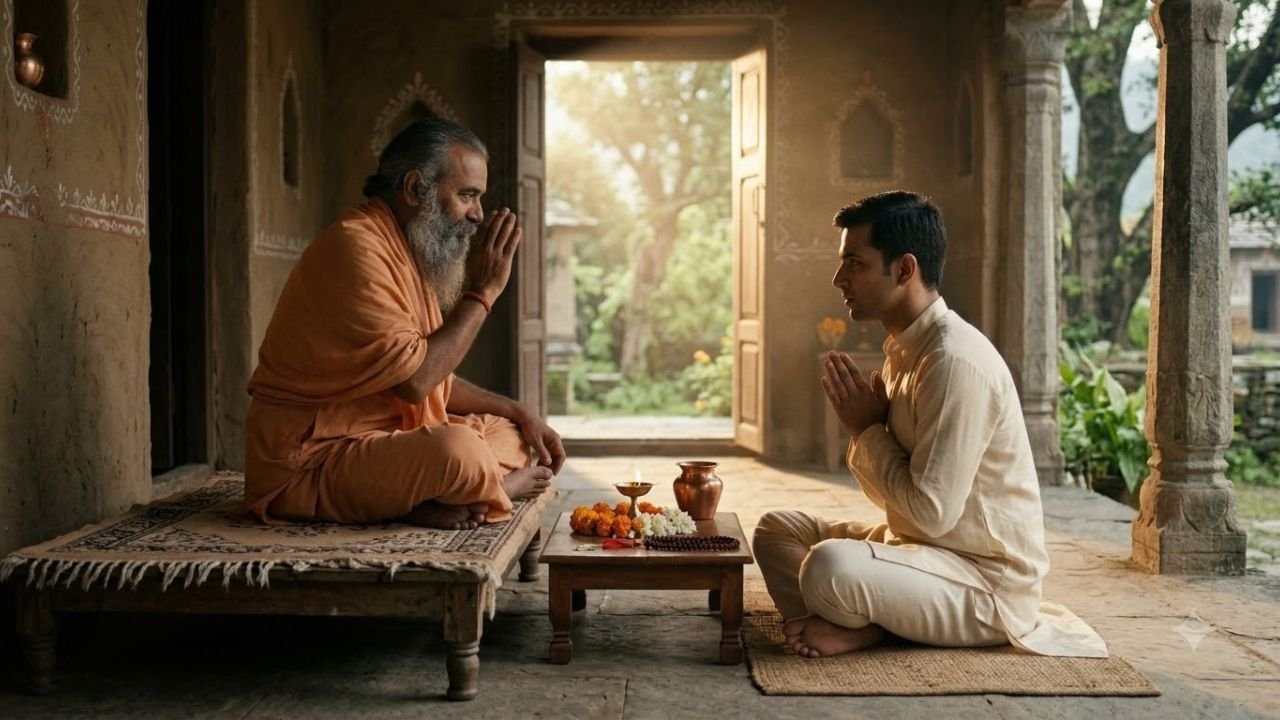
In many Hindu spiritual traditions, the guru-disciple relationship plays an important role in learning mantra practice.
A guru may explain the mantra’s meaning, teach its pronunciation, describe its place within a spiritual lineage, and provide guidance on maintaining a regular routine.
Why Is Guru Guidance Important?
Understanding the tradition: A teacher can explain whether a mantra is intended for open devotional chanting or has particular initiation requirements.
Correct method: Some traditions prescribe specific procedures. A knowledgeable teacher can explain which instructions apply to the chosen practice. Mantra Siddhi Ka Rahasya
Balanced expectations: A responsible teacher can help a student avoid unrealistic expectations about miraculous results or supernatural powers.
Personal discipline: Guidance may help a student establish a sustainable practice that fits daily responsibilities.
Not every mantra requires formal initiation. Many widely known devotional mantras are openly chanted by devotees. The need for diksha depends on the specific mantra and tradition. Mantra Siddhi Ka Rahasya
Before accepting initiation, take time to understand the teacher’s background, expectations, and approach.
Common Types of Mantra Practice
Mantras are used in several forms of Hindu spiritual practice. The following examples illustrate common categories rather than guaranteeing any particular result.
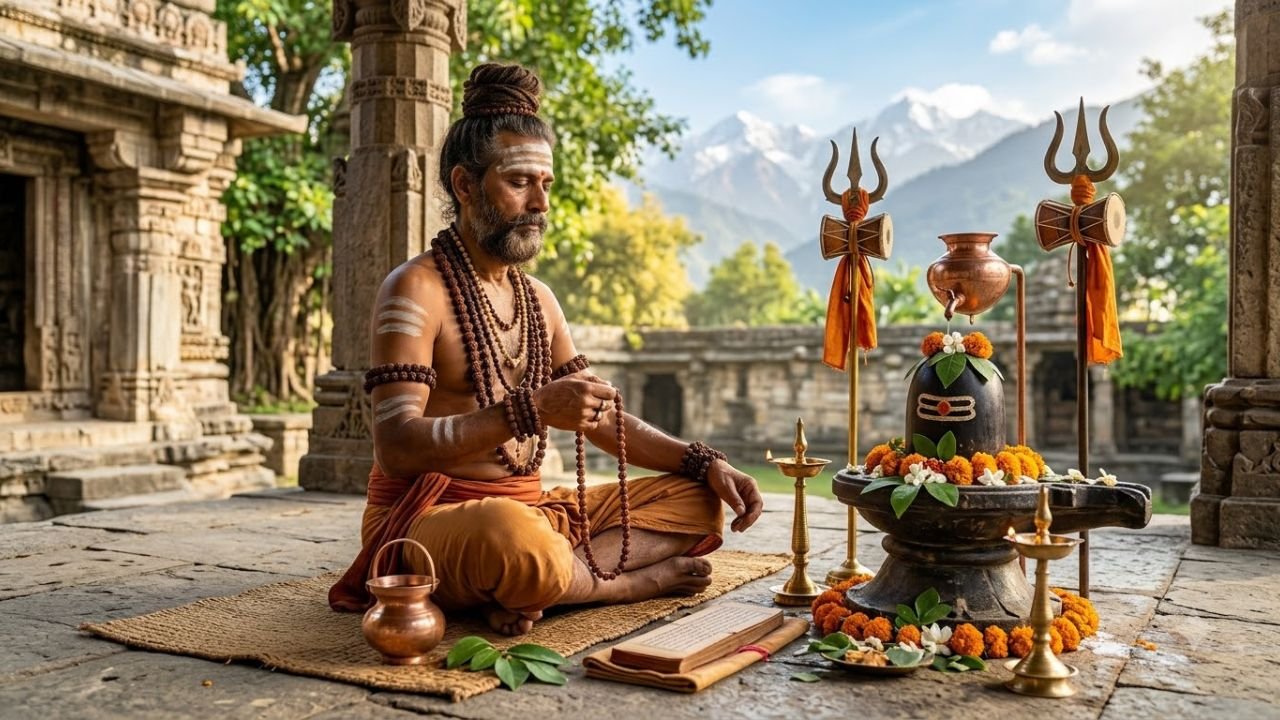
1. Devotional Mantra Jaap
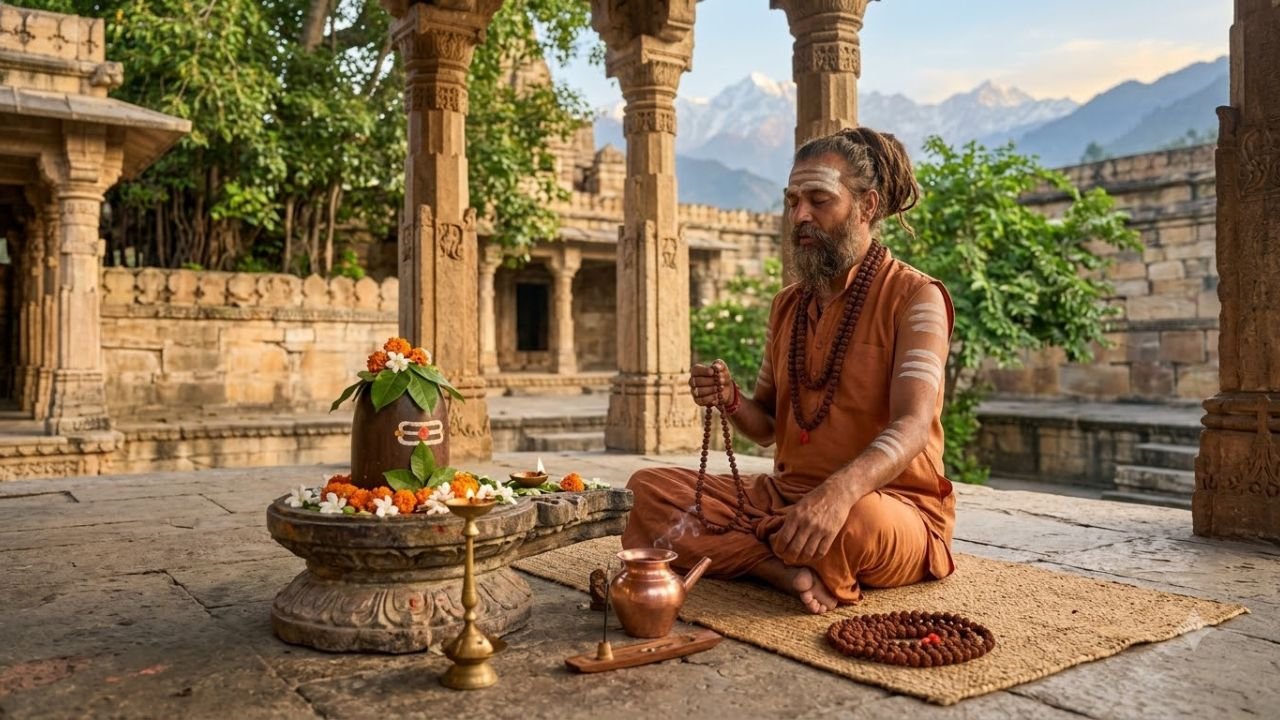
Devotional jaap involves repeating a mantra associated with a deity or a spiritual tradition.
Examples include:
- Om Namah Shivaya — associated with devotion to Lord Shiva.
- Hare Krishna Maha Mantra — widely used in Vaishnava devotional practice.
- Om Namo Bhagavate Vasudevaya — associated with Lord Vishnu and Krishna traditions.
These mantras are used by many devotees for prayer, remembrance, and meditation.
2. Meditation Mantras
Some practitioners repeat a sacred sound or phrase to give the mind a stable focus. The practice may involve quiet repetition, attention to the sound, and gently returning to the mantra when distracted.
The aim is to practise attention rather than chase unusual experiences.
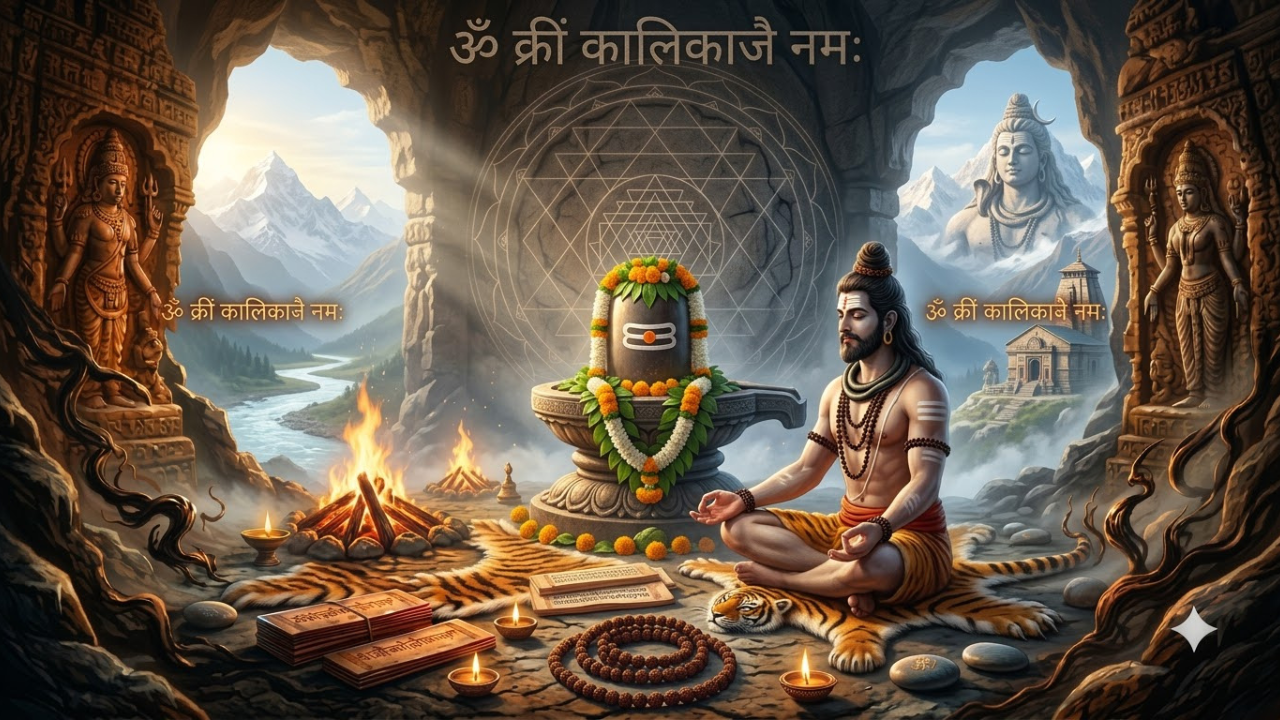
3. Tantric Mantra Practice
Tantric traditions include a variety of spiritual methods, and their practices differ across lineages. Some mantras may be connected with formal initiation, specific rituals, or detailed instructions. Mantra Siddhi Ka Rahasya
Beginners should not assume that every online ritual or set of instructions is authentic or appropriate. Learn about the tradition and seek guidance from a qualified teacher before attempting specialised practices.
Traditional Guidelines for Mantra Practice
Although there is no single set of rules for every mantra, the following general guidelines can help establish a respectful routine.
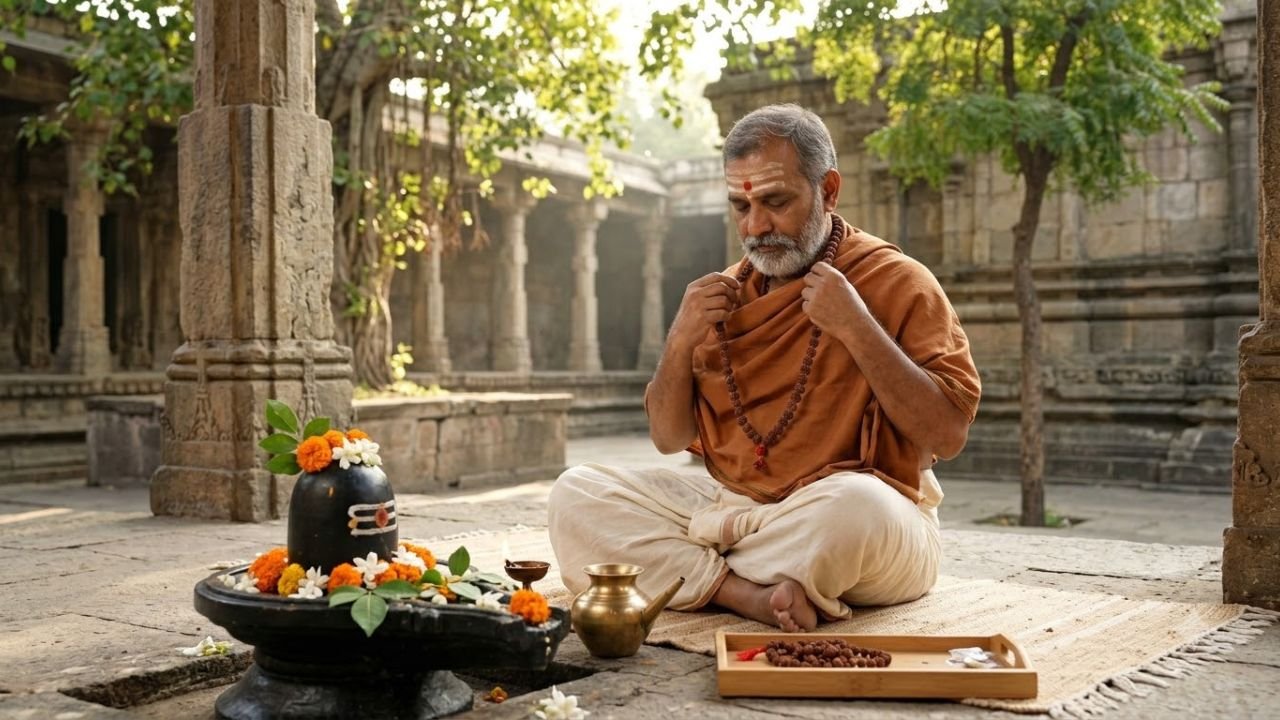
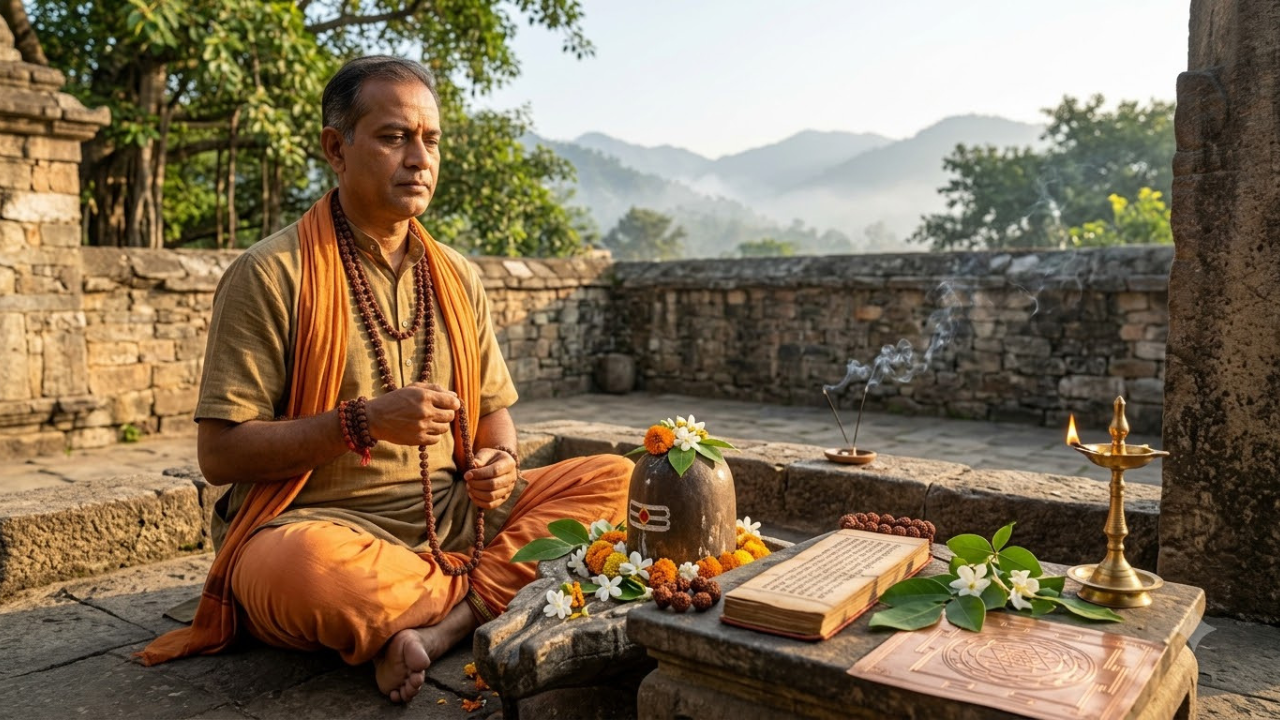
Choose a Quiet Place
Select a clean, peaceful location where you can sit without frequent interruptions. A prayer room or a simple meditation corner is suitable, but a special room is not essential. Mantra Siddhi Ka Rahasya
Maintain a Comfortable Posture
Sit on a cushion, mat, or chair. Keep your back comfortably straight and relax your shoulders. Avoid postures that cause pain or strain.
Choose a Realistic Time
Early morning and evening are common times for prayer and meditation. Choose a time that fits your schedule and is easy to maintain.
Specific mantras may have traditional timing requirements, so follow appropriate instructions where relevant.
Pronounce the Mantra Carefully
Learn the correct pronunciation from a reliable source or knowledgeable teacher. Do not rush through the mantra simply to complete a particular count. Mantra Siddhi Ka Rahasya
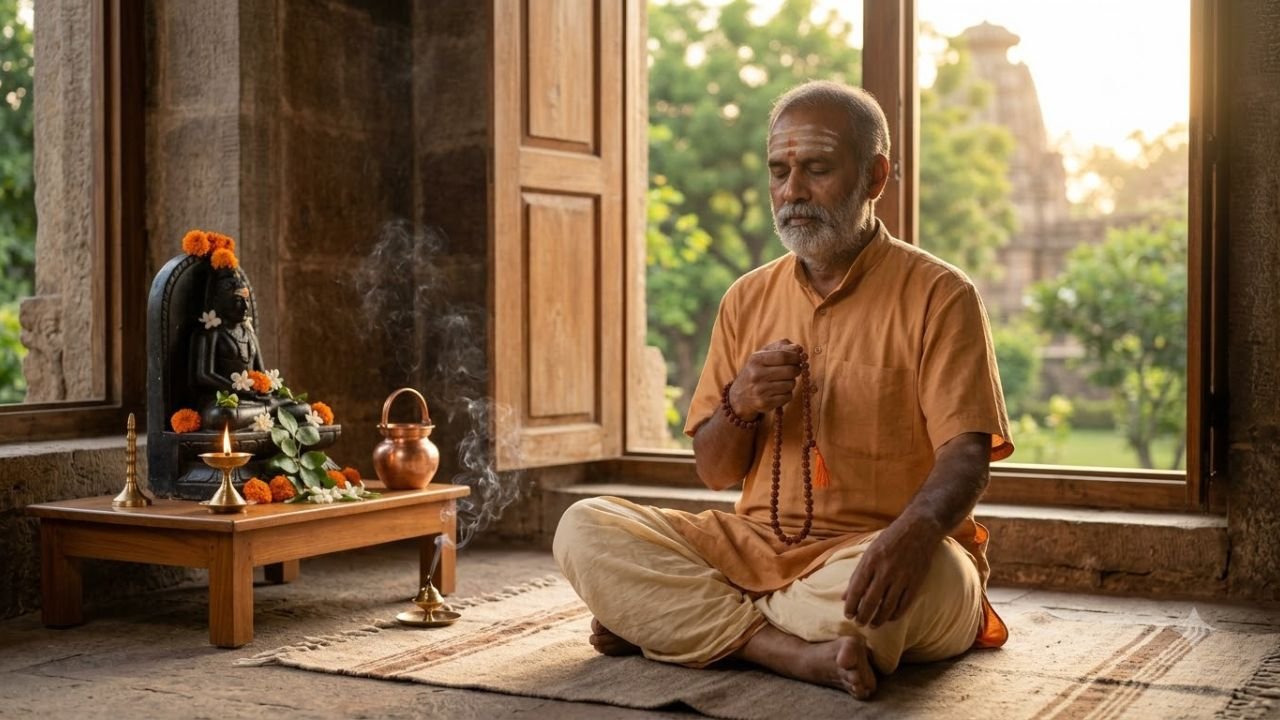
Use a Mala if Helpful
A mala is a traditional string of beads used to count repetitions. A common mala has 108 beads, but this count is not compulsory for every practice.
You may use a mala if it is appropriate for your tradition, or chant for a fixed period instead.
Practise Without Fear
An ordinary distraction or an accidental mistake should not automatically be interpreted as a sign of spiritual danger. If your tradition has particular observances, ask a knowledgeable teacher how to follow them sensibly.
How Long Does It Take to Achieve Mantra Siddhi?
There is no universally accepted timeline for mantra siddhi. Some traditions prescribe a particular period or number of repetitions for a specific practice, but these requirements vary. Mantra Siddhi Ka Rahasya
A set period of 21, 40, or another number of days should not be treated as a guarantee of spiritual attainment or supernatural results.
Instead of measuring success only through a deadline, consider whether you are developing a consistent routine, understanding the mantra more clearly, and applying your spiritual values in everyday life.
If you miss a session, you can return to your practice without unnecessary guilt. A balanced routine is more sustainable than one based on fear or pressure. Mantra Siddhi Ka Rahasya
Common Misunderstandings About Mantra Siddhi
Several misconceptions can lead people to unrealistic expectations.
Misunderstanding 1: Every Mantra Gives Supernatural Powers
Traditional texts and stories sometimes describe extraordinary siddhis. However, these accounts do not establish that chanting a mantra will produce supernatural abilities in real life.
Misunderstanding 2: More Repetitions Always Mean Faster Results
A larger repetition count does not guarantee a particular result. The correct method depends on the mantra and tradition, and excessive practice should not interfere with sleep, health, or daily responsibilities.
Misunderstanding 3: A Mantra Can Solve Every Problem
Mantra practice may be meaningful as a form of devotion and reflection, but it cannot guarantee wealth, relationships, employment, or success. Practical effort and informed decisions remain essential. Mantra Siddhi Ka Rahasya
Misunderstanding 4: Only a Secret Mantra Is Powerful
A mantra’s value depends on its role within a tradition and the practitioner’s approach. Public devotional mantras can also be meaningful to those who chant them sincerely.
Misunderstanding 5: Every Spiritual Experience Proves Siddhi
Feelings of calm, emotion, warmth, or unusual dreams can have different explanations. Such experiences alone do not prove spiritual attainment. Avoid making major decisions based solely on them. Mantra Siddhi Ka Rahasya
What Are the Possible Benefits of Regular Mantra Jaap?
People practise mantra jaap for different spiritual and personal reasons. Regular chanting may offer some practical benefits:
- A structured routine: Setting aside time for chanting can encourage consistency.
- Focused attention: Repeating a phrase gives the mind a point to return to.
- Devotional connection: For believers, chanting can provide time for prayer and remembrance.
- Personal reflection: A quiet session may create space to consider thoughts and actions.
- Patience and discipline: Maintaining a regular practice may encourage these habits.
Individual experiences differ. These possible benefits do not establish that mantra siddhi or supernatural powers have occurred. Mantra practice should not replace medical care or professional help when needed.
How Beginners Can Start a Spiritual Practice
If you are new to mantra chanting, begin simply.
- Choose a commonly used devotional mantra that suits your beliefs.
- Learn its meaning and pronunciation.
- Set aside five to ten minutes in a quiet place.
- Sit comfortably and repeat the mantra at a natural pace.
- Gently return your attention when your mind wanders.
- Finish with a short period of quiet reflection.
- Continue only at a pace that fits your health and daily responsibilities.
If you want to practise a mantra that requires initiation, first learn about the tradition and consult a qualified teacher.
Frequently Asked Questions
What Is the Main Secret of Mantra Siddhi?
In traditional teachings, the main principles often include regular practice, correct understanding, patience, devotion, ethical conduct, and appropriate guidance. There is no scientifically established secret formula that guarantees supernatural results.
Can Mantra Siddhi Be Achieved at Home?
Many forms of devotional mantra jaap can be practised at home. Specialised practices may have additional traditional requirements, so learn about them before beginning. Mantra Siddhi Ka Rahasya
Is a Guru Necessary for Mantra Siddhi?
Some traditions consider a guru essential for particular mantras or initiation-based practices. Other forms of devotional chanting are open to everyone. The answer depends on the mantra and tradition.
Can Mantra Siddhi Fulfil Wishes?
People may hold spiritual beliefs about the effects of mantra practice, but there is no reliable guarantee that it will fulfil a particular wish. Combine spiritual practice with practical action and realistic expectations. Mantra Siddhi Ka Rahasya
Should I Practise Tantra for Quick Siddhi?
Tantric traditions are diverse and should not be reduced to promises of quick results. Avoid anyone who pressures you into costly rituals or guarantees powers, wealth, or instant success.
Conclusion
The deeper meaning of Mantra Siddhi Ka Rahasya lies in understanding the role of disciplined spiritual practice within the tradition you follow. Mantra jaap can provide a regular time for devotion, attention, reflection, and learning.
Choose a suitable mantra, understand its meaning, follow relevant traditional instructions, and maintain a balanced routine. If a practice requires initiation, seek guidance from a trustworthy and knowledgeable teacher. Mantra Siddhi Ka Rahasya
Remember that spiritual progress cannot be measured only by the number of repetitions or by extraordinary experiences. Patience, ethical conduct, self-awareness, and the way you live your daily life are also important parts of a meaningful spiritual journey.
For more information about Hindu spirituality, mantra traditions, and Aghori-related subjects, visit the website of Aghori Rudra Maharaj.
Website: https://www.aghorirudramaharaj.info/
Call / WhatsApp: +91-7357771057
Email: info@aghorirudramaharaj.info




Leave a Reply