
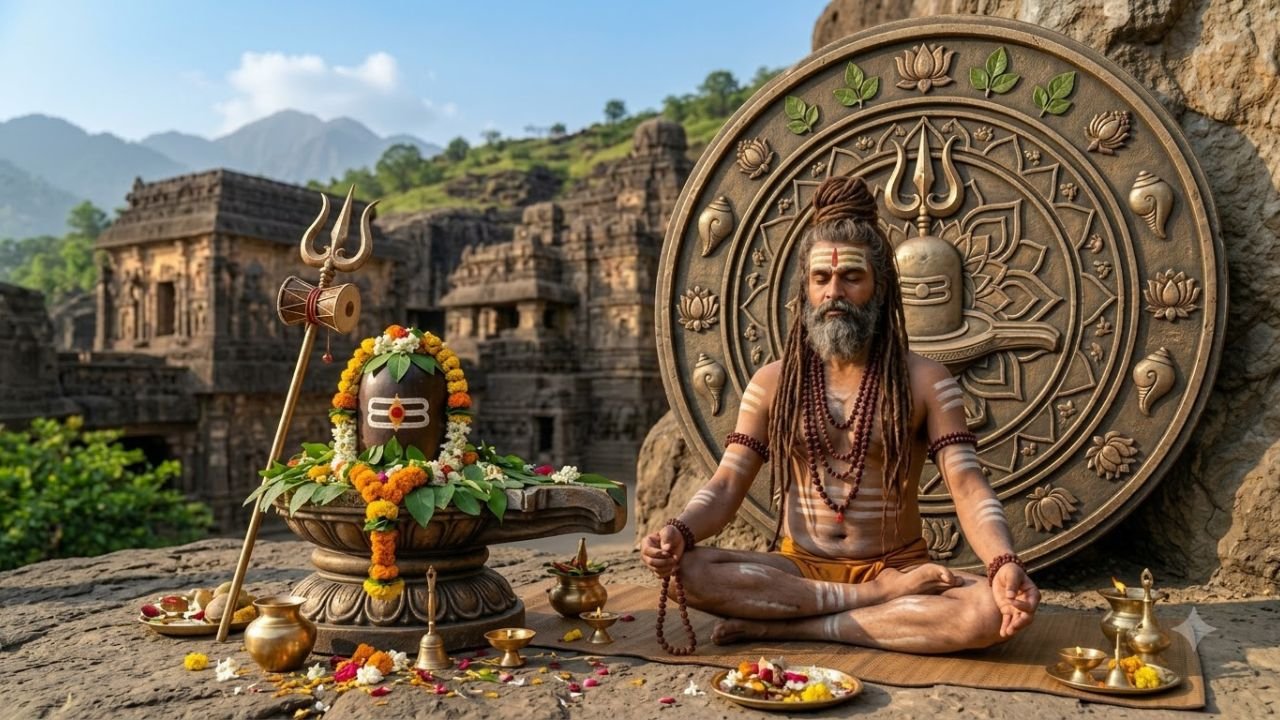
Spiritual Meaning, Aghor Tradition and the Path of Shiva
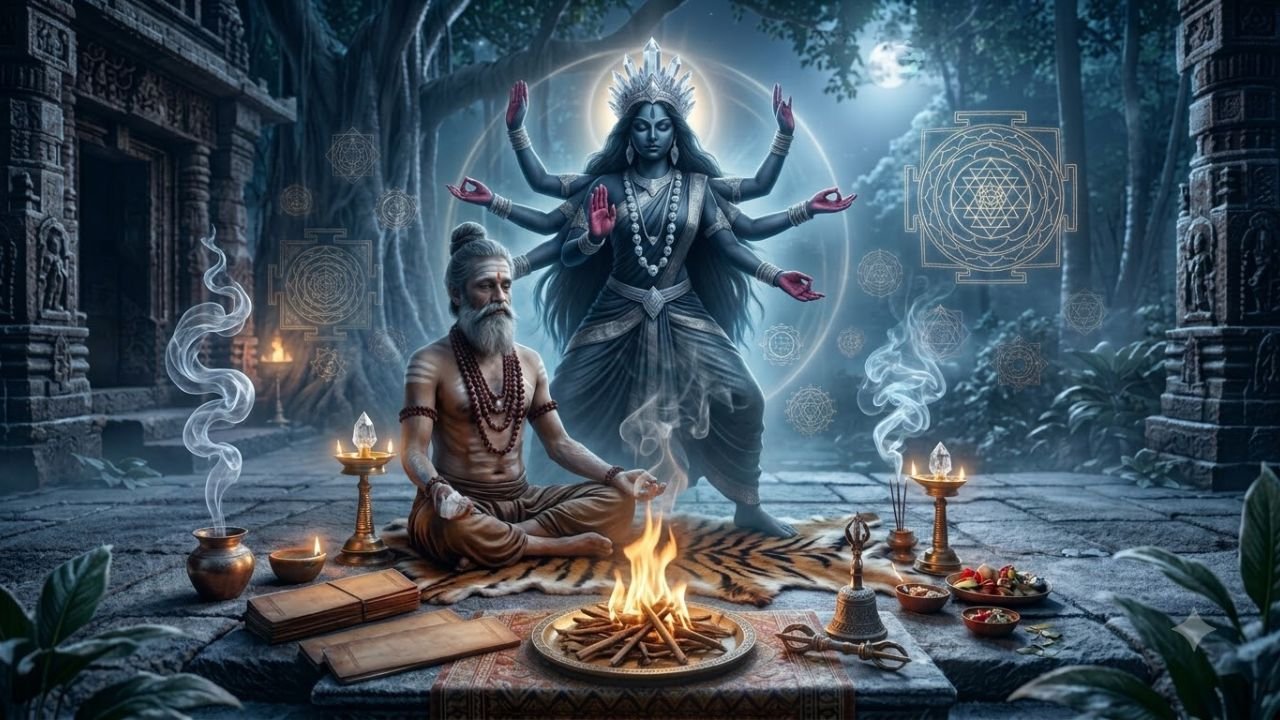
Mahakal Ki Sadhana Ka Sach is a subject that attracts people interested in Lord Shiva, Aghor, Tantra, meditation, mantras, and the deeper meaning of Indian spiritual traditions. Many people wonder what Mahakal Sadhana really means, why devotees worship Mahakal, whether special rituals are necessary, and what spiritual benefits a sincere seeker may experience.
Mahakal is a powerful form of Lord Shiva, traditionally understood as the Lord of Time. The name represents the truth that time moves everything toward change, while spiritual wisdom encourages people to look beyond fear, ego, and attachment.
In Aghor and Shiva-oriented traditions, Mahakal is associated with fearlessness, transformation, detachment, and spiritual awareness. The purpose of understanding Mahakal Sadhana is therefore not simply to discover mysterious rituals or supernatural powers. It is also to understand devotion, discipline, and the journey toward inner peace.
This article explores Mahakal Ki Sadhana Ka Sach in simple English, including its meaning, traditional practices, the importance of a Guru, common misconceptions, and its relevance in modern life. Mahakal Ki Sadhana Ka Sach
Who Is Mahakal?
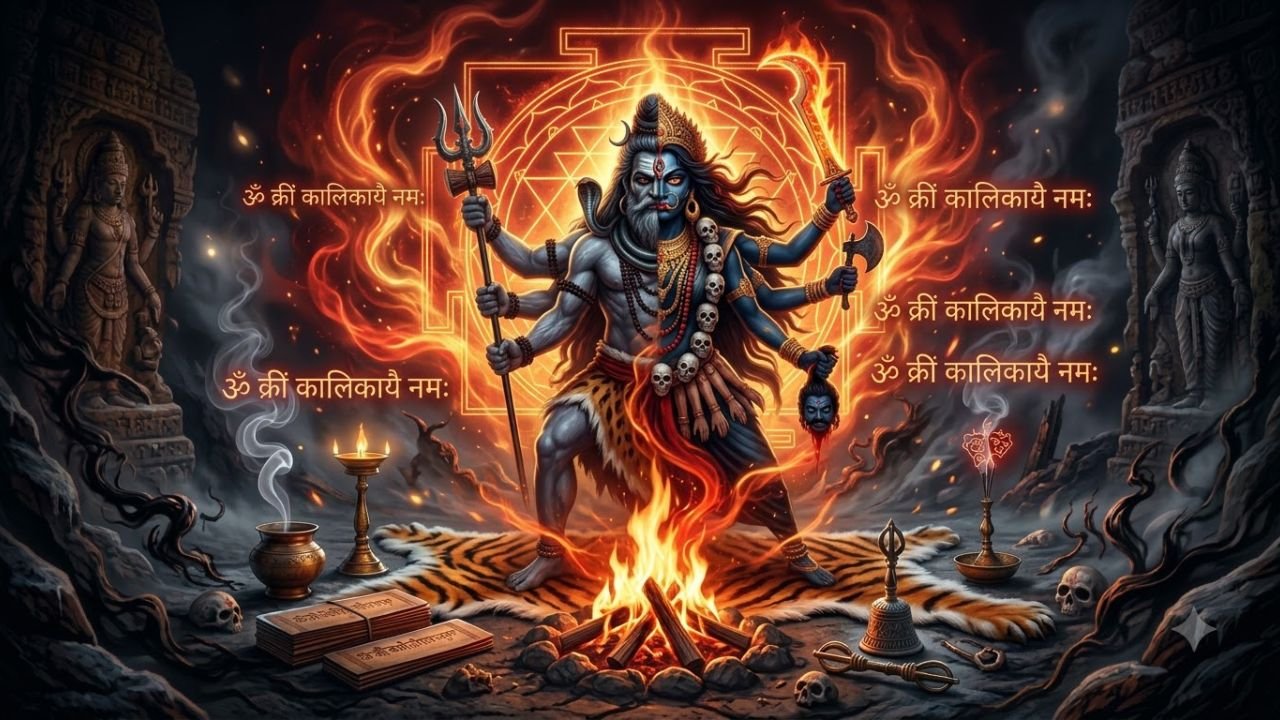
Mahakal is a revered form of Lord Shiva. The word is commonly understood as “the Great Time” or “the Lord of Time.”
In Hindu spiritual traditions, time represents the continuous process of creation, change, and dissolution. Nothing in the material world remains exactly the same forever. Youth changes into old age, circumstances change, and every living being eventually faces death.
Mahakal symbolizes the power that stands beyond ordinary human attachment to time and temporary existence.
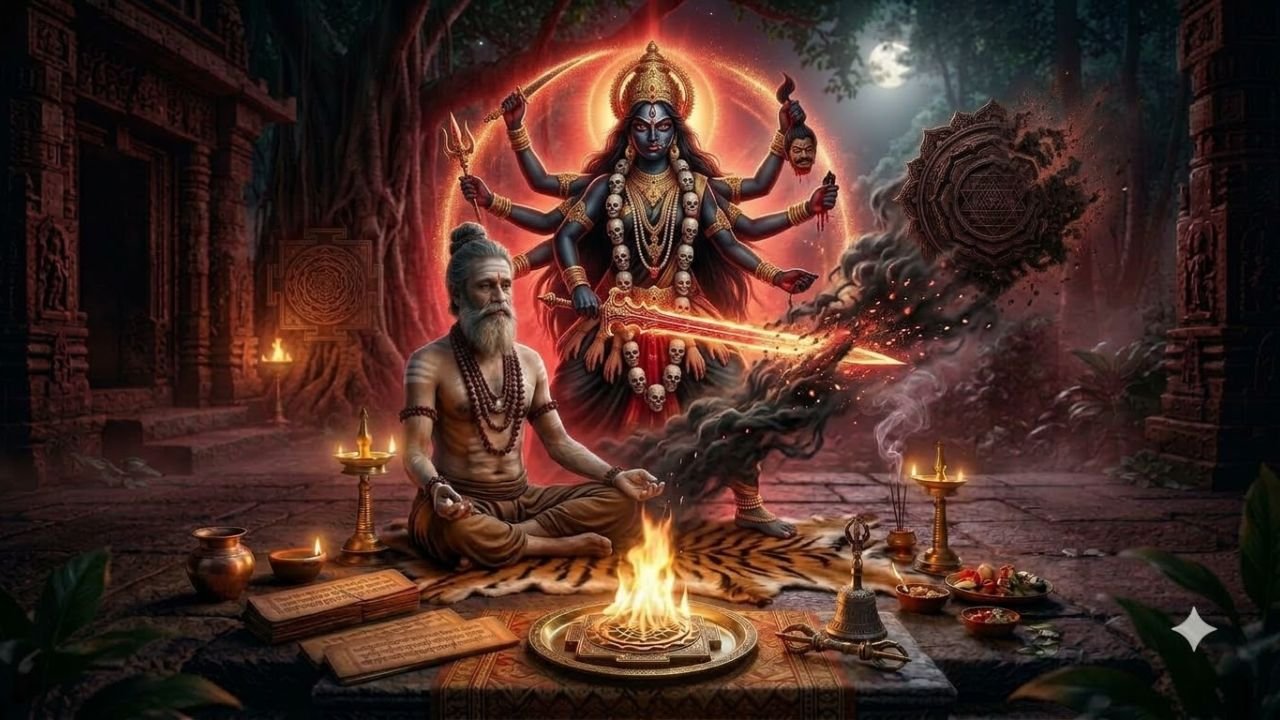
Devotees worship Mahakal for spiritual strength, protection, courage, and blessings. His fierce appearance is not necessarily a symbol of destruction alone. It can also represent the destruction of ignorance, ego, fear, and harmful attachments. Mahakal Ki Sadhana Ka Sach
What Is Mahakal Sadhana?
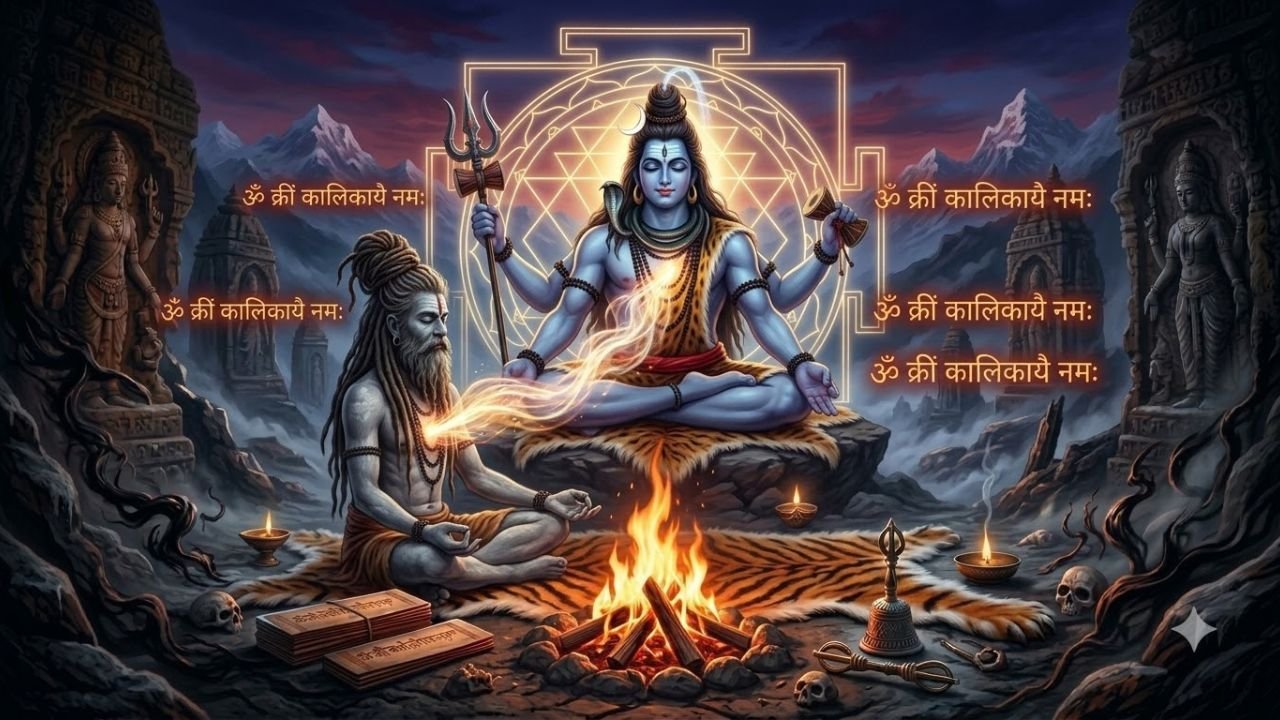
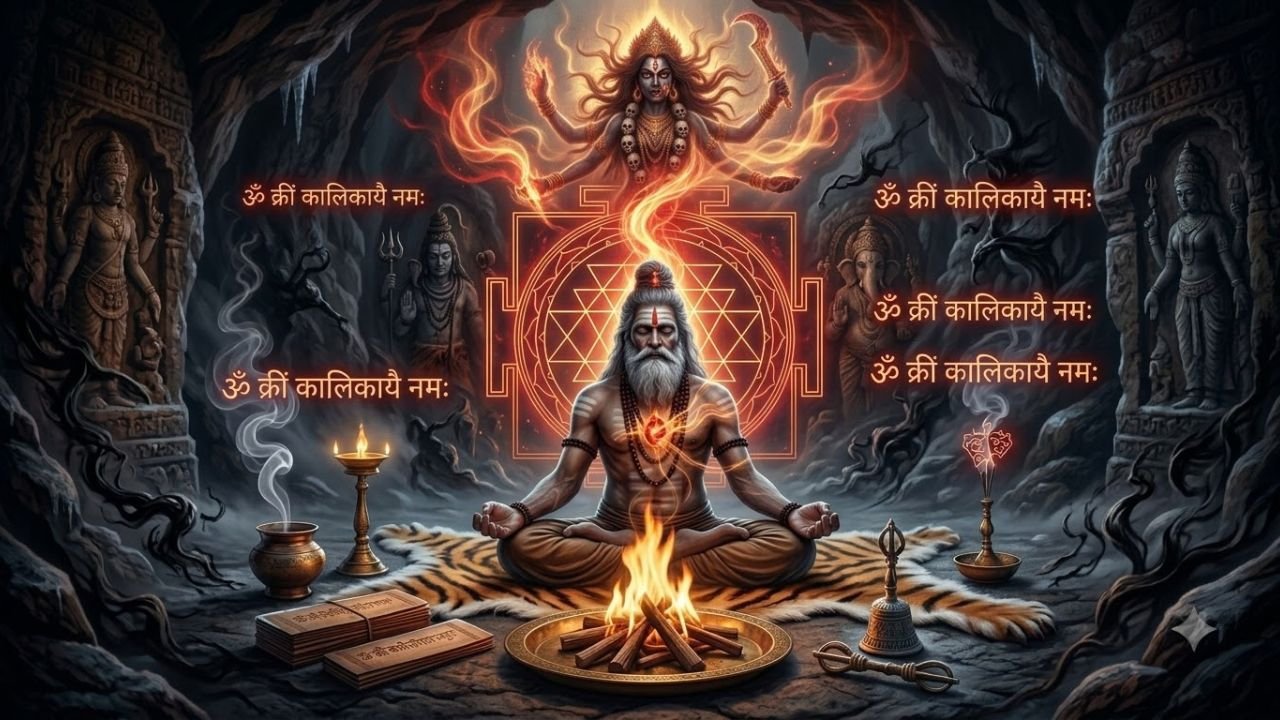
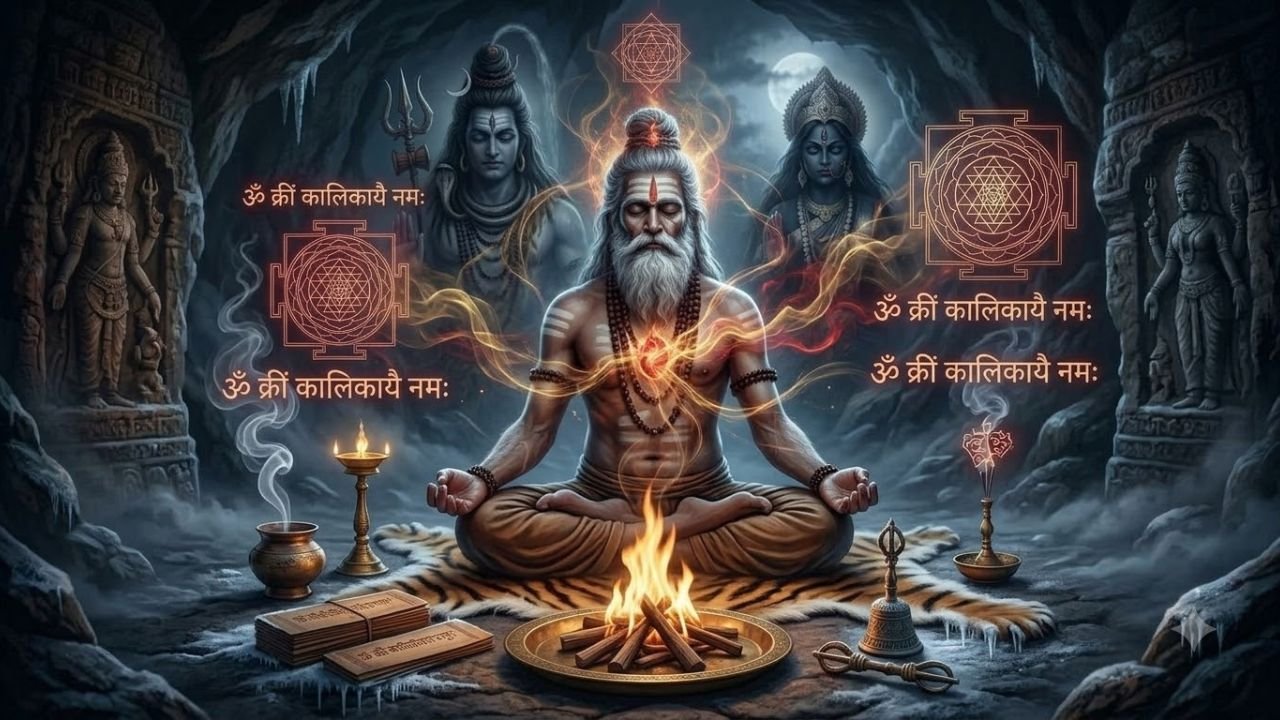
Mahakal Sadhana refers to disciplined spiritual practice connected with devotion to Lord Shiva in his Mahakal form.
The word Sadhana means a regular spiritual practice performed with dedication and a clear intention.
Depending on the tradition, Mahakal-related spiritual practice may include:
- Prayer and devotion to Lord Shiva.
- Repetition of traditional Shiva mantras.
- Meditation and quiet contemplation.
- Worship of the Shiva Lingam.
- Reading or listening to Shiva-related spiritual texts.
- Practising self-discipline and ethical living.
- Reflecting on impermanence, fear, and attachment.
Different Shaiva and tantric traditions follow different methods. There is no single ritual that represents every form of Mahakal worship.
The deeper purpose of Sadhana is to develop a sincere relationship with the divine and bring spiritual values into everyday life.
Mahakal Ki Sadhana Ka Sach: Beyond Mystery and Fear
When people search for Mahakal Ki Sadhana Ka Sach, they may expect secret rituals, extraordinary powers, or dramatic supernatural experiences. Mahakal Ki Sadhana Ka Sach
However, the spiritual meaning of Sadhana is much broader.
1. The Truth About Fearlessness
Mahakal is traditionally associated with overcoming the fear of death and change.
Human beings often worry about losing money, relationships, social status, health, or security. These concerns are a natural part of life, but excessive fear can affect decision-making and peace of mind.
Contemplating Mahakal can remind devotees that change is unavoidable. Rather than living constantly in fear, a person can learn to respond to difficulties with greater courage and awareness. Mahakal Ki Sadhana Ka Sach
2. The Truth About Ego
Another important theme is the reduction of ego.
Ego can make people believe that success, wealth, status, or personal achievements define their entire identity.
Mahakal’s association with time reminds devotees that worldly circumstances are temporary.
From this perspective, spiritual practice encourages humility, gratitude, and a more balanced relationship with success and failure.
3. The Truth About Inner Transformation
Sadhana is not simply about performing an external ritual. It can also be a process of examining one’s own thoughts, habits, and actions.
A sincere practitioner may use prayer and meditation to develop patience, self-control, compassion, and a clearer understanding of personal responsibilities. Mahakal Ki Sadhana Ka Sach
These changes are practical ways to bring spiritual values into everyday life.
The Connection Between Mahakal and Aghor Sadhana
Mahakal and Aghor are closely connected in many Shiva-oriented spiritual discussions.
The Aghor tradition is associated with Lord Shiva and is often described through the ideas of fearlessness, detachment, acceptance, and moving beyond rigid distinctions. Mahakal Ki Sadhana Ka Sach
The website of Aghori Rudra Maharaj discusses Aghor Sadhana in relation to Shiva, spiritual discipline, meditation, and inner transformation. It also explains why Aghor should not be reduced to frightening imagery or sensational claims.
Reference: Aghori Rudra Maharaj and Sadhana.
Why Is Mahakal Important in Aghor?
Mahakal represents the reality of time, death, and transformation. These themes are important in Aghor-oriented spiritual reflection.
The cremation ground, which appears in some Aghor traditions, can symbolize the temporary nature of the physical body and worldly identity.
Its spiritual significance is not simply about creating fear. It can serve as a reminder that possessions, appearances, and social status do not last forever.
However, not every Aghori follows identical practices, and the cremation ground is not a requirement for ordinary devotees who wish to worship Mahakal. Mahakal Ki Sadhana Ka Sach
The Role of Mantra in Mahakal Sadhana
Mantra is an important part of many Hindu devotional traditions.
One widely known mantra associated with Shiva is:
Om Namah Shivaya
It is traditionally used as an expression of reverence toward Lord Shiva.
Devotees may repeat this mantra during prayer, meditation, or personal worship. Regular repetition can provide a focus for attention and help establish a consistent devotional routine. Mahakal Ki Sadhana Ka Sach
Some devotees also worship Mahakal through prayers, hymns, and Shiva-related devotional texts.
It is important to distinguish ordinary devotional chanting from specialised tantric practices. Particular tantric mantras may have specific rules and traditional contexts. Advanced practices should not be copied blindly from online videos or websites.
Is Mahakal Sadhana Possible for Beginners?
Yes. A beginner can start with simple, familiar forms of Shiva devotion without attempting complicated tantric rituals.
A peaceful daily routine might include the following steps.
Step 1: Choose a Quiet Place
Find a clean and peaceful place where you can sit comfortably without unnecessary distractions.
Step 2: Begin With Prayer
Remember Lord Shiva or Mahakal with sincerity. You may offer flowers or water during worship according to your family or temple tradition.
Step 3: Chant a Familiar Mantra
If it is part of your devotional practice, repeat “Om Namah Shivaya” calmly and attentively.
Step 4: Practise Quiet Meditation
Sit quietly for a few minutes and observe your breathing. When your attention wanders, gently bring it back to the practice.
Step 5: Apply the Teaching in Daily Life
Try to practise patience, honesty, compassion, and self-control. Spiritual discipline becomes meaningful when it influences how you treat other people. Mahakal Ki Sadhana Ka Sach
These steps are suggestions for general devotional practice, not a substitute for instruction in specialised tantric rituals.
Why Is Guru Guidance Important?
Many traditional tantric lineages place great importance on the Guru-disciple relationship.
A Guru is traditionally regarded as a spiritual teacher who helps a seeker understand a practice, its purpose, and its appropriate context.
This is especially relevant to advanced Mahakal or Aghor Sadhana because methods can differ significantly between traditions.
A responsible teacher should explain the discipline involved and encourage ethical conduct, patience, and personal responsibility.
Be cautious of anyone who guarantees instant supernatural powers, demands large payments for promised results, or uses threats to create fear. Mahakal Ki Sadhana Ka Sach
Spiritual guidance should help people develop understanding rather than make them dependent on frightening claims.
Common Myths About Mahakal Sadhana
Myth 1: Mahakal Sadhana Is Only for Aghoris
This is incorrect. Mahakal is worshipped by devotees from many backgrounds. Ordinary prayer and devotion do not require a person to become an Aghori.
Myth 2: Difficult Rituals Are Necessary for Every Devotee
No. Simple prayer, mantra chanting, temple worship, and meditation are meaningful forms of devotion for many people.
Myth 3: Mahakal Sadhana Guarantees Supernatural Powers
Traditional stories sometimes describe extraordinary spiritual attainments. However, there is no scientifically established evidence that Mahakal Sadhana guarantees supernatural abilities. Mahakal Ki Sadhana Ka Sach
Myth 4: Aghor and Black Magic Are the Same
Aghor is a spiritual tradition with its own philosophical and devotional context. It should not automatically be equated with harmful occult practices.
Myth 5: Fear Is Necessary for Spiritual Progress
Fear is not the purpose of devotion. In many Shiva-oriented traditions, Mahakal represents the courage to face difficult truths with awareness and inner steadiness.
What Are the Spiritual Benefits of Mahakal Worship?
The benefits devotees associate with Mahakal worship are primarily spiritual and personal.
A regular devotional routine may provide an opportunity to:
- Develop a stronger connection with Lord Shiva.
- Create time for reflection and prayer.
- Cultivate patience and discipline.
- Think more deeply about change and impermanence.
- Develop courage when facing uncertainty.
- Reflect on personal behaviour and responsibilities.
Individual experiences differ. These practices should not be presented as guaranteed cures for health problems, financial difficulties, or other practical challenges. Mahakal Ki Sadhana Ka Sach
Spiritual devotion can complement responsible action, but it should not replace medical care, financial planning, or professional assistance when needed.
The Deeper Meaning of Mahakal Sadhana in Modern Life
The philosophy associated with Mahakal can be meaningful even for people who live ordinary family and working lives.
The idea of time encourages people to value the present rather than constantly worrying about the past or future.
The idea of detachment encourages people to work sincerely without allowing success or failure to control their entire sense of identity. Mahakal Ki Sadhana Ka Sach
The idea of fearlessness encourages people to face difficult situations with patience instead of avoiding every challenge.
These interpretations allow the spiritual message of Mahakal to become part of daily life.
Final Thoughts: Understanding the Truth of Mahakal Ki Sadhana
Mahakal Ki Sadhana Ka Sach lies in understanding the spiritual meaning of devotion, discipline, fearlessness, and transformation rather than focusing only on secret rituals or supernatural claims.
Mahakal, the powerful form of Lord Shiva associated with time, reminds devotees that material circumstances are temporary and that wisdom requires looking beyond ego, attachment, and fear.
Within Aghor and other Shiva-oriented traditions, these themes can be explored through meditation, mantra, prayer, contemplation, and disciplined living. Specific practices differ between lineages, and advanced tantric methods require appropriate traditional guidance. Mahakal Ki Sadhana Ka Sach
The most accessible starting point for many devotees is sincere prayer, regular remembrance of Shiva, and an effort to live with honesty, compassion, and self-awareness.
Ultimately, the value of Mahakal Sadhana can be understood not only through rituals but also through the way devotion shapes a person’s attitude toward life, change, responsibility, and other people.
Reference Website: Aghori Rudra Maharaj
Website: https://www.aghorirudramaharaj.info/
Name: Aghori Rudra Maharaj
Call / WhatsApp: +91-7357771057
Email: info@aghorirudramaharaj.info

Leave a Reply