
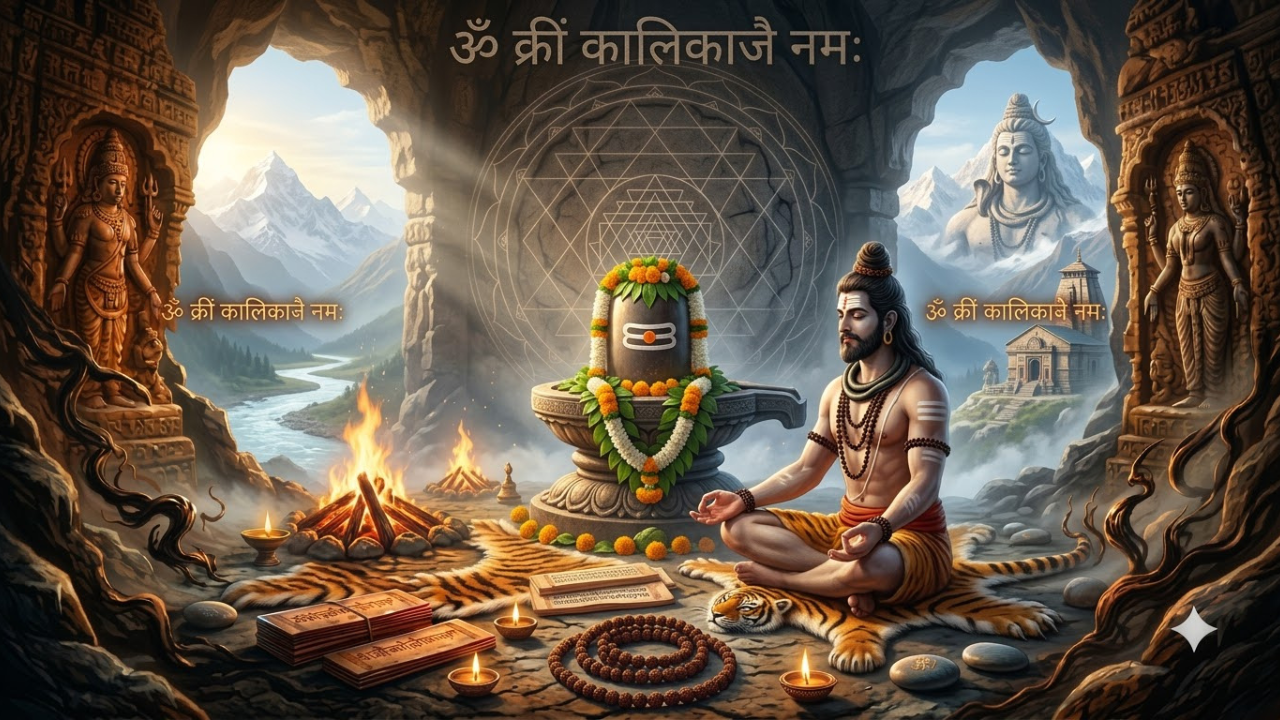
Understanding Shiva Devotion and Tantric Spiritual Practice
Shiv Bhakti Aur Tantra Sadhana are two important subjects for people interested in Lord Shiva, Indian spirituality, meditation, mantra, Aghor traditions, and inner transformation. Although devotion and Tantra may appear different at first, both can be understood as spiritual approaches that encourage discipline, concentration, self-awareness, and a deeper relationship with the divine.
Lord Shiva occupies a central place in many Shaiva and tantric traditions. He is traditionally associated with meditation, detachment, transformation, consciousness, and spiritual freedom. Tantra, meanwhile, represents a broad collection of Indian spiritual traditions that may include mantra, meditation, visualization, worship, ritual, and disciplined practice. Shiv Bhakti Aur Tantra Sadhana
The purpose of this article is to explain the relationship between Shiv Bhakti and Tantra Sadhana in simple language. It also explores the role of Shiva worship, mantra, meditation, Guru guidance, Aghor philosophy, and the practical meaning of spiritual discipline.
It is important to remember that specific tantric practices differ between traditions and lineages. Extraordinary supernatural claims found in folklore should also be distinguished from scientifically established facts. Shiv Bhakti Aur Tantra Sadhana
What Is Shiv Bhakti?
Shiv Bhakti means devotion toward Lord Shiva.
The word “Bhakti” refers to a heartfelt relationship with the divine based on devotion, faith, remembrance, prayer, surrender, and love.
For a devotee, Shiva may be understood through many forms and qualities. He can be seen as:
- The meditative yogi
- Mahadev
- Shankara
- Rudra
- The compassionate divine presence
- A symbol of transformation
- A representation of higher consciousness
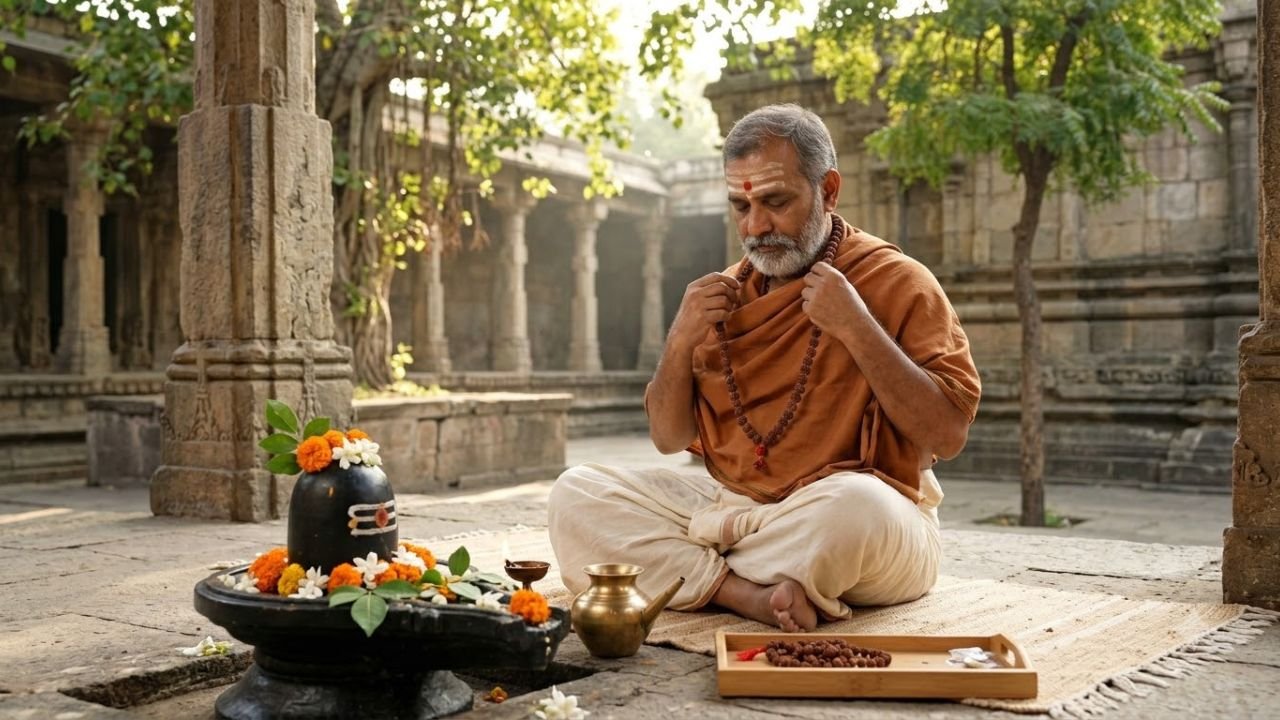
Shiv Bhakti does not necessarily require complicated rituals. A person may express devotion through prayer, mantra chanting, meditation, temple worship, reading spiritual texts, or simply remembering Shiva with sincerity. Shiv Bhakti Aur Tantra Sadhana
The Inner Meaning of Shiva Bhakti
The deeper meaning of devotion is not only asking God for something.
Bhakti can also involve surrender, humility, gratitude, patience, and self-reflection.
A devotee may gradually learn to accept that not everything in life can be controlled. This can encourage inner calm and reduce excessive attachment to outcomes.
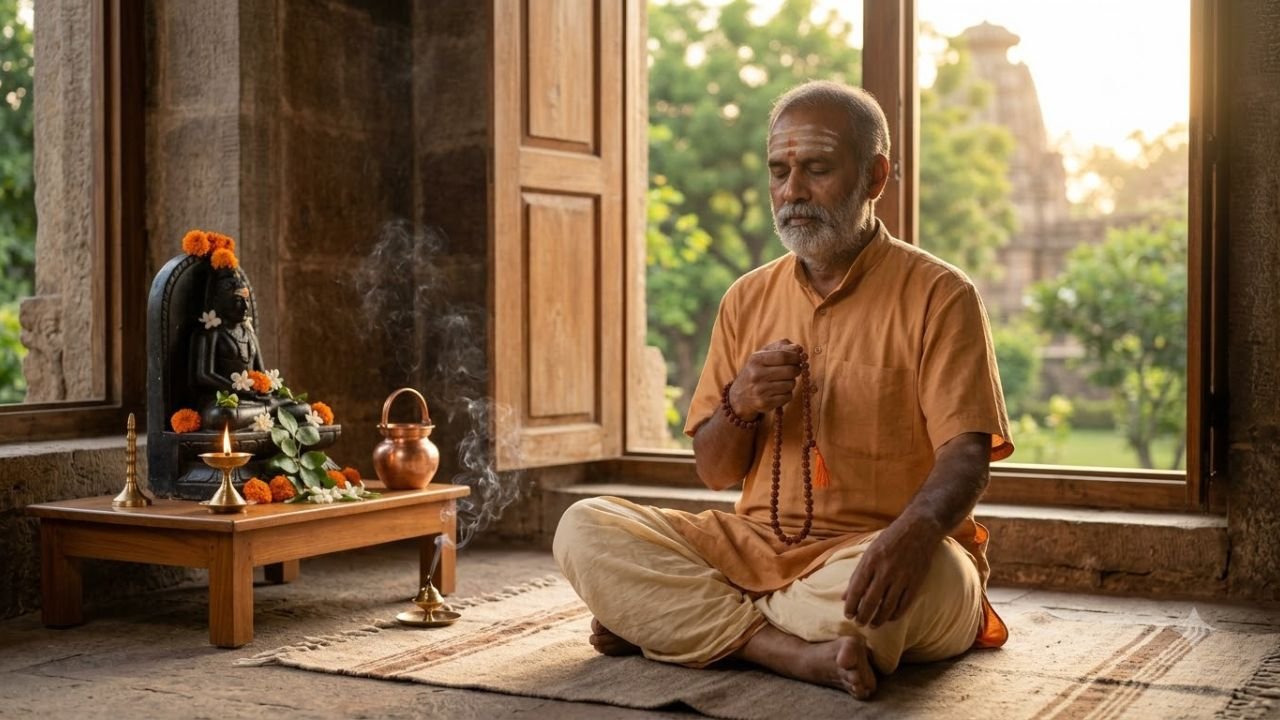
For many people, repeating a Shiva mantra or spending a few quiet minutes in meditation can become a regular spiritual practice.
What Is Tantra Sadhana?
Tantra Sadhana can broadly be understood as disciplined spiritual practice within a particular tantric tradition.
The exact form of Tantra Sadhana varies considerably between schools and lineages. Depending on the tradition, it may include:
- Mantra
- Meditation
- Visualization
- Yantra
- Deity worship
- Prayer
- Concentration
- Ritual practice
- Breath awareness
- Spiritual discipline
The Aghori Rudra Maharaj website similarly describes Tantra as a broad spiritual tradition rather than simply equating it with black magic. Shiv Bhakti Aur Tantra Sadhana
This distinction is important because popular culture often presents Tantra only through mysterious or frightening imagery.
Is Tantra the Same as Black Magic?
No.
Tantra is a much broader subject.
Some people associate certain occult practices with Tantra, but it is inaccurate to describe every tantric tradition as black magic.
Many tantric practices are concerned with meditation, devotion, mantra, consciousness, visualization, spiritual discipline, and transformation.
Therefore, anyone studying Shiv Bhakti Aur Tantra Sadhana should first understand the diversity of tantric traditions.
The Connection Between Shiv Bhakti and Tantra Sadhana
The connection between Shiva devotion and Tantra becomes clearer when we look at the role of Shiva in various Shaiva and tantric traditions. Shiv Bhakti Aur Tantra Sadhana
Shiva is traditionally regarded as an important divine figure within numerous tantric systems. In these traditions, spiritual practice may combine devotion, mantra, meditation, visualization, and ritual discipline.
This means that Tantra does not necessarily have to be separated from Bhakti.
A practitioner may approach Shiva through both:
Bhakti — devotion and surrender
and
Sadhana — disciplined spiritual practice
The two approaches can complement each other within traditions that combine them.
Shiva as a Symbol of Meditation
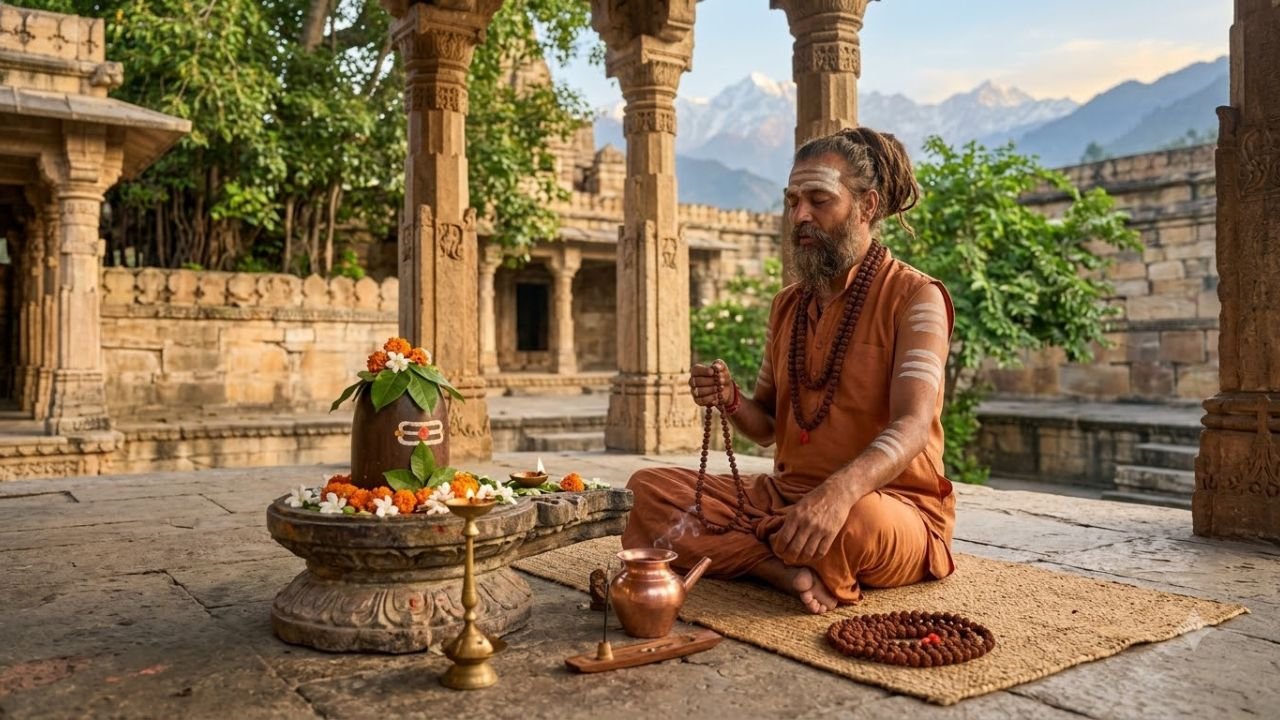
One of the most recognizable images of Shiva is that of a deeply meditative yogi.
This image has significant spiritual meaning.
Meditation represents turning attention inward rather than constantly searching for satisfaction outside oneself.
For a Shiva devotee, meditation can become an opportunity to:
- Quiet the mind
- Observe thoughts
- Develop concentration
- Practice patience
- Remember the divine
- Reflect on impermanence
- Develop inner awareness
This does not require extraordinary experiences.
In fact, the regularity of practice may be more important than dramatic experiences.
The Role of Mantra in Shiv Bhakti
Mantra is an important part of many Shiva devotional traditions.
One of the most widely known Shiva mantras is “Om Namah Shivaya.”
It is traditionally used as a devotional expression and can be repeated during prayer or meditation.
Mantra practice may help create a regular spiritual routine. Repetition can also provide an object of concentration for the mind.
For many devotees, the purpose is not to obtain instant supernatural powers. Instead, mantra can become a way of remembering Shiva and developing devotion and mental focus. Shiv Bhakti Aur Tantra Sadhana
Mantra and Tantra Sadhana
Mantra also has an important place in many tantric traditions.
However, specific tantric mantras may have particular rules, pronunciations, initiation requirements, or ritual contexts depending on the lineage.
For this reason, advanced practices should not simply be copied from random websites or social media posts.
Traditional tantric systems often place importance on Guru guidance and proper transmission.
What Is the Role of a Guru?
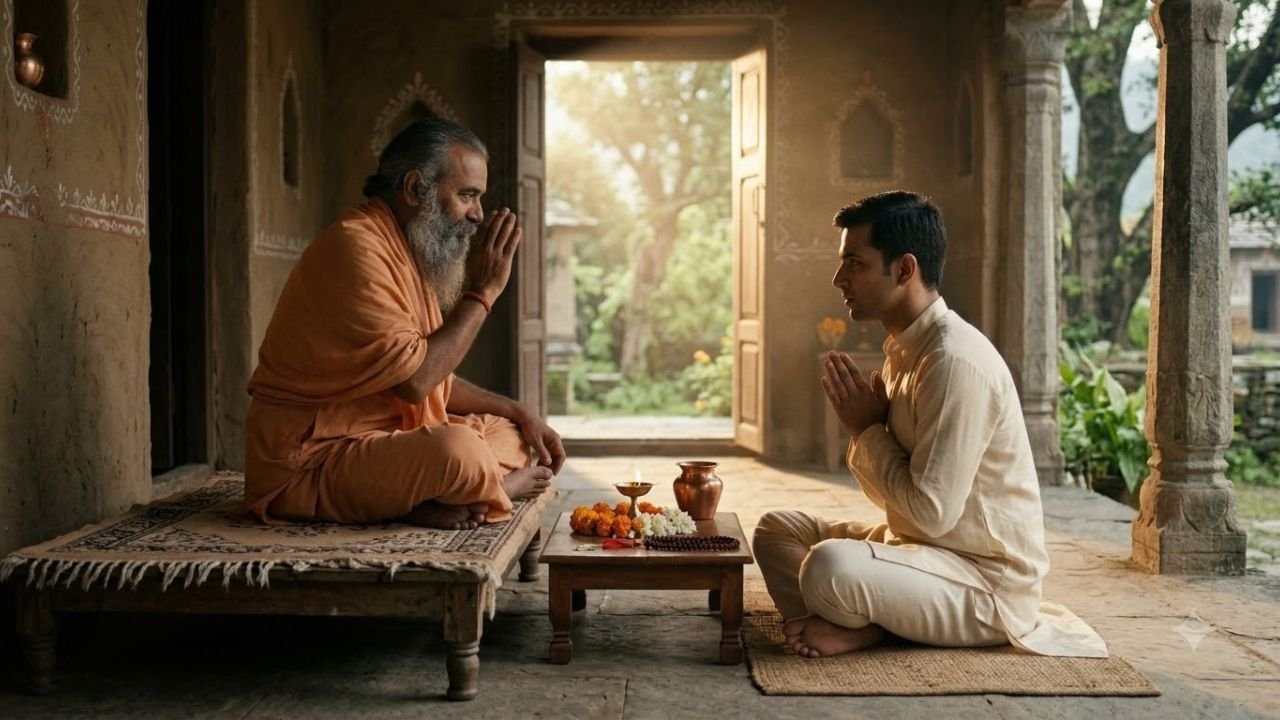
The Guru-disciple relationship is an important feature of many Indian spiritual and tantric traditions.
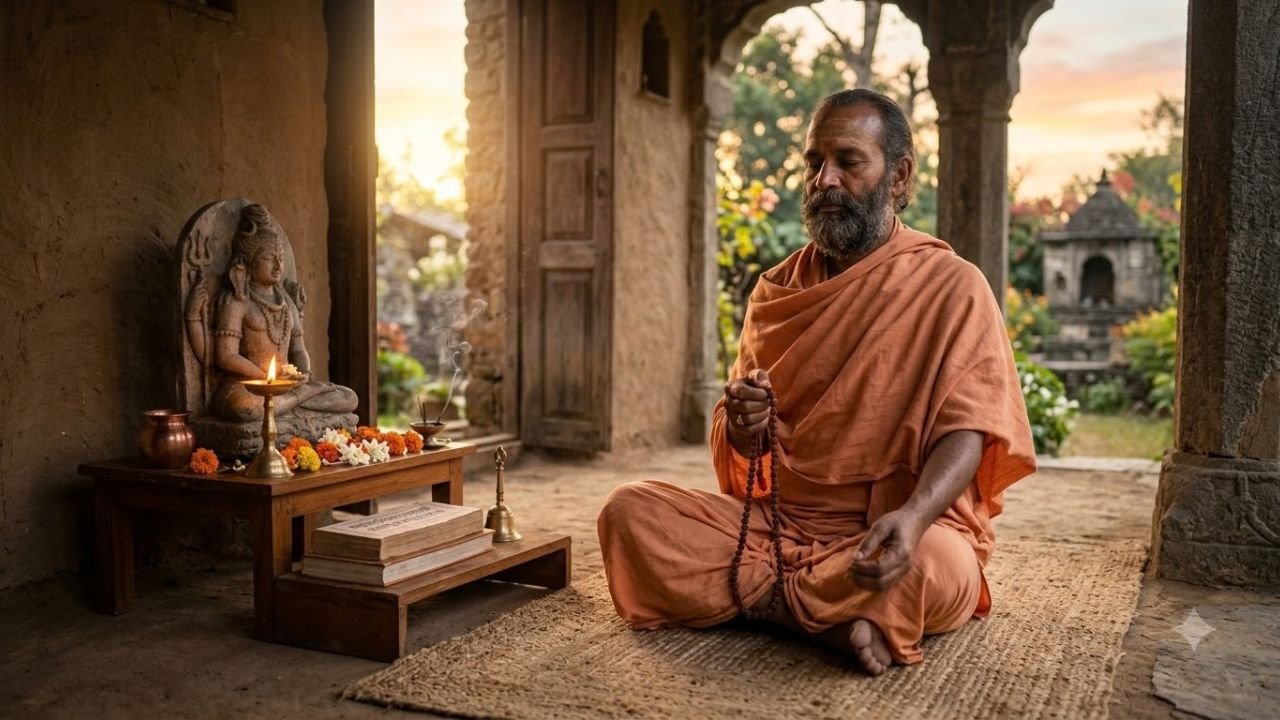
A Guru is traditionally regarded as a teacher who guides a seeker through spiritual practice.
This can be especially relevant in Tantra because practices may involve detailed procedures and concepts that are difficult to understand without context. Shiv Bhakti Aur Tantra Sadhana
A knowledgeable teacher may help a practitioner understand:
Spiritual Discipline
How to maintain regularity and patience.
Mantra Practice
How a particular traditional practice is understood and followed.
Meditation
How to develop concentration and awareness.
Spiritual Experiences
How to interpret experiences without immediately assuming that every unusual sensation has a supernatural explanation.
Personal Conduct
How spiritual practice should be connected with ethical and responsible living.
The reference material associated with Aghori Rudra Maharaj also emphasizes the importance of guidance when discussing specialised spiritual practices. Shiv Bhakti Aur Tantra Sadhana
Shiv Bhakti in Aghor Tradition
Aghor is commonly associated with Shiva-oriented spirituality.
Popular culture often focuses on unusual external aspects of Aghori life, but the philosophical discussion of Aghor can be much broader.
The Aghori Rudra Maharaj website describes Aghor in connection with themes such as fearlessness, detachment, meditation, spiritual discipline, self-awareness, and transformation.
Shiva is central to this spiritual framework.
From this perspective, Shiv Bhakti is not simply about performing a ritual. It can also involve developing a deeper relationship with fear, attachment, impermanence, and the mind. Shiv Bhakti Aur Tantra Sadhana
The Meaning of Aghor and Shiva
The word Aghor is traditionally associated with moving beyond fear, aversion, and rigid distinctions.
This idea can be connected with Shiva because Shiva is often represented as a deity who transcends ordinary social and material categories.
Aghor-oriented philosophy may encourage the seeker to examine:
- Fear of death
- Attachment to possessions
- Ego
- Social conditioning
- Excessive desire
- Fear of change
- Attachment to identity
This does not mean that every person needs to follow an Aghori lifestyle.
Instead, these ideas can be studied philosophically and applied to ordinary life.
Shiv Bhakti and Inner Transformation
One of the most meaningful aspects of devotion is inner transformation.
A person may begin spiritual practice because they want success, peace, protection, or answers to a personal problem.
Over time, however, devotion may become less about receiving something and more about changing oneself.
A sincere devotional practice may encourage qualities such as:
- Patience
- Compassion
- Humility
- Self-control
- Gratitude
- Discipline
- Acceptance
This is where Shiv Bhakti can become a deeper spiritual journey.
Tantra Sadhana and Mental Focus
Another important aspect of Sadhana is concentration.
Modern life creates constant distractions through phones, social media, work, entertainment, and information.
A regular period of meditation, prayer, or mantra repetition can create a structured opportunity for quiet attention.
This does not require belief in supernatural powers.
The practical experience of sitting quietly, repeating a mantra, and observing one’s thoughts can itself be meaningful.
The Aghori Rudra Maharaj material similarly describes spiritual practice in terms of discipline, meditation, mantra, and awareness rather than reducing it to supernatural claims. Shiv Bhakti Aur Tantra Sadhana
Common Misconceptions About Shiv Bhakti Aur Tantra Sadhana
Myth 1: Tantra Is Only About Secret Rituals
Tantra includes many different philosophies and practices. It cannot be reduced to mysterious rituals.
Myth 2: Every Tantric Practitioner Is an Aghori
No.
Aghor represents a particular spiritual tradition, while Tantra includes numerous schools and approaches.
Myth 3: Shiv Bhakti Requires Complicated Rituals
Not necessarily.
Simple prayer, remembrance, meditation, temple worship, and sincere devotion can all be forms of Bhakti.
Myth 4: Tantra Automatically Gives Supernatural Powers
Stories about supernatural abilities occur in religious literature and folklore, but extraordinary claims should not be presented as scientifically established facts. Shiv Bhakti Aur Tantra Sadhana
Myth 5: Aghor Is Only About Cremation Grounds
This is an incomplete understanding.
The philosophical discussion of Aghor also includes fearlessness, detachment, awareness, transformation, and Shiva-oriented spirituality.
How Beginners Can Start a Shiva Spiritual Practice
Someone who is new to Shiv Bhakti Aur Tantra Sadhana does not need to begin with complicated practices.
A simple approach can include:
1. Create a Quiet Space
Choose a clean and peaceful place for prayer or meditation.
2. Begin With Devotion
Spend a few minutes remembering Shiva with sincerity.
3. Practice a Familiar Mantra
A person may use a simple traditional Shiva mantra such as Om Namah Shivaya as part of devotional prayer.
4. Sit Quietly
After prayer or mantra repetition, remain silent for a few minutes and observe the breath.
5. Maintain Regularity
A short practice performed regularly can be more sustainable than an extreme practice performed occasionally.
6. Learn Before Attempting Advanced Tantra
Specialised tantric practices should be learned through appropriate traditional guidance rather than copied from unknown online sources.
What Is the Real Purpose of Sadhana?
The word Sadhana refers broadly to disciplined spiritual practice.
Its purpose depends on the tradition.
For some people, it may be devotion. For others, meditation, self-awareness, spiritual growth, or liberation may be central.
From a practical perspective, Sadhana can be understood as the process of repeatedly directing one’s attention toward a chosen spiritual goal. Shiv Bhakti Aur Tantra Sadhana
This requires discipline.
A person cannot expect deep transformation simply by performing a ritual once.
Shiv Bhakti Aur Tantra Sadhana in Modern Life
The principles behind Shiva devotion and spiritual discipline can also be applied to modern life.
A person can practice:
Devotion through gratitude.
Meditation through quiet reflection.
Mantra through focused repetition.
Detachment by learning not to become excessively dependent on possessions or outcomes.
Fearlessness by facing difficult emotions honestly.
Discipline by maintaining healthy daily routines.
In this way, ancient spiritual concepts can be explored without unnecessarily turning them into sensational stories.
Final Thoughts
Shiv Bhakti Aur Tantra Sadhana represent two interconnected areas of Indian spiritual thought that can be explored through devotion, meditation, mantra, discipline, and inner awareness.
Shiv Bhakti emphasizes a heartfelt relationship with Lord Shiva, while Tantra Sadhana refers to disciplined spiritual practices within particular tantric traditions.
In some traditions, the two come together through Shiva worship, mantra, meditation, visualization, and spiritual discipline.
The deeper message is not necessarily about supernatural powers or mysterious rituals. It can also be about self-awareness, devotion, concentration, fearlessness, detachment, and inner transformation. Shiv Bhakti Aur Tantra Sadhana
Aghor traditions provide another perspective on Shiva-centered spirituality, particularly through themes of overcoming fear, examining attachment, and developing deeper awareness.
Anyone interested in Tantra should approach advanced practices respectfully and avoid blindly copying rituals from the internet. Learning from reliable traditional sources and qualified teachers is preferable.
Shiv Bhakti Aur Tantra Sadhana Ultimately, the value of spiritual Sadhana can be seen not only in what happens during meditation or prayer, but in how the practice influences everyday life—how a person handles fear, anger, attachment, uncertainty, and relationships with others.
Reference Website
Aghori Rudra Maharaj
Website: Aghori Rudra Maharaj Official Website
Call / WhatsApp: +91-7357771057
Email: info@aghorirudramaharaj.inf








Leave a Reply