
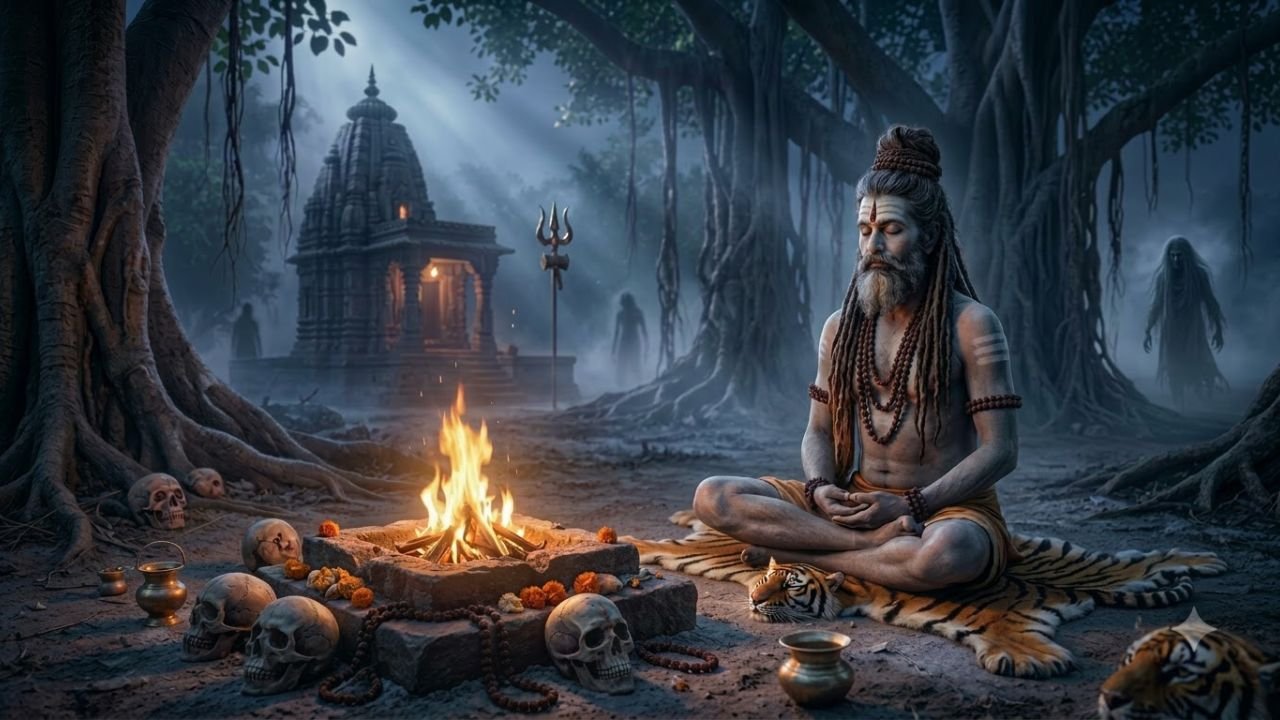
Aghor, Tantra, Pishach Beliefs and Spiritual Understanding
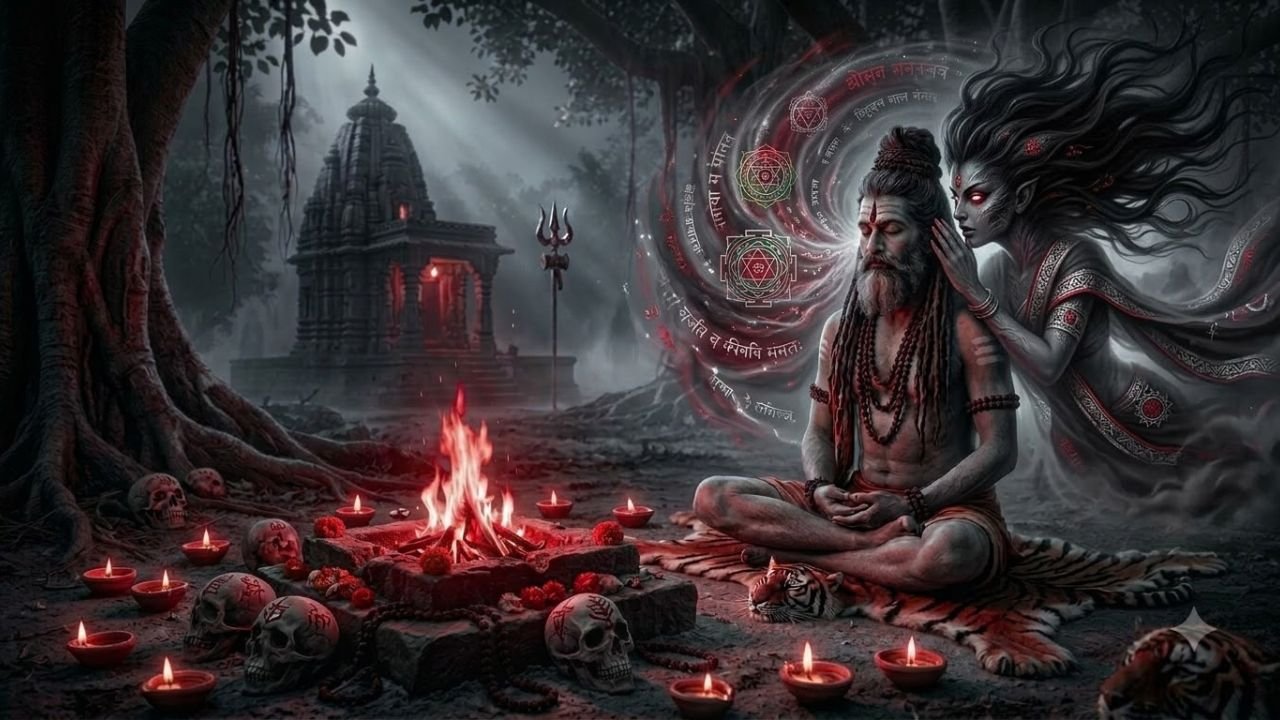
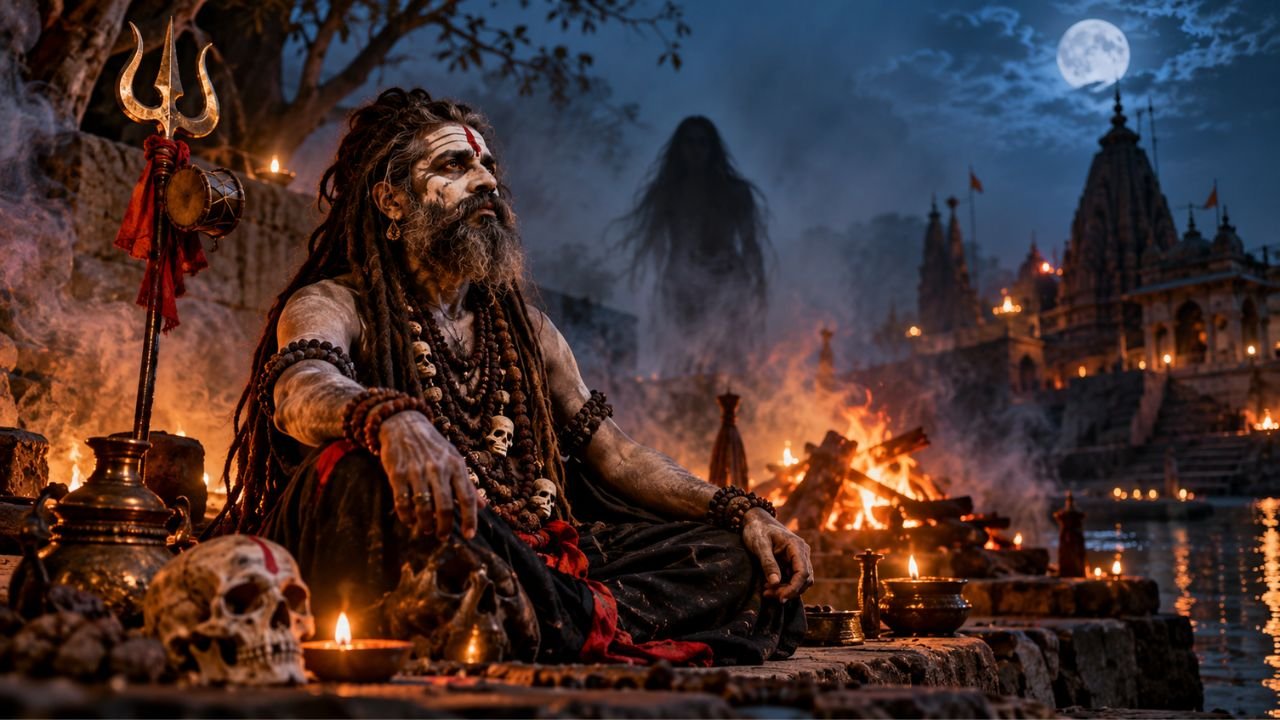
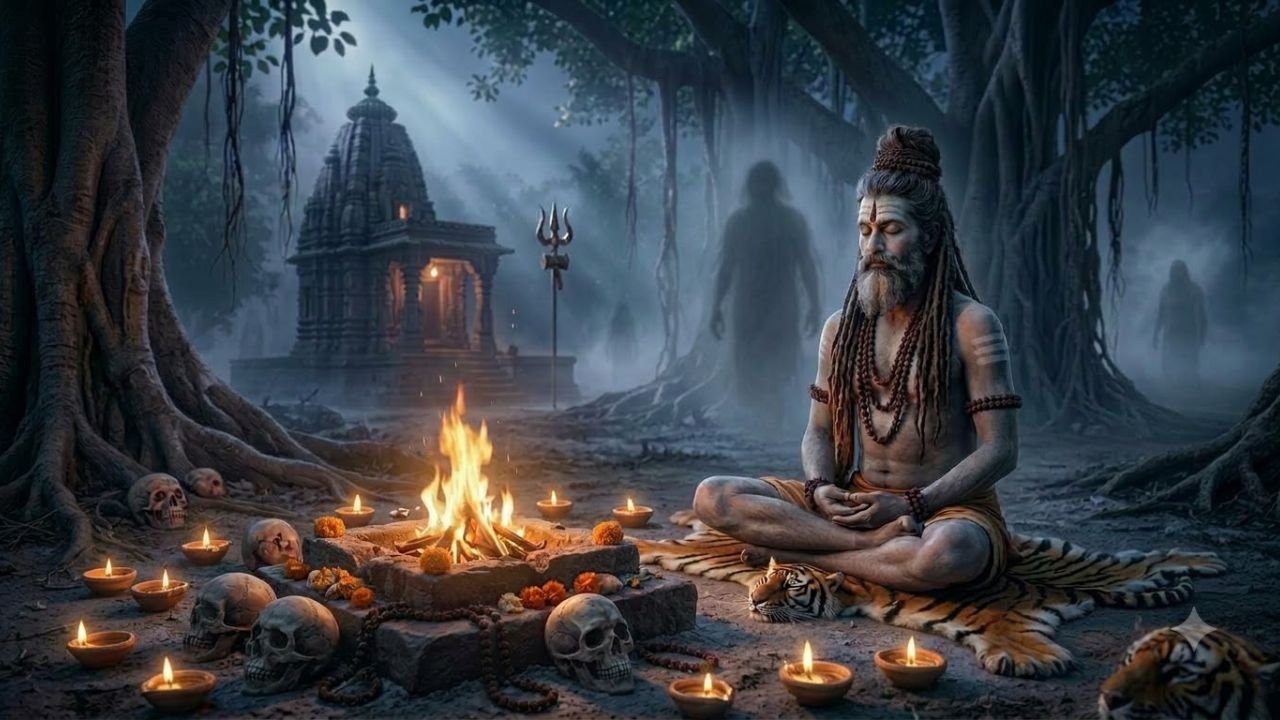
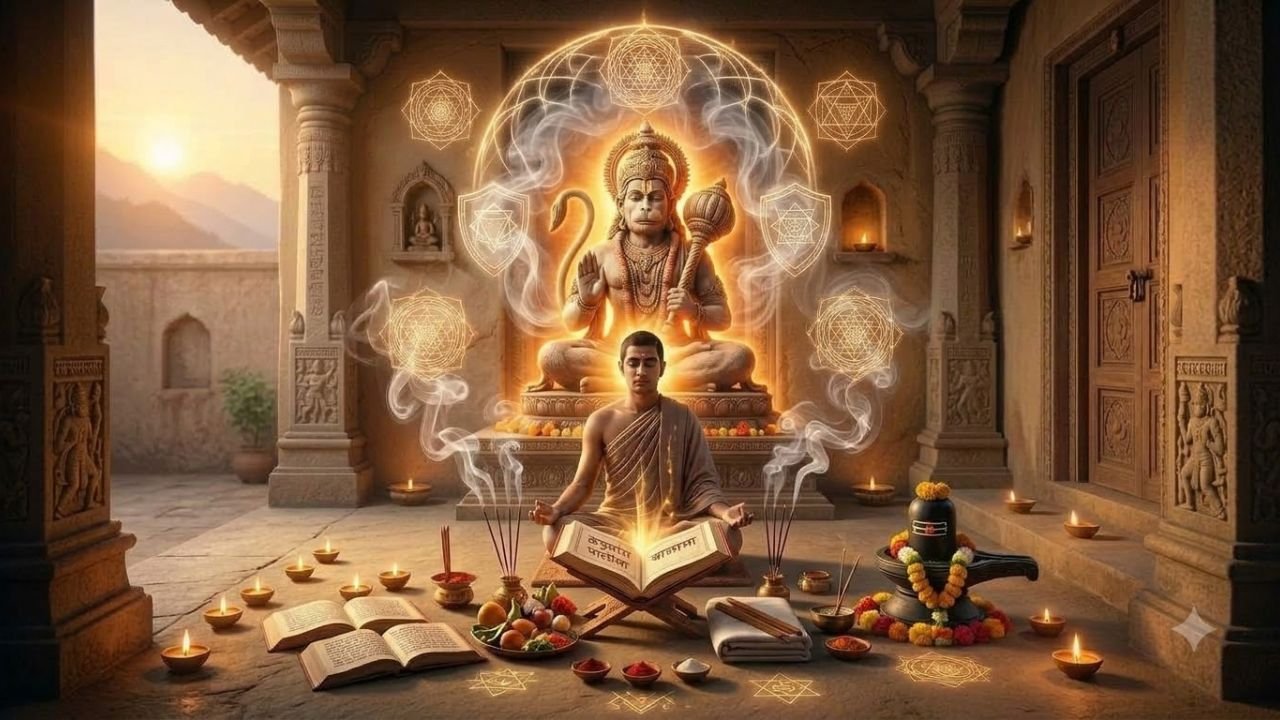
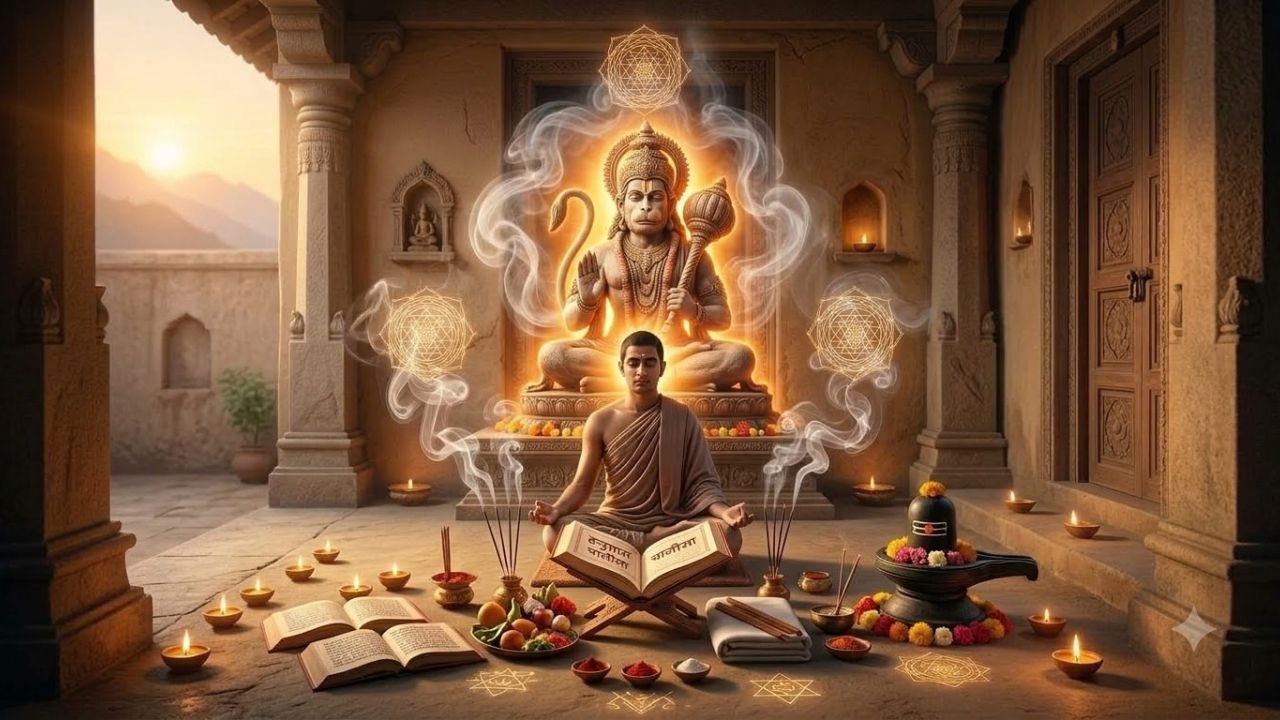
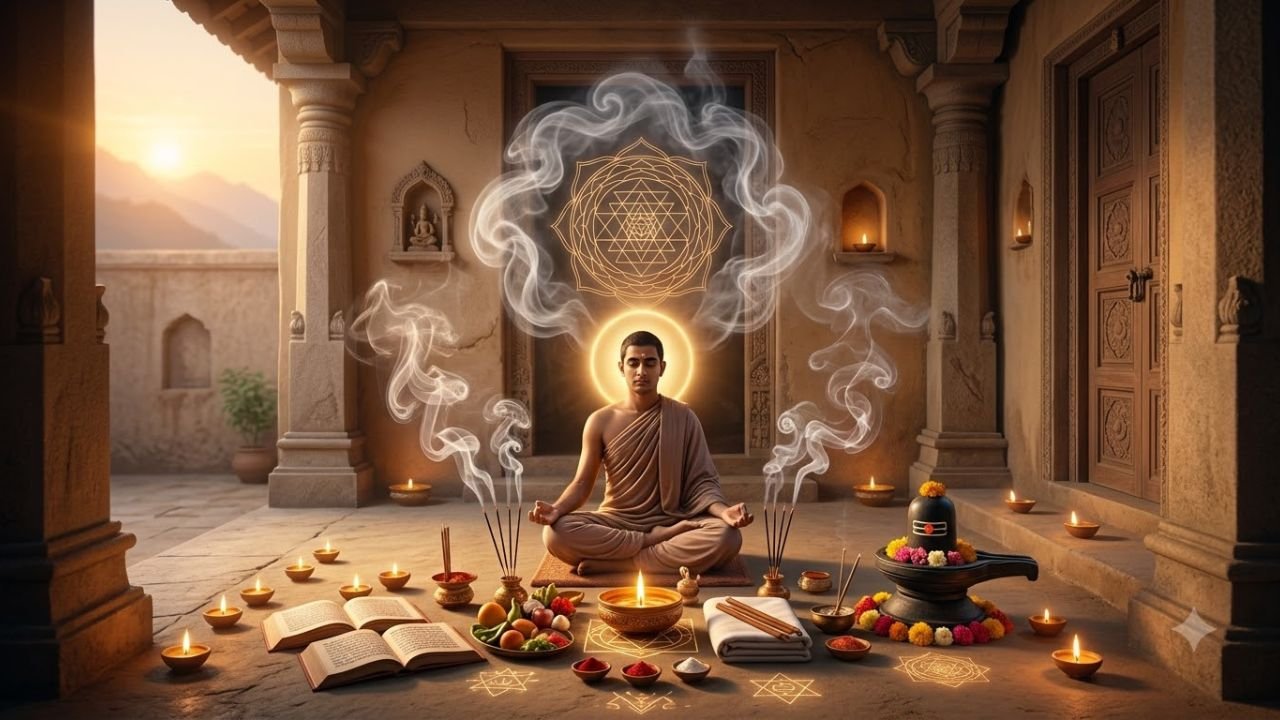
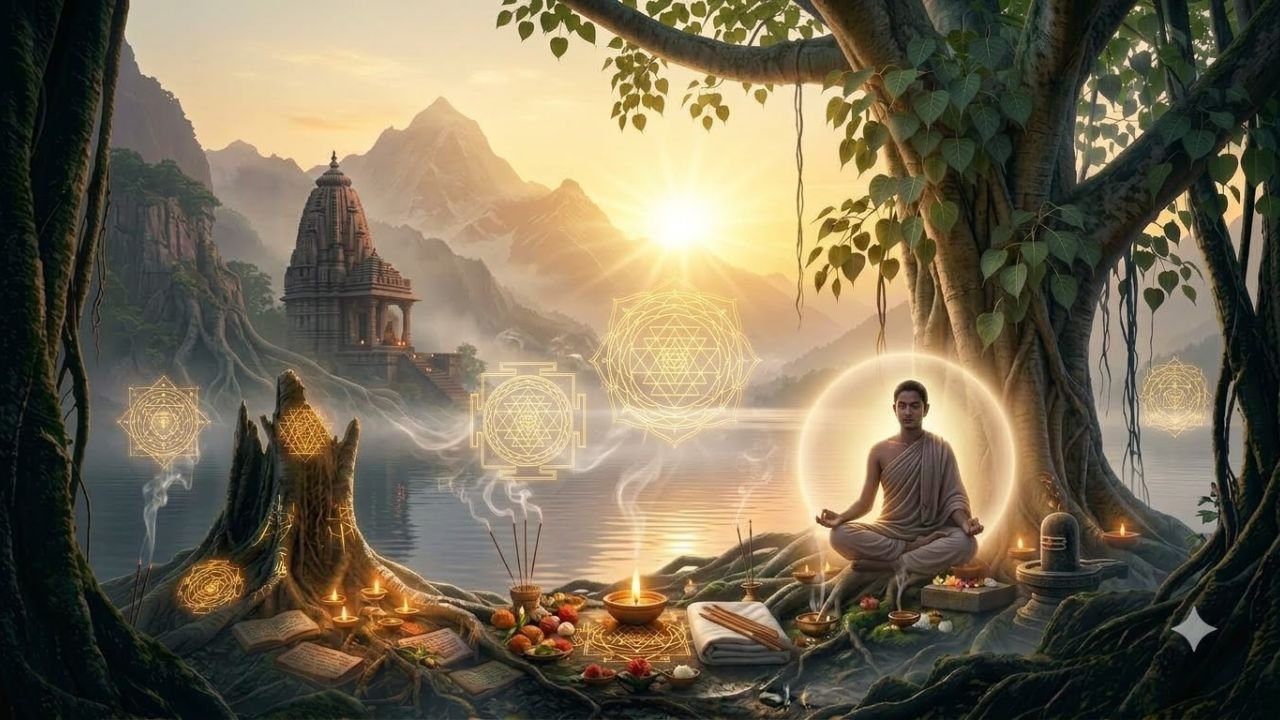
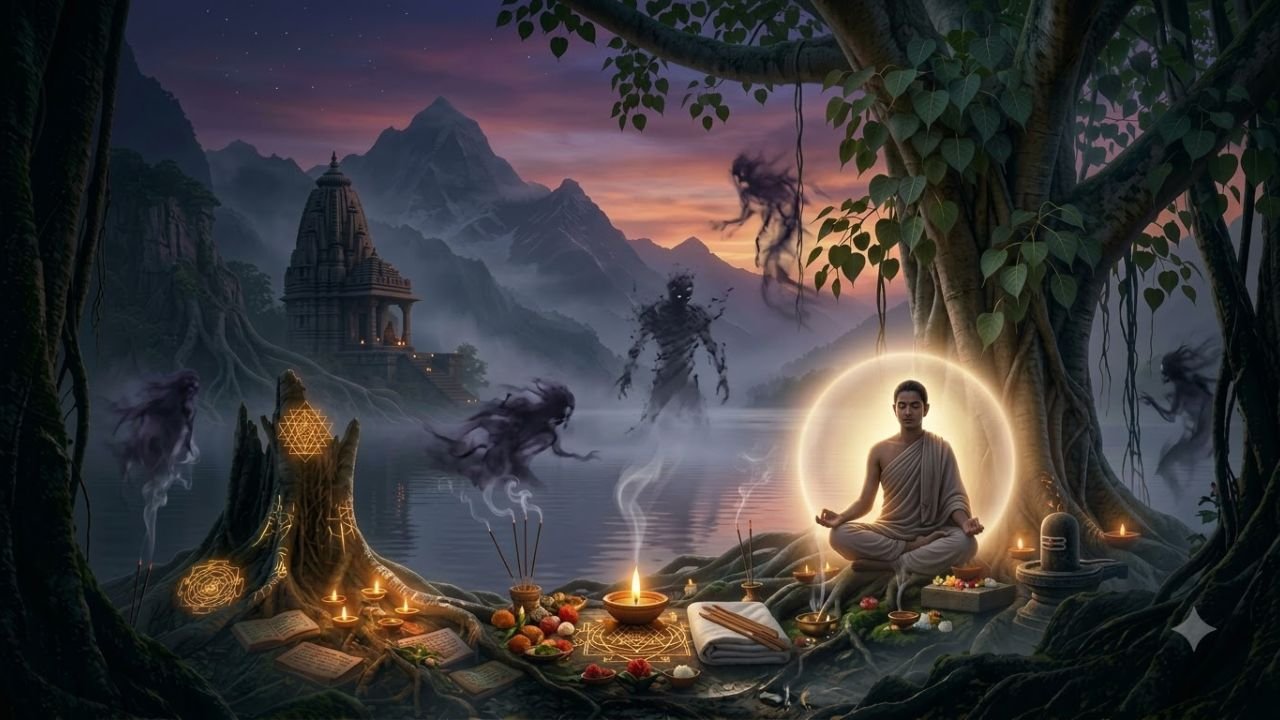
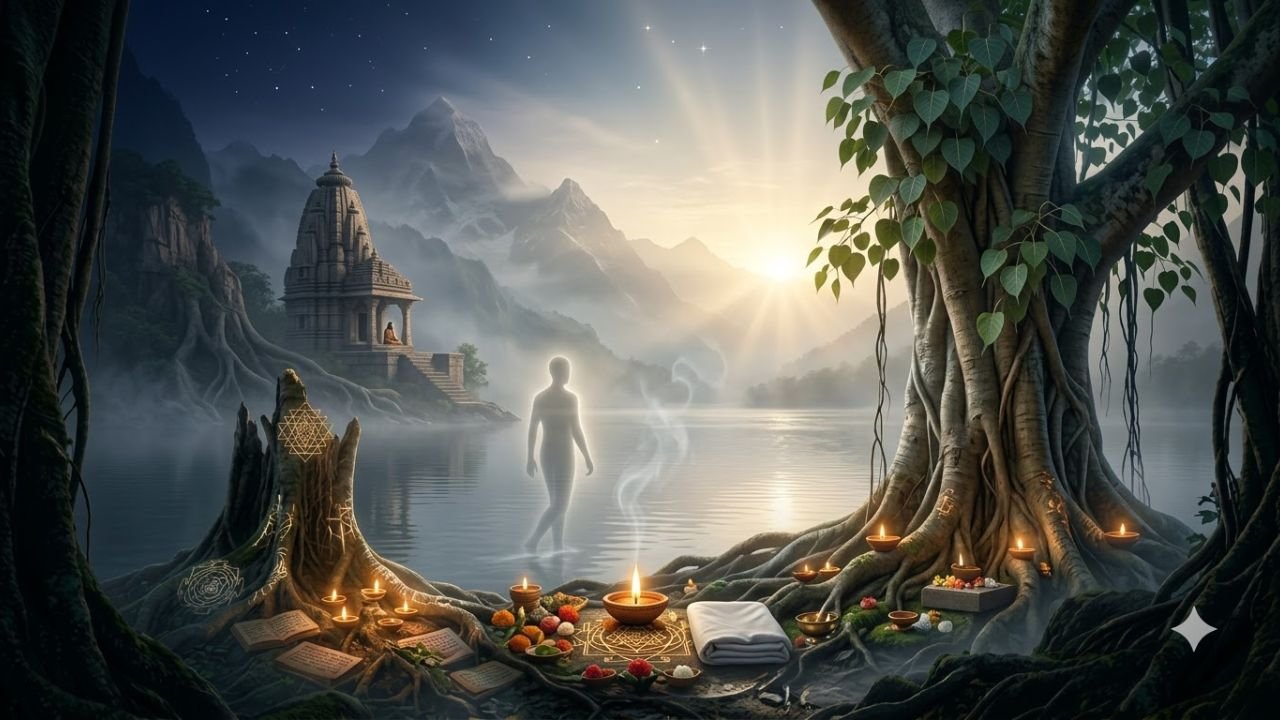
“Aghori Aur Pishach Sadhana” is a fascinating and often misunderstood subject within discussions about Indian spirituality, Tantra, Aghor traditions, cremation grounds, and supernatural beliefs.
When people hear the words Aghori and Pishach Sadhana, they may immediately imagine mysterious rituals, cremation grounds, supernatural powers, spirits, or black magic. Popular movies, television programs, social media, and horror stories have also created many dramatic ideas around this subject.
The traditional subject is much more complicated.
Aghor is connected with spiritual ideas such as fearlessness, detachment, Shiva worship, meditation, and confronting the fear of death and impermanence. Historical studies of Tantric traditions also show that cremation-ground rituals and fierce or unconventional spiritual imagery have existed in several historical tantric contexts. Aghori Aur Pishach Sadhana
At the same time, Pishacha is a distinct category of supernatural being appearing in Indian religious literature and folklore. Traditional descriptions vary between texts and regions.
This article explains the traditional relationship between Aghori and Pishach Sadhana, what Pishach means, why cremation grounds appear in these traditions, how Tantra fits into the picture, and why traditional beliefs should be distinguished from scientifically established facts.
What Is Aghor?
The word Aghor is traditionally associated with the idea of being free from fear, aversion, and excessive distinctions.
Ordinary human life is full of opposites:
- Pure and impure
- Good and bad
- Beautiful and frightening
- Life and death
- Pleasure and pain
- Attachment and detachment
Aghor spiritual thought is often understood as an attempt to go beyond excessive fear and attachment.
The Aghor path is associated with Lord Shiva, meditation, spiritual discipline, detachment, and a direct contemplation of impermanence. Aghori Aur Pishach Sadhana
It is important not to assume that every person described as an Aghori follows exactly the same practices. Spiritual traditions develop through different teachers, lineages, regions, and historical periods.
Aghor Is More Than Horror Stories
Popular culture sometimes presents Aghoris mainly through frightening images.
However, reducing Aghor to ghosts, black magic, or supernatural powers misses its broader spiritual context.
The deeper themes include:
- Fearlessness
- Detachment
- Shiva devotion
- Meditation
- Awareness
- Acceptance of impermanence
- Spiritual discipline
- Transformation of consciousness
Historical scholarship on Aghora and related tantric traditions shows that the subject has a substantial religious and philosophical history beyond modern horror imagery. Aghori Aur Pishach Sadhana
What Is a Pishach?
A Pishach, also spelled Pishacha or Piśāca, is a supernatural being described in Indian religious literature and folklore.
Traditional descriptions vary, but Pishachas are often associated with frightening or harmful qualities, darkness, death, and cremation-ground imagery. Aghori Aur Pishach Sadhana
Some traditional sources distinguish Pishachas from other categories such as Bhutas, Pretas, Rakshasas, and Vetalas.
Therefore, Pishach should not simply be treated as another word for every ghost or spirit.
Different texts and regional traditions use these categories differently.
Pishach in Indian Tradition
Pishachas appear in ancient Indian literary traditions, including epic literature.
Traditional accounts give different stories about their origin and characteristics. Some traditions associate them with cremation grounds and supernatural disturbances. Aghori Aur Pishach Sadhana
These descriptions are part of mythology, religion, and folklore.
They should not automatically be treated as scientifically established descriptions of objectively existing creatures.
What Does Pishach Sadhana Mean?
The phrase Pishach Sadhana refers, in traditional occult and tantric discussions, to spiritual or ritual practices associated with Pishacha-related beliefs.
However, the phrase can be used differently in different sources.
There is no single universally accepted practice called “Pishach Sadhana” that represents every Aghori, every Tantric lineage, or every spiritual practitioner. Aghori Aur Pishach Sadhana
This is an important point.
Internet articles and videos sometimes describe Pishach Sadhana as if there were one fixed ritual with guaranteed supernatural results. Such claims should be treated cautiously.
Traditional Tantra itself is a broad field with many different traditions and goals. Academic research shows that Tantra includes philosophical, ritual, yogic, devotional, and other forms of practice, rather than being limited to supernatural magic. Aghori Aur Pishach Sadhana
Aghori Aur Pishach Sadhana: What Is the Connection?
The connection between Aghori and Pishach Sadhana is often discussed because of three major themes:
1. Cremation Grounds
Aghor traditions have historically been associated in some contexts with cremation-ground practices.
Pishachas are also traditionally connected with cremation grounds in Indian folklore.
This creates a strong cultural association between the two subjects.
2. Fear of Death
Pishach stories are often frightening because they are connected with death and the unknown.
Aghor spiritual thought, on the other hand, can be understood as confronting fear rather than allowing fear to dominate the mind.
3. Tantric Traditions
Some historical tantric traditions include fierce deities, spirits, cremation-ground rituals, and unusual ritual environments.
This does not mean that every Aghori performs Pishach-related practices.
Nor does it mean that Aghor is simply another name for supernatural magic.
Why Are Cremation Grounds Important?
The cremation ground has a powerful symbolic meaning.
Most people naturally avoid thinking about death.
We become attached to our bodies, possessions, relationships, social identity, and material life.
The cremation ground confronts the individual with a simple reality:
The physical body is temporary.
This idea of impermanence has deep importance in several Indian spiritual traditions.
For an Aghor practitioner, contemplation of death can therefore become a method of reducing attachment and fear.
Historical studies of early Tantric traditions also document rituals connected with cremation grounds and fierce divine imagery.
Does Every Aghori Practice Pishach Sadhana?
No universal rule supports that conclusion.
Aghor is a broad spiritual tradition, and individual practitioners may have different teachings, practices, and levels of discipline.
Some historical tantric sources discuss spirits and supernatural beings, while other traditions focus primarily on mantra, meditation, deity worship, philosophy, and liberation. Aghori Aur Pishach Sadhana
Therefore, it would be misleading to say:
“Every Aghori performs Pishach Sadhana.”
There is no basis for making such a blanket statement.
Pishach Sadhana and Tantra
Tantra is frequently misunderstood.
Many people use the word “Tantra” as if it simply means black magic.
Historically, that is far too narrow.
Tantric traditions developed sophisticated systems involving:
- Mantra
- Meditation
- Deity worship
- Visualization
- Ritual
- Yoga
- Initiation
- Guru-disciple relationships
- Spiritual transformation
Academic research on Tantric traditions emphasizes that Tantra has diverse philosophical and ritual forms.
Some tantric traditions do include spirit-related practices or beliefs, but that does not mean all Tantra is concerned with spirits.
Can Pishach Sadhana Give Supernatural Powers?
Traditional stories sometimes associate tantric practitioners with siddhis, spiritual powers, protection, knowledge, or influence over supernatural beings. Aghori Aur Pishach Sadhana
However, these are claims belonging to religious traditions and folklore.
There is no reliable scientific evidence establishing that Pishach Sadhana gives a person supernatural control over invisible beings.
This distinction is important for responsible spiritual content.
A historical or religious belief can be studied without presenting it as scientifically proven.
Siddhi and Spiritual Practice
The Sanskrit concept of siddhi has a broad history in Indian religious traditions.
Depending on the tradition, siddhi can refer to attainment, accomplishment, or extraordinary ability.
But spiritual traditions also frequently emphasize discipline, knowledge, devotion, and liberation rather than simply collecting supernatural powers. Aghori Aur Pishach Sadhana
Therefore, a person interested in Aghor should not approach the subject only as a way to obtain paranormal abilities.
Aghori, Pishach and Lord Shiva
Aghor traditions are strongly associated with Shiva.
Shiva has many forms and names, including fierce and peaceful aspects.
In historical Shaiva and Tantric traditions, Aghora is also an important theological and mantra-related concept. Scholarship on early Śākta Tantras shows that Aghora was connected with Rudra and later with Bhairava-related tantric traditions. Aghori Aur Pishach Sadhana
This helps explain why the word Aghor appears in discussions involving:
- Shiva
- Bhairava
- Tantra
- Cremation grounds
- Fierce spiritual imagery
- Fearlessness
- Transformation
The relationship is historical and theological, not simply a horror-story connection.
Is Pishach Sadhana Dangerous?
It is important to distinguish between studying a tradition and attempting an alleged occult practice.
People can safely study mythology, history, religious texts, anthropology, and spiritual philosophy.
Attempting complicated ritual practices without understanding their historical context or without qualified guidance can be problematic. Aghori Aur Pishach Sadhana
A person should be especially cautious about online individuals who:
- Promise guaranteed supernatural powers
- Claim they can summon a Pishach on demand
- Demand large amounts of money
- Threaten people with invisible entities
- Claim that a person is possessed without evidence
- Sell “guaranteed” occult solutions
- Encourage dangerous physical practices
Fear can make people vulnerable to exploitation.
Pishach Beliefs and Scientific Understanding
From a scientific perspective, there is no conclusive evidence establishing Pishachas as objectively existing supernatural beings.
Nevertheless, people can experience unusual events that feel extremely real.
For example, a person may:
- Hear unexplained sounds
- See a shadow
- Feel a presence
- Experience unusual dreams
- Wake up unable to move
- Feel frightened in a dark environment
- Interpret an unfamiliar event as supernatural
Possible explanations can include sleep paralysis, stress, anxiety, dreams, environmental sounds, visual illusions, memory effects, and other physical or psychological factors. Aghori Aur Pishach Sadhana
Therefore, a personal experience should be respected but not automatically treated as proof of a Pishach.
The Symbolic Meaning of Pishach Sadhana
There is another way to understand this subject.
Instead of focusing only on supernatural powers, Pishach-related stories can be interpreted symbolically.
The Pishach can represent:
Fear
The fear of death and the unknown.
Negative Attachment
The inability to let go of desires and fears.
Darkness
The parts of human consciousness that remain unexplored.
Death
The unavoidable impermanence of physical existence.
Transformation
The process of confronting fear and developing greater awareness.
From this perspective, Aghor and Pishach stories can become a study of the human relationship with fear, death, and spiritual transformation.
Role of Guru in Aghor Sadhana
Traditional tantric practice often places significant importance on the Guru-disciple relationship.
A knowledgeable teacher may provide:
- Spiritual guidance
- Mantra instruction
- Ethical direction
- Discipline
- Meditation guidance
- Understanding of tradition
- Protection from misunderstanding
This is particularly important because online content frequently mixes authentic traditions with sensational stories.
A genuine spiritual approach should encourage responsibility, discipline, self-awareness, and respect rather than uncontrolled fear.
Aghori Aur Pishach Sadhana – Common Misconceptions
Misconception 1: Aghori Means Pishach Worship
Aghor is a broader spiritual tradition. It should not be reduced to Pishach worship.
Misconception 2: Every Aghori Can Control Spirits
This is a traditional claim found in some stories, not a scientifically established ability.
Misconception 3: Pishach Is the Same as Pret
Traditional classifications can distinguish different categories of supernatural beings.
Misconception 4: Tantra Means Black Magic
Tantra encompasses many religious and spiritual traditions and cannot be reduced to black magic.
Misconception 5: Cremation Grounds Automatically Contain Spirits
This is a traditional belief, not an established scientific fact.
What Can We Learn From Aghor and Pishach Traditions?
Even without accepting every supernatural claim literally, the subject can provide meaningful spiritual reflections.
Face Fear
Fear becomes weaker when it is understood rather than blindly followed.
Accept Impermanence
Life and the physical body are temporary.
Reduce Attachment
Spiritual traditions often teach that excessive attachment creates suffering.
Develop Discipline
Serious spiritual practice requires consistency and patience.
Avoid Sensationalism
Spiritual traditions deserve to be studied with context rather than reduced to horror stories.
Final Conclusion: Aghori Aur Pishach Sadhana
Aghori Aur Pishach Sadhana is a subject where mythology, Tantra, Aghor traditions, folklore, and spiritual philosophy often overlap.
Pishachas are described in Indian religious and literary traditions as a distinct category of supernatural beings, while Aghor represents a broader spiritual path associated with Shiva, fearlessness, detachment, and contemplation of impermanence. Aghori Aur Pishach Sadhana
The historical association of some tantric traditions with cremation grounds helps explain why Aghor and Pishach stories are often discussed together. But this does not mean that every Aghori practices Pishach Sadhana or possesses supernatural powers.
The most balanced way to understand the subject is to distinguish traditional belief, mythology, historical practice, personal experience, and scientific evidence.
For readers interested in Aghor, Tantra, Shiva Sadhana, and the teachings associated with Aghori Rudra Maharaj, the subject can be explored as part of a wider spiritual discussion about fear, death, discipline, detachment, and inner transformation.
Aghori Aur Pishach Sadhana: Aghor, Tantra & Pishach Beliefs
Aghori Aur Pishach Sadhana explained in simple English. Learn about Aghor, Pishach beliefs, Tantra, cremation-ground traditions, Shiva, spiritual practice and common misconceptions.
For information related to Aghori Rudra Maharaj and his spiritual work, readers can refer to the official website provided for this article.


Leave a Reply