
The Sacred Lineage of the Divine Feminine
Yogini Tradition in Tantra Within the vast spiritual system of Indian Tantra, the Yogini Tradition holds a unique and powerful place. It is one of the most profound expressions of Shakti worship and has been preserved for centuries through specialised lineages. The phrase Yogini Tradition in Tantra refers to the living stream of knowledge, symbolism, and spiritual discipline connected with the Yoginis — the fierce and compassionate manifestations of the Divine Mother.
This article explains the meaning, historical background, and spiritual significance of the Yogini Tradition in Tantra in simple and clear English. It is written to give sincere readers correct knowledge while clearly emphasising that this is an advanced path that must only be approached under the guidance of a qualified guru.
What is the Yogini Tradition?
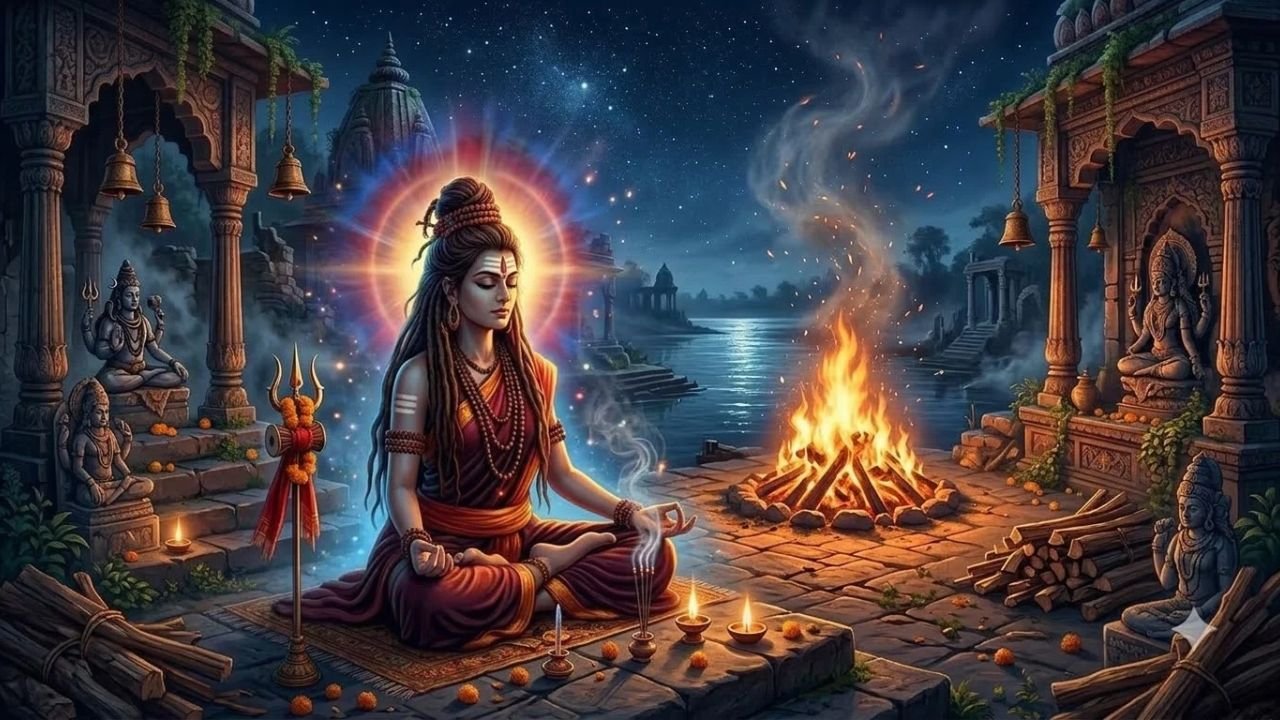
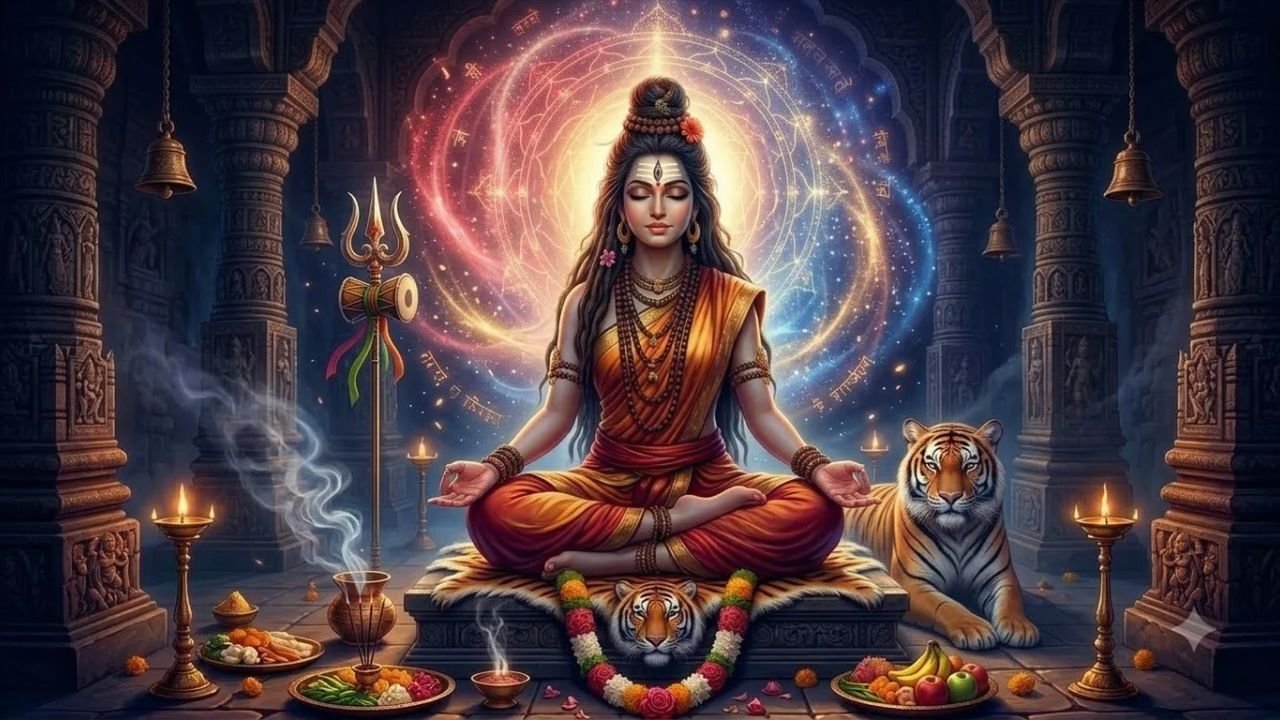
In Tantric philosophy, Yoginis are powerful expressions of Shakti, the dynamic energy of the universe. The Yogini Tradition is the specialised stream within Tantra that focuses on the worship, understanding, and realisation of these divine feminine energies.
This tradition is not a modern creation. It has deep roots in ancient Indian spiritual culture and was practised within closed and disciplined lineages. The knowledge was transmitted from guru to disciple with great care, purity, and secrecy.
Historical and Cultural Background
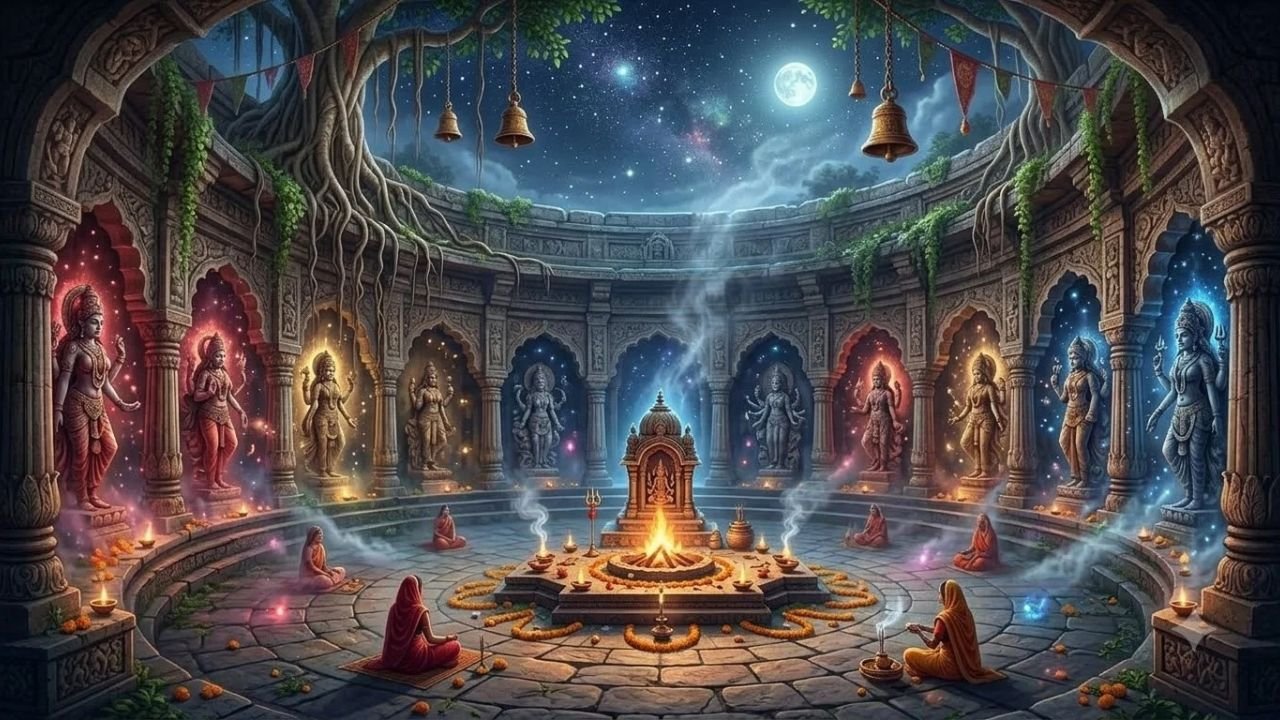
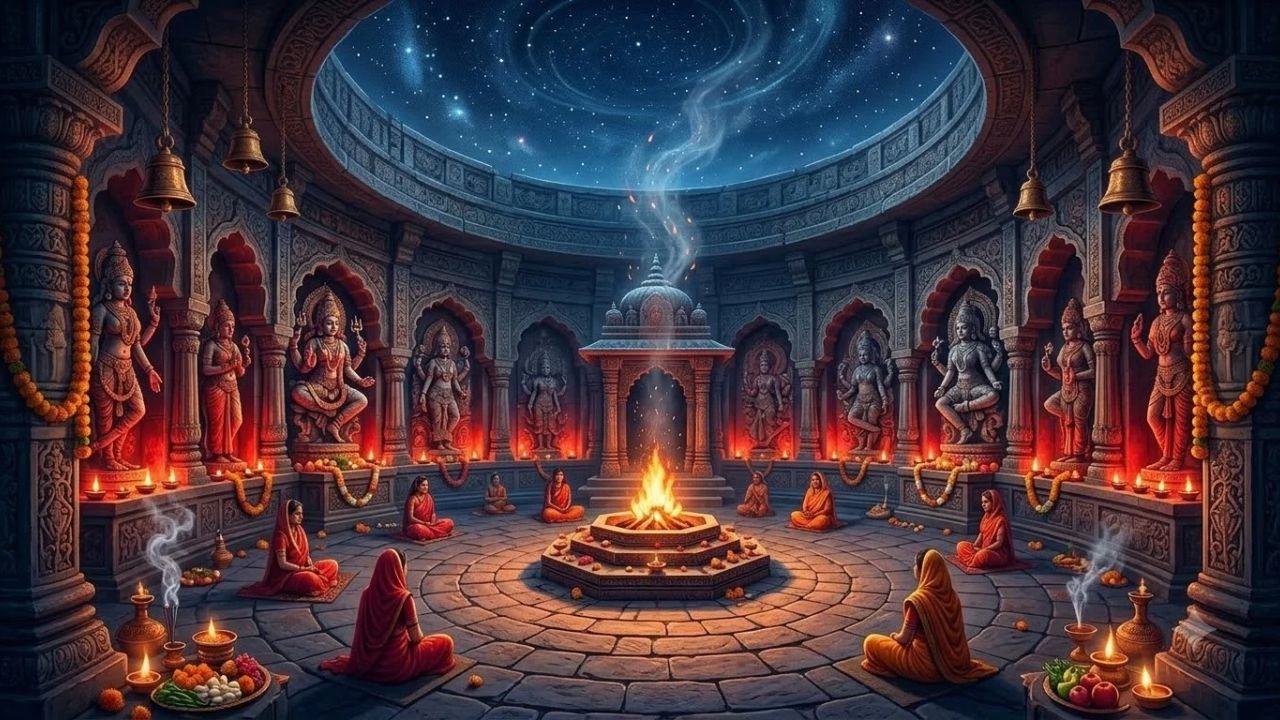
Evidence of the Yogini Tradition can still be seen in the ancient Chausath Yogini (64 Yogini) temples found in different parts of India, especially in Odisha, Madhya Pradesh, and some other regions. These temples are often circular or hypaethral (open to the sky) and represent a sophisticated understanding of sacred space and energy. Yogini Tradition in Tantra
These architectural remains show that the Yogini Tradition was once a living and organised spiritual system. Over time, as social and historical conditions changed, the outer public form of the tradition became less visible, while the inner knowledge continued within specialised lineages.
Place of the Yogini Tradition in Tantra
Tantra itself is a broad spiritual science that works with energy, mantra, consciousness, and the transformation of the practitioner. Within this larger system, the Yogini Tradition occupies a specialised position. Yogini Tradition in Tantra
It is closely connected with:
- The primacy of Shakti as the active power of the universe
- The understanding of the human being as a complete field of spiritual transformation
- The ideal of fearlessness and inner freedom
- The purification of deep layers of the mind and energy
- The realisation of the Divine Feminine within
The tradition views the Yoginis not merely as external deities but as living powers that can transform the seeker’s consciousness when approached correctly.
Spiritual Significance of the Yoginis
In traditional Tantric understanding, the Yoginis represent different aspects of cosmic energy. They symbolise:
- The forces that create, sustain, and dissolve
- The power that destroys ignorance and ego
- The protective energy that guards the sincere seeker
- The fierce compassion of the Divine Mother
- The complete spectrum of feminine spiritual power
The well-known concept of the 64 Yoginis is one expression of this complete system. Each Yogini is understood as carrying a specific quality of energy, and together they form a full circle of transformative power. Yogini Tradition in Tantra
Why the Yogini Tradition is Considered Advanced
Authentic Tantric tradition has always treated the Yogini path as highly restricted for several important reasons:
- The energies involved are extremely intense
- Without proper preparation, the mind can become unbalanced
- The practice demands a high level of purity and mental stability
- Incorrect or incomplete approach can create fear, confusion, or disturbance
- Only a mature and well-prepared seeker can handle this level of engagement safely
Because of these reasons, traditional masters never opened this path to beginners or to those driven only by curiosity or the desire for powers.
The Central Role of the Guru in the Tradition
In the Yogini Tradition, as in all authentic Tantra, the guru is not optional — the guru is essential. A genuine master:
- Judges whether the disciple is truly ready
- Transmits the appropriate knowledge according to the disciple’s capacity
- Provides spiritual protection during the process
- Corrects mistakes and prevents imbalance
- Keeps the focus on pure spiritual growth rather than outer display
Without the living guidance and grace of a qualified guru, any attempt to enter this tradition is considered incomplete and potentially harmful. Self-practice based on books or online material is strongly discouraged. Yogini Tradition in Tantra
The Real Aim of the Yogini Tradition
The true goal of the Yogini Tradition is not the accumulation of outer powers. Its deeper purpose is:
- Complete purification of the practitioner
- Destruction of deep-rooted fear and weakness
- Awakening of inner courage and clarity
- Dissolution of ego and false identity
- Direct realisation of the Divine Feminine as living consciousness
Any desire for control over others, public display, or purely material gain is regarded as a serious obstacle on this path.
Essential Qualities Required to Approach the Tradition
Although the detailed knowledge is given only by a guru, the tradition clearly describes the qualities a seeker must develop:
1. Purity of Intention
The purpose must be spiritual growth and self-purification, not selfish ambition.
2. Mental and Emotional Stability
A restless or fearful mind is not considered ready for intense forms of practice.
3. Discipline and Patience
Progress is gradual and requires long-term commitment.
4. Humility and Surrender
Pride and ego are major barriers. The seeker must remain humble.
5. Ethical Living
Right conduct in daily life is the foundation that supports any higher engagement with the tradition.
Difference Between General Shakti Worship and the Yogini Tradition
It is important to understand the difference clearly:
General Devotion to the Divine Mother
- Open to all sincere devotees
- Includes prayer, name chanting, temple worship, and simple offerings
- Safe, beautiful, and highly beneficial for everyone
Yogini Tradition in Tantra
- Advanced and highly restricted
- Requires formal guidance and long preparation
- Involves deeper disciplines under a guru
- Not meant for casual or public practice
Most devotees receive immense spiritual benefit from simple and sincere devotion to the Divine Mother. Entry into the specialised Yogini Tradition is not necessary for everyone. Yogini Tradition in Tantra
Common Misunderstandings
In modern times, several misunderstandings have spread about the Yogini Tradition:
- That it is a quick path to supernatural powers
- That it can be learned from books or the internet
- That curiosity alone is enough to begin
- That outer rituals are more important than inner purity
Authentic tradition rejects all these ideas. Real engagement with the Yogini Tradition is slow, disciplined, and focused on the transformation of the seeker’s consciousness. Yogini Tradition in Tantra
The Path of Safe and Sincere Devotion
For the large majority of spiritual seekers, the safest and most effective path is simple, consistent, and heartfelt devotion to the Divine Mother in Her accessible forms. Regular prayer, mantra chanting with faith, ethical living, and inner purification bring steady progress without unnecessary risk.
Those who feel a genuine and deep calling toward the more intense aspects of Tantra should approach only through the guidance of a living and authentic master.
Conclusion: A Tradition of Power and Purity
Yogini Tradition in Tantra represents one of the most profound and carefully preserved streams of Divine Feminine worship within Indian spiritual culture. It is centred on the transformative power of the Yoginis and aims at complete inner purification and awakening.
However, this tradition is not meant for everyone. It demands long preparation, purity of intention, mental stability, and the continuous guidance of a qualified guru. Without these, any attempt to enter the path remains incomplete and potentially dangerous.
The real essence of the Yogini Tradition lies not in outer complexity but in the sincerity of the heart and the transformation of the seeker’s life. For most devotees, simple and pure devotion to the Divine Mother remains the most beautiful and effective way forward.
If you feel a deep and sincere attraction toward the deeper aspects of Tantra, the Divine Feminine, or authentic spiritual guidance, it is important to seek direction from an experienced and genuine master rather than experimenting on your own. Yogini Tradition in Tantra
Aghori Rudra Maharaj
📞 Call / WhatsApp: +91-7357771057
📧 Email: info@aghorirudramaharaj.info
🌐 Website: https://www.aghorirudramaharaj.info/
May the fierce and compassionate grace of the Divine Mother protect you, purify your heart, and lead you toward true spiritual strength, fearlessness, and lasting peace. Yogini Tradition in Tantra

Leave a Reply