
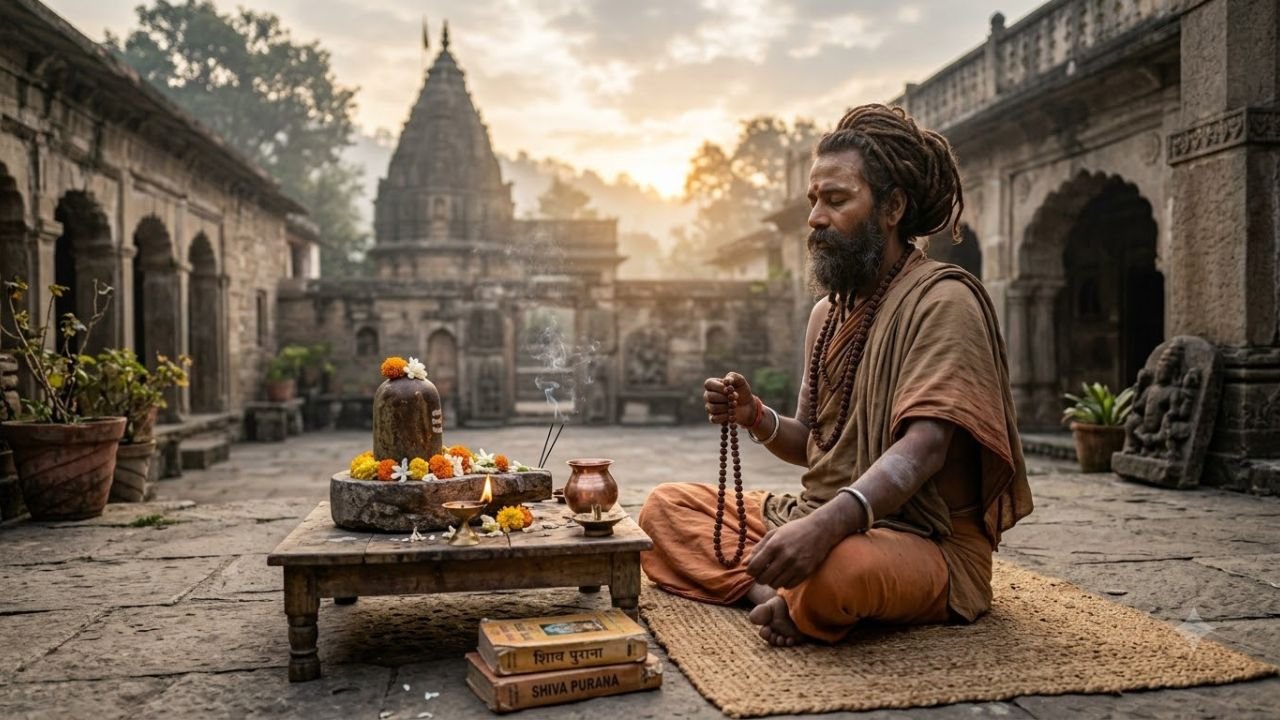
A Journey into Aghor Philosophy
Aghori Rudra Maharaj Ke Adhyatmik Rahasya The spiritual traditions of India contain many paths that encourage people to understand life, overcome fear, and search for deeper meaning. The Aghor tradition is one such path, traditionally associated with Lord Shiva, meditation, self-discipline, and freedom from rigid ideas of purity and impurity.
For people interested in Aghori Rudra Maharaj Ke Adhyatmik Rahasya, several questions naturally arise. What is the philosophy behind the Aghor path? What role do meditation and mantra chanting play? Why is a guru important? And what can an ordinary person learn from these spiritual ideas?
To explore these questions, it is important to distinguish traditional beliefs from verified facts. This article introduces the spiritual ideas associated with the Aghor tradition and discusses how they may be understood in everyday life. It does not claim to reveal private rituals or unverified personal experiences of Aghori Rudra Maharaj.
Who Is Aghori Rudra Maharaj?
Aghori Rudra Maharaj Ke Adhyatmik Rahasya Aghori Rudra Maharaj is associated with the website aghorirudramaharaj.info, which publishes information about Aghori traditions, spiritual practice, and related subjects. The website introduces readers to the meaning of the Aghor path and discusses its traditional connection with Lord Shiva. https://www.aghorirudramaharaj.info/rudra-aghori/
People searching for Aghori Rudra Maharaj may be interested in Aghor philosophy, mantra jaap, meditation, Tantra, guru guidance, or the spiritual significance of the name Rudra.
However, a person’s spiritual reputation or devotees’ beliefs should not be confused with independently verified evidence of supernatural abilities. Understanding the philosophy and teachings is a useful starting point for anyone exploring this subject.
What Is the Meaning of Aghor?
The word Aghor is commonly understood as “not terrible” or “beyond fear.” In the Aghor tradition, it is associated with developing a way of seeing existence without being controlled by fear, hatred, or rigid divisions. Aghori Rudra Maharaj Ke Adhyatmik Rahasya
The tradition is connected with Shaiva spirituality and the worship of Lord Shiva. Its philosophical themes include awareness, detachment, acceptance of life’s impermanence, and the search for spiritual understanding.
Seeing Beyond Fear
People often fear things they do not understand. Death, illness, loneliness, uncertainty, and change can all create anxiety.
Aghor philosophy encourages practitioners to examine these fears rather than allowing them to control every decision. This does not mean ignoring danger or abandoning common sense. It means learning to face difficult realities with awareness and responsibility. Aghori Rudra Maharaj Ke Adhyatmik Rahasya
Looking Beyond Ideas of Purity and Impurity
Many spiritual discussions explore how people divide the world into pure and impure, attractive and unattractive, or acceptable and unacceptable.
Some Aghor teachings encourage practitioners to question these rigid divisions at a philosophical level. This does not mean that hygiene, personal boundaries, or social responsibility are unimportant. Rather, the emphasis is on examining prejudice, attachment, and aversion. Aghori Rudra Maharaj Ke Adhyatmik Rahasya
The Spiritual Rahasya of the Aghor Path
When people speak about the “spiritual secrets” of Aghori Rudra Maharaj, they may be looking for a deeper understanding of Aghor philosophy. Several themes are useful for exploring this subject.
1. Inner Transformation
One central idea in many spiritual traditions is that lasting change begins with self-observation.
Instead of focusing only on external rituals, a practitioner may examine anger, jealousy, pride, fear, and attachment. Recognising these habits can help a person respond more thoughtfully.
In this sense, spiritual practice is not only about what happens during meditation. It is also about how someone behaves at home, at work, and in relationships. Aghori Rudra Maharaj Ke Adhyatmik Rahasya
2. Freedom from Fear
Fear can sometimes prevent people from asking questions, accepting change, or making thoughtful decisions.
The Aghor ideal of moving beyond fear can be understood as developing courage and awareness. It does not mean that a person will never feel afraid. It means learning to recognise fear without allowing it to control every action.
A balanced approach combines spiritual reflection with practical safety and sound judgement.
3. Acceptance of Impermanence
Human life is constantly changing. Relationships, possessions, physical strength, and circumstances do not remain the same forever.
Reflection on impermanence appears in many Indian philosophical traditions. It can encourage people to value their time, treat others with care, and avoid becoming excessively attached to temporary circumstances. Aghori Rudra Maharaj Ke Adhyatmik Rahasya
This reflection is not meant to create hopelessness. It can help people appreciate life more consciously.
4. Detachment Without Neglecting Responsibility
Detachment is sometimes misunderstood as leaving behind every responsibility.
A more balanced interpretation is learning not to let possessions, praise, status, or disappointment control one’s inner life. A person can remain devoted to family, work, and society while developing a less possessive attitude.
Spirituality and responsible daily living do not have to be opposites.
The Role of Lord Shiva in Aghor Philosophy
Lord Shiva holds a central place in many Aghor traditions. The name Aghor is often discussed in connection with Shiva’s broader spiritual symbolism.
Shiva is associated in Hindu traditions with meditation, transformation, asceticism, and the cycles of creation and dissolution. These themes provide a spiritual framework for reflecting on change, attachment, and the nature of existence. Aghori Rudra Maharaj Ke Adhyatmik Rahasya
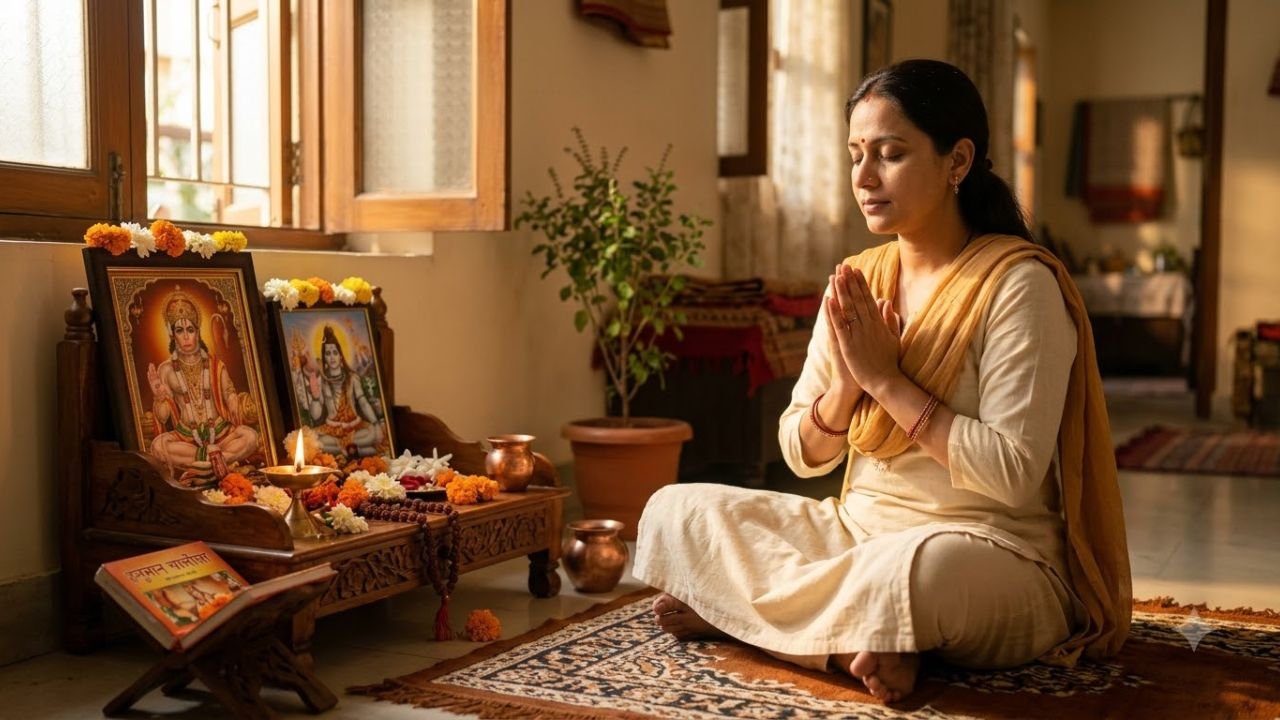
For devotees, Shiva worship may include prayer, mantra chanting, meditation, and visits to sacred places.
One widely known mantra associated with Lord Shiva is “Om Namah Shivaya.” It is used by many devotees as a form of prayer and remembrance.
The significance of a mantra depends on the tradition and the practitioner’s understanding. Chanting should not be presented as a guaranteed way to obtain supernatural powers or control events. Aghori Rudra Maharaj Ke Adhyatmik Rahasya
Mantra Jaap and Meditation in Spiritual Practice
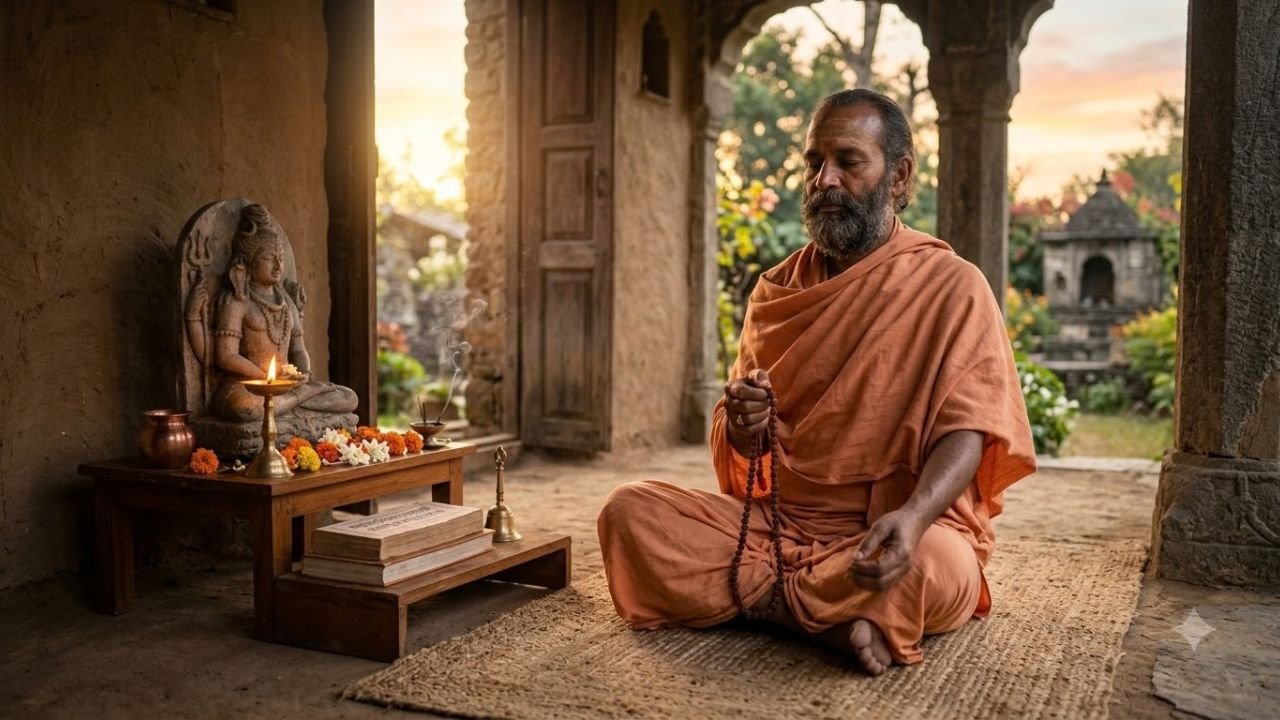
Mantra jaap means repeating a sacred sound, word, or phrase. Meditation involves directing attention and observing the mind.
Both practices are found in various Hindu spiritual traditions, although their methods differ.
How Mantra Jaap Can Be Practised
For a beginner, a simple devotional routine may include:
- Choose a quiet, comfortable place.
- Sit in a relaxed posture.
- Select a commonly used mantra that suits your beliefs.
- Repeat it slowly and attentively.
- If your mind wanders, gently return to the mantra.
- End with a short period of quiet reflection.
You may use a mala to count repetitions, but a mala is not essential for every practice.
Some mantras are associated with specific initiation requirements. If you are interested in a specialised tantric mantra, learn about its traditional method from a knowledgeable and trustworthy teacher before beginning. Aghori Rudra Maharaj Ke Adhyatmik Rahasya
Why Consistency Matters
A regular practice provides time for reflection and helps establish a routine. Some people find that quiet chanting gives them a break from daily distractions.
However, individual experiences vary. Meditation and mantra jaap do not guarantee a particular spiritual attainment, cure, or life outcome. Aghori Rudra Maharaj Ke Adhyatmik Rahasya
Why Is a Guru Important?
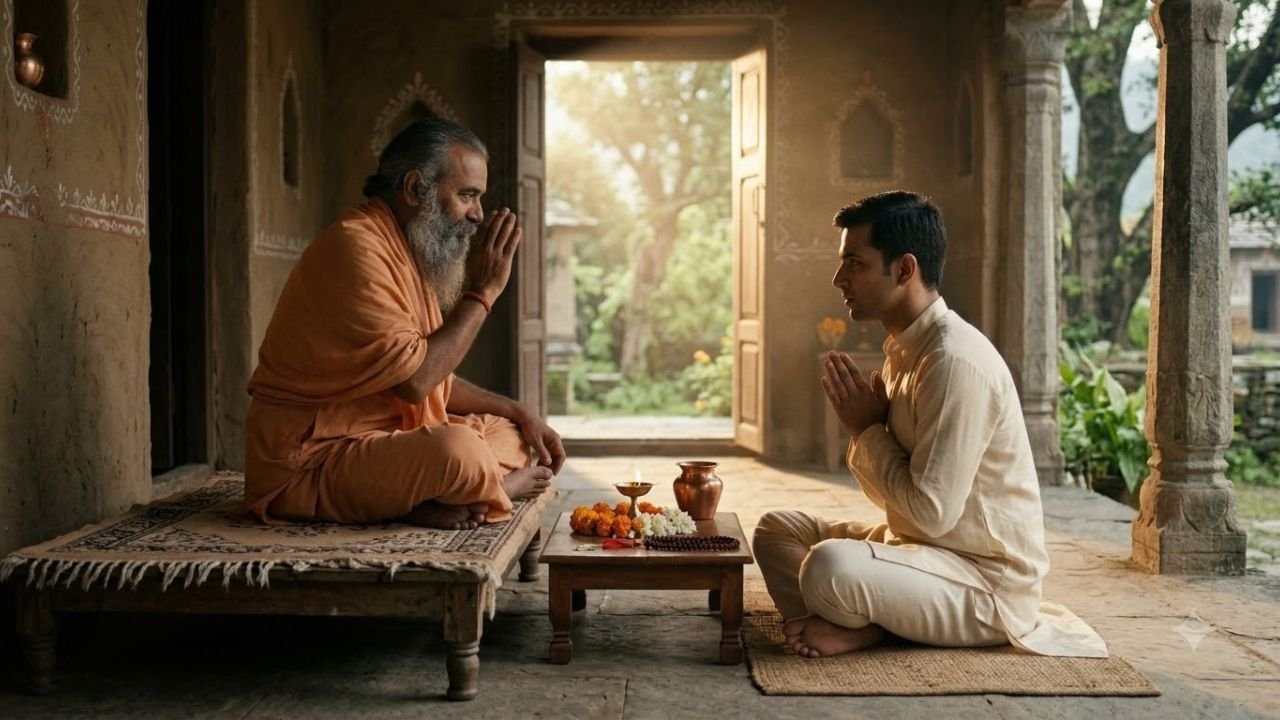
In many Indian spiritual traditions, a guru is a teacher who guides a student in spiritual knowledge and practice.
A teacher may explain the meaning of a mantra, provide instructions for meditation, discuss the relevant tradition, and help the student develop a sustainable routine. Aghori Rudra Maharaj Ke Adhyatmik Rahasya
Qualities to Look for in a Spiritual Teacher
Before accepting guidance or initiation, consider whether the teacher:
- Explains the tradition and practice clearly.
- Welcomes reasonable questions.
- Encourages ethical behaviour and personal responsibility.
- Respects your freedom to make decisions.
- Avoids promises of guaranteed wealth, supernatural powers, or instant solutions.
- Is transparent about any fees, rituals, or commitments.
A genuine learning relationship should not depend on fear, threats, or pressure. Take enough time to understand a practice before making a commitment.
Understanding Tantra and Aghor Sadhana
Tantra includes diverse religious and spiritual traditions with different philosophies, rituals, and methods. It should not be reduced to frightening stories or claims of secret supernatural powers.
Aghor-related discussions may include mantra, meditation, guru guidance, and specialised forms of spiritual discipline. Practices vary between lineages and individual practitioners. Aghori Rudra Maharaj Ke Adhyatmik Rahasya
Is Aghor Sadhana Suitable for Everyone?
Not everyone needs to follow the Aghor path. Some people are interested in its philosophy, while others may choose a different form of devotion or meditation.
Specialised practices should not be attempted solely because of online claims about quick results. Learn about the tradition, understand the requirements, and seek qualified guidance where necessary.
It is also important to maintain personal safety, physical health, and everyday responsibilities.
Common Myths About Aghori Spirituality
Popular stories sometimes present Aghoris as people who only perform frightening rituals or possess extraordinary powers. These portrayals can oversimplify a diverse tradition.
Myth 1: Every Aghori Follows the Same Lifestyle
Aghori practitioners may differ in their living arrangements, disciplines, and spiritual approaches. It is inaccurate to assume that every practitioner follows an identical routine. Aghori Rudra Maharaj Ke Adhyatmik Rahasya
Myth 2: Aghori Practices Are Only About the Supernatural
Aghor philosophy also involves questions of fear, attachment, consciousness, and the relationship between human beings and the divine. Aghori Rudra Maharaj Ke Adhyatmik Rahasya
Myth 3: Spiritual Rituals Guarantee Miracles
Claims about supernatural powers or guaranteed results are matters of belief, not established facts. People should be cautious about anyone who uses such promises to demand money or obedience.
Myth 4: You Must Follow Extreme Practices to Learn Spirituality
Many people explore spiritual ideas through ordinary prayer, meditation, ethical living, study, and service. Extreme practices are not a requirement for everyone interested in spiritual growth. Aghori Rudra Maharaj Ke Adhyatmik Rahasya
What Can Ordinary People Learn from Aghor Philosophy?
Even without following a specialised spiritual path, people can reflect on some of its broader themes.
Face fear thoughtfully: Identify what worries you and consider practical steps to address it.
Reduce unnecessary attachment: Value your relationships and possessions without allowing them to define your entire identity.
Practise self-observation: Notice your reactions before responding to difficult situations.
Treat people with dignity: Avoid judging others only by appearance, social status, or background.
Accept change: Recognise that circumstances evolve, and learn to adapt without losing your sense of responsibility.
Maintain balance: Spiritual practice should support everyday life rather than replace necessary work, relationships, or professional care.
These ideas are practical interpretations of broad spiritual themes, not claims that every Aghori teacher expresses them in exactly the same way.
How to Learn More About Aghori Rudra Maharaj
Readers who want to explore Aghori Rudra Maharaj’s content can visit the website provided below. Read the available information carefully, distinguish general descriptions of the Aghor tradition from specific claims about an individual, and ask questions when something is unclear. Aghori Rudra Maharaj Ke Adhyatmik Rahasya
You should not feel pressured to pay for a ritual, accept initiation, or make a commitment before understanding what it involves.
Website: https://www.aghorirudramaharaj.info/
Call / WhatsApp: +91-7357771057
Email: info@aghorirudramaharaj.info
Frequently Asked Questions
What Are the Spiritual Secrets of Aghori Rudra Maharaj?
The phrase may refer to an interest in Aghor philosophy, mantra practice, meditation, and spiritual guidance. Specific private practices should not be invented or presented as verified facts without reliable evidence. Aghori Rudra Maharaj Ke Adhyatmik Rahasya
What Is the Main Teaching of Aghor?
Aghor is commonly associated with moving beyond fear and rigid divisions. Its interpretation and practice can differ across traditions and teachers.
Can Anyone Learn About Aghor Philosophy?
Yes. Anyone interested can begin by learning about the tradition, reading reliable material, and reflecting on its philosophical themes. Specialised practices may have additional requirements.
Does Aghor Sadhana Give Supernatural Powers?
Some traditional accounts describe extraordinary abilities, but these claims are not scientifically established. It is better to approach the subject with respect, curiosity, and realistic expectations. Aghori Rudra Maharaj Ke Adhyatmik Rahasya
Is a Guru Necessary for Aghor Sadhana?
Some practices require initiation or guidance within a particular lineage. Anyone considering such a practice should learn about its requirements and choose a teacher carefully.
Conclusion
The spiritual ideas associated with Aghori Rudra Maharaj Ke Adhyatmik Rahasya offer a starting point for exploring Aghor philosophy, its traditional connection with Lord Shiva, and the role of meditation, mantra jaap, and guru guidance.
The deeper value of studying a spiritual tradition lies not in chasing sensational stories but in understanding its teachings and considering how they relate to everyday life.
Approach the subject with respect and an open mind. Learn from reliable sources, ask thoughtful questions, and maintain realistic expectations. Whether through prayer, meditation, self-observation, or service, a balanced spiritual practice can provide meaningful opportunities for reflection and personal growth Aghori Rudra Maharaj Ke Adhyatmik Rahasya

Leave a Reply