
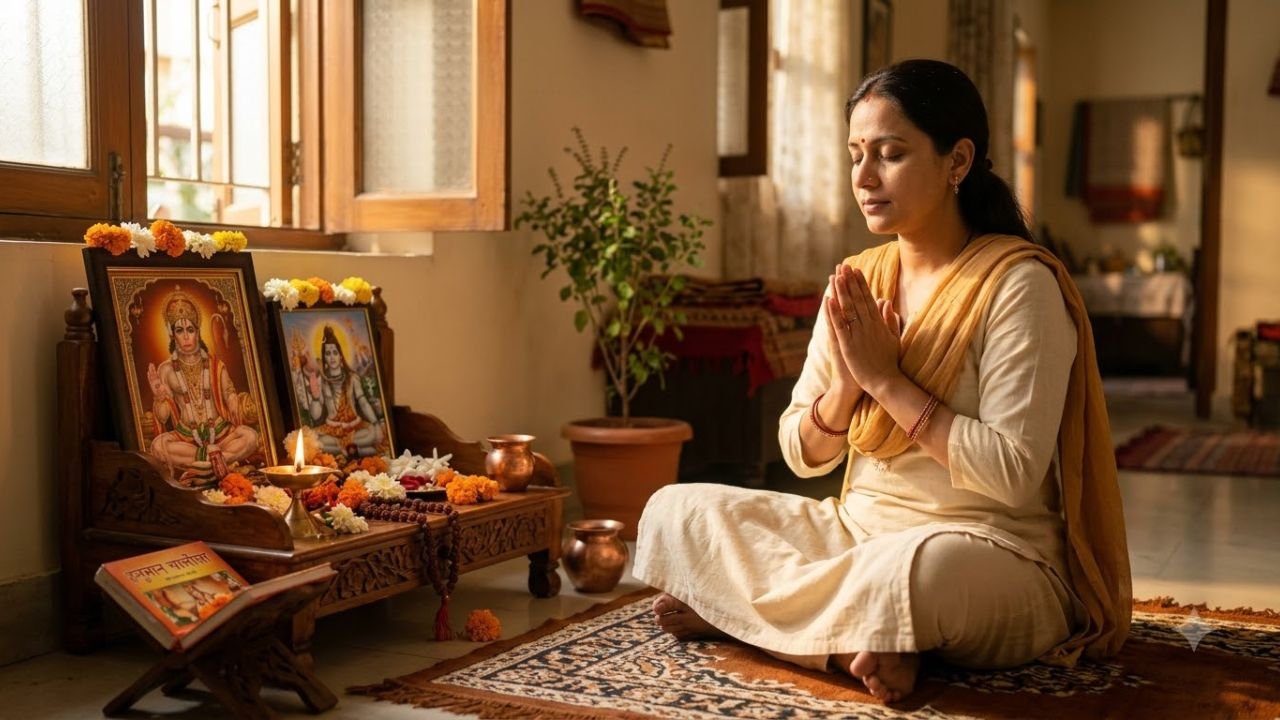
11 Ways to Build Peace, Positivity, and Inner Strength
Spiritual Protection Ke Upay In today’s busy world, many people look for spiritual protection to feel peaceful, confident, and connected to their faith. Stressful situations, negative thoughts, personal challenges, and uncertainty can sometimes make life feel overwhelming. In Hindu spiritual traditions, people often turn to prayer, mantra chanting, meditation, and devotional rituals for comfort and inner strength.
But what does spiritual protection really mean? Is it connected with prayer, positive thinking, or traditional spiritual practices? And which simple methods can a person include in daily life?
Spiritual protection can be understood as a combination of faith-based practices, emotional balance, healthy boundaries, and positive daily habits. Different religions and traditions explain it in different ways. This article explores Spiritual Protection Ke Upay through common Hindu practices and practical steps that can help create a peaceful environment. Spiritual Protection Ke Upay
These practices may support personal reflection and emotional well-being, but they should not be treated as guaranteed protection against supernatural forces or as a substitute for practical action when a real problem occurs.
What Is Spiritual Protection?
Spiritual protection is the feeling of safety, peace, and inner strength that people may develop through their spiritual beliefs and daily practices. Spiritual Protection Ke Upay
In Hindu traditions, spiritual protection may involve remembering a deity, chanting a mantra, offering prayers, reading sacred texts, or following a regular devotional routine. Some people also use a prayer space, light a diya, or participate in satsang.
For many practitioners, these activities provide comfort, strengthen faith, and help them approach challenges with greater patience.
Spiritual protection does not mean that a person will never experience difficulties. Rather, it can be part of a balanced approach to facing uncertainty, making thoughtful decisions, and maintaining a sense of purpose. Spiritual Protection Ke Upay
11 Spiritual Protection Ke Upay
The following practices combine traditional Hindu devotional customs with simple habits for maintaining peace of mind.
1. Chant a Mantra with Devotion
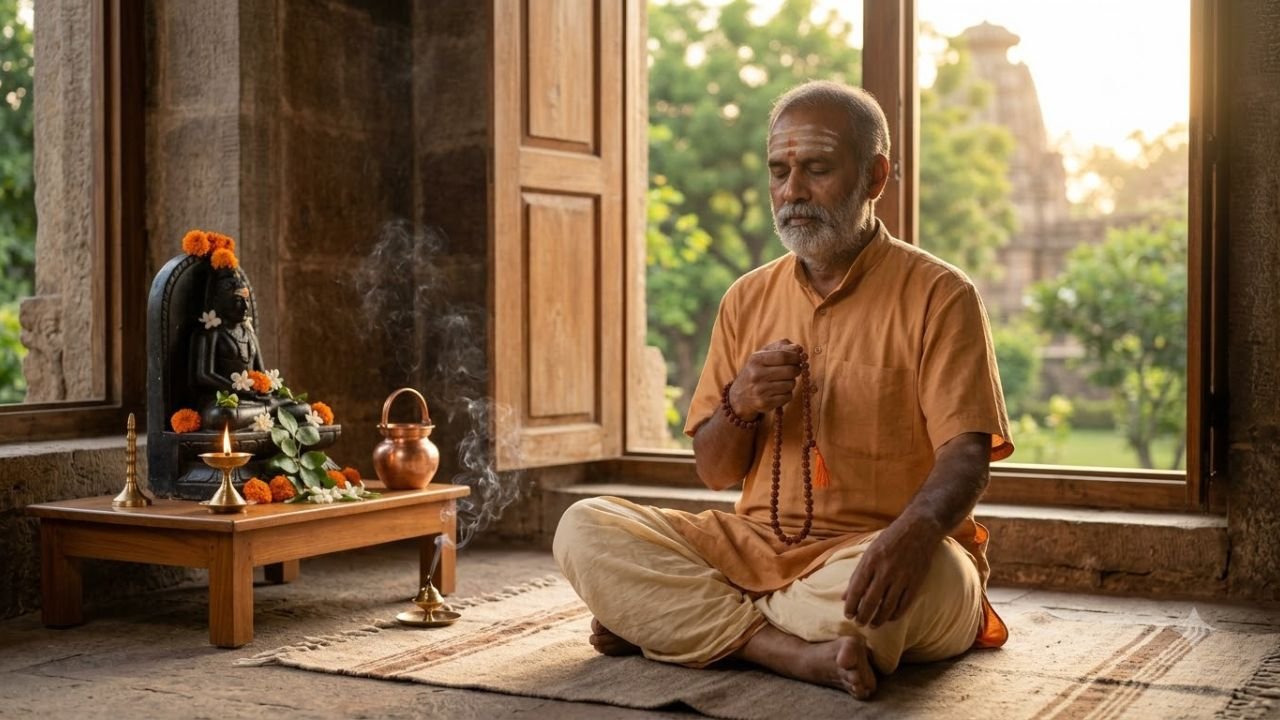
Mantra chanting is an important practice in many Hindu traditions. Repeating a sacred phrase can provide a focus for prayer and meditation.
Common examples include:
- Om Namah Shivaya — associated with devotion to Lord Shiva.
- Hare Krishna Maha Mantra — widely used in Vaishnava devotional practice.
- Om Namo Bhagavate Vasudevaya — associated with Lord Vishnu and Krishna traditions.
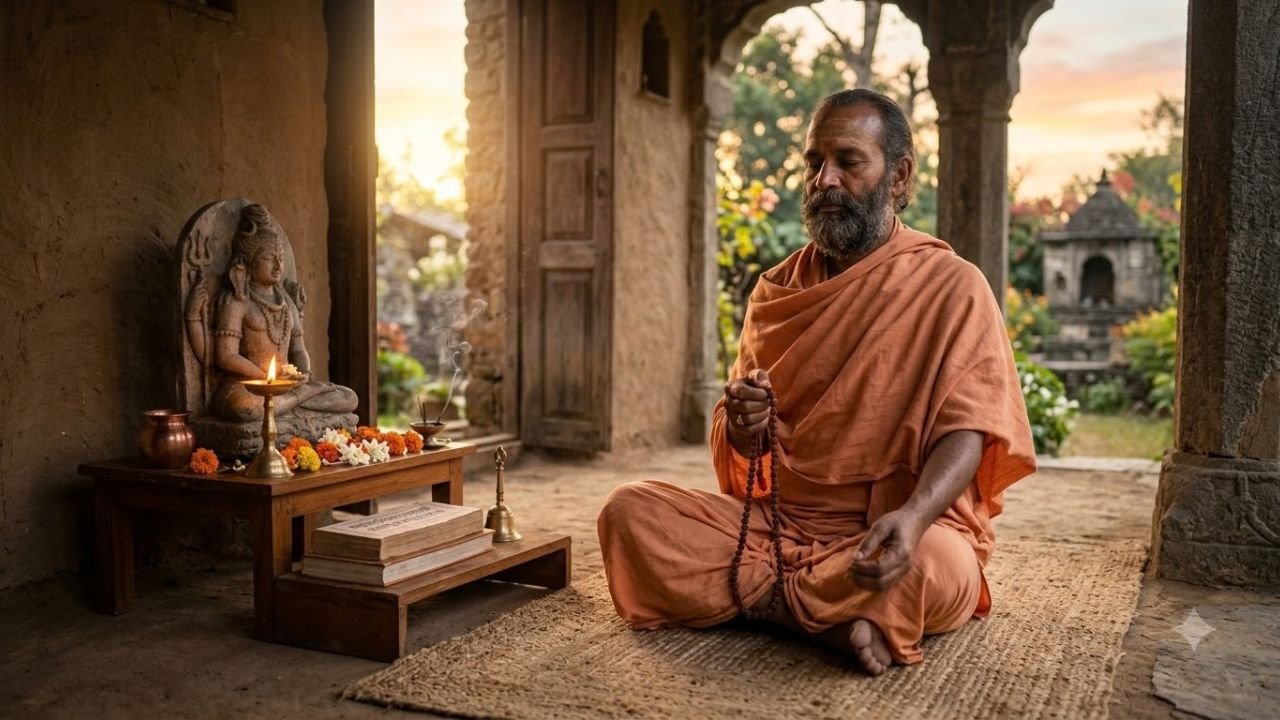
Choose a mantra that fits your beliefs and learn its pronunciation from a reliable source. You can begin with five to ten minutes of chanting in a quiet place.
Many devotees regard mantra chanting as spiritually protective. However, there is no scientific guarantee that a mantra can prevent supernatural harm or control external events. Spiritual Protection Ke Upay
2. Pray to Your Chosen Deity
Prayer is a simple way to express gratitude, ask for guidance, and reflect on personal responsibilities.
Depending on your beliefs, you may pray to Lord Shiva, Lord Krishna, Lord Hanuman, Goddess Durga, or another form of the divine.
You do not need an elaborate ritual. A few sincere words spoken in a peaceful setting can be enough to make prayer part of your daily routine.
Focus on qualities such as courage, compassion, patience, and wisdom rather than praying only out of fear.
3. Keep Your Home Clean and Peaceful
A clean and organised home can make everyday life feel more comfortable. In many Hindu households, cleanliness is also considered an important part of preparing for prayer. Spiritual Protection Ke Upay
Keep your prayer area tidy, allow fresh air into rooms when possible, and remove unnecessary clutter. You may arrange flowers, a religious picture, or a small diya in a safe place if these practices are meaningful to you.
These habits can help create a pleasant environment. There is no need to assume that ordinary mess or household problems are signs of negative spiritual energy.
4. Light a Diya Safely
Lighting a diya is a familiar devotional practice in many Hindu homes. The flame may symbolise knowledge, hope, and the removal of ignorance.
If you wish to include this ritual, place the diya on a stable, heat-resistant surface away from curtains, paper, children, and pets. Never leave an open flame unattended. Spiritual Protection Ke Upay
If an open flame is unsuitable, an electric diya can provide a similar visual reminder of your devotional routine.
The value of the practice lies in its religious and personal meaning, not in a guarantee that it will remove every problem.
5. Practise Daily Meditation
Meditation can help you pause, observe your thoughts, and return your attention to the present moment.
Start with five minutes:
- Sit comfortably in a quiet place.
- Relax your shoulders and breathe naturally.
- Pay attention to your breathing or repeat a familiar mantra.
- When your mind wanders, gently return your attention.
- End the session without judging yourself.
Meditation is not about forcing the mind to become completely empty. It is a skill that develops gradually with practice.
6. Read Sacred Texts or Inspiring Teachings
Reading a short passage from the Bhagavad Gita, the Ramayana, the Hanuman Chalisa, or another text that belongs to your tradition can provide an opportunity for reflection.
Choose material you understand and consider how its teachings relate to your daily choices.
For example, reflections on courage, duty, patience, and compassion may help you respond to difficult situations more thoughtfully. Spiritual Protection Ke Upay
Spiritual reading can support a sense of purpose, but it should not replace reliable information or professional advice when these are needed.
7. Visit a Temple or Attend Satsang
Visiting a temple, participating in a devotional gathering, or attending satsang can help people feel connected to their faith and community.
Such activities provide opportunities for prayer, learning, singing devotional songs, and meeting people who share similar values.
Choose a place or group where you feel respected and comfortable. A trustworthy spiritual community should not pressure you into expensive rituals, demand unquestioning obedience, or frighten you with claims that something terrible will happen if you do not pay for a service.
8. Practise Positive and Responsible Thinking
Spiritual protection is not only about rituals. The way you respond to daily challenges also matters.
Try to notice when fear or negative thoughts begin to dominate your attention. Ask yourself what you know for certain, what remains uncertain, and what practical step you can take. Spiritual Protection Ke Upay
You may use prayer or meditation to settle your mind before making an important decision.
Positive thinking does not mean ignoring genuine problems. It means approaching them with realistic expectations and a willingness to take constructive action.
9. Maintain Healthy Personal Boundaries
Sometimes people feel emotionally drained because of conflict, pressure, or unhealthy relationships.
You can protect your peace by setting respectful boundaries. For example, limit conversations that repeatedly become abusive, take breaks when you feel overwhelmed, and seek support from people you trust.
If someone threatens, harasses, or harms you, focus on your practical safety. Contact trusted people or appropriate local services if needed.
Spiritual practices may offer comfort, but they should not be used as a substitute for addressing harmful behaviour.
10. Practise Gratitude and Kindness
Many spiritual traditions emphasise gratitude, charity, service, and compassion.
At the end of each day, think of two or three things you appreciate. You may also help someone, share food, volunteer, or perform a small act of kindness. Spiritual Protection Ke Upay
These actions can encourage a sense of connection and purpose. They also bring spiritual values into everyday life.
You do not need to spend large amounts of money to practise generosity. Small, thoughtful actions are meaningful too.
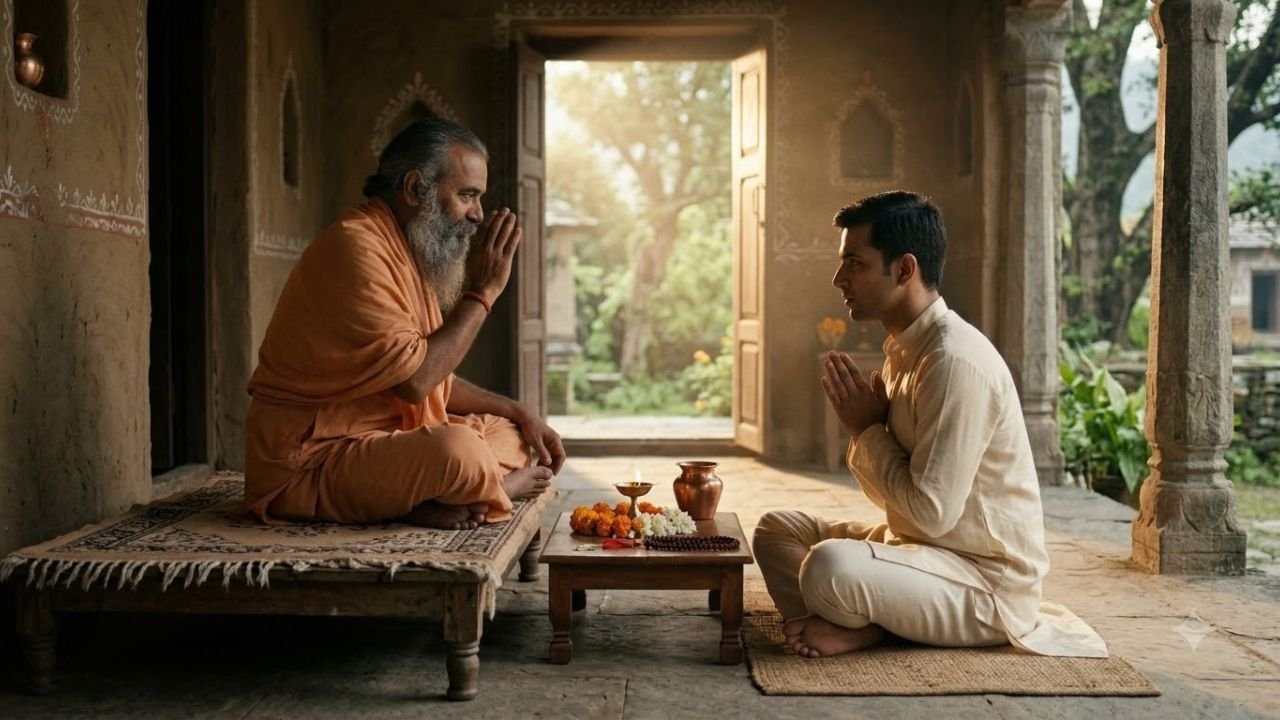
11. Seek Guidance from a Trustworthy Spiritual Teacher
If you want to understand a particular mantra, ritual, or spiritual tradition, a knowledgeable teacher may help explain its background and customary method. Spiritual Protection Ke Upay
Before following a teacher, take time to understand their approach. Ask questions and check whether the guidance is consistent with your values.
Be cautious of anyone who guarantees instant miracles, claims that you are definitely under a supernatural attack, or demands large payments to remove a curse or provide protection.
A responsible teacher should respect your ability to make informed decisions.
Spiritual Protection in Hindu Traditions
Hindu devotional practices include many ways of expressing faith and seeking divine guidance. Their meanings vary between families, communities, and spiritual lineages. Spiritual Protection Ke Upay
Lord Hanuman and Courage
Many devotees worship Lord Hanuman as a symbol of courage, devotion, strength, and service. Reciting the Hanuman Chalisa is a common devotional practice for those who feel connected to him.
For practitioners, this prayer may provide comfort and encourage courage when facing challenges. It should not be treated as a guarantee that harm cannot occur.
Goddess Durga and Divine Strength
Goddess Durga is widely worshipped as a symbol of divine strength and the triumph of good over evil. Devotees may offer prayers, chant devotional verses, or participate in festivals dedicated to her.
These practices can express faith and remind people of the importance of courage and moral strength.
Lord Shiva and Inner Peace
Devotion to Lord Shiva may include mantra chanting, meditation, prayer, and reflection. Many devotees use “Om Namah Shivaya” as part of their spiritual routine. Spiritual Protection Ke Upay
The practice may help them create a regular period for devotion and contemplation.
Signs That You May Need Practical Support, Not Only Spiritual Practices
People sometimes interpret difficult experiences through a spiritual framework. However, not every problem has a spiritual cause.
If you are experiencing ongoing fear, sleep difficulties, anxiety, family conflict, financial pressure, or repeated safety concerns, consider the practical causes as well. Spiritual Protection Ke Upay
- Speak with someone you trust.
- Seek medical or mental health support if distress affects your daily life.
- Address financial or relationship problems through appropriate practical steps.
- If you feel physically unsafe, contact local emergency services or relevant authorities.
Prayer and spiritual practice can exist alongside professional support. You do not have to choose one instead of the other.
Common Mistakes to Avoid
When exploring spiritual protection, avoid these common mistakes:
- Believing every setback is caused by negative energy or a supernatural force.
- Spending money on rituals because someone has threatened you.
- Stopping prescribed treatment in favour of spiritual remedies.
- Following unfamiliar rituals without understanding their purpose.
- Expecting immediate or guaranteed results.
- Becoming so focused on protection that everyday life is ruled by fear.
A balanced spiritual routine should help you live with greater confidence and responsibility, not make you more frightened.
Frequently Asked Questions
What Is the Best Spiritual Protection Mantra?
There is no single mantra that is best for everyone. Devotees may choose a familiar mantra such as Om Namah Shivaya or the Hare Krishna Maha Mantra according to their beliefs. Learn the mantra from a reliable source and practise without expecting guaranteed supernatural results. Spiritual Protection Ke Upay
How Can I Protect My Home Spiritually?
You may keep your home clean, maintain a peaceful prayer space, offer prayers, chant a mantra, or read sacred texts. These practices can provide a sense of comfort and religious connection.
Can Spiritual Protection Remove Negative Energy?
“Negative energy” can mean different things to different people. Prayer and meditation may help some people feel calmer, but there is no reliable scientific method to confirm that a ritual removes an invisible supernatural force. Spiritual Protection Ke Upay
Can I Practise Spiritual Protection Every Day?
Yes. You can develop a simple daily routine involving prayer, mantra chanting, meditation, gratitude, or reading spiritual teachings. Choose practices that fit your beliefs and daily life.
Do I Need a Guru for Spiritual Protection?
Not for every practice. Many common prayers and devotional mantras are openly used by devotees. Some specialised rituals or mantras may have traditional initiation requirements, so seek knowledgeable guidance when necessary.
Conclusion
The most balanced approach to Spiritual Protection Ke Upay combines faith, inner discipline, practical awareness, and healthy daily habits. Spiritual Protection Ke Upay
Prayer, mantra chanting, meditation, sacred reading, gratitude, and participation in a supportive spiritual community can help people feel connected to their beliefs. Keeping your home peaceful and maintaining healthy boundaries can also support everyday well-being.
Remember that no ritual can guarantee complete protection from every difficulty. If a real safety, health, or personal problem arises, take practical steps and seek appropriate help.
Spirituality can be a source of courage and comfort when practised with understanding rather than fear.
For more information about Hindu spirituality, mantra traditions, and Aghori-related subjects, visit the website of Aghori Rudra Maharaj. Spiritual Protection Ke Upay
Website: https://www.aghorirudramaharaj.info/
Call / WhatsApp: +91-7357771057
Email: info@aghorirudramaharaj.info

Leave a Reply