
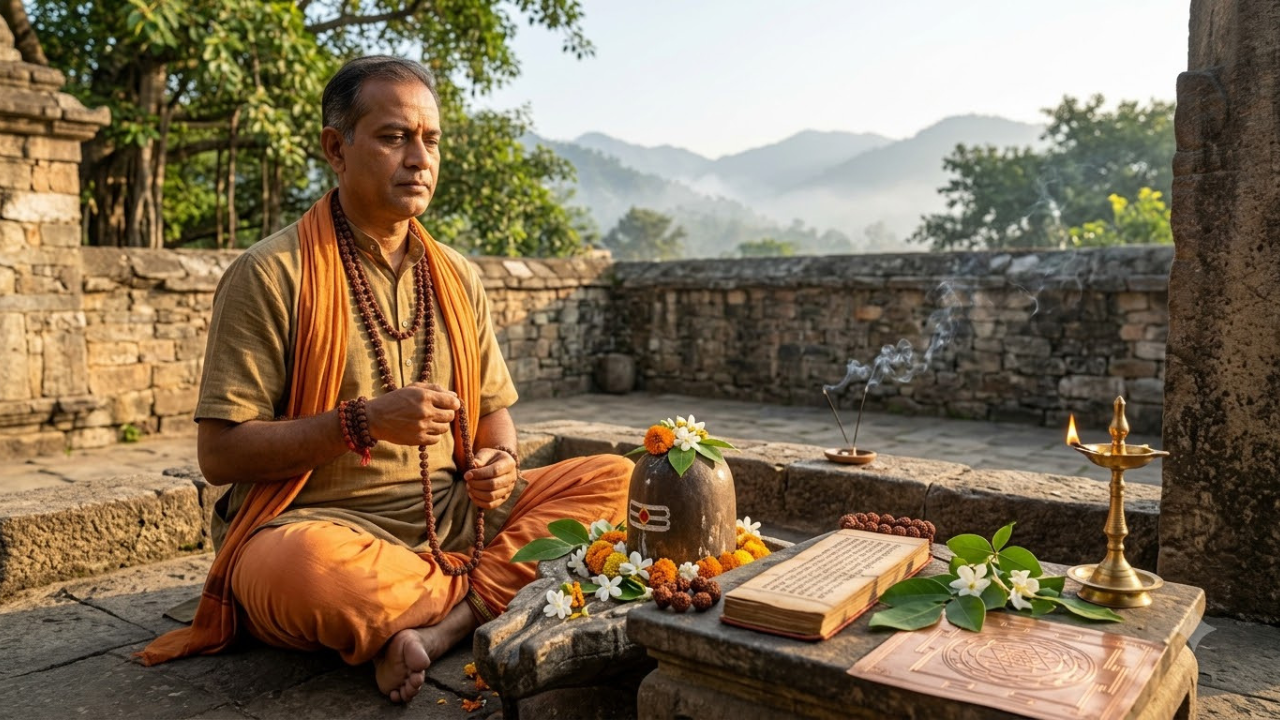
Meaning, Spiritual Importance and Sadhana
Rudraksha Aur Tantra Rudraksha Aur Tantra is an interesting topic for people who want to learn about Lord Shiva, Indian spiritual traditions, mantra, meditation, and tantric practices. Rudraksha beads are closely associated with Lord Shiva and are widely used by devotees, yogis, and spiritual practitioners. In many traditions, they are worn as a symbol of devotion, discipline, and spiritual connection.
Tantra, on the other hand, is a broad spiritual tradition that includes different methods of meditation, mantra chanting, visualization, worship, and ritual practice. When Rudraksha is discussed in connection with Tantra, it is usually considered a spiritual aid that may help a practitioner maintain focus and remember their chosen deity.
However, it is important to distinguish traditional beliefs from scientifically established facts. Rudraksha is culturally and spiritually meaningful to many people, but claims that it automatically provides supernatural powers or guarantees specific life results are not scientifically established. Rudraksha Aur Tantra
In this article, we will explore the meaning of Rudraksha, its connection with Lord Shiva, its role in Tantra Sadhana, the importance of mantra, and how beginners can approach these traditions respectfully.
What Is Rudraksha?
Rudraksha is a natural seed obtained from the Elaeocarpus ganitrus tree, which grows in parts of South and Southeast Asia. The seeds are traditionally used to make malas, or prayer beads. Rudraksha Aur Tantra
The word Rudraksha is commonly connected with “Rudra,” a name associated with Lord Shiva, and “Aksha,” often interpreted as eye. Hindu devotional traditions explain the name through sacred stories associated with Shiva.
For devotees, Rudraksha represents a connection with Mahadev and the spiritual values associated with him, including meditation, detachment, awareness, and self-discipline. Rudraksha Aur Tantra
Why Is Rudraksha Associated With Lord Shiva?
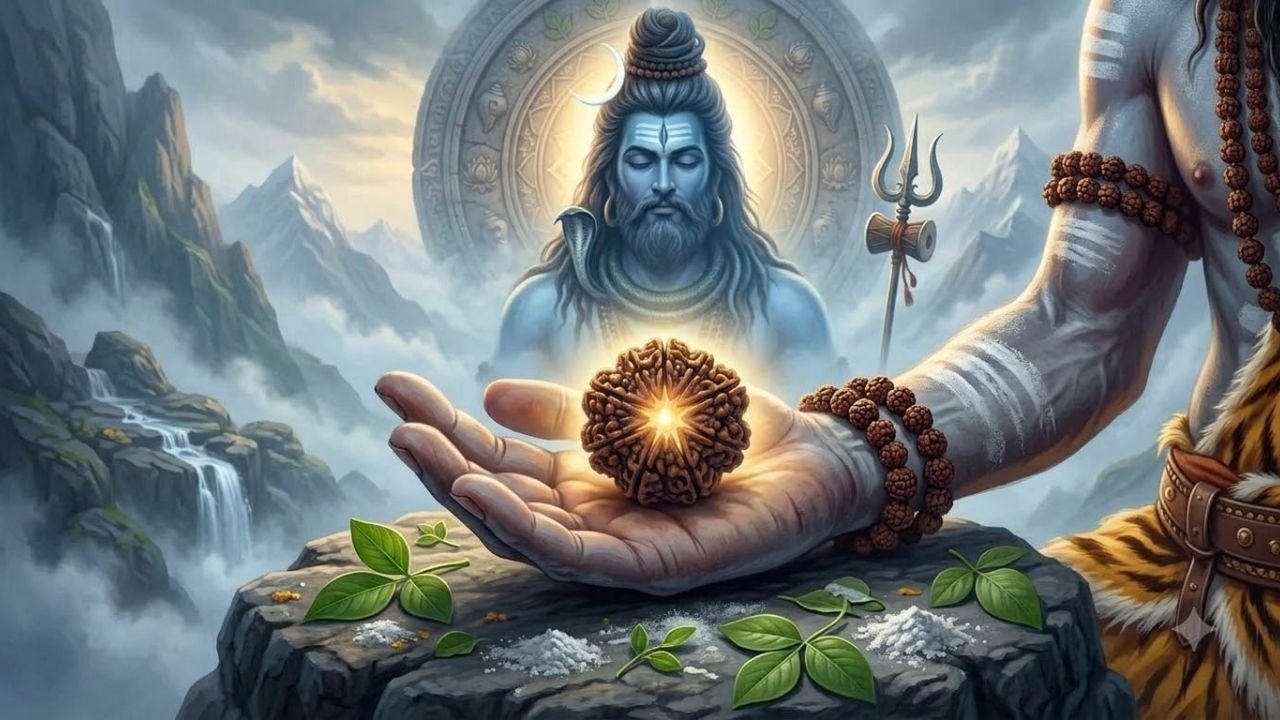
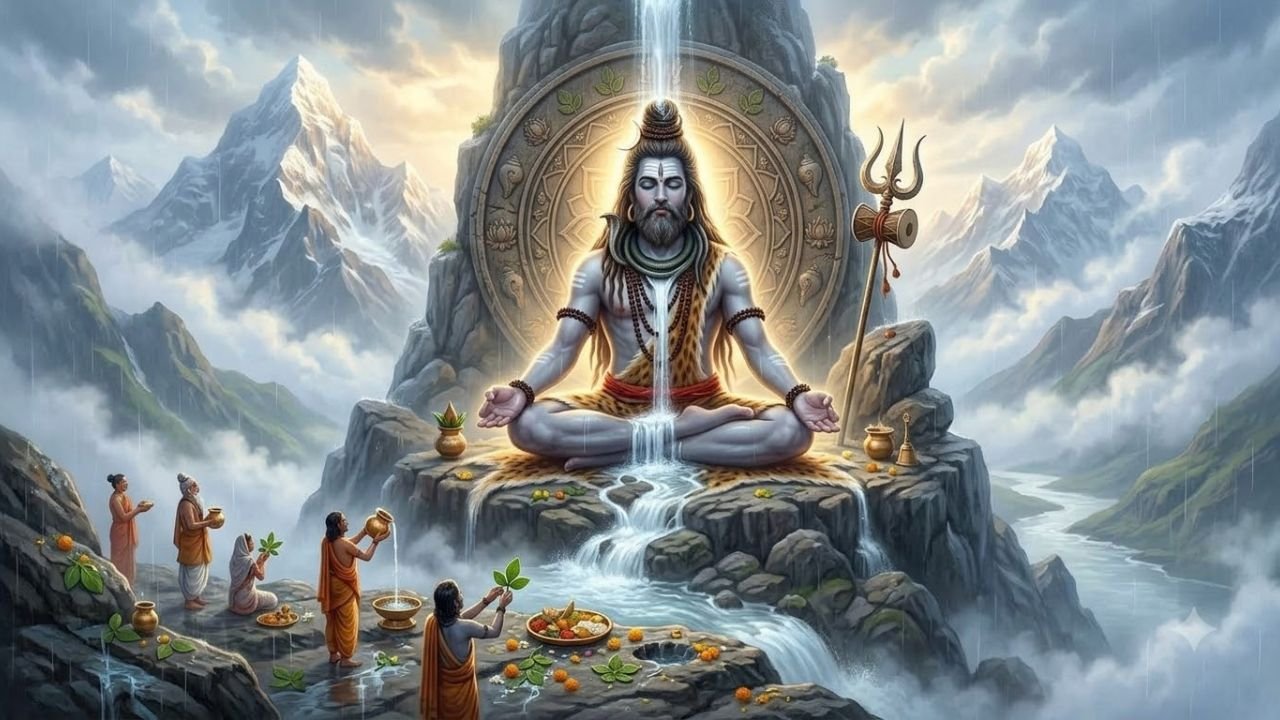
Lord Shiva is often depicted wearing Rudraksha beads in religious images and traditional representations. This association has made Rudraksha especially important in Shaiva worship.
Devotees may wear a Rudraksha mala, use it while chanting a mantra, or keep it in their prayer space.
For many people, the beads serve as a daily reminder to practise devotion, remain calm, and live with greater awareness.
What Is Tantra?
Tantra refers to a diverse group of Indian spiritual and philosophical traditions. It is not one single practice, and its methods vary according to the school, lineage, and purpose. Rudraksha Aur Tantra
Tantric traditions may include:
- Mantra chanting
- Meditation
- Deity worship
- Visualization
- Yantra practices
- Ritual offerings
- Concentration and spiritual discipline
The educational material published on the Aghori Rudra Maharaj website also presents Tantra as a broader spiritual discipline rather than simply equating it with black magic. Rudraksha Aur Tantra
Is Tantra the Same as Black Magic?
No. Tantra should not automatically be understood as black magic.
Many tantric traditions focus on spiritual awareness, devotion, meditation, and transformation of consciousness. Some traditions include specialised rituals, but these do not define the entire tantric tradition.
Understanding this difference helps readers approach Rudraksha Aur Tantra without unnecessary fear or exaggerated expectations.
What Is the Connection Between Rudraksha and Tantra?
Rudraksha is used in different spiritual practices, including some Shaiva and tantric traditions. Its role depends on the practitioner’s tradition and the particular practice being followed. Rudraksha Aur Tantra
Three common connections are particularly important.
1. Rudraksha as a Tool for Mantra Counting
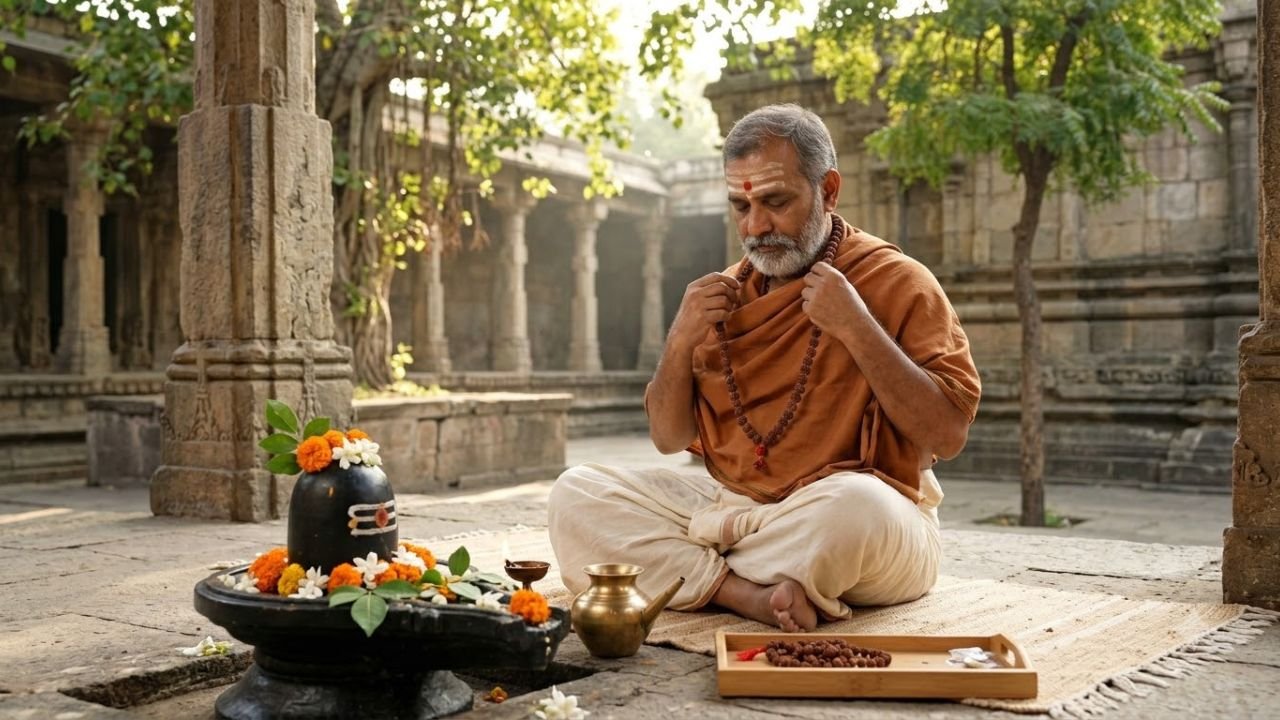
A Rudraksha mala is often used to count mantra repetitions. Moving from one bead to the next provides a physical structure for the practice and helps the practitioner maintain a steady rhythm.
For example, a Shiva devotee may use a Rudraksha mala while chanting “Om Namah Shivaya.”
The mala does not need to be understood as a source of supernatural power. It can also serve as a practical aid for regular prayer and concentration. Rudraksha Aur Tantra
2. Rudraksha as a Symbol of Devotion
In spiritual practice, symbols can remind people of their values and intentions.
For a Shiva devotee, Rudraksha may represent faith, humility, discipline, and commitment to a spiritual path.
When worn or used during meditation, it can help establish a personal connection with daily worship.
3. Rudraksha and Meditation
Some practitioners use Rudraksha beads during meditation because they associate them with Shiva and spiritual awareness.
Holding a mala while meditating may help a person maintain a regular routine. The benefit of the practice depends on the individual’s approach and experience; it should not be assumed that the beads themselves guarantee a particular mental or spiritual result. Rudraksha Aur Tantra
The Importance of Rudraksha in Tantra Sadhana
Sadhana means disciplined spiritual practice. Depending on the tradition, it may involve prayer, mantra, meditation, worship, or other structured activities.
Within a tradition that uses Rudraksha, the beads may form one part of the practitioner’s routine.
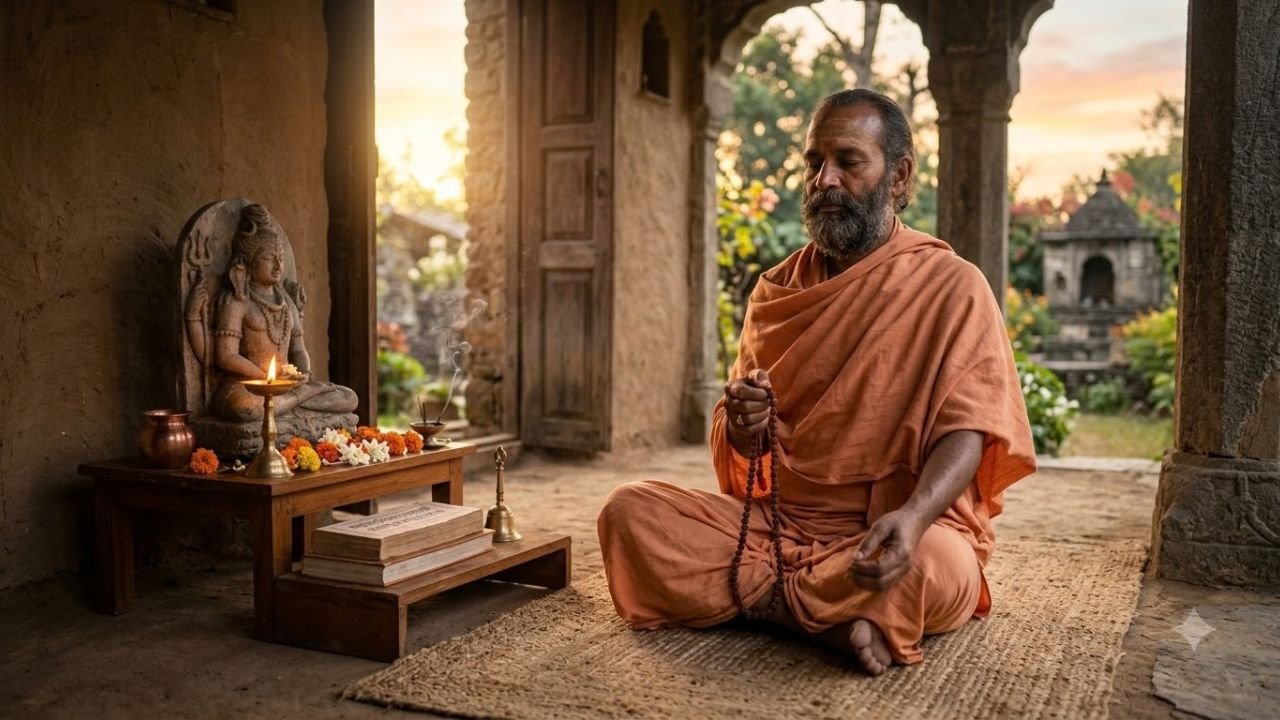
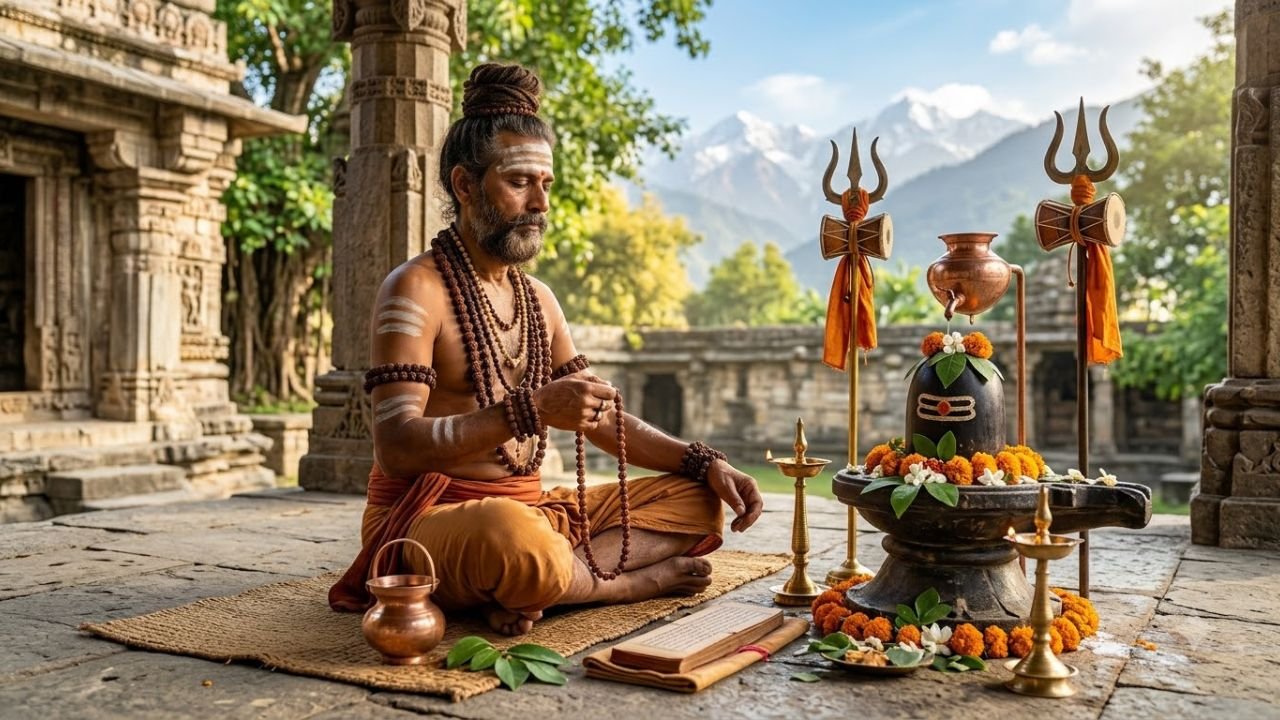
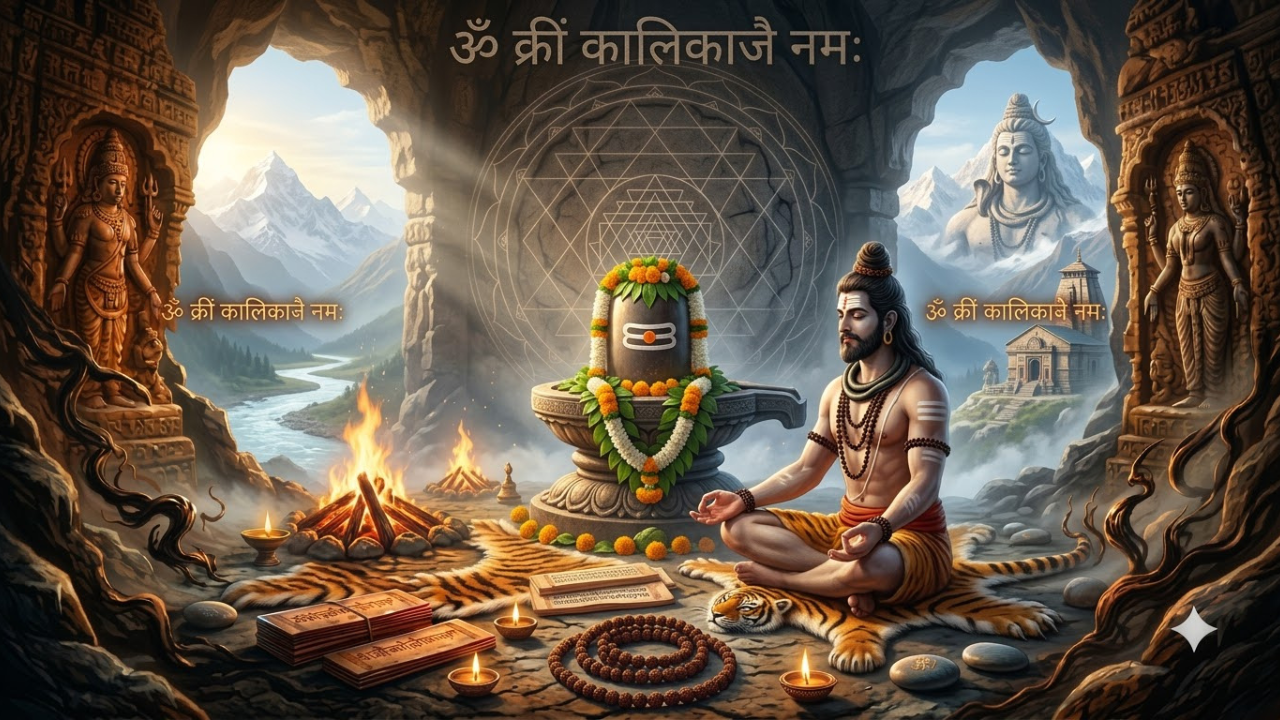
A typical devotional session might include preparing a quiet place, offering a prayer to Lord Shiva, chanting a familiar mantra, sitting quietly for meditation, and ending with a moment of gratitude. Rudraksha Aur Tantra
This is a general devotional routine, not a prescribed advanced tantric ritual. Specific tantric practices may have their own requirements and should be learned through appropriate guidance.
Does Rudraksha Automatically Give Siddhi?
No reliable scientific evidence shows that wearing Rudraksha automatically grants supernatural powers or siddhis.
Traditional stories sometimes associate particular spiritual practices with special attainments. However, such claims should be understood within their religious context rather than treated as guaranteed results. Rudraksha Aur Tantra
A sincere spiritual practice is better approached with patience, realistic expectations, and respect for the tradition.
Different Types of Rudraksha
Rudraksha beads are commonly classified by the number of natural lines or divisions running along their surface. These are called mukhis.
One-Mukhi Rudraksha
One-mukhi Rudraksha is traditionally associated with spiritual focus and Shiva devotion. Authentic examples are considered rare, and sellers’ claims should be checked carefully.
Five-Mukhi Rudraksha
Five-mukhi Rudraksha is widely used in prayer malas and is popular among devotees. Many people choose it for daily mantra chanting and devotional practice. Rudraksha Aur Tantra
Other Mukhi Rudraksha Beads
Other varieties are associated with different traditional meanings. The interpretations and recommended uses may vary between religious traditions and sellers.
It is important to remember that traditional associations are matters of belief. A bead’s mukhi count does not establish that it will produce a particular financial, health, or supernatural outcome.
Rudraksha and the Mantra “Om Namah Shivaya”
“Om Namah Shivaya” is one of the best-known mantras associated with Lord Shiva. It is commonly used in devotional prayer and meditation.
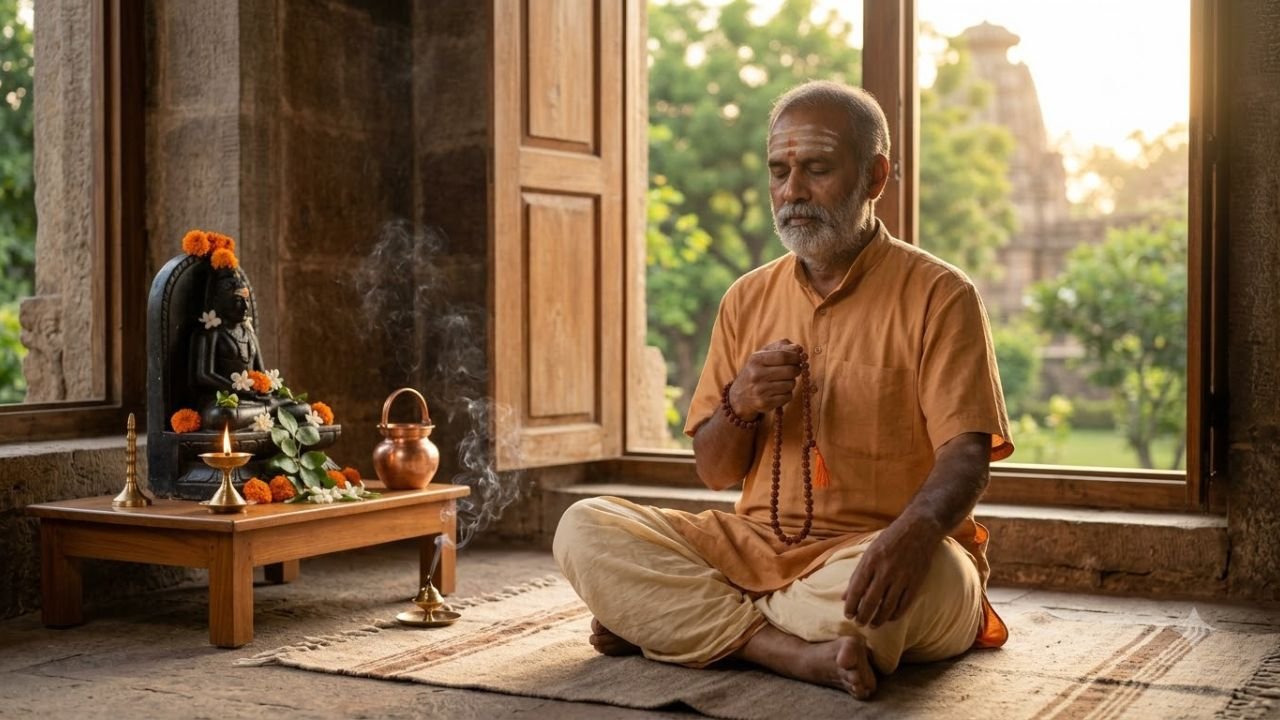
A person may use a Rudraksha mala to count repetitions while focusing on the sound and meaning of the mantra.
For beginners, a simple approach is to:
- Sit comfortably in a quiet place.
- Take a few calm breaths.
- Begin chanting “Om Namah Shivaya” at a comfortable pace.
- Use the mala to keep track of repetitions if desired.
- Finish with a few moments of silence.
This is a general devotional practice, not a substitute for specialised tantric instruction. There is no need to force unusual experiences or expect immediate supernatural results.
Rudraksha in Aghor and Shaiva Traditions
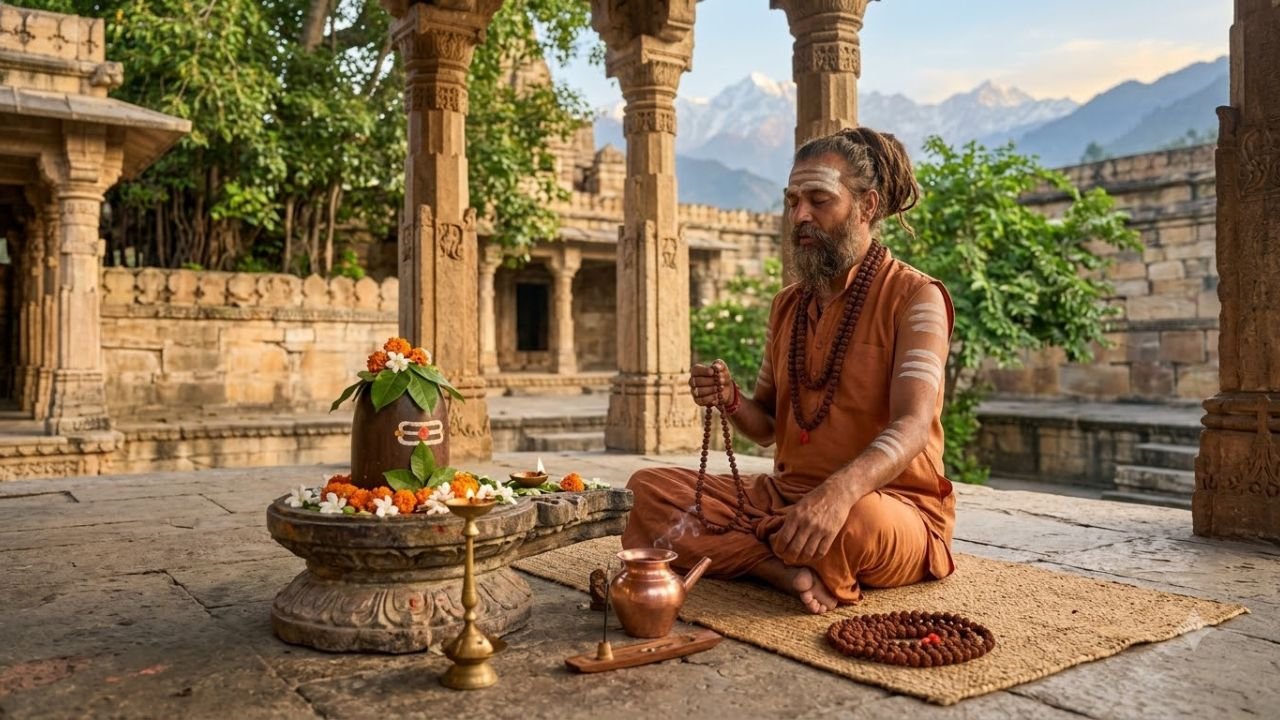
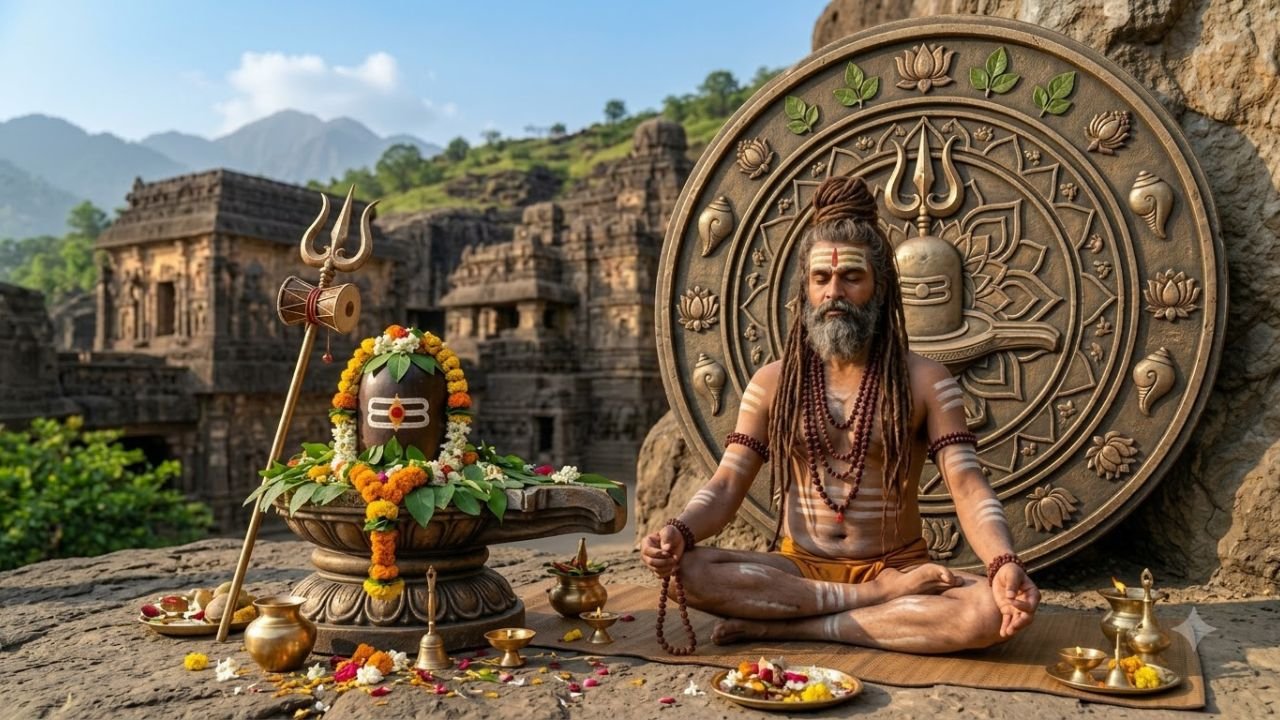
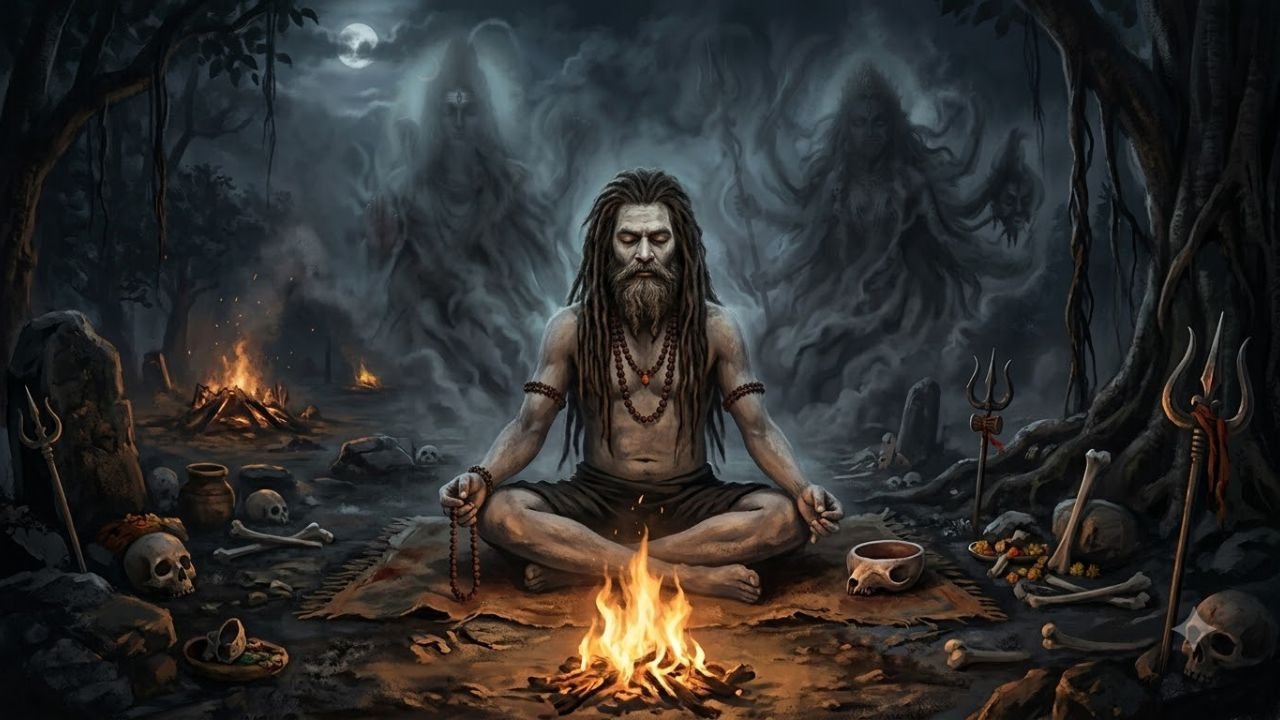
Rudraksha is often associated with Shiva-oriented ascetics, including images of Aghori sadhus. It is also seen in representations of yogis and other spiritual practitioners.
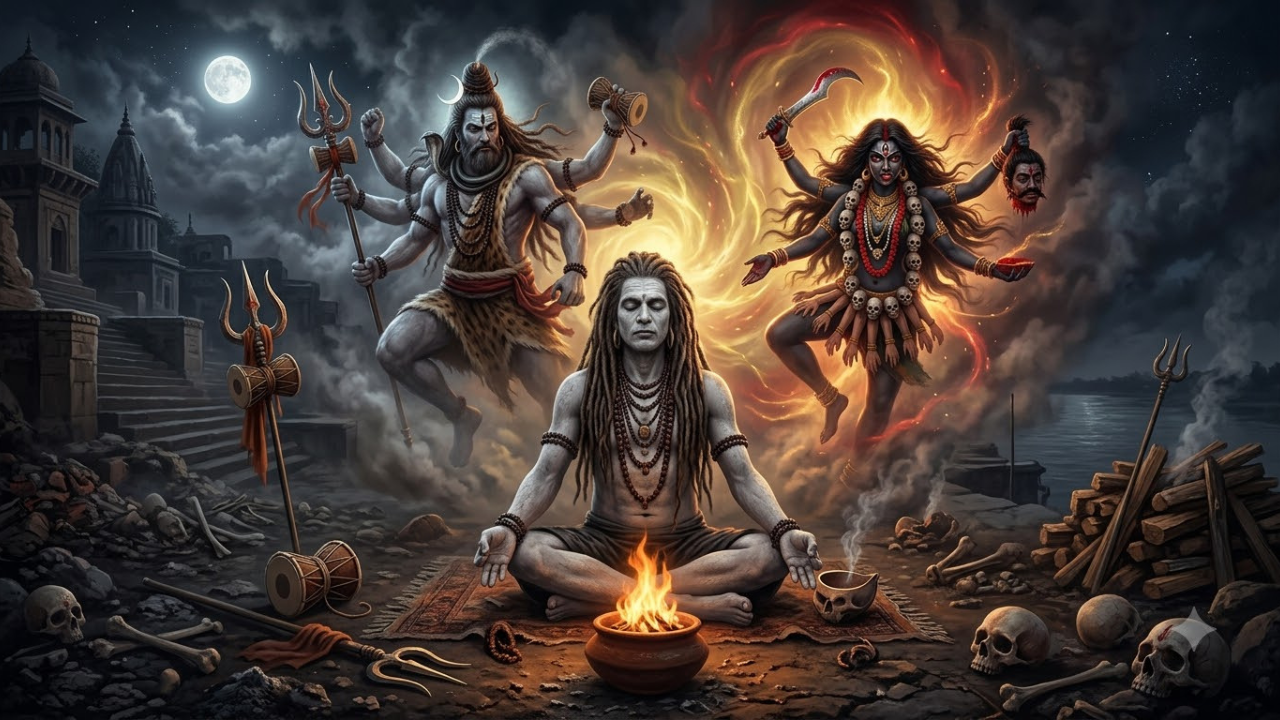
Aghor traditions are frequently discussed in connection with Shiva, meditation, detachment, fearlessness, and disciplined spiritual practice. The Aghori Rudra Maharaj website explores these themes in its articles about Aghor and Tantra. Rudraksha Aur Tantra
However, wearing Rudraksha does not automatically make someone an Aghori or an advanced tantric practitioner. Spiritual traditions involve more than external appearance or religious objects.
The deeper emphasis is on understanding the tradition, practising responsibly, and developing self-awareness.
How to Choose and Care for Rudraksha
People interested in Rudraksha should pay attention to authenticity, condition, and the credibility of the seller.
Check the Seller’s Claims
Be cautious of sellers who promise guaranteed wealth, instant success, supernatural powers, or protection from every problem.
Choose According to Your Purpose
If you want a mala for daily mantra chanting, a commonly available prayer mala may be sufficient. You do not necessarily need an expensive or rare bead.
Care for the Beads
Keep the mala clean and dry, and follow the care instructions appropriate for the material. Avoid exposing it unnecessarily to harsh chemicals or rough handling.
The spiritual value of Rudraksha for a devotee does not depend on making extravagant purchases.
The Role of a Guru in Tantra Sadhana
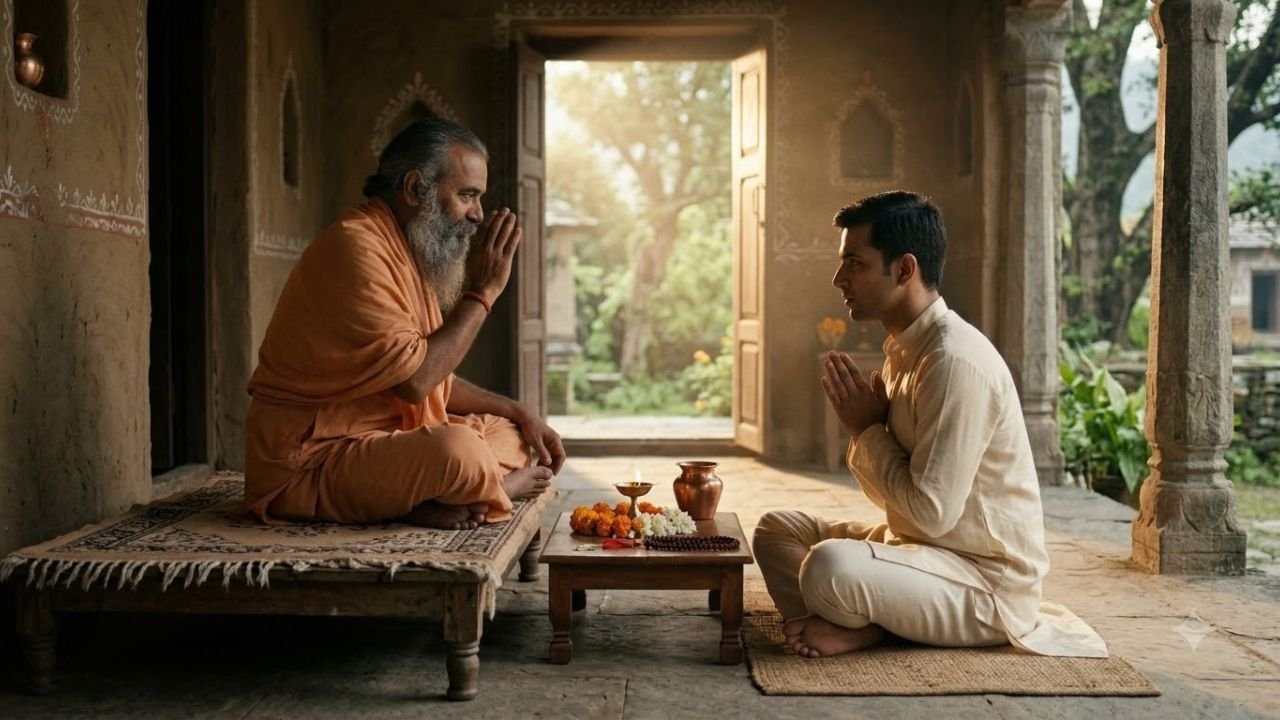
Many tantric traditions emphasise the relationship between a Guru and a disciple. A teacher may explain the background, purpose, and requirements of a particular practice.
This is especially relevant to specialised rituals or mantras that belong to a particular lineage.
Beginners can start by studying reliable educational material and practising simple devotional activities. Advanced rituals should not be attempted merely by copying unverified instructions from social media or unknown websites. Rudraksha Aur Tantra
A responsible teacher should encourage discipline, ethical conduct, personal safety, and realistic expectations—not fear or financial dependence.
Common Myths About Rudraksha Aur Tantra
Myth 1: Rudraksha Is Only for Aghoris
Rudraksha is used by many Shiva devotees, spiritual practitioners, and people who value it as a religious symbol. It is not limited to Aghoris.
Myth 2: Every Rudraksha Has the Same Meaning
Traditional interpretations differ according to the bead’s mukhi count and the religious tradition involved.
Myth 3: Rudraksha Guarantees Wealth and Success
There is no reliable scientific evidence that wearing Rudraksha guarantees wealth, employment, relationships, or success.
Myth 4: Tantra Is Always Dangerous
Tantra includes diverse spiritual and philosophical traditions. It should not be judged only by sensational stories or frightening portrayals.
Myth 5: Expensive Beads Are Always More Powerful
Price alone does not establish authenticity or spiritual value. Make purchasing decisions carefully and avoid pressure from sellers.
Rudraksha Aur Tantra in Everyday Life
The ideas associated with Rudraksha and Tantra can be explored through simple, sustainable habits.
A person may use a mala during prayer, set aside a few minutes for meditation, learn about Shiva through devotional literature, and practise patience and self-discipline in daily life.
These activities can give structure to a personal spiritual routine. Their meaning will differ from person to person, and no supernatural outcome should be assumed.
The central lesson is that a spiritual object is most useful when it supports a thoughtful practice rather than replacing personal responsibility.
Final Thoughts
Rudraksha Aur Tantra brings together two important subjects in Indian spiritual culture: the sacred beads associated with Lord Shiva and the diverse traditions of tantric spiritual practice.
Rudraksha is commonly used for mantra counting, devotion, and meditation. Tantra may include mantra, visualization, worship, ritual, and disciplined awareness, depending on the particular tradition.
Their connection is best understood through the role of spiritual discipline, devotion, and personal meaning—not through promises of instant powers or guaranteed results. Rudraksha Aur Tantra
Anyone exploring Rudraksha or Tantra should approach the subject with respect, curiosity, and critical thinking. Learn the traditional context, choose authentic educational sources, and seek qualified guidance for specialised practices.
The deeper value of Rudraksha Aur Tantra lies in how these traditions may encourage a person to practise devotion, cultivate awareness, and live with greater patience and responsibility.
Reference Website: Aghori Rudra Maharaj
Website: https://www.aghorirudramaharaj.info/
Name: Aghori Rudra Maharaj
Call / WhatsApp: +91-7357771057
Email: info@aghorirudramaharaj.info
For additional reading, explore the website’s articles on Tantra-Mantra Sadhana and Aghor Tantra.

Leave a Reply