
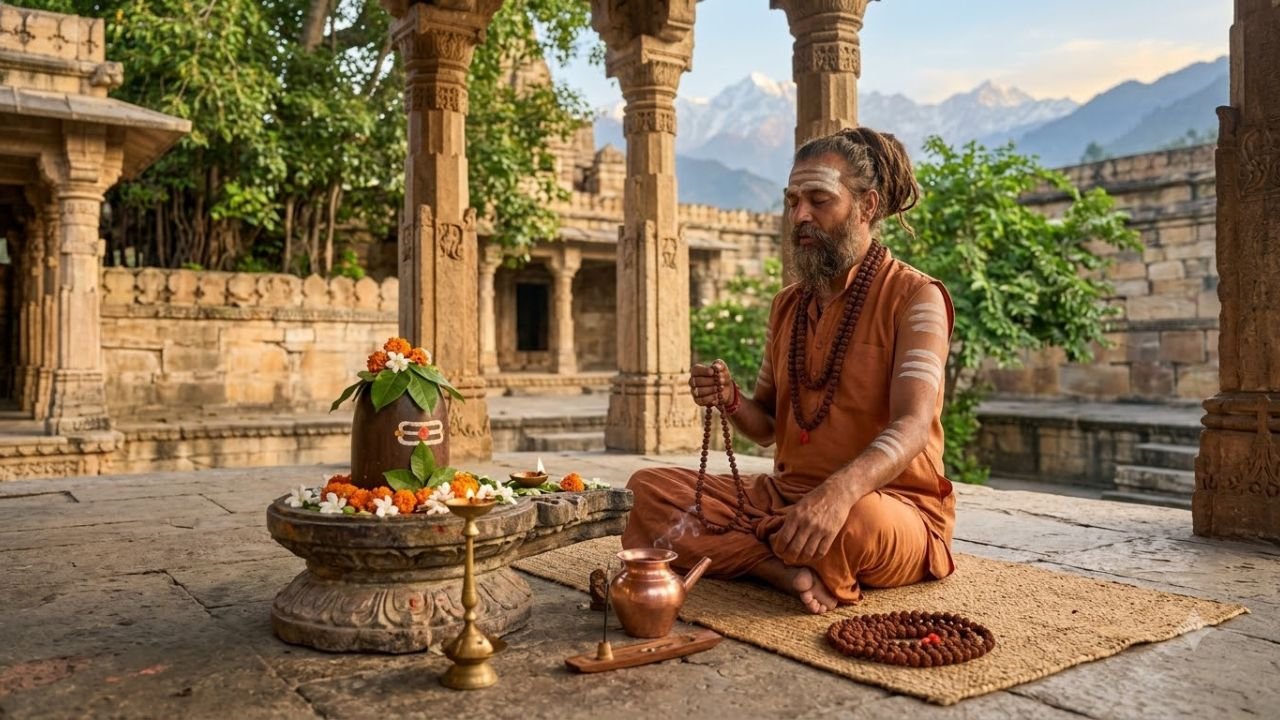
Understanding the Power of Mantra, Faith and Sadhana
Mantra Kab Kaam Karte Hain? This is a common question among people interested in Hindu spirituality, meditation, Tantra, mantra chanting, and spiritual growth. Many people chant mantras to seek peace, strengthen their devotion, improve concentration, or feel closer to a chosen deity.
In Hindu spiritual traditions, mantras are considered sacred sounds, words, or phrases. They are used in prayer, meditation, worship, and different forms of Sadhana. Many devotees believe that regular mantra chanting helps develop discipline, faith, and inner awareness.
However, people sometimes expect a mantra to solve every problem immediately. It is important to understand that traditional spiritual beliefs are different from scientifically established facts. Chanting may provide a meaningful spiritual routine, but it does not guarantee wealth, relationships, success, supernatural powers, or a particular outcome. Mantra Kab Kaam Karte Hain
In this article, we will explore when mantras are traditionally believed to work, how regular chanting may help, why discipline matters, the role of a Guru, and how beginners can approach mantra practice responsibly.
What Is a Mantra?
A mantra is a sacred sound, word, or phrase used in spiritual traditions. The word is commonly understood in Hindu philosophical explanations through ideas associated with the mind and its protection or support.
Mantras are found in many Indian religious traditions. Some are associated with particular deities, while others are used for meditation, contemplation, or spiritual discipline. Mantra Kab Kaam Karte Hain
Common examples include:
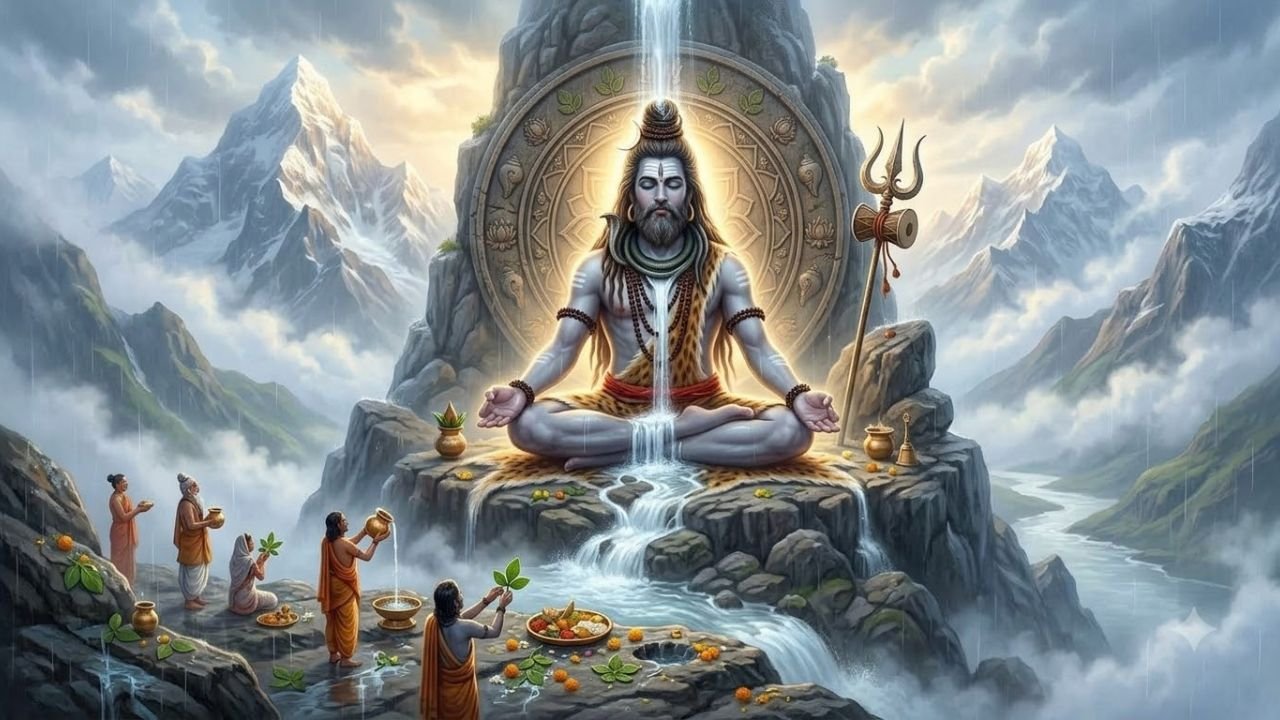
- Om Namah Shivaya — associated with Lord Shiva.
- Hare Krishna Mahamantra — used in Krishna devotion.
- Gayatri Mantra — a well-known Vedic mantra.
- Mahamrityunjaya Mantra — traditionally associated with Lord Shiva and prayers for well-being.
Different mantras have different meanings, purposes, and traditional contexts. They should not all be treated as interchangeable.
Mantra Kab Kaam Karte Hain?
There is no single time at which every mantra is guaranteed to produce a result. The answer depends on what someone means by “working.”
For one person, a mantra may help establish a regular meditation routine. For another, it may be an expression of devotion or a reminder to remain patient during a difficult period. Mantra Kab Kaam Karte Hain
In traditional spiritual understanding, mantra practice is often connected with sincerity, regularity, concentration, and correct understanding.
1. When Chanting Is Regular
Regular practice is an important part of many spiritual traditions.
Chanting a mantra occasionally may be meaningful, but maintaining a consistent routine can make it easier to develop concentration and remember the purpose of the practice.
For example, a person may spend five to ten minutes each morning chanting “Om Namah Shivaya.” Over time, this can become a familiar period for prayer and reflection. Mantra Kab Kaam Karte Hain
Consistency does not guarantee supernatural results. It simply provides structure for a spiritual habit.
2. When the Mind Is Focused
Mantra chanting is often practised with attention to the sound, rhythm, and meaning of the words.
If someone repeats a mantra while constantly checking a phone or worrying about unrelated matters, they may find it difficult to concentrate.
A quiet environment and a comfortable posture can help a person give more attention to the practice.
It is normal for the mind to wander. The practitioner can gently return attention to the mantra without becoming frustrated.
3. When the Meaning Is Understood
Understanding a mantra’s meaning can make the practice more personally meaningful.
For example, devotees chant “Om Namah Shivaya” as an expression of reverence toward Lord Shiva. Remembering this meaning can help connect the words with devotion and personal values. Mantra Kab Kaam Karte Hain
Some traditions also place importance on pronunciation and learning from a knowledgeable teacher.
However, a person should not assume that a small pronunciation mistake automatically causes harm or guarantees failure.
4. When Practice Is Combined With Right Action
Mantra chanting should not be treated as a replacement for practical effort.
If someone chants a mantra for success in work, they still need to learn skills, meet responsibilities, and make sensible decisions. If they pray for peace in a relationship, respectful communication and responsible behaviour remain important. Mantra Kab Kaam Karte Hain
Spiritual practice can support personal reflection, but real-world outcomes also depend on circumstances, decisions, and factors outside one’s control.
Does a Mantra Work Immediately?
Some people report feeling peaceful or focused during their first chanting session. Others need time to become comfortable with the practice.
There is no universal timetable for spiritual experiences.
Traditional accounts may describe powerful experiences or spiritual attainments, but such accounts should not be treated as a promise that everyone will experience the same thing.
Claims such as “this mantra will solve every problem in seven days” should be approached cautiously, especially when used to demand money or create fear. Mantra Kab Kaam Karte Hain
A responsible approach is to practise without expecting instant results.
The Role of Faith in Mantra Chanting
Faith is important in many devotional traditions.
For devotees, faith can provide a sense of connection with a deity and a reason to continue prayer during difficult times. It may also encourage gratitude, patience, and hope. Mantra Kab Kaam Karte Hain
However, faith should not be confused with a guarantee that every wish will come true.
People can find spiritual meaning in chanting while also accepting uncertainty and taking practical steps to address their problems.
A balanced approach respects personal belief without presenting every traditional claim as a scientifically proven fact.
The Importance of Sadhana
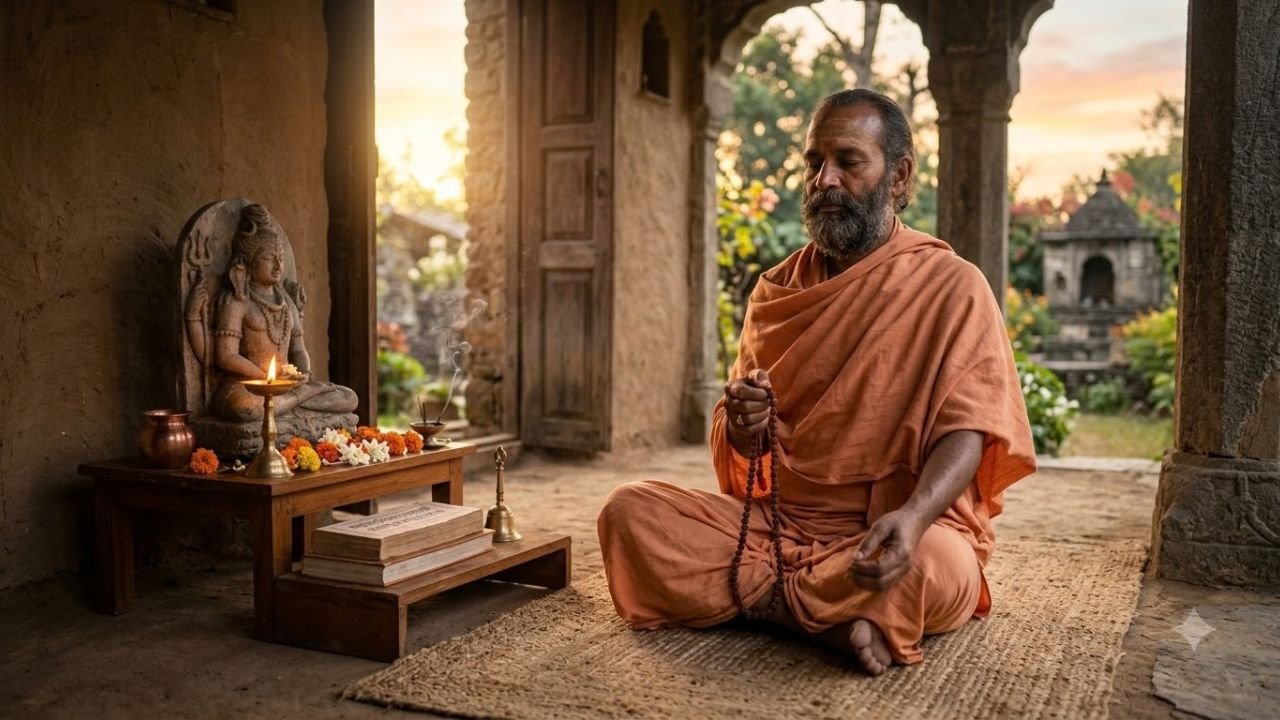
Sadhana means disciplined spiritual practice. Depending on the tradition, it may involve mantra chanting, meditation, prayer, worship, or other activities. Mantra Kab Kaam Karte Hain
Sadhana is often understood as a process rather than a one-time event.
What Does Regular Sadhana Involve?
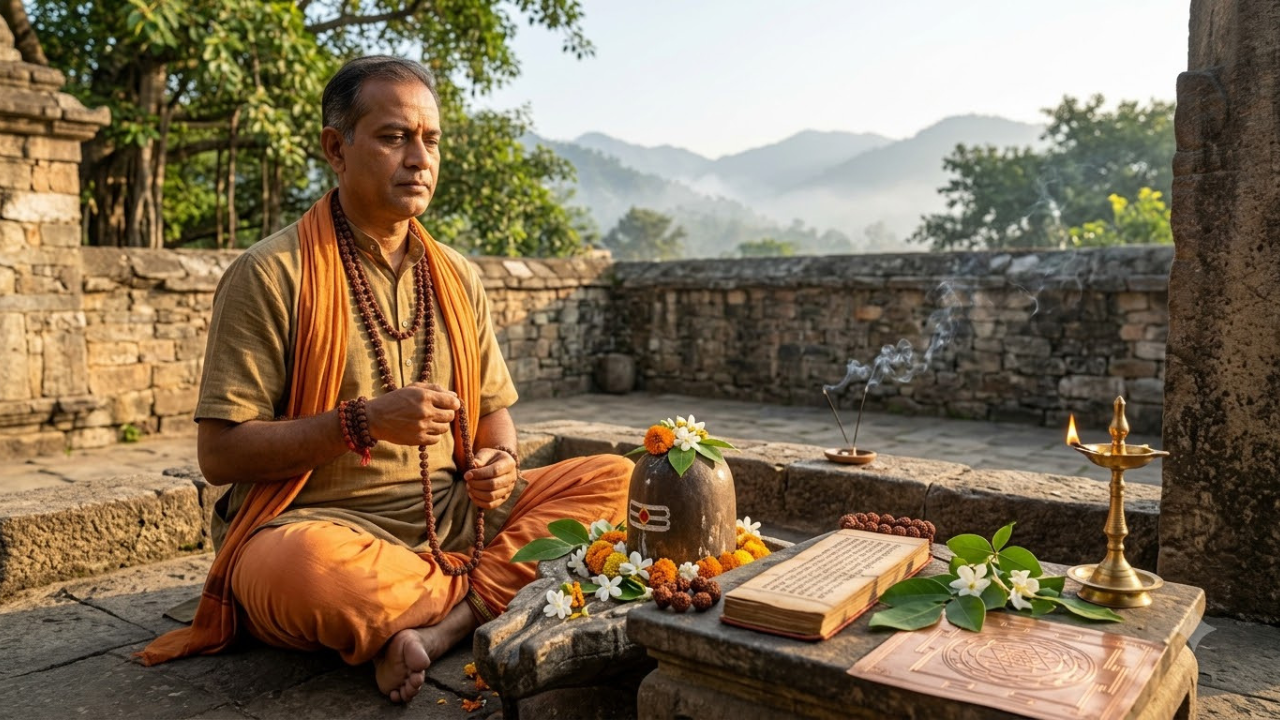
A simple devotional routine may include:
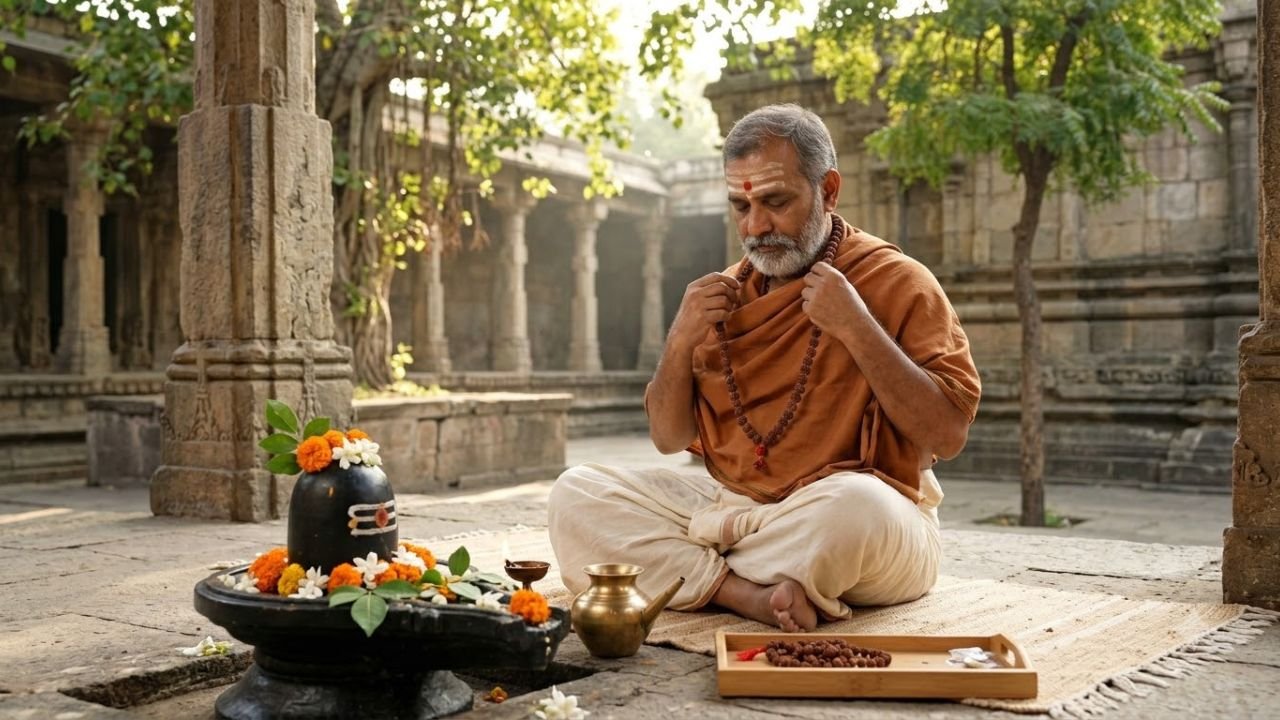
- Choosing a quiet and clean place.
- Sitting comfortably and settling the breath.
- Remembering the chosen deity or spiritual intention.
- Chanting a familiar mantra for a set period.
- Sitting quietly for a few moments afterward.
- Returning to daily responsibilities with awareness.
Beginners can start with a short session and increase the duration if it feels comfortable.
Advanced tantric practices may involve specific rules or initiation according to a particular lineage. These should not be copied from unverified online instructions.
Does a Guru Matter in Mantra Sadhana?
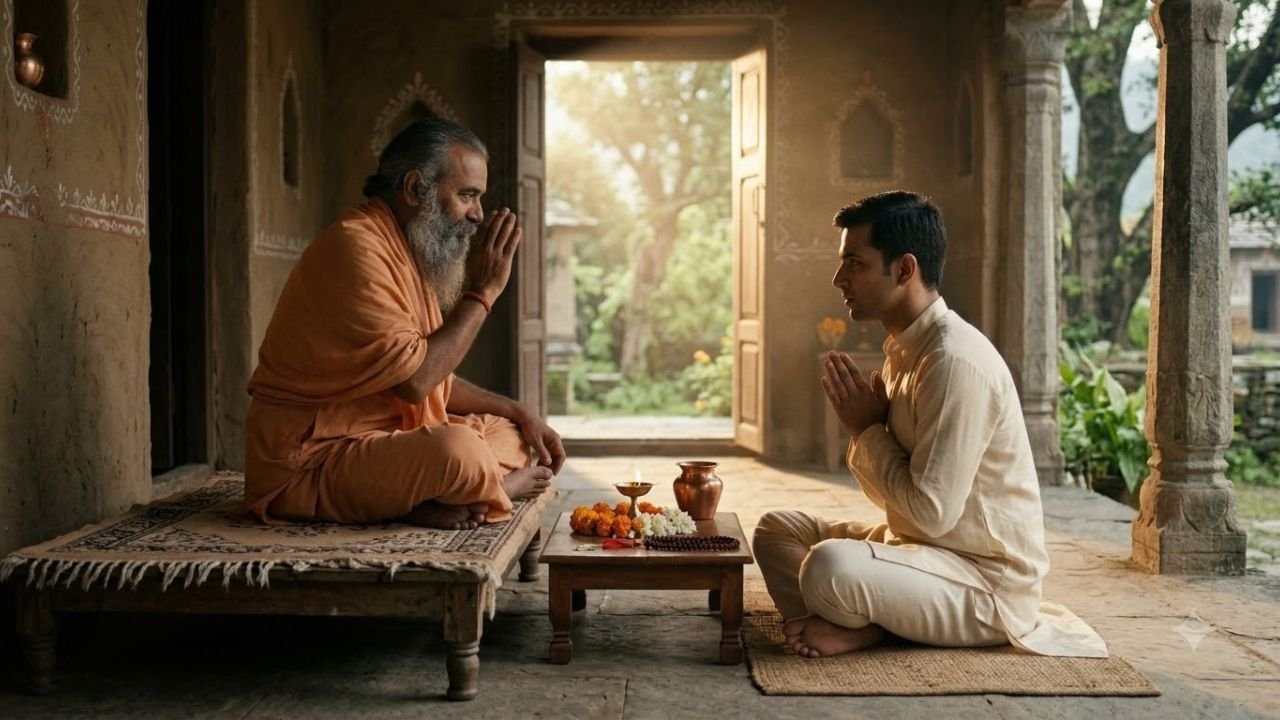
Many Indian spiritual traditions value the relationship between a Guru and a disciple.
A knowledgeable teacher can explain the meaning, background, pronunciation, and traditional use of a mantra. This is particularly relevant for specialised mantras associated with particular lineages or tantric practices. Mantra Kab Kaam Karte Hain
Not every simple devotional mantra requires formal initiation in every tradition. Requirements vary.
A responsible teacher should encourage understanding, discipline, ethical conduct, and realistic expectations. Be cautious of anyone who promises guaranteed supernatural powers or demands large payments by creating fear.
The Aghori Rudra Maharaj website provides additional educational material on Tantra, mantra, and spiritual discipline.
Can Mantras Help With Stress and Concentration?
Mantra repetition can provide a structured activity that directs attention toward a repeated sound or phrase. Some people find this useful as part of relaxation, prayer, or meditation.
The experience varies from person to person. It is best not to treat mantra chanting as a guaranteed treatment for anxiety, depression, sleep disorders, or other health conditions.
People experiencing persistent distress should consider appropriate professional support. Spiritual practice may complement personal well-being, but it should not replace necessary medical care. Mantra Kab Kaam Karte Hain
Why Do Some People Feel That a Mantra Is Not Working?
There can be several reasons why someone does not notice the result they expected.
Unrealistic Expectations
A person may expect immediate wealth, a specific relationship outcome, or a supernatural experience. These expectations are not guaranteed by chanting. Mantra Kab Kaam Karte Hain
Irregular Practice
A changing routine can make it difficult to establish a consistent meditation habit.
Lack of Understanding
Knowing the meaning and traditional context of a mantra may help make the practice more purposeful.
External Circumstances
Many life outcomes depend on practical decisions, other people, timing, and circumstances beyond personal control.
Comparing Experiences
Someone may hear stories about dramatic spiritual experiences and assume that their own practice has failed. But experiences differ, and dramatic sensations are not proof of spiritual progress. Mantra Kab Kaam Karte Hain
Which Time Is Best for Mantra Chanting?
Many devotees prefer early morning because the surroundings may be quiet and it is easier to establish a routine.
Others chant in the evening, before sleep, during worship, or at another convenient time.
Some traditions prescribe particular times for specific mantras or rituals. These instructions are tradition-specific rather than universal.
For general devotional chanting, a time that allows you to practise regularly and comfortably may be more useful than repeatedly changing your schedule in search of a guaranteed result. Mantra Kab Kaam Karte Hain
How Many Times Should a Mantra Be Chanted?
The number of repetitions varies according to the mantra and the tradition.
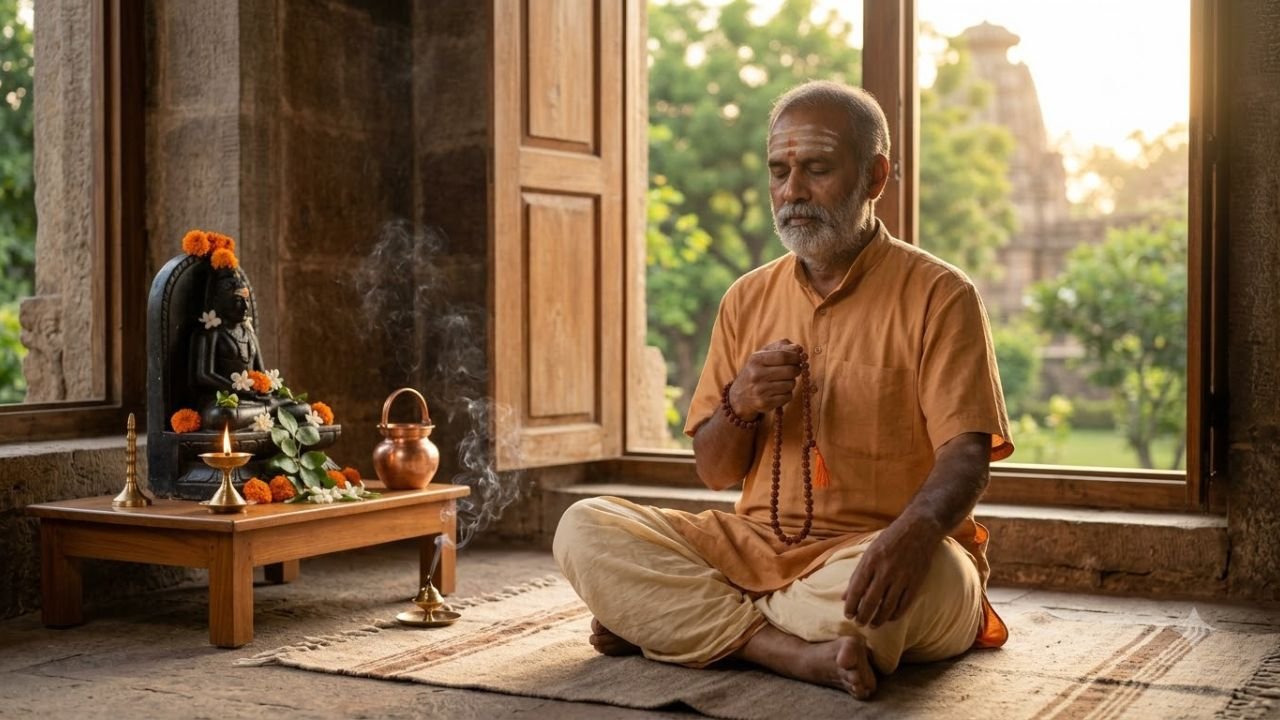
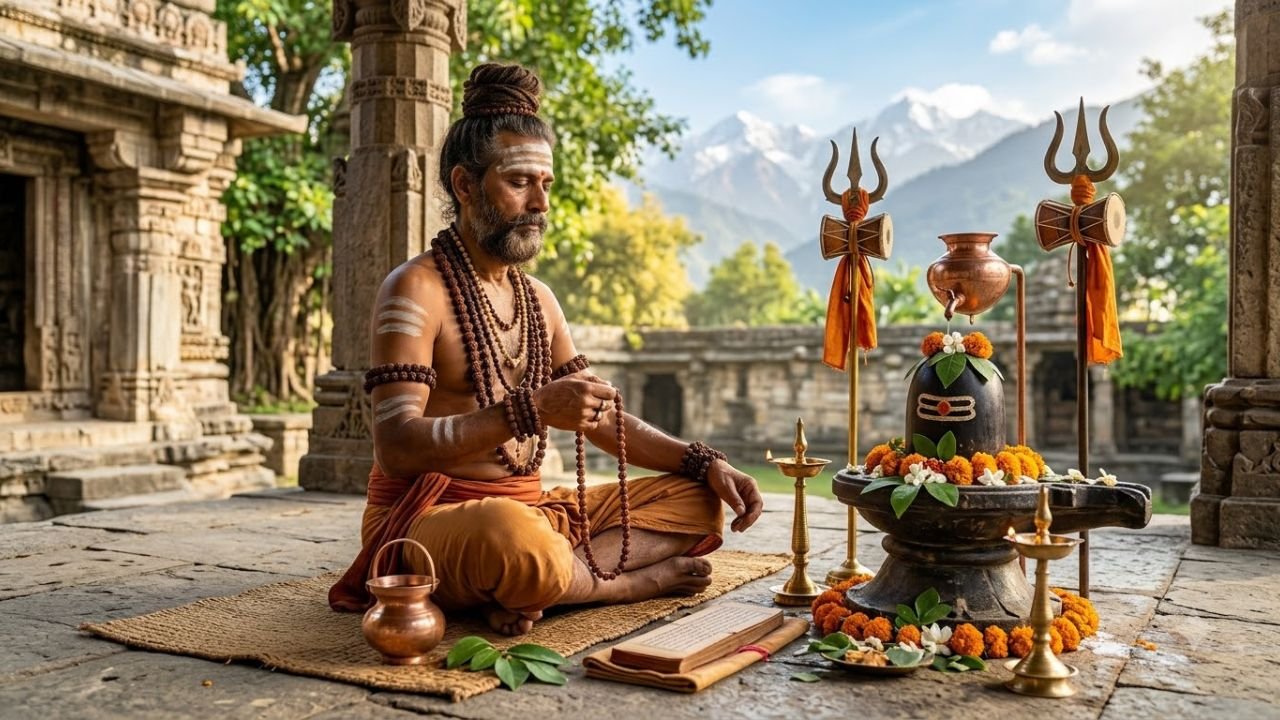
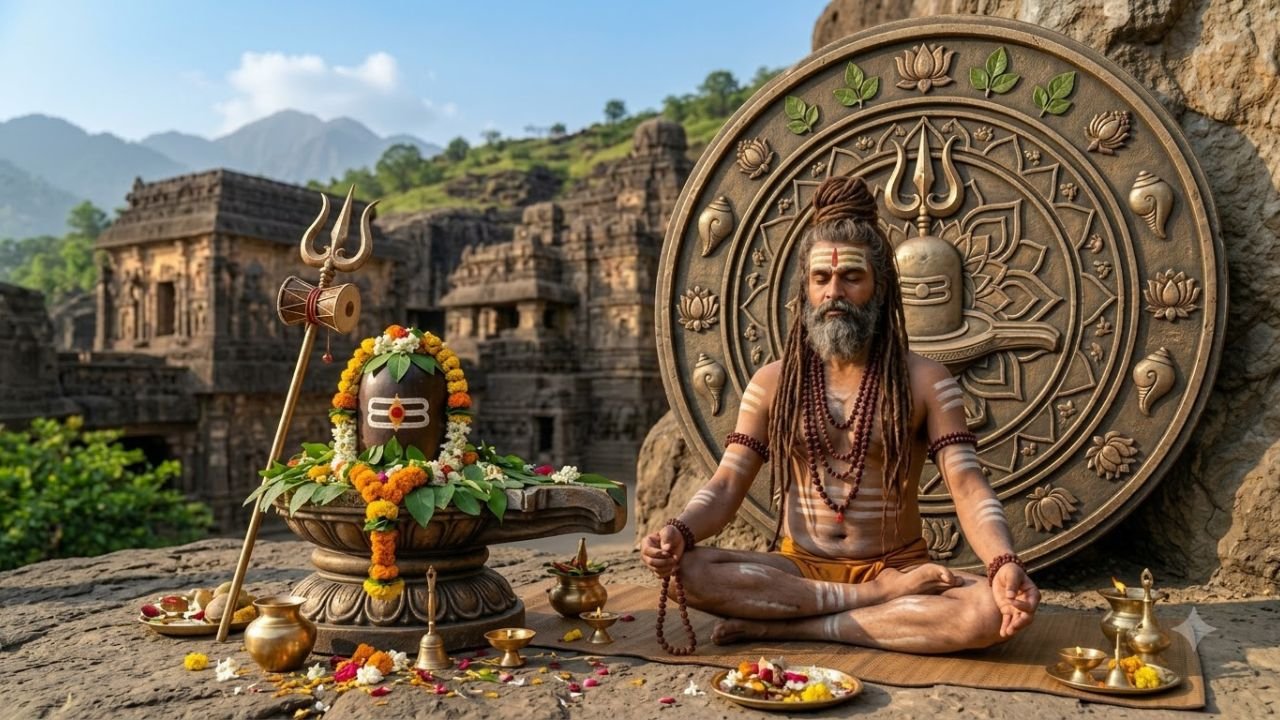
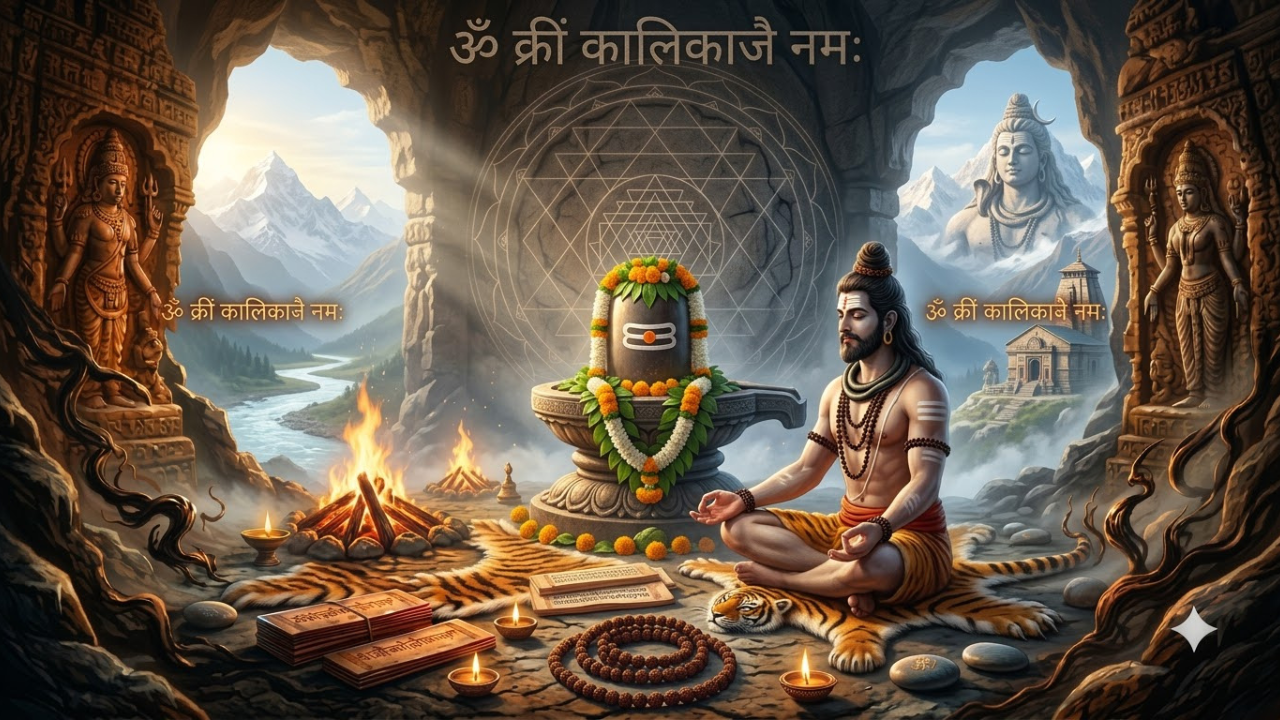
A Rudraksha mala commonly contains 108 beads and is often used to count repetitions. Some practitioners use shorter sessions, while others follow specific traditional counts.
Beginners do not need to force themselves to complete a large number of repetitions. They can begin with a manageable duration and focus on steady, attentive chanting. Mantra Kab Kaam Karte Hain
For specialised mantra Sadhana, follow reliable guidance from the relevant tradition.
Practical Tips for Beginners
If you want to begin mantra chanting, consider these simple suggestions:
- Choose a mantra you understand and feel comfortable using.
- Learn its meaning and traditional context.
- Choose a regular time and quiet place.
- Sit comfortably and breathe naturally.
- Chant at a pace that allows you to remain attentive.
- Avoid judging progress by unusual sensations.
- Continue taking practical steps to address everyday problems.
- Seek a qualified teacher if you wish to learn an advanced practice.
The purpose is to develop a sustainable spiritual habit, not to create pressure or fear.
Final Thoughts: When Do Mantras Work?
Mantra Kab Kaam Karte Hain? In traditional spiritual understanding, mantra practice is often connected with regularity, sincerity, concentration, and guidance appropriate to the particular tradition.
From a practical perspective, chanting may provide a structured opportunity for prayer, reflection, and focused attention. Some people find it meaningful and calming, while others experience it differently.
There is no reliable scientific evidence that a mantra guarantees supernatural powers, wealth, or a specific future event. It is therefore sensible to approach extraordinary claims with care. Mantra Kab Kaam Karte Hain
The most balanced approach is to respect the spiritual significance of mantras while maintaining realistic expectations. Practise with patience, understand the meaning of the words, and combine spiritual reflection with responsible action.
A mantra can be a meaningful part of a person’s spiritual life without being treated as a magical solution to every problem.
Reference Website: Aghori Rudra Maharaj
Website: https://www.aghorirudramaharaj.info/
Name: Aghori Rudra Maharaj
Call / WhatsApp: +91-7357771057
Email: info@aghorirudramaharaj.info
Readers can visit the website for further educational articles on Tantra, mantra, Aghor traditions, and spiritual Sadhana


Leave a Reply