
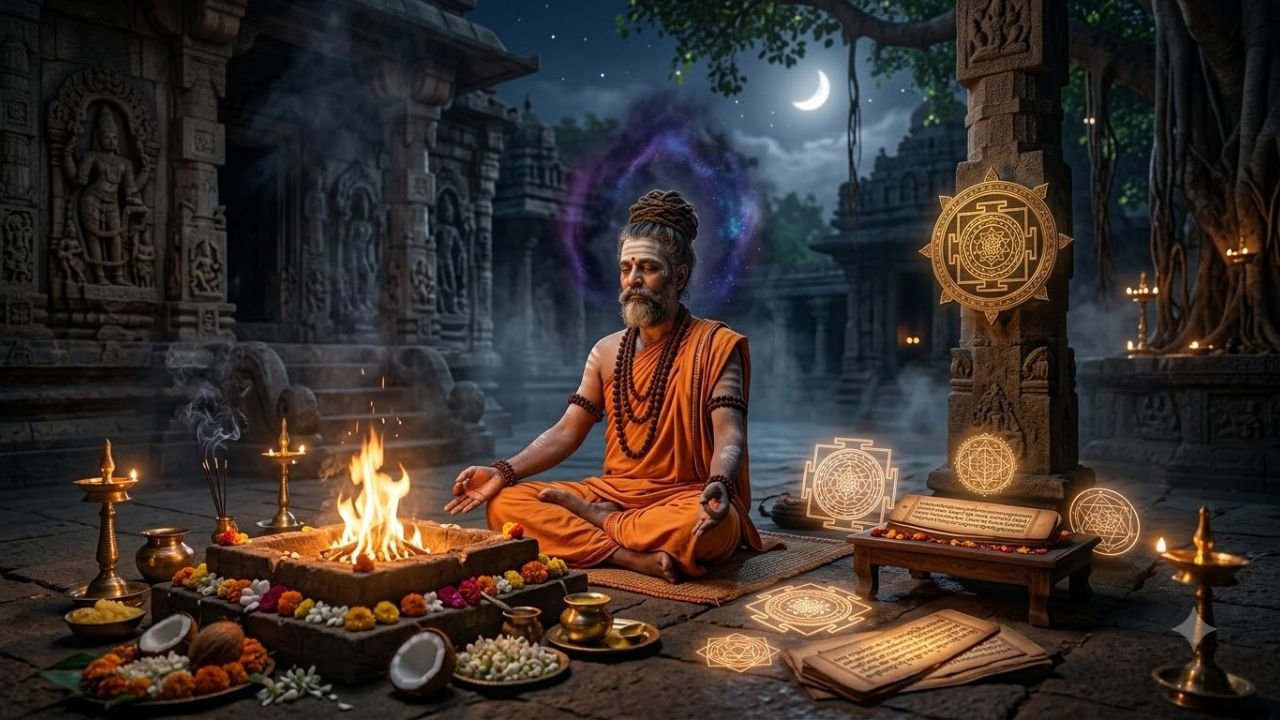
Meaning, Traditional Beliefs and Spiritual Context
Maran, Stambhan & Tantrik Kriya are terms that frequently appear in discussions about Indian Tantra, occult traditions, Aghor practices, spiritual folklore, and ancient esoteric beliefs. These words can sound mysterious or frightening, especially because movies, social media, and popular stories often present Tantra only through the lens of black magic or supernatural powers.
The reality is more complex.
Tantra is a broad family of Indian spiritual traditions involving different forms of mantra, meditation, visualization, ritual, devotion, concentration, and spiritual discipline. The reference material associated with Aghori Rudra Maharaj also emphasizes that Tantra should not simply be equated with black magic and that different tantric traditions have different purposes. Maran Stambhan & Tantrik Kriya
Within this larger tradition, Maran and Stambhan are traditionally discussed as specialised concepts associated with particular forms of tantric kriya. Their meanings can vary according to texts, teachers, regions, and lineages.
This article explains these concepts in simple English, focusing on their traditional meaning, cultural background, spiritual context, common misconceptions, and responsible understanding. It does not provide instructions for harming, controlling, or
coercing another person.
What Does Tantrik Kriya Mean?
The word Kriya generally means an action, process, or practice.
In spiritual traditions, a kriya may refer to a particular method of practice performed with a specific intention. In Tantra, this can involve elements such as mantra, meditation, visualization, ritual symbolism, concentration, prayer, and disciplined spiritual practice. Maran Stambhan & Tantrik Kriya
Tantrik kriya should therefore not automatically be understood as black magic.
Different tantric traditions have different objectives. Some focus on devotion and spiritual transformation, while others emphasize meditation, protection, discipline, or specific ritual purposes.
The website associated with Aghori Rudra Maharaj similarly explains Tantra Sadhana as a broad spiritual discipline that can include mantra, meditation, visualization, yantra, deity worship, and concentration. Maran Stambhan & Tantrik Kriya
What Is Maran in Traditional Tantra?
Maran is a traditional tantric term generally associated with the idea of causing death or destruction through occult or ritual means.
It is important to understand this definition as a traditional belief or classification, not as a scientifically established ability.
In historical and folklore-based discussions, Maran is sometimes described among categories of specialised tantric actions. Such descriptions can be found in different forms across discussions of Indian occult traditions.
However, modern readers should be careful with claims that a person can literally cause another person’s death through supernatural rituals. Maran Stambhan & Tantrik Kriya
There is no reliable scientific evidence establishing that a tantric ritual can remotely cause someone’s death.
Why Is Maran Considered a Serious Concept?
The traditional idea is serious because it involves an extremely harmful intention.
Even within spiritual discussions, deliberately seeking to harm another person raises questions about ethics, responsibility, karma, and the consequences of one’s actions. Maran Stambhan & Tantrik Kriya
For this reason, Maran should be studied primarily as a historical and cultural concept, rather than something to experiment with.
It is also important not to confuse traditional terminology with practical medical or physical causes of death.
What Is Stambhan in Traditional Tantra?
Stambhan, sometimes written as Stambhana, is traditionally associated with the idea of stopping, restraining, or preventing an activity.
Depending on the tradition, the term may be interpreted in different ways.
Popular occult discussions sometimes describe Stambhan as an attempt to stop another person’s actions, speech, progress, or influence through tantric means. Maran Stambhan & Tantrik Kriya
Again, these are traditional claims and should not be presented as scientifically proven supernatural abilities.
The concept is interesting because it demonstrates how older occult traditions attempted to categorize different intentions of ritual action.
Stambhan and the Idea of Restraint
At a symbolic level, Stambhan can also be interpreted as the idea of restraint or stopping.
Spiritual traditions frequently speak about controlling anger, stopping harmful habits, restraining unnecessary desires, and becoming master of one’s own reactions. Maran Stambhan & Tantrik Kriya
This provides a more constructive interpretation of the concept.
Instead of thinking only about controlling another person, a modern spiritual reader can ask:
What should I learn to stop within myself?
This might include:
- Anger
- Fear
- Impulsive reactions
- Harmful habits
- Excessive attachment
- Negative thought patterns
Such self-discipline is consistent with the broader emphasis on awareness and inner transformation found in many spiritual traditions. Maran Stambhan & Tantrik Kriya
Maran and Stambhan: What Is the Difference?
Although Maran and Stambhan are sometimes discussed together, their traditional meanings are different.
| Traditional Term | Broad Traditional Meaning | Main Theme |
|---|---|---|
| Maran | Destruction or death-oriented ritual intention | Destruction |
| Stambhan | Stopping or restraining an action or influence | Restraint |
| Tantrik Kriya | A broader term for a specific tantric action or practice | Spiritual/ritual action |
These are broad descriptions. Different texts and lineages may classify or explain tantric actions differently.
Therefore, readers should avoid assuming that every website or practitioner uses these terms in exactly the same way.
Maran, Stambhan & Tantrik Kriya in the Wider Tantric Tradition
To understand these terms properly, it is necessary to look at Tantra as a whole.
Tantra includes many spiritual systems, and not all of them involve occult practices.
Depending on the tradition, Tantra may involve:
Mantra
Sacred sounds or phrases repeated as part of spiritual practice.
Meditation
Focused attention used for concentration, awareness, and inner development.
Yantra
Symbolic geometric designs used in certain devotional and tantric practices.
Deity Worship
Spiritual practices centered around a chosen deity or divine principle.
Visualization
The use of mental imagery as part of meditation or ritual.
Discipline
Regularity, self-control, ethical conduct, and dedication.
The reference website describes Tantra Sadhana in similarly broad terms and emphasizes that it cannot accurately be reduced to “black magic.”
Is Every Tantrik Kriya Harmful?
No.
The phrase Tantrik Kriya is much broader than Maran or Stambhan.
Many tantric practices are concerned with meditation, devotion, spiritual awareness, protection, purification, concentration, and inner transformation. Maran Stambhan & Tantrik Kriya
A recent article on Tantra-Mantra Sadhana associated with Aghori Rudra Maharaj describes purposes such as mental peace, emotional stability, inner strength, spiritual growth, and protection rather than harming other people.
Therefore, it is important to distinguish between:
Tantra as a broad spiritual tradition
and
specific traditional classifications of harmful or coercive occult action.
The Importance of Intention in Spiritual Practice
One of the most important ideas when discussing Tantra is intention.
A person can approach spiritual practice with different motivations.
For example:
- Devotion
- Self-discipline
- Meditation
- Spiritual knowledge
- Protection
- Personal transformation
A different approach would be to seek power over another person or attempt to cause harm.
From an ethical perspective, these intentions are very different.
The reference material on Aghori Rudra Maharaj repeatedly places emphasis on discipline, inner transformation, and responsible spiritual practice rather than sensational claims of supernatural control. Maran Stambhan & Tantrik Kriya
Guru and Guidance in Tantrik Traditions
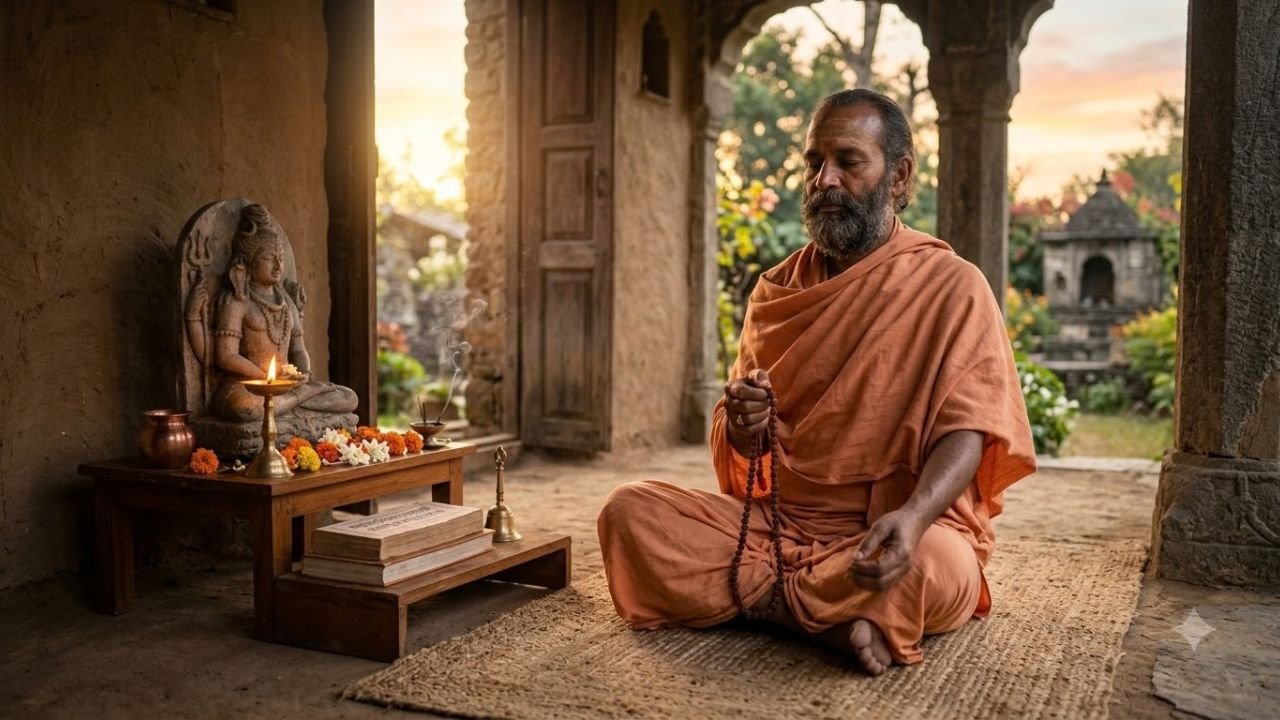
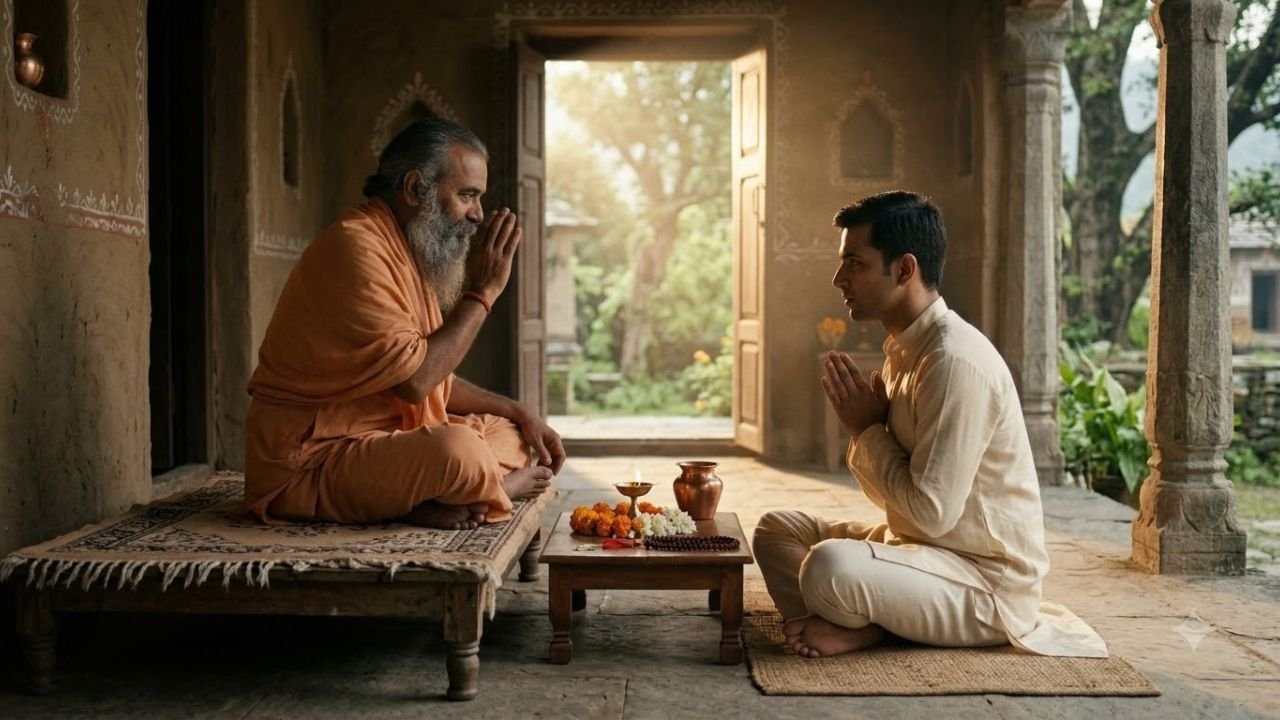
Traditional tantric systems often place great importance on the Guru-disciple relationship.
A Guru is traditionally understood as a teacher who guides the seeker through spiritual practice.
This is particularly important when discussing advanced tantric traditions because different lineages may have their own mantras, rituals, rules, symbols, and stages of practice.
The Aghori Rudra Maharaj website similarly states that advanced tantric practices are traditionally associated with specific lineages and guru-disciple transmission. Maran Stambhan & Tantrik Kriya
A responsible teacher should help a seeker understand:
- The meaning of the practice
- Its traditional context
- Appropriate discipline
- Ethical boundaries
- Meditation
- Mantra
- Personal limitations
- How to interpret unusual experiences
Randomly copying advanced rituals from social media or unknown websites is therefore not a substitute for traditional guidance.
Why Do People Search for Maran and Stambhan?
There are several reasons people become interested in these subjects.
Curiosity About Tantra
Many people are fascinated by the mysterious side of Indian spiritual traditions.
Personal Fear
Some people search for Maran or Stambhan because they believe someone may have performed occult practices against them.
Such fear can be very real even when the underlying explanation is uncertain.
The reference website itself notes that problems such as family conflict, disturbing dreams, fear, or repeated difficulties can have practical, emotional, psychological, social, or health-related explanations. Maran Stambhan & Tantrik Kriya
Popular Culture
Movies, television programs, YouTube videos, and social media often portray Tantra in dramatic ways.
These portrayals can mix traditional concepts with fiction.
Search for Hidden Knowledge
Some people are interested in Tantra because they want to understand spiritual traditions that are less familiar to them.
This kind of curiosity can be healthy when combined with careful research.
Can Maran or Stambhan Really Harm Someone?
There is no reliable scientific evidence establishing that a person can remotely kill, immobilize, or control another person through a tantric ritual.
This distinction is extremely important.
Someone may genuinely experience fear after being told that a ritual has been performed against them. But fear itself does not establish that a supernatural attack has occurred. Maran Stambhan & Tantrik Kriya
Physical symptoms, anxiety, sleep problems, family conflict, financial stress, relationship difficulties, and other problems can have ordinary explanations.
If someone experiences serious physical or psychological symptoms, appropriate medical or mental-health support should not be replaced by occult explanations.
Common Myths About Maran and Stambhan
Myth 1: Tantra Is Automatically Black Magic
False.
Tantra includes a wide range of spiritual traditions and practices.
Myth 2: A Tantrik Can Control Anyone
There is no scientifically established evidence that a person can remotely control another person’s mind through tantric rituals.
Myth 3: Every Problem Is Caused by Tantra
Problems can have many causes.
It is important to examine practical, social, emotional, financial, and health-related explanations before assuming supernatural interference. Maran Stambhan & Tantrik Kriya
Myth 4: Secret Rituals Always Produce Results
Claims of guaranteed results should be treated cautiously.
Traditional spiritual practices generally emphasize discipline and consistency rather than instant miracles.
Myth 5: More Fear Means More Powerful Tantra
Fear does not prove supernatural activity.
Sensational stories can make an ordinary situation feel much more frightening than it actually is.
A Safer Way to Understand Tantrik Kriya
A balanced approach to Maran, Stambhan & Tantrik Kriya involves studying these concepts historically and spiritually without attempting to harm or control others.
Readers can explore:
- Indian spiritual history
- Tantric philosophy
- Mantra traditions
- Aghor philosophy
- Meditation
- Guru-disciple traditions
- Symbolism in tantric literature
- The cultural meaning of occult folklore
This approach allows people to learn without becoming dependent on fear-based claims.
The Positive Side of Tantric Spiritual Discipline
While Maran and Stambhan receive attention because of their mysterious reputation, the broader tantric tradition also contains practices focused on personal development. Maran Stambhan & Tantrik Kriya
Disciplined spiritual practice may encourage:
Greater Self-Awareness
Regular meditation can encourage people to observe their thoughts and reactions.
Better Concentration
Mantra and meditation can provide structured periods of focused attention.
Emotional Discipline
Spiritual practice can encourage patience and awareness of emotional reactions.
Fearlessness
Aghor philosophy is often discussed in terms of confronting fear and developing a deeper understanding of impermanence.
Inner Transformation
The broader goal of serious spiritual practice can be understood as transformation rather than domination of other people.
Final Thoughts on Maran, Stambhan & Tantrik Kriya
Maran, Stambhan & Tantrik Kriya are terms connected with specialised areas of Indian tantric folklore and traditional occult classification.
Maran is traditionally associated with a death- or destruction-oriented intention, while Stambhan is traditionally associated with stopping or restraining an action or influence. Tantrik Kriya is a much broader term referring to particular actions or practices within tantric traditions. Maran Stambhan & Tantrik Kriya
These concepts should be understood in their historical, religious, and cultural context. They should not automatically be treated as scientifically verified supernatural powers.
Most importantly, Tantra itself is much broader than frightening stories about occult practices. Traditional sources associated with Aghori Rudra Maharaj describe Tantra through concepts such as mantra, meditation, discipline, spiritual guidance, self-awareness, and inner transformation. Maran Stambhan & Tantrik Kriya
For anyone interested in this subject, the best approach is curiosity without fear, respect without blind belief, and spiritual study without harming or controlling others.
Reference Website
Aghori Rudra Maharaj
Website: Aghori Rudra Maharaj Official Website
Call / WhatsApp: +91-7357771057
Email: info@aghorirudramaharaj.info

Leave a Reply