
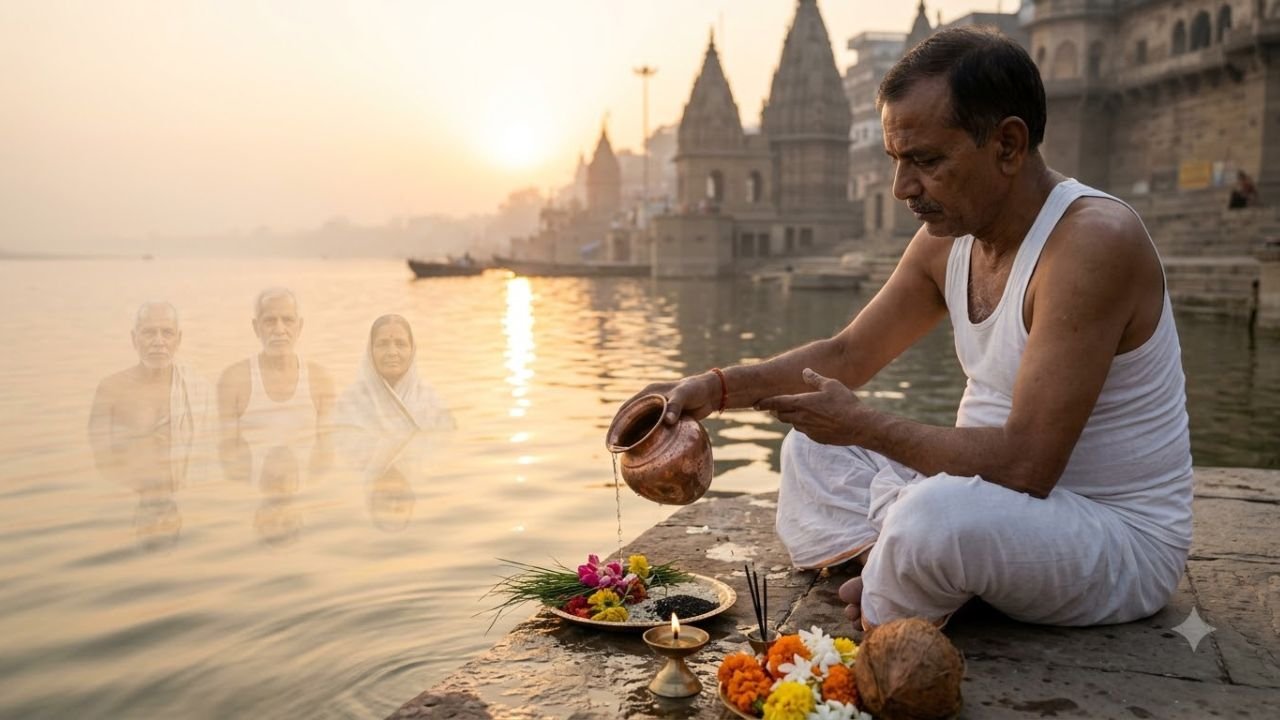
Simple Hindu Rituals for Ancestor Peace and Blessings
Pitaron Ki Shanti Ke Upay In Hindu tradition, ancestors hold an important place in family life. They are remembered with gratitude, prayers, and rituals that express respect for those who came before us. Many families believe that offering prayers for departed ancestors brings spiritual peace, strengthens family bonds, and helps preserve their traditions.
The phrase “Pitaron Ki Shanti Ke Upay” refers to traditional practices performed to pray for the peace of departed ancestors. These practices may include Pitru Tarpan, Shraddh, Pind Daan, charity, feeding people, and remembering ancestors through sincere prayers.
People often perform these rituals during Pitru Paksha, on the death anniversary of a family member, or on other occasions considered appropriate according to family customs.
This article explains common Pitaron Ki Shanti Ke Upay in simple English. It also discusses how to approach these traditions respectfully, without fear or unnecessary expense. Pitaron Ki Shanti Ke Upay
What Does Pitru Shanti Mean in Hindu Tradition?
In Hindu beliefs, the word Pitru refers to ancestors, while Shanti means peace. Pitru Shanti therefore refers to prayers and rituals performed for the spiritual peace of departed family members.
These practices are connected with the broader Hindu tradition of honoring parents, grandparents, and earlier generations. They remind people to acknowledge the sacrifices, values, and experiences passed down by their ancestors.
Different Hindu communities follow different customs. Some families perform detailed Shraddh ceremonies, while others offer water, prayers, food, or donations according to their traditions. Pitaron Ki Shanti Ke Upay
It is important to understand that these rituals are religious practices based on faith. Their spiritual meaning may be deeply important to devotees, but supernatural results cannot be guaranteed.
1. Perform Pitru Tarpan with Devotion
Pitru Tarpan is one of the traditional practices associated with honoring ancestors. In many Hindu customs, water is offered while remembering departed family members and praying for their peace.
How Is Pitru Tarpan Traditionally Performed?
The procedure varies by family tradition and religious guidance. A simple approach may include:
- Bathe and wear clean clothes before the prayer.
- Choose a clean and peaceful place suitable for the ritual.
- Remember your ancestors with respect and gratitude.
- Offer water according to your family’s prescribed method.
- Pray for peace and express gratitude for your family heritage.
Some traditions use water mixed with black sesame seeds, while others follow specific mantras and procedures. If you wish to perform a formal Tarpan, ask a knowledgeable priest about the correct method for your tradition. Pitaron Ki Shanti Ke Upay
The purpose is to express remembrance and devotion, not to perform a ritual out of fear.
2. Perform Shraddh According to Family Customs
Shraddh is a Hindu ritual performed in memory of deceased ancestors. It is traditionally associated with expressing gratitude, fulfilling family duties, and praying for the well-being of departed souls.
Families may perform Shraddh on the annual death anniversary of a relative or during Pitru Paksha.
Common Elements of Shraddh
Depending on the community and family tradition, Shraddh may include:
- Prayers and remembrance of ancestors.
- Offerings prepared according to custom.
- Inviting a priest or family members to participate.
- Giving food or donations to people in need.
- Reciting prayers or sacred texts.
There is no need to compare the size or cost of one family’s ceremony with another. Sincerity, respect, and following your family’s tradition are more meaningful than spending beyond your means. Pitaron Ki Shanti Ke Upay
3. Observe Pitru Paksha
Pitru Paksha is a period in the Hindu lunar calendar traditionally dedicated to remembering and honoring ancestors. Many families perform Tarpan, Shraddh, charity, and prayers during this time.
The dates of Pitru Paksha change according to the lunar calendar each year. Families may follow particular dates based on their ancestors’ death anniversaries and local customs. Pitaron Ki Shanti Ke Upay
What Can You Do During Pitru Paksha?
You can consider these traditional practices:
- Remember deceased parents and grandparents.
- Offer prayers according to your family customs.
- Perform Tarpan or Shraddh if appropriate.
- Donate food, clothes, or essential items.
- Help elderly people and those in need.
- Spend time reflecting on the values your ancestors taught you.
Pitru Paksha can also be an opportunity to share family stories with younger generations and teach them about their roots.
4. Donate Food and Essential Items
Charity, or daan, is an important part of many Hindu religious traditions. During Pitru Paksha or other occasions dedicated to ancestors, families may donate food, clothing, grains, or other essential items in their memory. Pitaron Ki Shanti Ke Upay
You can donate according to your financial ability. For example, you may provide groceries to a family in need, support a community kitchen, or contribute to a trustworthy charitable organization.
Why Is Charity Considered Meaningful?
Charity turns remembrance into a helpful action. It allows a family to honor its ancestors by supporting living people and practicing compassion.
Choose donations that are useful and appropriate for the recipient. Avoid borrowing money or taking on financial pressure to complete a ritual. Pitaron Ki Shanti Ke Upay
5. Feed People with Respect
Offering food to guests, people in need, or a community kitchen is another practice associated with ancestor remembrance in many Hindu families.
Some traditions also include feeding animals, such as cows, or offering food to crows as part of specific ancestral customs. These practices differ across regions and communities. Pitaron Ki Shanti Ke Upay
If you choose to feed animals, do so safely and responsibly. Offer suitable food in a clean location, and avoid leaving waste behind.
Feeding someone with kindness can be a simple way to remember the values of generosity and care that you may have learned from your elders.
6. Offer Prayers to Lord Vishnu and Lord Shiva
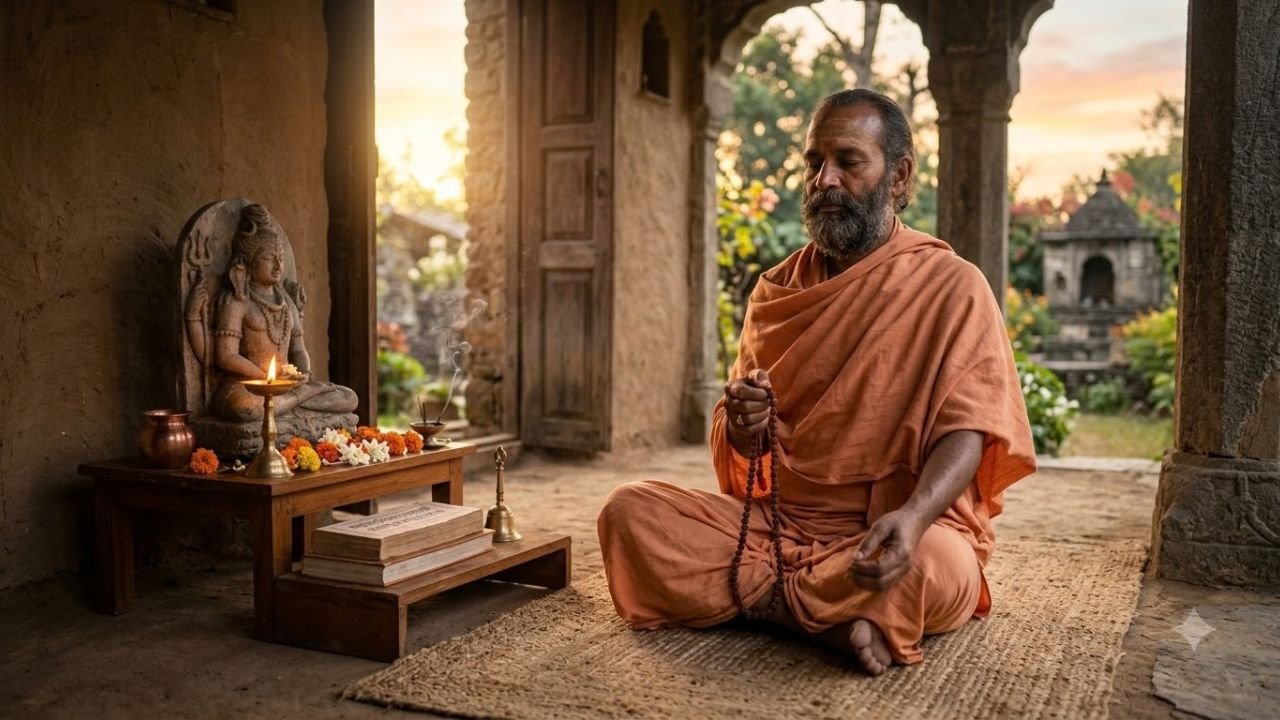
Many devotees pray to Lord Vishnu, Lord Shiva, or their family deity while seeking peace for departed relatives. The choice of prayer depends on personal devotion and family tradition. Pitaron Ki Shanti Ke Upay
You may visit a temple, recite a familiar prayer, chant a mantra, or sit quietly for a few minutes while remembering your ancestors.
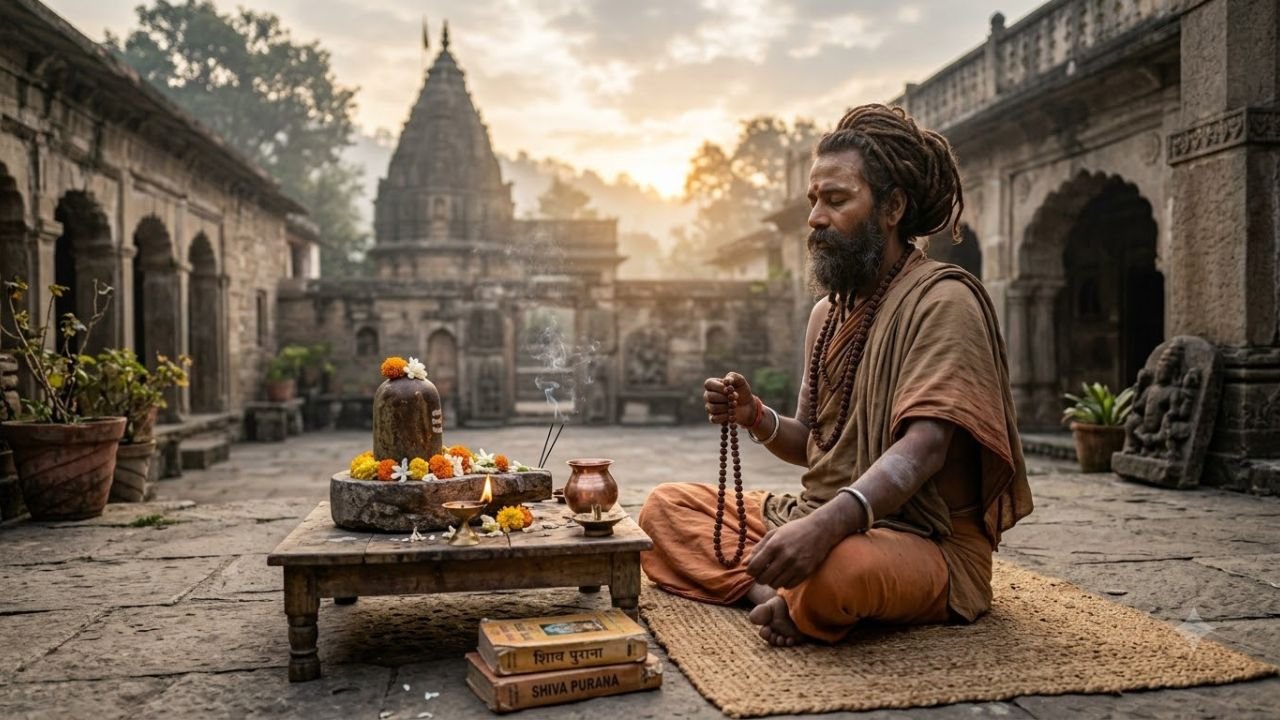
For example, devotees may chant “Om Namah Shivaya” as a prayer to Lord Shiva. Others may recite Vishnu prayers or read passages from sacred texts. Pitaron Ki Shanti Ke Upay
There is no single mantra that every Hindu family must use for Pitru Shanti. If a formal ritual requires a specific mantra, consult a trusted priest who understands your tradition.
7. Remember Your Ancestors on Their Death Anniversary
The annual death anniversary, often called tithi in this context, is an important day for many families to remember a departed relative.
Depending on family customs, people may perform Shraddh, offer prayers, prepare a simple meal, donate food, or gather to remember the person. Pitaron Ki Shanti Ke Upay
You can also honor your ancestors by reflecting on their good qualities and continuing the positive traditions they passed down.
If you do not know the exact date or ritual, ask older family members or a knowledgeable priest. Do not feel that you must complete every possible ritual to show love and respect.
8. Practice Good Deeds in Your Ancestors’ Memory
Spiritual remembrance does not need to be limited to formal ceremonies. Many families find meaning in practicing the values their ancestors taught them. Pitaron Ki Shanti Ke Upay
You can honor them by:
- Caring for elderly family members.
- Supporting children’s education.
- Helping relatives during difficult times.
- Speaking respectfully about family members.
- Preserving family photographs, stories, and traditions.
- Acting honestly in personal and professional life.
These actions help keep the positive influence of earlier generations alive. They are practical ways to connect remembrance with everyday life.
9. Understand Pitra Dosh Without Fear
Pitra Dosh is a concept found in some Hindu astrological traditions. It is sometimes interpreted as an indication of ancestral duties or unresolved family matters. Different astrologers and traditions explain it differently.
Some people seek Pitra Dosh remedies when they experience family difficulties, delays, or repeated problems. However, these experiences do not prove that a person has Pitra Dosh or that ancestors are causing the difficulties. Pitaron Ki Shanti Ke Upay
What Should You Do If You Are Worried About Pitra Dosh?
Start with simple, meaningful steps:
- Learn about your family’s customary prayers and remembrance rituals.
- Perform Tarpan or Shraddh if it is part of your tradition.
- Practice charity according to your ability.
- Seek guidance from a trusted, knowledgeable religious adviser if needed.
- Address practical problems—such as financial, family, or health concerns—through appropriate professional support.
Be cautious of anyone who uses fear to demand large payments or promises guaranteed results. No one should pressure you into expensive rituals by claiming that harm will certainly occur if you refuse.
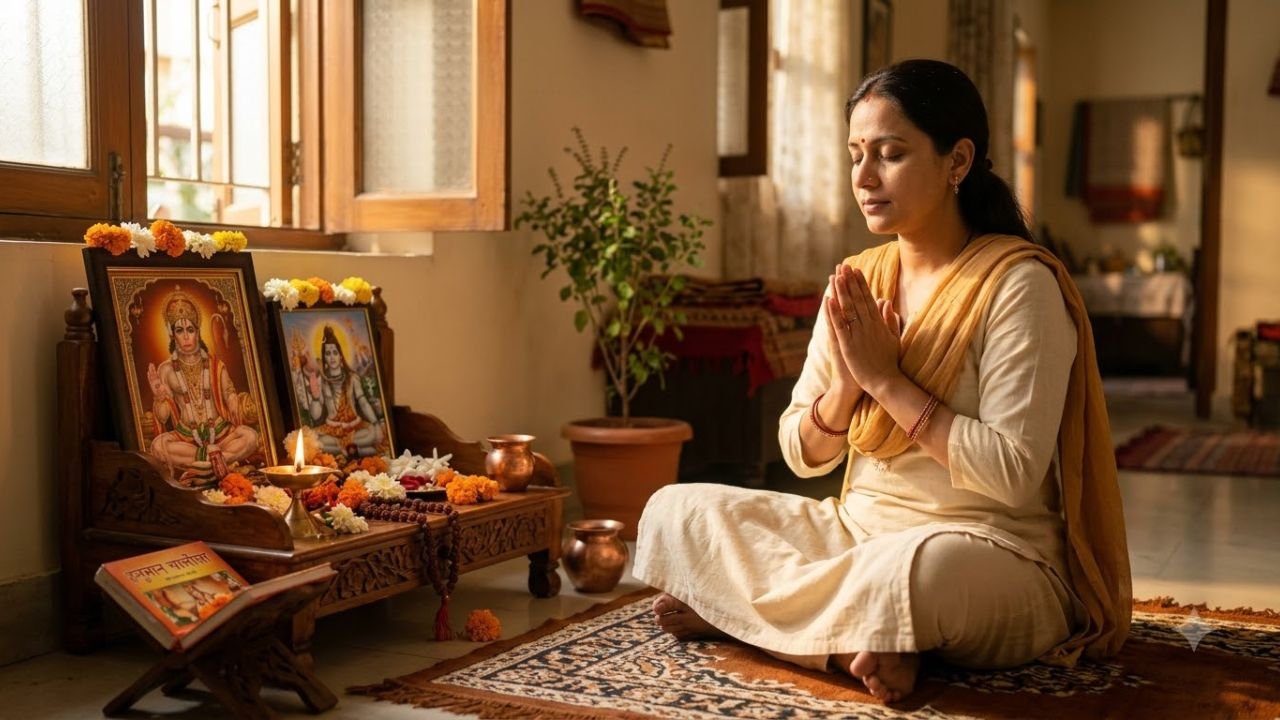
10. Can You Perform Pitru Shanti at Home?
Many families perform simple prayers and remembrance at home, while others prefer temple ceremonies or guidance from a priest.
If you wish to pray at home, keep the process simple:
- Choose a clean and quiet space.
- Remember your departed family members respectfully.
- Offer a prayer according to your family tradition.
- Read a sacred text or chant a familiar mantra if you wish.
- Dedicate a good deed or donation to their memory.
For rituals involving specific offerings, mantras, or ceremonial steps, follow the customs of your family or community. Practices can differ by region, so a method used by one family may not be universal. Pitaron Ki Shanti Ke Upay
Common Mistakes to Avoid During Pitru Shanti
When performing Pitaron Ki Shanti Ke Upay, keep the following points in mind:
Do not act out of fear. These practices are intended to express remembrance and devotion, not to create anxiety.
Do not spend beyond your means. A sincere prayer or modest act of charity can be meaningful.
Do not assume every difficulty is caused by ancestors. Everyday problems can have many practical explanations.
Do not follow unsafe instructions. Avoid dangerous activities, unknown substances, or secret rituals that put anyone at risk.
Do not disrespect other traditions. Families and communities may observe different customs, and these differences should be treated respectfully.
Frequently Asked Questions (FAQs)
1. What are the main Pitaron Ki Shanti Ke Upay?
Common traditional practices include Pitru Tarpan, Shraddh, Pind Daan where appropriate, prayers, charity, feeding people, and remembering ancestors on their death anniversary.
2. When should Pitru Shanti rituals be performed?
Many families observe them during Pitru Paksha or on an ancestor’s annual death anniversary. The appropriate date depends on the lunar calendar and family tradition.
3. Can I perform Pitru Tarpan at home?
Some families perform simple Tarpan at home, while others consult a priest. Follow your family’s customs and seek guidance if you are unsure about the procedure.
4. Is charity important for Pitru Shanti?
Charity is part of many Hindu traditions associated with ancestor remembrance. Donating useful items or helping people in need can be a meaningful expression of respect.
5. Does Pitra Dosh always cause problems?
No. Pitra Dosh is an astrological belief, and ordinary life difficulties are not proof of it. Avoid anyone who makes frightening claims or guarantees a supernatural result.
6. Do I need to spend a lot of money on Pitru Shanti?
No. Rituals should be performed according to your beliefs, family customs, and financial ability. Avoid unnecessary expenses or pressure to pay for costly ceremonies.
Conclusion
Pitaron Ki Shanti Ke Upay are rooted in the Hindu tradition of remembering ancestors with gratitude, prayer, charity, and family responsibility. Practices such as Pitru Tarpan, Shraddh, observing Pitru Paksha, feeding people, and offering prayers can provide a meaningful way to honor departed loved ones.
The most important approach is to act with sincerity, follow your family’s customs, and avoid fear-based claims. You can also honor your ancestors through kindness, honesty, and caring for the people around you.
For readers interested in Aghor traditions and spiritual topics, Aghori Rudra Maharaj shares related content on the website below.
Website: https://www.aghorirudramaharaj.info/
Call / WhatsApp: +91-7357771057
Email: info@aghorirudramaharaj.info
Pitaron Ki Shanti Ke Upay, Pitru Shanti Upay, Pitru Tarpan Vidhi, Shraddh Karma, Pitru Paksha Rituals, Pitra Dosh Upay, Ancestor Peace Rituals, Pitru Shanti at Home, Hindu Ancestor Worship, Pitru Daan, Ancestor Prayers, Shraddh Vidhi, Pitru Paksha Importance, Aghori Rudra Maharaj, Hindu Spiritual Traditions.

Leave a Reply