
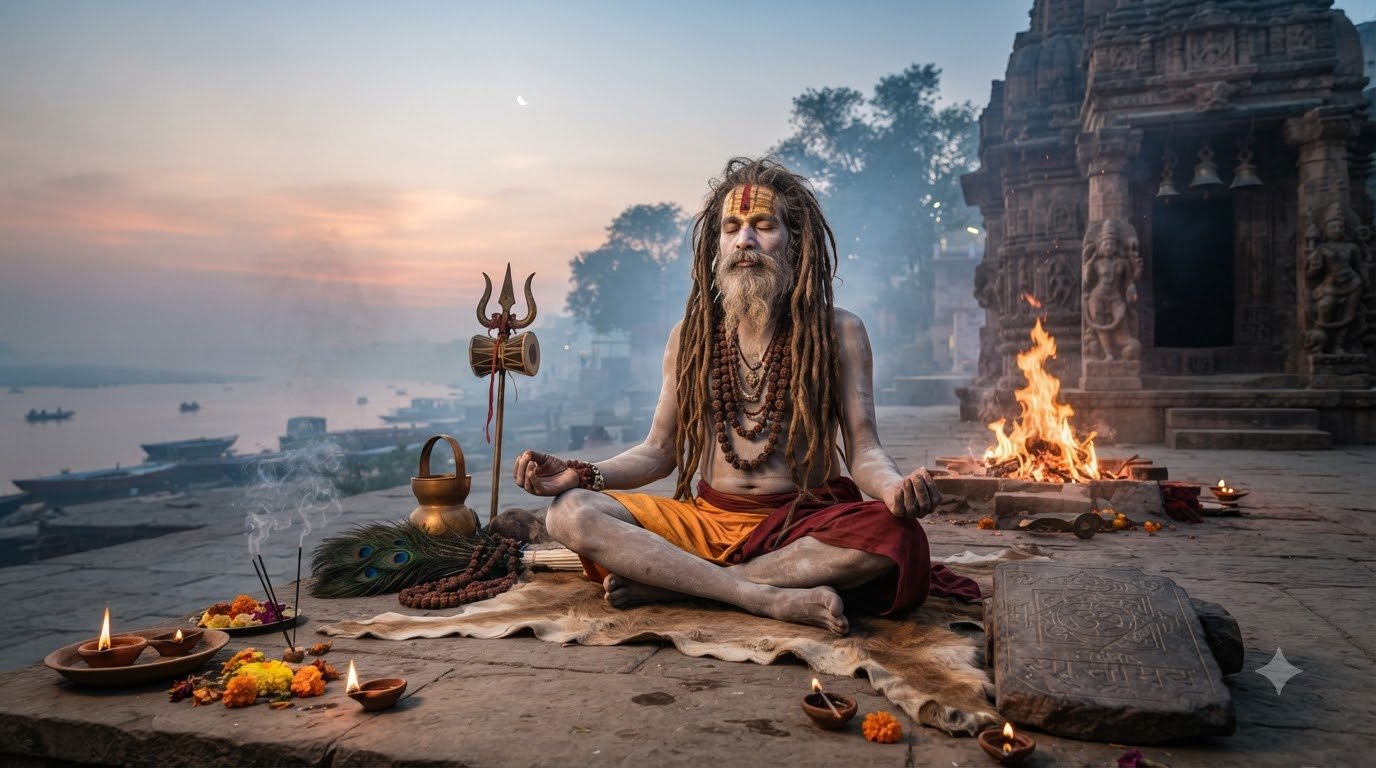
Spiritual Discipline, Aghor Sadhana and Tantra
When people search for Aghori Rudra Maharaj Ka Daily Routine, they are usually curious about how an Aghori spiritual practitioner spends the day. What time does an Aghori wake up? How much time is spent in meditation? Is mantra chanting part of the routine? Does the day include Tantra Sadhana, Shiva worship or spiritual teaching?
These questions are natural because the life of an Aghori is very different from an ordinary daily lifestyle.
However, it is important to make one point clear at the beginning: a complete, independently verified timetable describing Aghori Rudra Maharaj’s personal daily routine is not publicly available. Therefore, it would be misleading to invent exact timings or private rituals and present them as facts.
Instead, this article explains the spiritual principles traditionally associated with Aghor, sadhana, meditation, mantra, Shiva worship and disciplined living. These ideas provide a useful way to understand what an Aghori-oriented spiritual routine can represent.
The broader Aghor tradition is associated with Shiva-centered spirituality and practices intended to develop awareness, discipline and freedom from fear and excessive attachment. Traditional descriptions of sadhana also emphasize regularity, concentration, meditation, mantra, devotion and self-reflection. Aghori Rudra Maharaj Ka Daily Routine
What Does Aghori Rudra Maharaj Ka Daily Routine Mean?
A daily routine in a spiritual tradition is more than a list of activities.
For an ordinary person, a routine may include waking up, going to work, eating meals, exercising and sleeping. For a serious spiritual practitioner, the routine may be organized around sadhana, meditation, devotion, discipline and self-awareness.
The purpose is not simply to stay busy.
The purpose is transformation.
Traditional explanations of sadhana describe it as a disciplined spiritual path that may include meditation, mantra repetition, prayer, contemplation, study and self-discipline. Aghori Rudra Maharaj Ka Daily Routine
Therefore, when discussing Aghori Rudra Maharaj’s daily routine, the most useful approach is to understand the spiritual discipline behind the routine rather than create an unverified hour-by-hour schedule.
Early Morning: Beginning the Day With Awareness
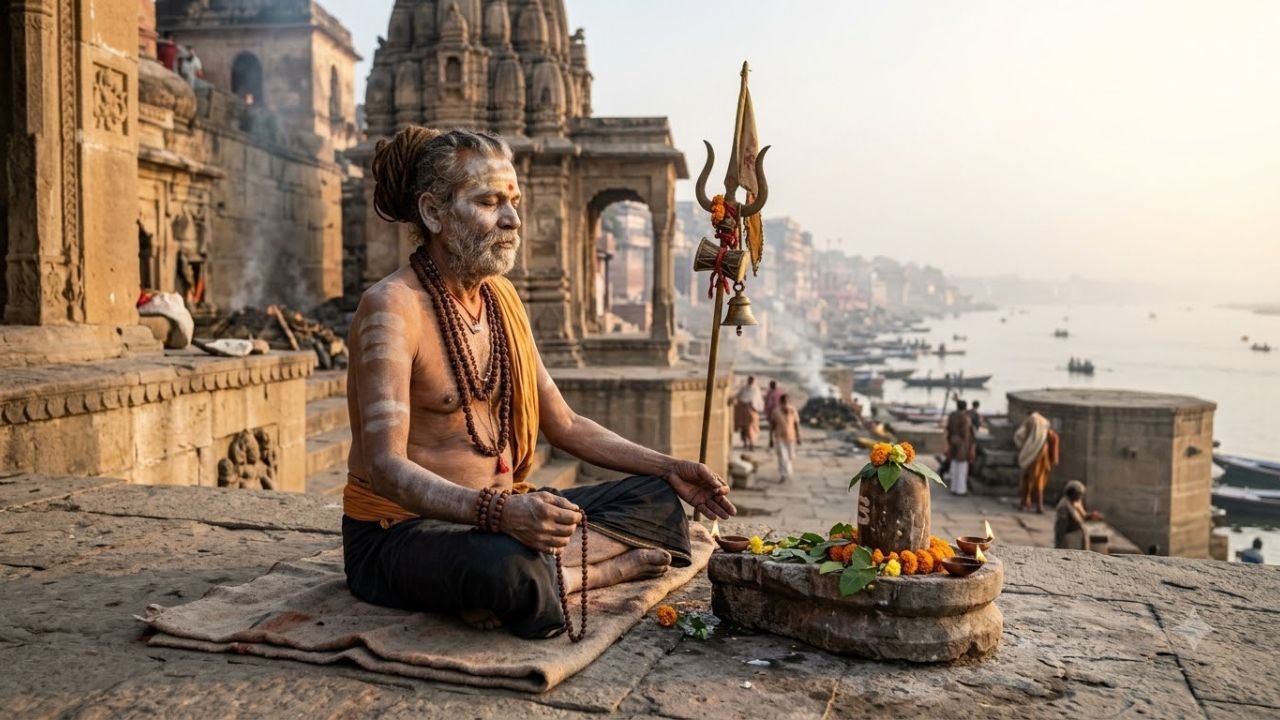
In many Indian spiritual traditions, the early part of the day is considered suitable for quiet reflection and spiritual practice.
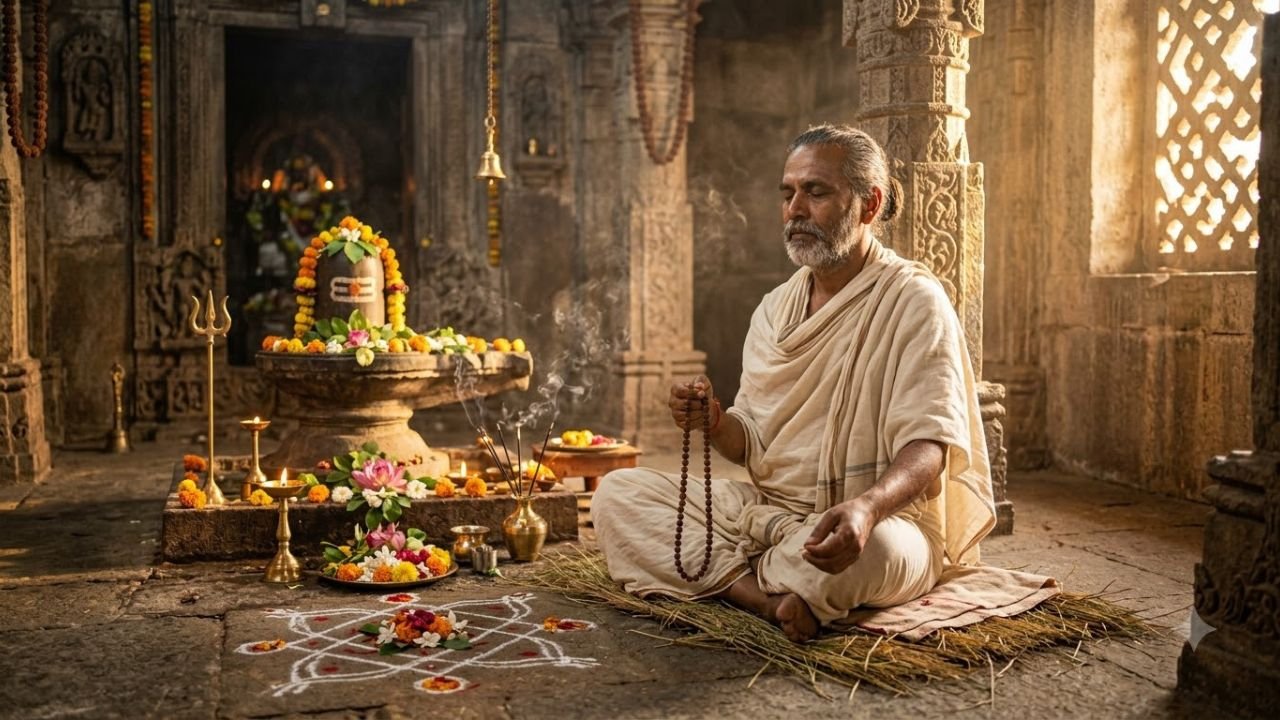
A disciplined spiritual morning may begin with personal cleanliness, silence, prayer, meditation or remembrance of the divine.
For an Aghor-oriented practice, the morning can be understood symbolically as a fresh opportunity to observe the mind before the distractions of the day begin. Aghori Rudra Maharaj Ka Daily Routine
The emphasis is on awareness rather than speed.
Instead of immediately becoming involved with phones, social media, conversations and worldly concerns, a spiritual practitioner may dedicate time to stillness and concentration.
This simple principle can also be useful for modern readers.
Starting the day with a few minutes of silence can create a calmer mental environment.
Meditation and Inner Observation
Meditation is an important concept across many Indian spiritual traditions.
For a spiritual practitioner, meditation is not necessarily about forcing the mind to stop thinking.
Instead, it can involve observing thoughts without immediately reacting to them.
Anger may appear.
Fear may appear.
Desire may appear.
Memories may appear.
The practitioner learns to observe these experiences.
This process of self-observation is particularly relevant to the broader Aghor philosophy because Aghor is often associated with moving beyond fear, aversion and rigid mental divisions. Aghori Rudra Maharaj Ka Daily Routine
The goal is greater awareness of the mind.
Shiva Worship and Spiritual Devotion
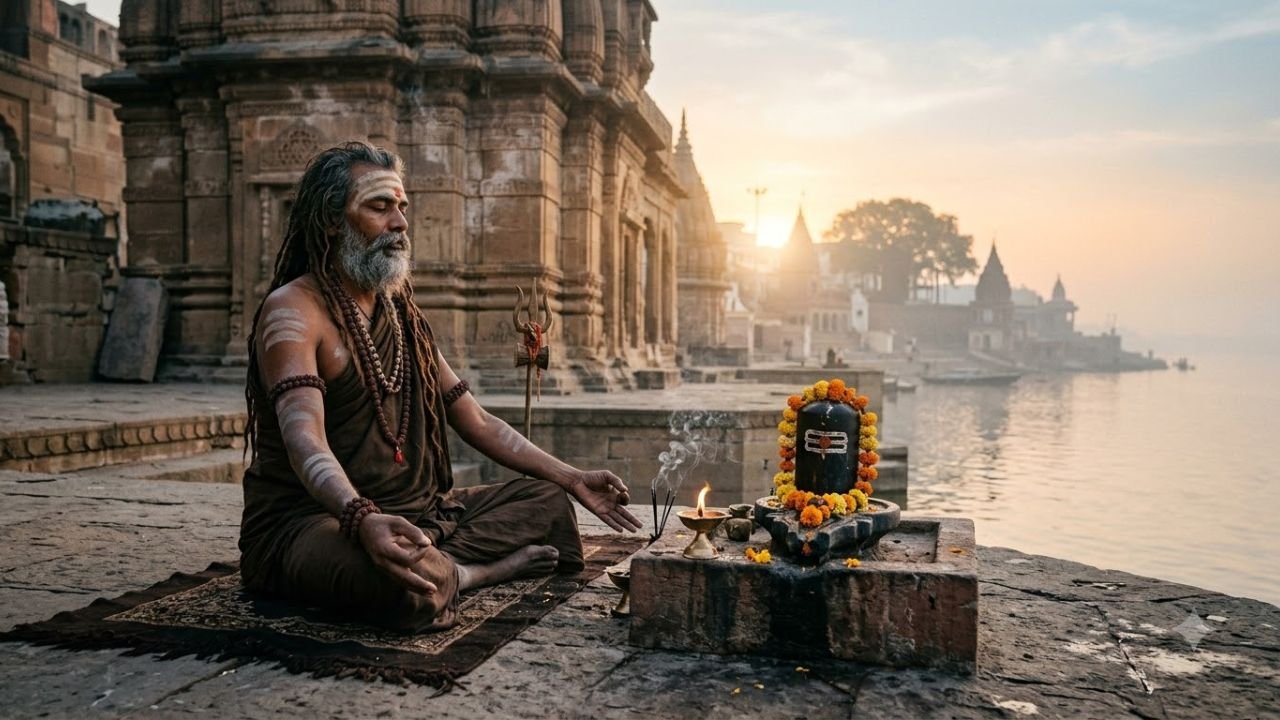
Aghor traditions are closely connected with Shiva-centered spirituality.
Lord Shiva is widely associated with meditation, transformation, detachment and spiritual consciousness.
Therefore, Shiva remembrance, prayer or devotional practices can form an important part of a broader Aghor spiritual framework.
The exact form of worship can differ between traditions and individuals.
Some may focus on prayer.
Others may practice mantra.
Some may meditate on a particular form of Shiva.
The important point is that spiritual practice is traditionally connected with discipline and intention rather than simply performing an external ritual. Aghori Rudra Maharaj Ka Daily Routine
The Role of Mantra in a Spiritual Routine
Mantra is another important concept in Indian spirituality.
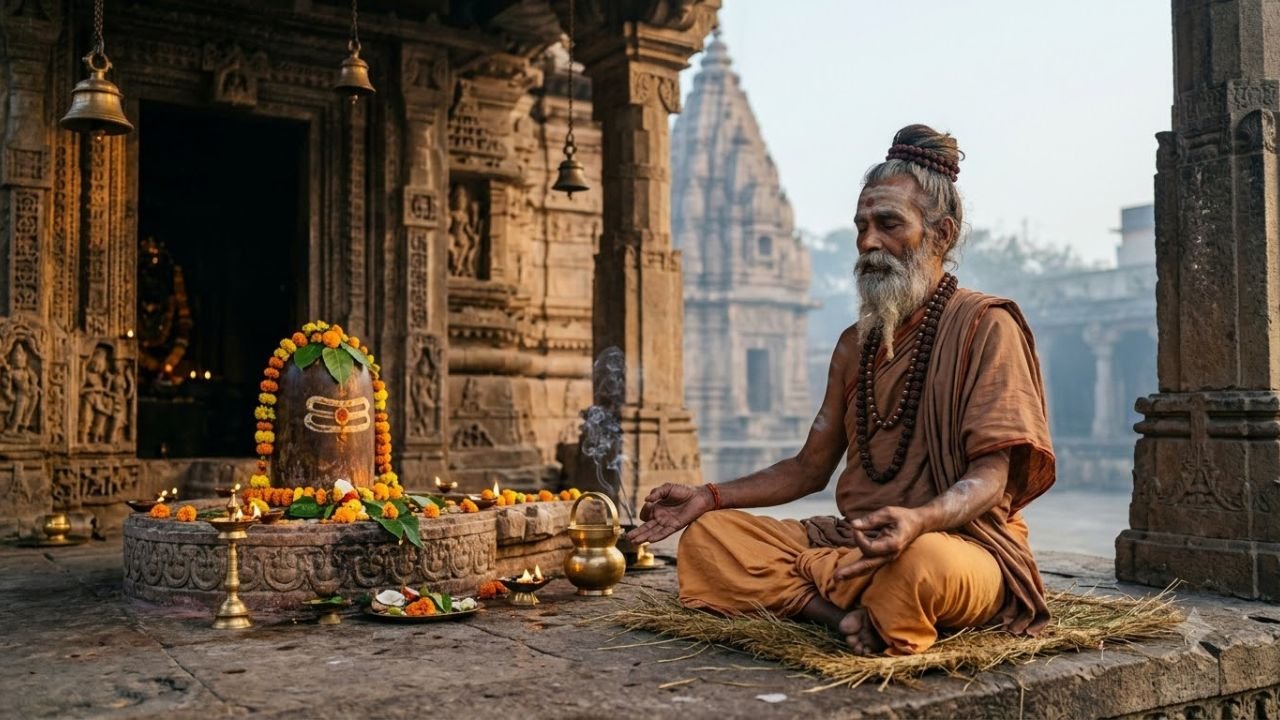
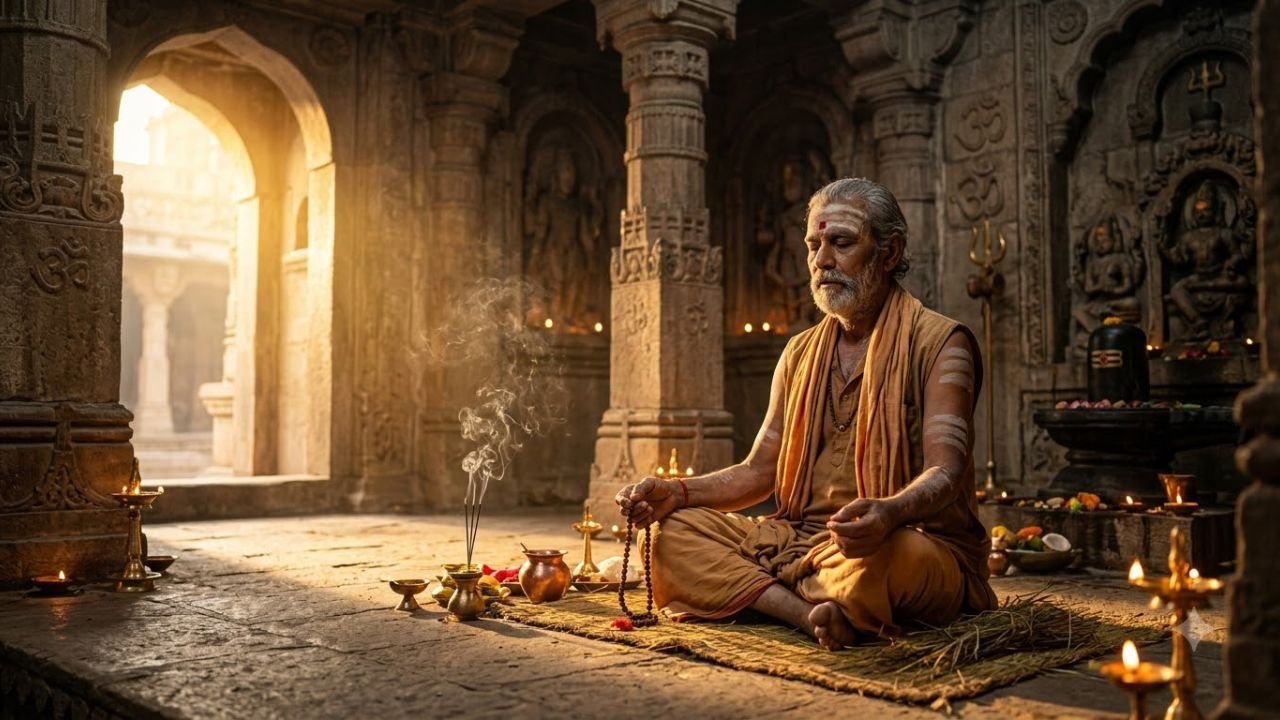
Mantra repetition, or japa, can be used to develop concentration and devotional focus. Traditional descriptions of sadhana include repetition of sacred names or mantras as one possible form of spiritual practice. Aghori Rudra Maharaj Ka Daily Routine
For a beginner, the important lesson is consistency.
A person does not necessarily need a complicated practice to develop discipline.
Even regular prayer, quiet meditation or remembrance of Shiva can become meaningful when performed sincerely and consistently. Aghori Rudra Maharaj Ka Daily Routine
Advanced tantric mantra practices, however, traditionally belong within specific lineages and are often taught through a guru-disciple relationship.
Tantra Sadhana and Spiritual Discipline
The words Aghor Tantra and Tantra Sadhana are frequently associated with Aghori spirituality.
Tantra is a broad and complex spiritual tradition. It includes different schools, philosophies, rituals, mantras and meditation practices.
It should not be reduced simply to “magic.”
Traditional discussions of sadhana describe a combination of discipline, meditation, mantra, contemplation and spiritual practice.
For this reason, a spiritual daily routine may be better understood as a framework of disciplined practice rather than a collection of mysterious rituals. Aghori Rudra Maharaj Ka Daily Routine
Some advanced Aghori practices are traditionally secret and transmitted from teacher to disciple.
This is also why people should avoid attempting advanced tantric rituals simply by copying instructions from the internet.
The Importance of Silence
Silence can have an important place in a spiritual lifestyle.
Modern life is filled with constant communication.
Phones ring.
Messages arrive.
Videos play.
Social media continuously demands attention.
A period of silence allows the mind to slow down.
For a spiritual practitioner, silence may provide an opportunity to observe thoughts, emotions and reactions without immediately expressing them. Aghori Rudra Maharaj Ka Daily Routine
The value of silence is not that a person must never speak.
Rather, it is about learning when speech is necessary and when silence is more meaningful.
Facing Fear: A Key Aghor Principle
One of the most interesting aspects of Aghor philosophy is its relationship with fear.
Human beings naturally avoid things that make them uncomfortable.
We fear uncertainty.
We fear failure.
We fear loss.
We fear aging.
We fear death.
Aghor spirituality is often interpreted as a path of moving beyond excessive fear and aversion.
This does not mean deliberately putting oneself in danger.
Instead, the philosophical lesson can be understood as developing the courage to face difficult realities with awareness.
This is one of the most practical ideas associated with Aghor.
Cremation-Ground Symbolism and Impermanence
Aghori traditions are popularly associated with cremation grounds, ash and symbols of death.
These images can look mysterious or frightening to outsiders.
But the deeper philosophical meaning can involve impermanence.
Everything physical changes.
The human body changes.
Material possessions change.
Relationships change.
Social status changes.
Life itself is temporary.
Remembering impermanence can help a person reduce unnecessary ego and attachment.
This is why cremation-ground symbolism has a deeper place in Aghor philosophy than simply being something mysterious or frightening. Aghori Rudra Maharaj Ka Daily Routine
Daily Self-Discipline
A spiritual routine cannot work without discipline.
A practitioner may need to develop control over distractions, unnecessary desires and impulsive reactions.
This does not mean suppressing every emotion.
It means understanding emotions before acting on them.
For example, if anger appears, the disciplined person learns to pause.
If fear appears, they observe it.
If desire appears, they consider whether acting on it is wise.
This gradual development of awareness can be more important than any impressive-looking ritual.
Seva and Compassion
Spirituality is not only about sitting in meditation.
Traditional descriptions of sadhana also include seva, or selfless service.
Helping others, acting responsibly and developing compassion can be part of a meaningful spiritual life.
This is an important reminder because spirituality should not become completely self-centered.
The deeper purpose of inner development can be reflected through one’s behavior toward other people.
A person who meditates for hours but constantly harms or disrespects others has missed an important part of spiritual discipline.
Learning, Reflection and Spiritual Guidance
A serious spiritual routine may also include study and reflection.
Learning about Shiva, Aghor philosophy, Tantra, meditation and traditional scriptures can help a seeker understand the meaning behind practices. Aghori Rudra Maharaj Ka Daily Routine
However, not every spiritual practice should be learned from random internet sources.
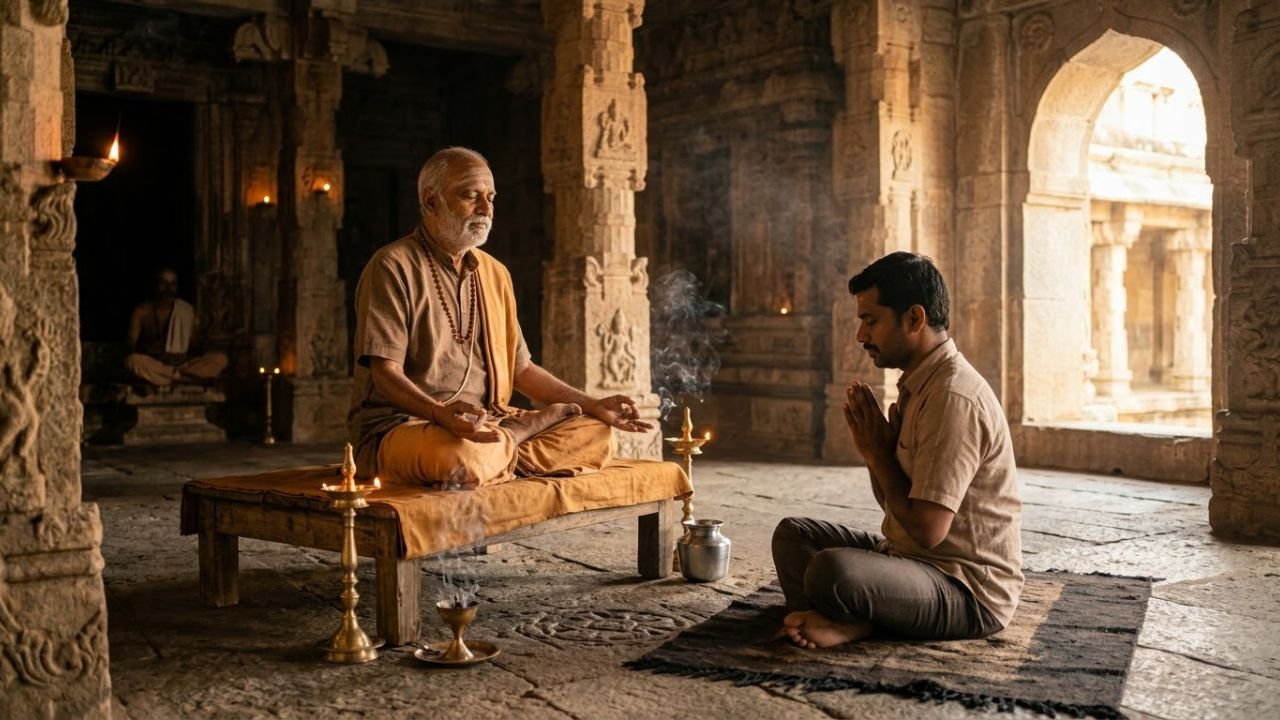
Traditional systems often emphasize the role of a qualified teacher or guru, particularly for advanced practices.
This is especially important with practices that involve intense rituals, altered states, fasting, isolation or advanced tantric methods.
Evening Spiritual Practice
The evening can provide another opportunity for reflection.
A person may review the day and ask:
- How did I behave today?
- Did fear control any of my decisions?
- Did I react unnecessarily?
- Was I truthful?
- Did I allow anger to control me?
- Did I help someone?
- What can I improve tomorrow?
This type of self-reflection is simple but powerful.
It transforms spirituality from something performed occasionally into something integrated into everyday life.
Night and Inner Stillness
Night has traditionally been considered an important period in several spiritual and tantric traditions.
However, specific nighttime tantric practices should not be presented as part of Aghori Rudra Maharaj’s personal routine without reliable evidence. Aghori Rudra Maharaj Ka Daily Routine
For a general spiritual lifestyle, nighttime can simply be a period for quiet meditation, prayer, reflection and rest.
A disciplined routine also requires adequate physical care.
Spirituality does not mean ignoring the body.
What Can Ordinary People Learn From an Aghori Daily Routine?
Most people are not Aghori ascetics, and they do not need to become one to benefit from the philosophical ideas associated with Aghor. Aghori Rudra Maharaj Ka Daily Routine
A modern person can take simple lessons from the tradition.
Start the Day Quietly
Spend a few minutes without your phone.
Practice Meditation
Even a short daily practice can encourage self-awareness.
Control Your Reactions
Pause before responding to anger or fear.
Reduce Unnecessary Attachment
Value people and possessions without allowing them to completely control your happiness.
Remember Impermanence
Use awareness of life’s temporary nature to appreciate the present.
Practice Compassion
Spiritual growth should also influence how you treat others.
Stay Disciplined
Consistency is more valuable than occasional enthusiasm.
Is Aghori Rudra Maharaj’s Exact Daily Routine Publicly Known?
This is an important distinction for readers and for SEO content.
There is a difference between Aghori tradition and the verified personal routine of a particular spiritual figure.
Unless an exact routine has been personally published or independently documented, claims such as “Aghori Rudra Maharaj wakes up at 3:00 AM every day” or “he performs a specific ritual at midnight every night” should not be presented as established facts. Aghori Rudra Maharaj Ka Daily Routine
This article therefore focuses on the broader spiritual principles associated with Aghor and sadhana rather than inventing personal details. Aghori Rudra Maharaj Ka Daily Routine
That approach is more transparent and more useful to readers.
Final Thoughts on Aghori Rudra Maharaj Ka Daily Routine
Aghori Rudra Maharaj Ka Daily Routine is a fascinating topic because it opens the door to a larger discussion about Aghor, Tantra, Shiva worship, meditation and spiritual discipline.
The real meaning of a spiritual routine is not simply what happens at a particular hour.
It is about how a person lives throughout the day.
Awareness in the morning.
Discipline during the day.
Self-observation when emotions arise.
Devotion and meditation.
Reflection in the evening.
And acceptance of impermanence.
These principles can help us understand why Aghor spirituality continues to attract people who are interested in deeper questions about life, fear, consciousness and inner transformation.
For readers who want to explore related subjects such as Aghor Tantra, Tantra Sadhana and spiritual practices, the Aghori Rudra Maharaj website can be used as a reference point for further information.
Most importantly, advanced spiritual or tantric practices should be approached responsibly and, where traditionally required, under appropriate guidance rather than through unsupervised experimentation. Aghori Rudra Maharaj Ka Daily Routine
Contact for More Information
Website: https://www.aghorirudramaharaj.info
Call / WhatsApp: +91-7357771057
Email: info@aghorirudramaharaj.info









Leave a Reply