
Understanding the Life of an Aghori
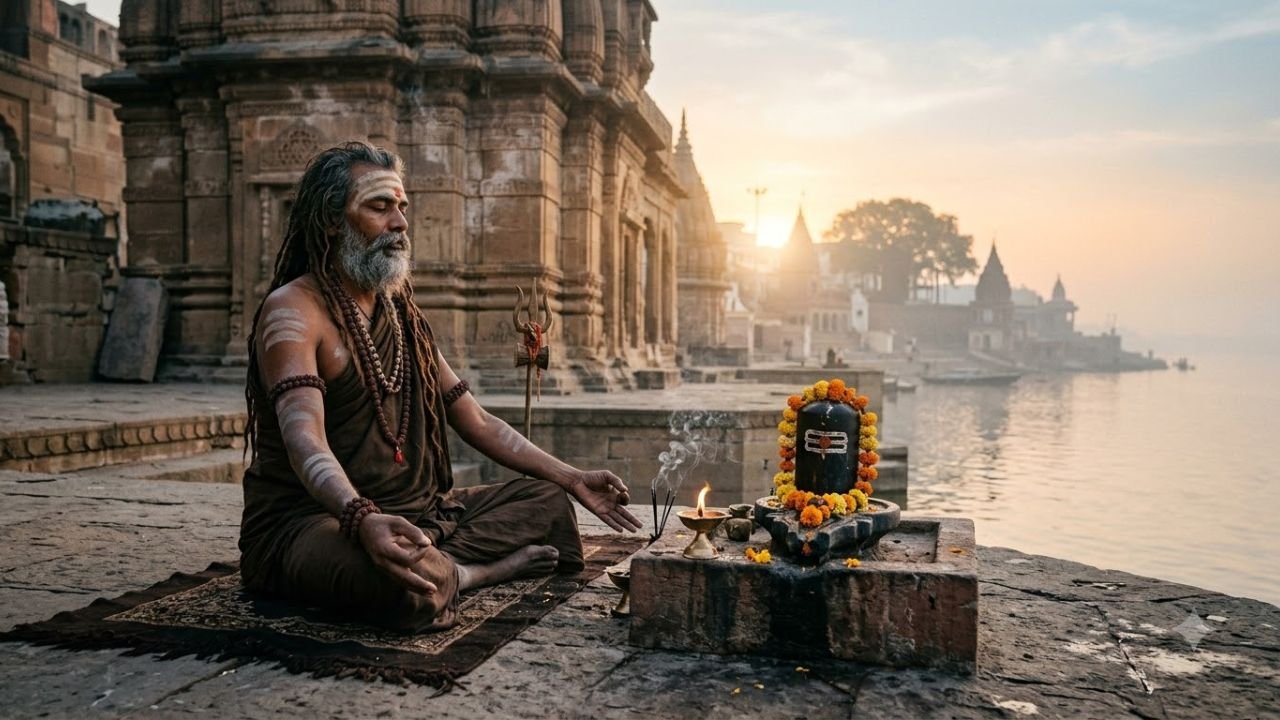
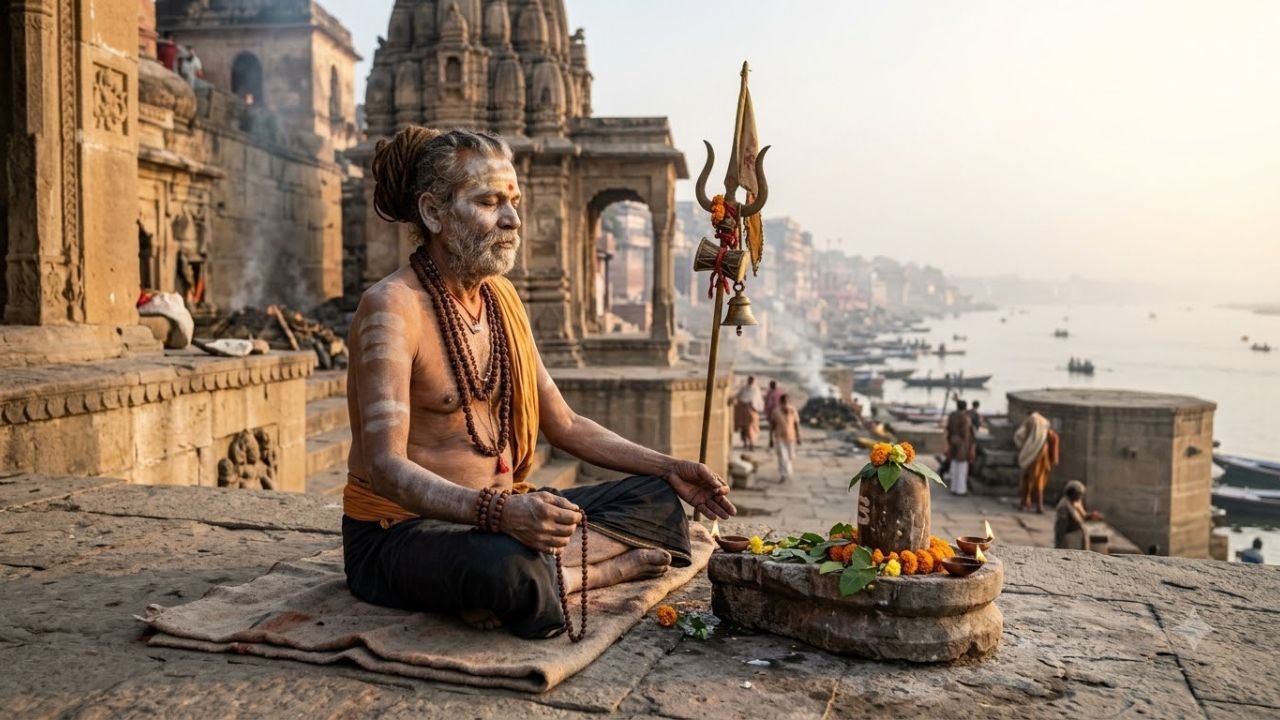
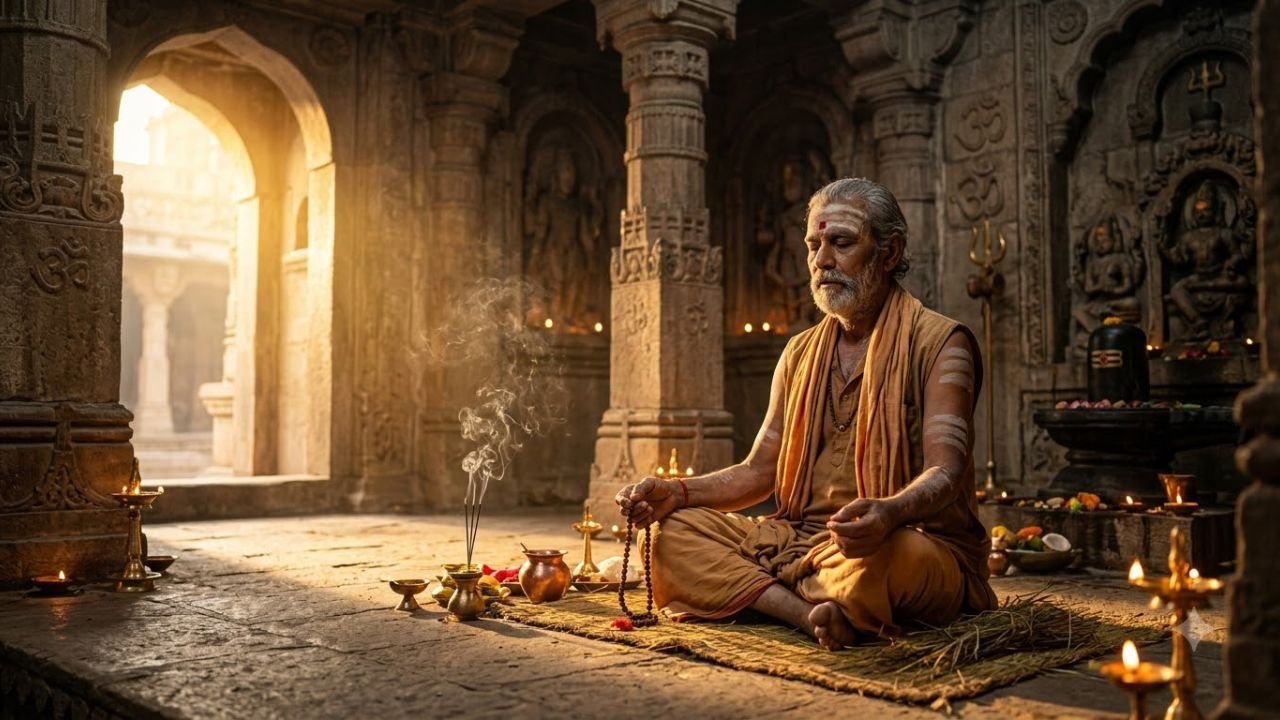
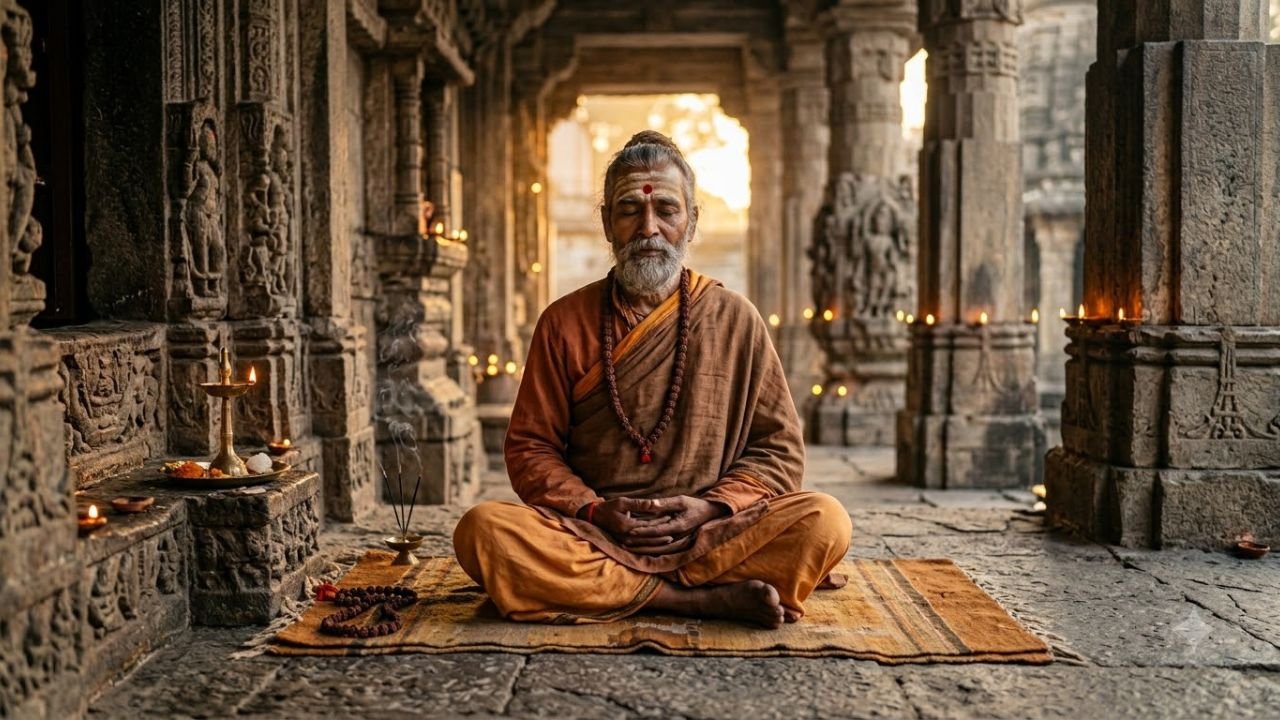
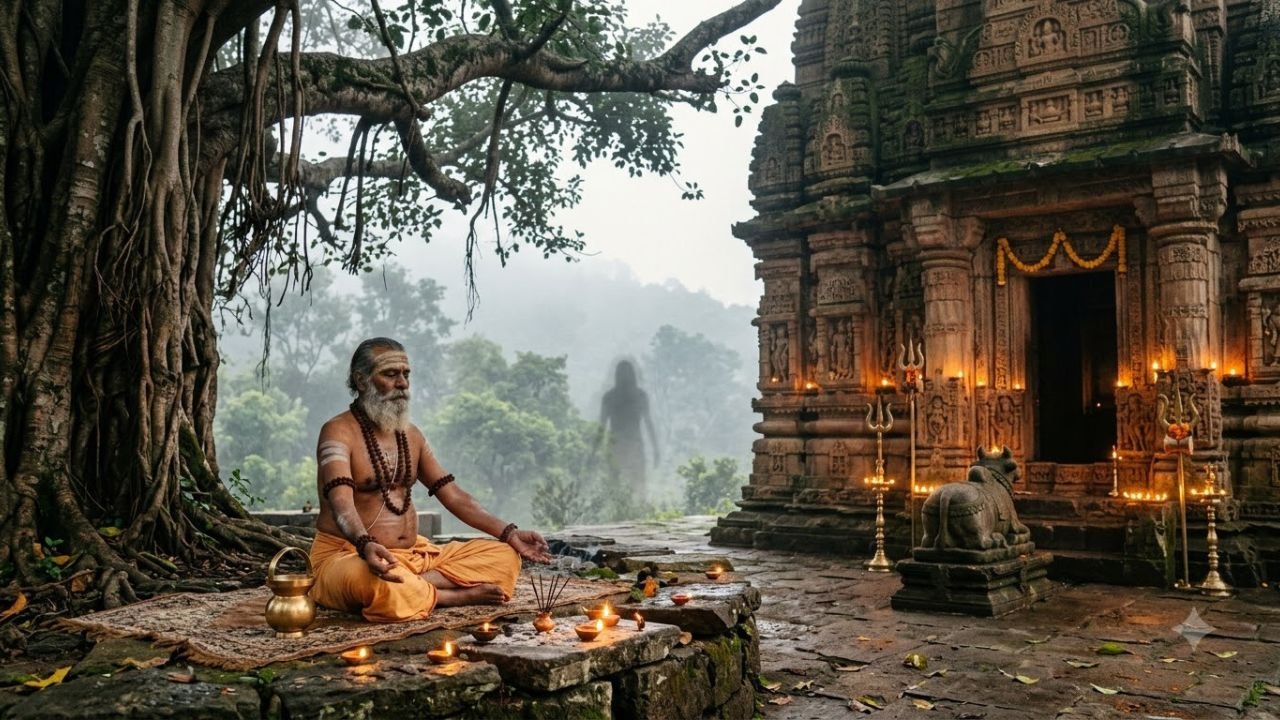
The question “Aghori Ka Jeevan Kaisa Hota Hai?” attracts the curiosity of many people. Images of ash-covered sadhus, meditation near cremation grounds, rudraksha malas, Lord Shiva worship, and intense spiritual practices often create a mysterious picture of Aghori life.
But the life of an Aghori is much deeper than what is commonly shown in movies, social media, or sensational stories.
The Aghor tradition is associated with Shaiva and Tantric spiritual practices and places importance on fearlessness, detachment, spiritual discipline, meditation, self-awareness, and the search for liberation. Materials associated with Aghori Rudra Maharaj similarly describe Aghor as a path concerned with inner transformation rather than simply unusual external practices.
This article explains what Aghori life can mean, how sadhana fits into it, why cremation grounds are associated with the tradition, and how the Aghor philosophy can be understood without relying on myths or exaggerated claims. Aghori Ka Jeevan Kaisa Hota Hai
What Is an Aghori?
An Aghori is traditionally associated with the Aghor spiritual tradition, a Shaiva path connected with Lord Shiva.
The word Aghor is commonly understood in relation to a state that is beyond fear, aversion, or conventional ideas of purity and impurity. Aghori Ka Jeevan Kaisa Hota Hai
A central idea is that human beings often divide life into things they like and things they fear or reject.
For example:
- Life versus death
- Pure versus impure
- Beautiful versus unpleasant
- Success versus failure
- Pleasure versus pain
Aghor philosophy encourages the practitioner to look beyond these rigid divisions and develop a deeper understanding of existence.
This does not mean that every Aghori follows exactly the same lifestyle. Traditions and individual practices can differ considerably.
Aghori Ka Jeevan Kaisa Hota Hai?
There is no single daily routine that describes every Aghori.
Aghori Ka Jeevan Kaisa Hota Hai Some traditional practitioners may live a highly ascetic life, while others may follow different forms of spiritual discipline. It is therefore inaccurate to assume that every Aghori spends all day in a cremation ground or performs the same rituals.
What can be discussed more generally is the spiritual discipline associated with Aghor.
This can include:
- Meditation
- Mantra japa
- Shiva worship
- Self-observation
- Detachment
- Guru guidance
- Spiritual study
- Discipline
- Contemplation of impermanence
The website associated with Aghori Rudra Maharaj also notes that there is no independently verified public timetable for his exact personal daily routine, so specific private rituals or timings should not be invented and presented as facts. Aghori Ka Jeevan Kaisa Hota Hai
The Spiritual Philosophy Behind Aghori Life
The central purpose of Aghori practice is not simply to appear different from society.
The deeper focus is often described as freedom from fear, attachment, and limiting mental concepts.
Ordinary human life is strongly influenced by fear.
We may fear:
- Death
- Loss
- Failure
- Rejection
- Loneliness
- Change
- Uncertainty
Aghor practice traditionally confronts these fears rather than continuously running away from them.
The goal is not to become careless or reckless. Instead, the practitioner seeks greater awareness and inner steadiness.
Fearlessness Does Not Mean Recklessness
This distinction is important.
Being fearless does not mean ignoring danger or behaving irresponsibly.
In a spiritual context, fearlessness can mean developing the ability to remain aware and steady when facing difficult realities.
This can include accepting the temporary nature of the physical body and material circumstances.
Why Are Cremation Grounds Associated With Aghori Life?
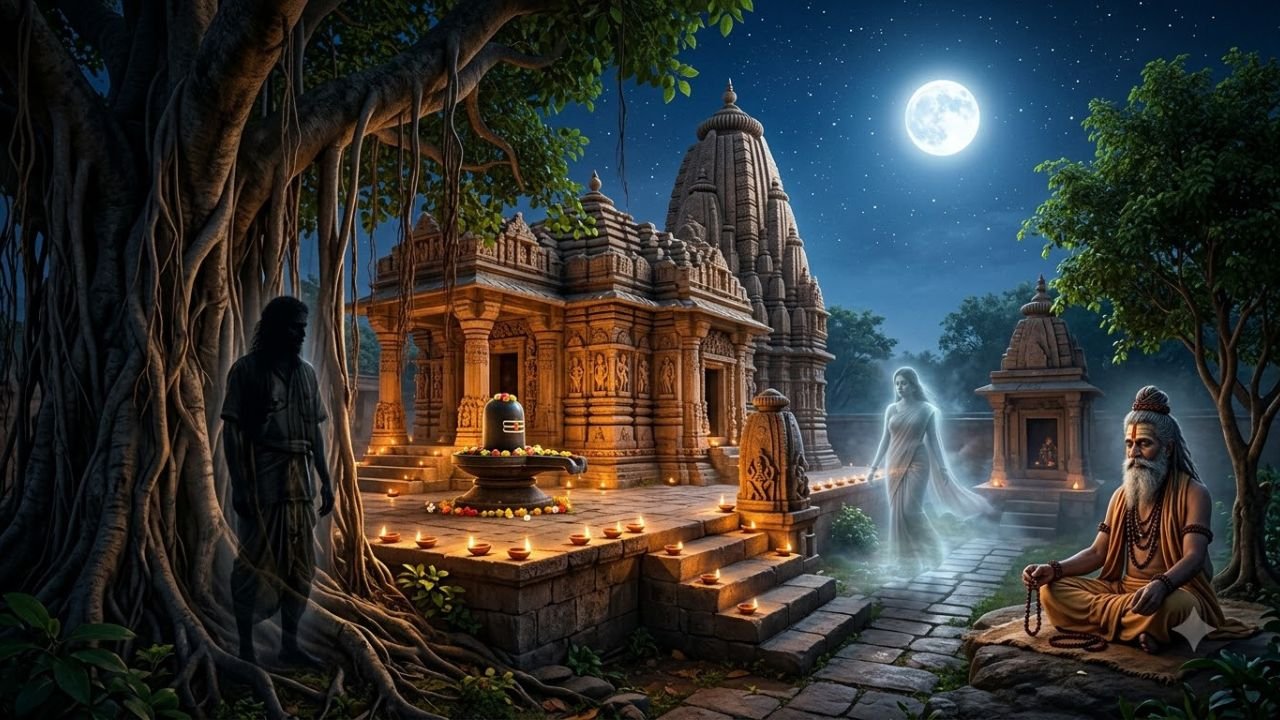
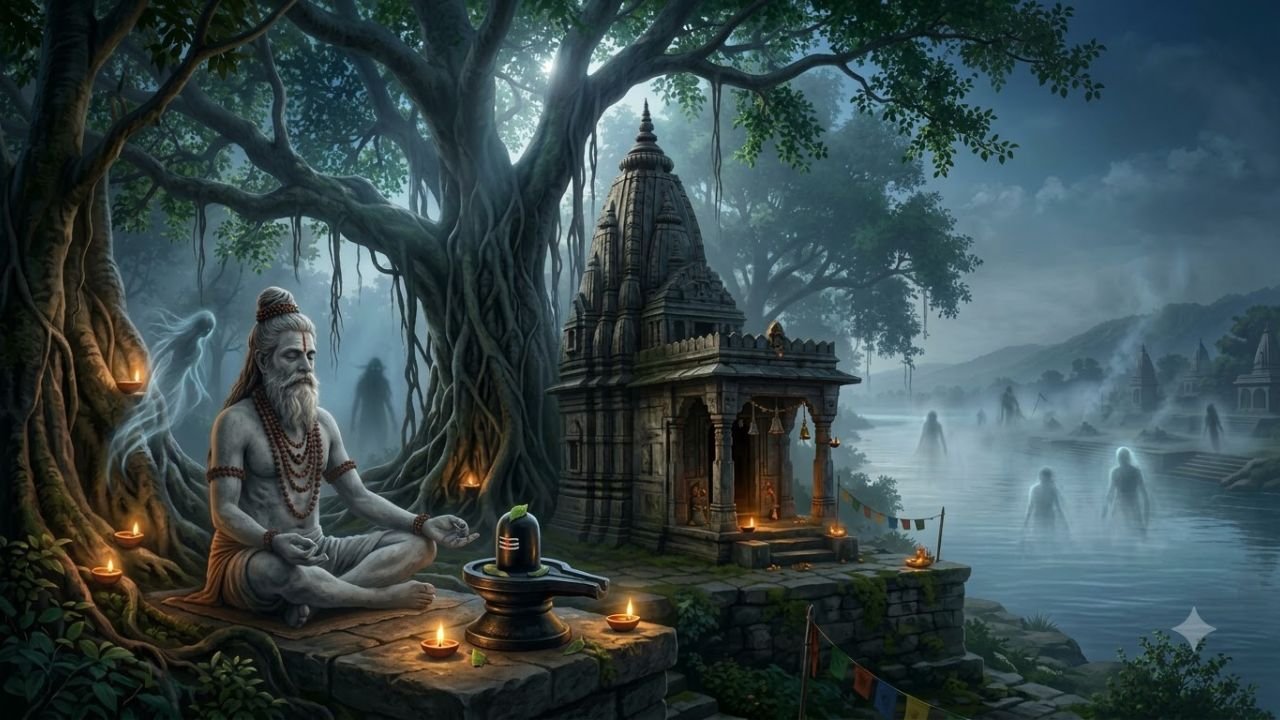
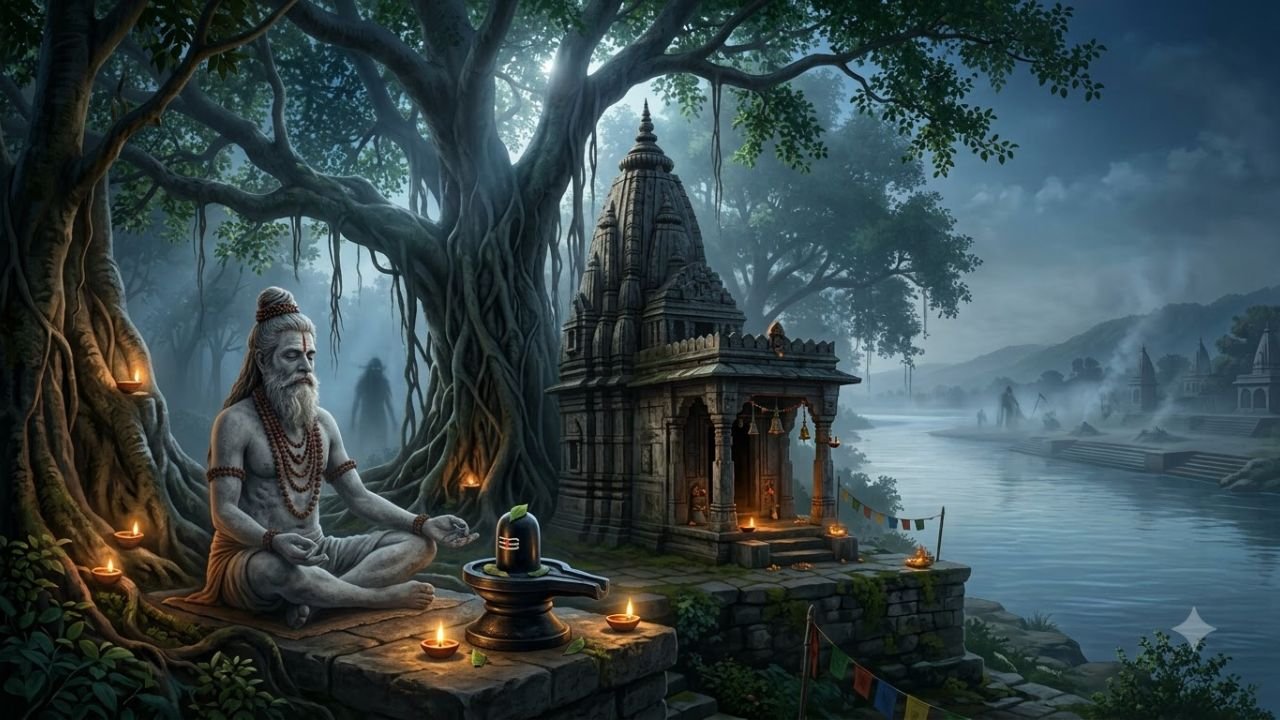
One of the most famous aspects of Aghori tradition is its association with cremation grounds, or shmashana.
This is often misunderstood.
People sometimes focus on the unusual environment itself, but the deeper symbolism relates to impermanence and death.
A cremation ground constantly reminds a practitioner that:
- The physical body is temporary.
- Wealth cannot last forever.
- Social status eventually disappears.
- Physical beauty changes.
- Life and death are interconnected.
The Aghori Rudra Maharaj material explains that the cremation ground can function as a setting for confronting attachment and recognizing impermanence; the deeper practice is the change in perspective rather than the location itself. Aghori Ka Jeevan Kaisa Hota Hai
The Lesson of Impermanence
For an Aghori practitioner, contemplation of death can become a way to understand life more deeply.
Instead of constantly fearing death, the practitioner may use awareness of mortality to become more detached from unnecessary desires and more conscious of the present. Aghori Ka Jeevan Kaisa Hota Hai
This philosophical idea can also be meaningful for ordinary people without adopting an ascetic lifestyle.
Aghori Sadhana and Daily Discipline
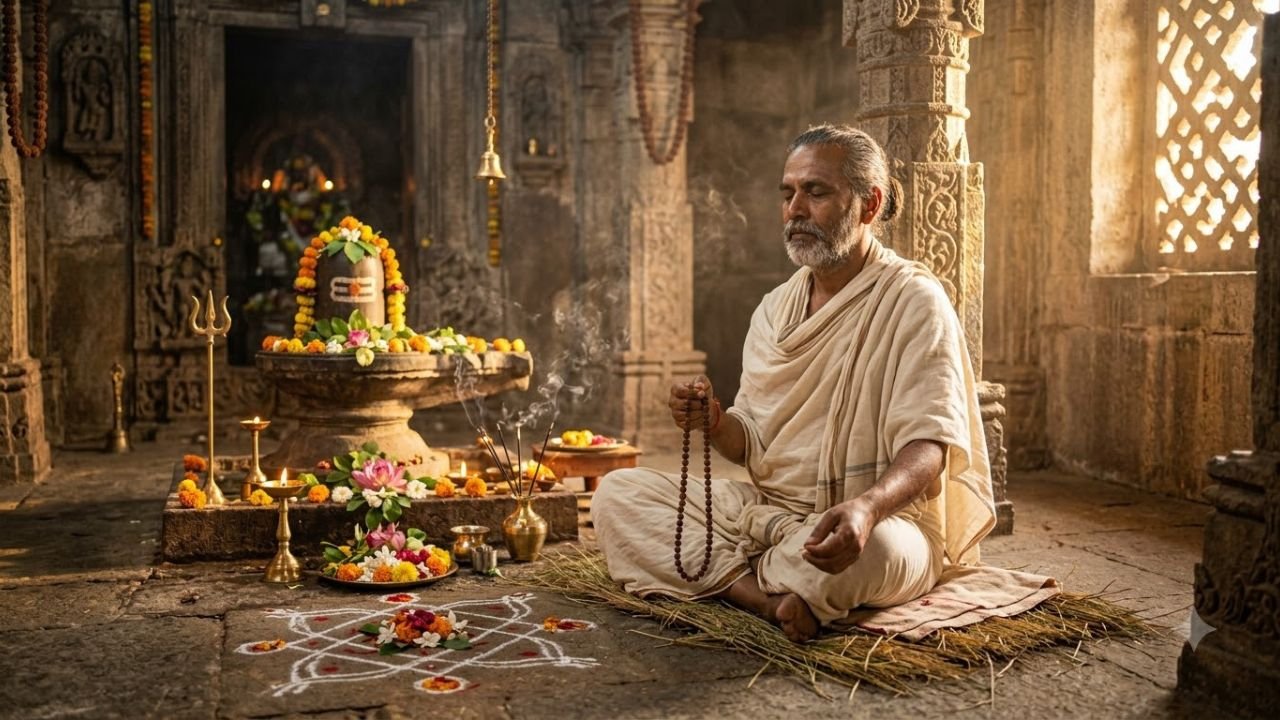
Sadhana means disciplined spiritual practice.
In the Aghor tradition, sadhana can involve different practices depending on the lineage and teacher.
Possible elements include:
Mantra Japa
Repeating a sacred mantra with concentration and devotion.
Meditation
Sitting in stillness and observing the mind, breath, thoughts, or chosen spiritual focus.
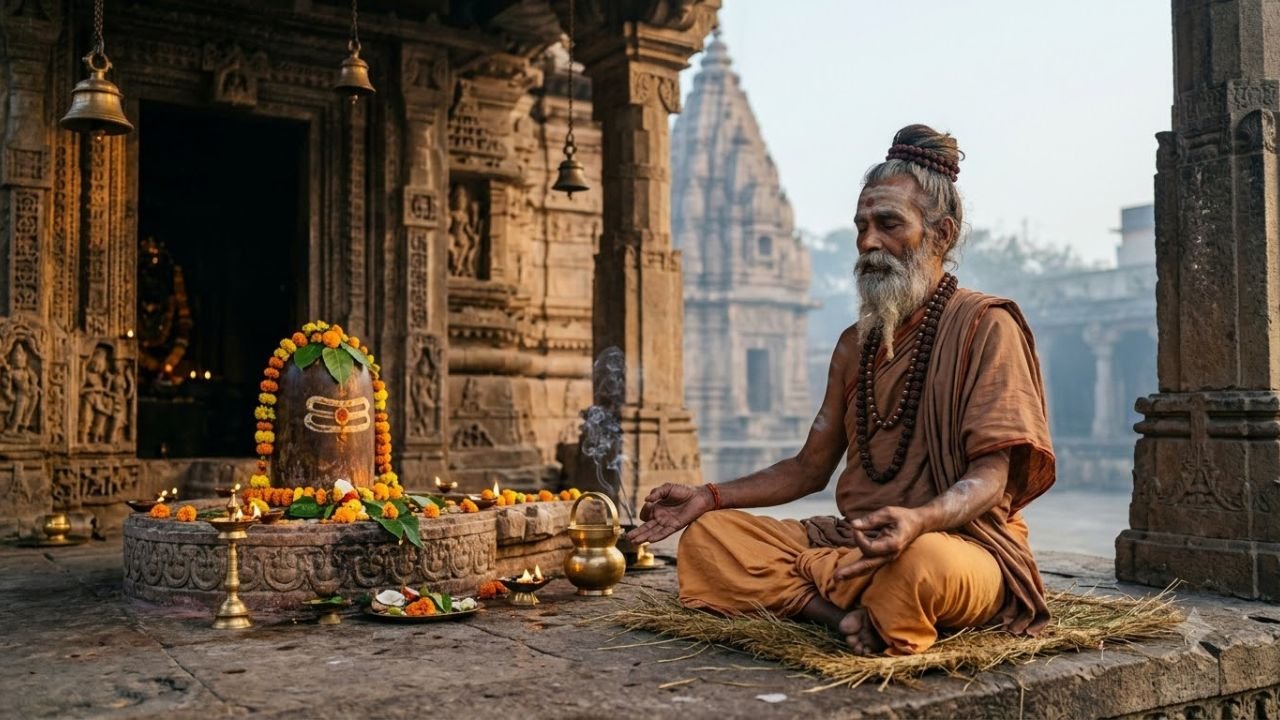
Shiva Worship
Devotion toward Lord Shiva is an important part of the broader Shaiva context associated with Aghor.
Self-Observation
Watching one’s own thoughts, reactions, fears, desires, and attachments.
Spiritual Discipline
Maintaining regular practice instead of depending only on temporary enthusiasm.
The Aghori Rudra Maharaj website describes sadhana in terms of meditation, mantra, devotion, self-discipline, contemplation, and other traditional practices, while noting that exact methods vary according to tradition and teacher. Aghori Ka Jeevan Kaisa Hota Hai
The Importance of Guru in Aghori Life
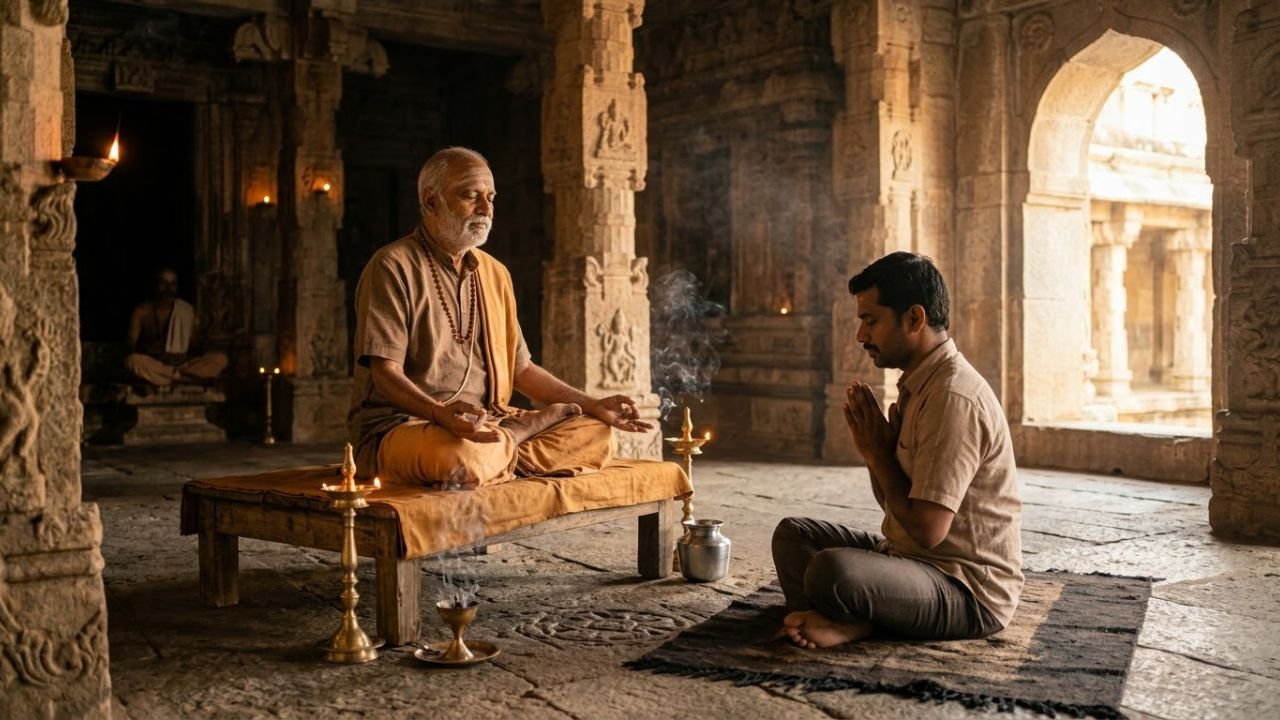
A Guru has an important place in many traditional Aghor and Tantric lineages.
Advanced spiritual practices are not generally treated as techniques that should simply be copied from the internet.
A knowledgeable teacher can provide:
- Direction
- Traditional context
- Personal guidance
- Discipline
- Correction
- Help in understanding experiences
The Guru-disciple relationship is particularly important when practices are intense or difficult.
Materials associated with Aghori Rudra Maharaj emphasize that Guru Bhakti is based on trust, respect, receptivity, consistency, humility, and sincere practice rather than blind following. Aghori Ka Jeevan Kaisa Hota Hai
Why Guru Guidance Matters
Without appropriate guidance, a seeker may misunderstand spiritual experiences or attempt practices that are not suitable for them.
For this reason, serious practitioners traditionally place importance on learning from an experienced teacher.
What Does an Aghori Eat?
People are often curious about the diet of an Aghori.
There is no single universal diet that can accurately be applied to every Aghori.
Different individuals and lineages may follow different dietary practices depending on their spiritual discipline, location, health, tradition, and personal circumstances. Aghori Ka Jeevan Kaisa Hota Hai
Popular stories sometimes exaggerate or generalize unusual practices.
Therefore, it is better to avoid assuming that every Aghori eats the same food or follows identical dietary rules.
The broader principle of an ascetic lifestyle is often connected with detachment from excessive material comfort, rather than with a particular sensational diet. Aghori Ka Jeevan Kaisa Hota Hai
Aghori and Material Possessions
Aghor philosophy places considerable emphasis on detachment.
An ordinary person may define identity through:
- Money
- Clothing
- Social position
- Property
- Appearance
- Profession
An ascetic practitioner may intentionally reduce dependence on such things.
The purpose is not necessarily to hate material objects. Instead, the practitioner attempts to reduce the psychological attachment that makes the mind dependent on them. Aghori Ka Jeevan Kaisa Hota Hai
Detachment Does Not Mean Neglect
Detachment should not automatically be understood as rejecting everything in life.
It can mean learning not to allow possessions, status, or desires to completely control one’s mental state.
This is one of the principles that can be applied even by people who do not follow an Aghori lifestyle.
Aghori Life and Meditation
Meditation is an important part of many Indian spiritual traditions.
For an Aghori practitioner, meditation can become a way to observe the mind and confront deeply rooted fears and attachments.
During meditation, a person may notice:
- Fear
- Anger
- Desire
- Memories
- Attachment
- Restlessness
- Ego
Rather than immediately reacting to every thought, the practitioner learns to observe.
Over time, this can encourage greater self-awareness.
Aghori Life Is Not Simply About Supernatural Powers
Another common misunderstanding is that Aghori life is mainly about obtaining supernatural powers or siddhis.
Traditional stories sometimes discuss extraordinary abilities, but they should not be treated as guaranteed results of Aghori practice.
The educational material associated with Aghori Rudra Maharaj specifically emphasizes inner transformation and cautions against treating Aghori sadhana as a shortcut to supernatural power. Aghori Ka Jeevan Kaisa Hota Hai
The deeper focus can instead be:
- Fearlessness
- Self-mastery
- Awareness
- Detachment
- Spiritual discipline
- Devotion
- Liberation
Is Aghori Sadhana the Same as Black Magic?
No.
This is one of the most common misconceptions.
Aghor and Tantra should not automatically be equated with black magic.
Tantric traditions include many different practices involving meditation, mantra, visualization, worship, concentration, and spiritual discipline.
The Aghori Rudra Maharaj website similarly distinguishes Aghor and Tantra from the popular idea that all such practices are black magic. Aghori Ka Jeevan Kaisa Hota Hai
Some people may associate particular occult practices with Tantra, but this does not mean that every Tantric or Aghor practice has a harmful purpose.
Aghori Life and Lord Shiva
Lord Shiva has a central place in the Shaiva spiritual context associated with Aghor.
Shiva represents many apparently opposite qualities:
- Creation and destruction
- Stillness and movement
- Asceticism and divine power
- Life and death
- Compassion and fierce transformation
The Aghori practitioner may contemplate these aspects to develop a deeper understanding of existence.
The figure of Shiva as an ascetic also represents detachment from conventional social status and excessive material attachment.
What Can Ordinary People Learn From Aghori Philosophy?
A person does not need to become an Aghori to learn from certain philosophical ideas associated with Aghor.
Some practical lessons include:
Accept Change
Everything in life changes. Understanding this can reduce excessive attachment.
Face Fear
Avoiding every uncomfortable experience can make fear stronger. Calmly understanding fear can build resilience.
Practice Awareness
Observe thoughts before automatically reacting to them.
Reduce Ego
Not every situation needs to become a competition.
Develop Discipline
Regular spiritual or reflective practice can be more valuable than occasional enthusiasm.
Remember Impermanence
Awareness that life is temporary can encourage greater appreciation of the present.
Common Misconceptions About Aghori Life
Myth 1: Every Aghori Lives in a Cremation Ground
Not necessarily. Traditions and individual lifestyles differ.
Myth 2: Every Aghori Performs the Same Rituals
No. Practices vary between lineages and practitioners.
Myth 3: Aghori Means Black Magic
This is an oversimplification. Aghor is associated with a broader spiritual and philosophical tradition.
Myth 4: Aghori Life Is Only About Strange Rituals
The deeper focus includes discipline, meditation, detachment, fearlessness, and spiritual transformation.
Myth 5: Every Aghori Has Supernatural Powers
Such claims belong to religious stories and traditional beliefs and should not automatically be treated as established facts.
How to Understand the Life of an Aghori Responsibly
If you are interested in learning about Aghori spirituality, avoid relying only on sensational videos and social media posts.
Instead:
- Study the philosophy.
- Learn about the role of Shiva.
- Understand the meaning of sadhana.
- Learn about Guru-Shishya tradition.
- Distinguish traditional beliefs from verified facts.
- Avoid attempting advanced practices without appropriate guidance.
This approach provides a more balanced understanding of the tradition.
Aghori Rudra Maharaj and the Aghor Path
Aghori Rudra Maharaj is presented through his associated website in connection with Aghor Tantra, mantra, meditation, spiritual discipline, Guru guidance, and inner transformation.
The website’s material repeatedly emphasizes that the deeper meaning of Aghori practice should not be reduced to dramatic imagery or sensational claims. Aghori Ka Jeevan Kaisa Hota Hai
For readers researching Aghori Ka Jeevan Kaisa Hota Hai, this distinction is particularly useful: the outer lifestyle may attract attention, but the underlying philosophy is focused on transforming the practitioner’s relationship with fear, attachment, identity, and impermanence.
Conclusion
So, Aghori Ka Jeevan Kaisa Hota Hai?
The answer is more complex than the popular image of an ash-covered sadhu sitting in a cremation ground.
An Aghori life, within the traditional understanding of Aghor, is associated with spiritual discipline, meditation, mantra, devotion to Shiva, Guru guidance, fearlessness, detachment, and contemplation of impermanence.
Cremation grounds and other unusual practices may have an important place in particular lineages, but they should not be treated as the entire meaning of Aghor. Aghori Ka Jeevan Kaisa Hota Hai
The deeper purpose is often described as moving beyond fear and rigid ideas of purity and impurity, developing awareness, and reducing attachment to the temporary aspects of life.
For modern readers, the most valuable way to understand Aghor is through its philosophy rather than sensational stories.
Readers interested in learning more about Aghori Rudra Maharaj, Aghor Marg, Sadhana, Tantra, Guru Bhakti, and spiritual practice can explore the related educational material on the official website. Aghori Ka Jeevan Kaisa Hota Hai
Aghori Rudra Maharaj
🌐 Website: Aghori Rudra Maharaj Official Website
📞 Call / WhatsApp: +91-7357771057
📧 Email: info@aghorirudramaharaj.info
Aghori Ka Jeevan Kaisa Hota Hai? | Aghori Life & Sadhana
Aghori Ka Jeevan Kaisa Hota Hai? Learn about Aghori life, Aghor philosophy, Sadhana, meditation, Shiva worship, Guru guidance, detachment and common misconceptions.





Leave a Reply