
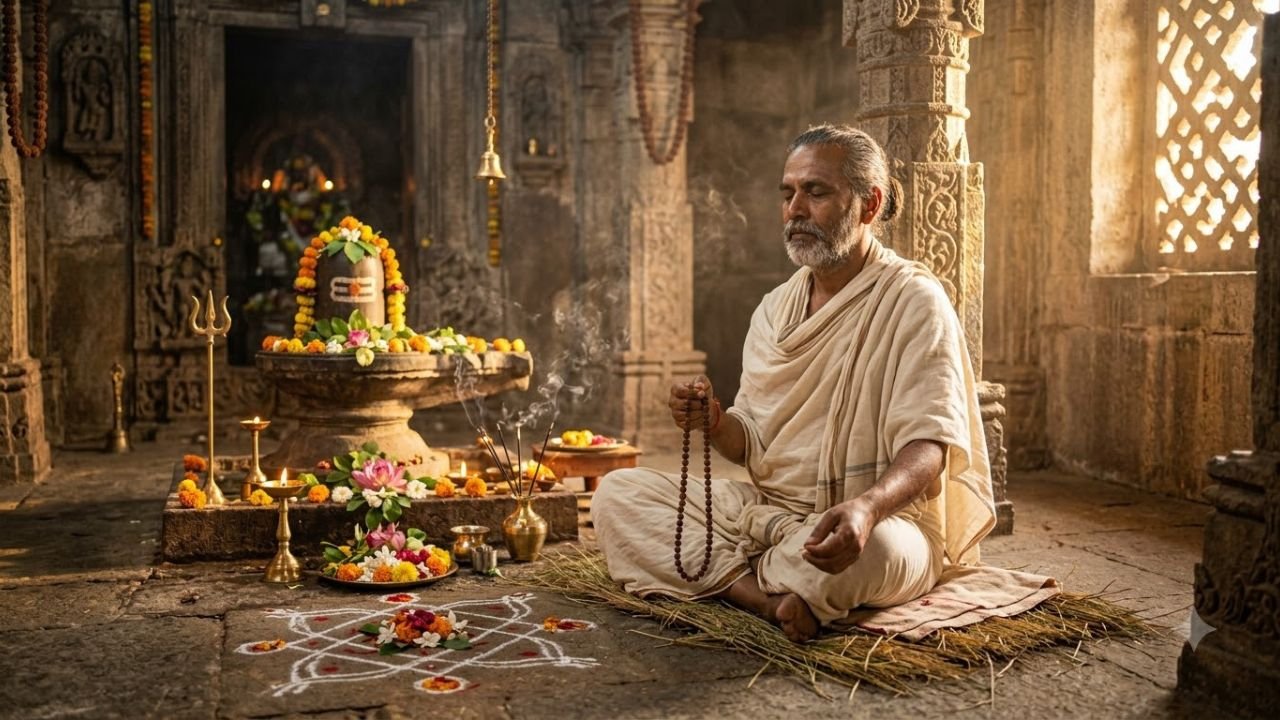
Understanding Devotion and Tantric Spiritual Practice
Bhakti Aur Tantra Ka Sahi Marg is an important subject for people interested in Indian spirituality, meditation, mantra, devotion, Tantra, and Sadhana.
At first, Bhakti and Tantra may appear to be two completely different spiritual paths. Bhakti is commonly understood as devotion and love toward the Divine, while Tantra is often associated with mantra, meditation, visualization, ritual, and disciplined spiritual practice.
However, both paths can have a deeper connection. Depending on the tradition and lineage, devotion can become an important foundation for Tantric practice, while Tantric practices can provide structured methods for developing concentration, awareness, and spiritual discipline. Bhakti Aur Tantra Ka Sahi Marg
The key is to understand both paths correctly instead of relying on popular misconceptions.
Your reference website discusses Tantra-Mantra Sadhana as a disciplined spiritual practice involving mantra, meditation, devotion, and guidance from a genuine Guru. It also emphasizes that Tantra should not automatically be equated with harmful or so-called black-magic practices.
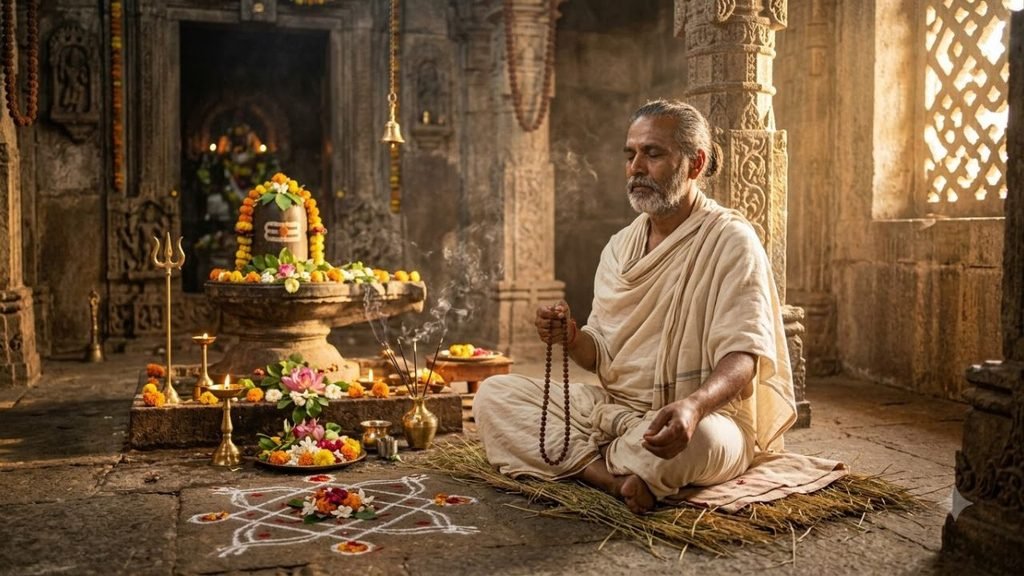
What Is Bhakti?
Bhakti means devotion, love, faith, and a sincere spiritual relationship with the Divine.
A Bhakti practitioner may express devotion through:
- Prayer
- Mantra chanting
- Kirtan
- Puja
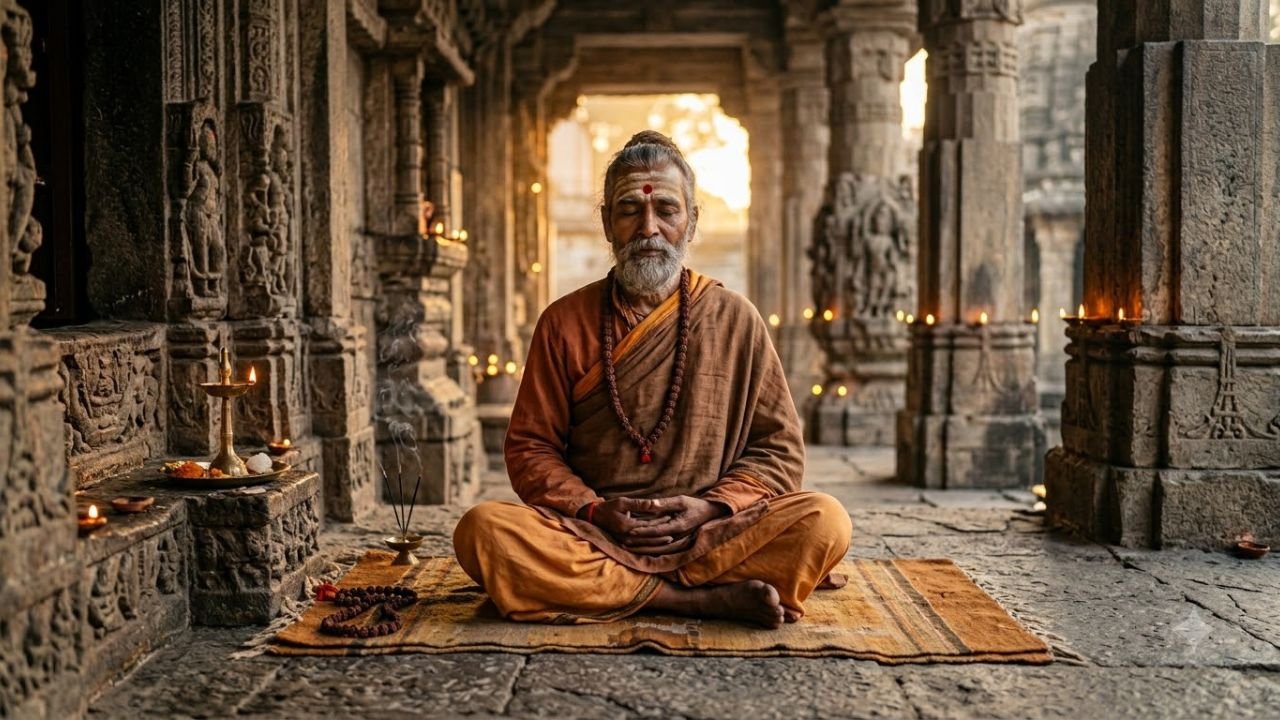
- Meditation
- Reading spiritual texts
- Remembering the Divine
- Service
- Gratitude
The central idea is developing a sincere connection with the chosen form or understanding of the Divine.
Bhakti does not necessarily require complicated rituals. A simple prayer performed with sincerity can itself become a meaningful spiritual practice. Bhakti Aur Tantra Ka Sahi Marg
The Power of Devotion
Devotion can help bring emotional focus to spiritual life.
Instead of approaching spirituality only as an intellectual subject, Bhakti encourages the seeker to develop qualities such as:
- Humility
- Faith
- Compassion
- Gratitude
- Patience
- Surrender
- Love
These qualities can support a person’s overall spiritual discipline.
What Is Tantra?
The word Tantra covers a broad range of Indian spiritual traditions and practices. It is not one single ritual or technique.
Depending on the lineage, Tantric practice may include:
- Mantra
- Meditation
- Visualization
- Yantra
- Deity worship
- Concentration
- Ritual practice
- Breath awareness
- Spiritual discipline
The purpose and methods can vary considerably between different traditions.
The reference material on Tantra Sadhana associated with Aghori Rudra Maharaj describes Tantra as a broad spiritual tradition rather than simply the mysterious or harmful practice often shown in popular culture. Bhakti Aur Tantra Ka Sahi Marg
Is Tantra the Same as Black Magic?
No.
This is one of the most common misconceptions surrounding Tantra.
Tantra includes many traditions focused on spiritual awareness, devotion, meditation, mantra, concentration, and transformation. It should not automatically be labeled as black magic.
Some people may use the word Tantra when discussing harmful or occult practices, but that does not represent the full range of Tantric traditions. Bhakti Aur Tantra Ka Sahi Marg
Understanding this difference is important for anyone searching for Bhakti Aur Tantra Ka Sahi Marg.
How Are Bhakti and Tantra Connected?
Bhakti and Tantra can use different methods, but they can share several important foundations.
Both can encourage:
- Concentration
- Discipline
- Devotion
- Regular practice
- Respect for spiritual tradition
- Mantra
- Meditation
- Inner transformation
For example, a practitioner following a Tantric tradition may perform mantra meditation while maintaining deep devotion toward a chosen deity.
In this way, Bhakti can provide the heart of the practice, while Tantra can provide a structured method of spiritual discipline, depending on the particular tradition.
Bhakti Aur Tantra Ka Sahi Marg Kya Hai?
There is no single method that applies equally to every person.
The right spiritual approach depends on the practitioner’s tradition, understanding, level of preparation, and guidance.
However, several principles can help a seeker approach both Bhakti and Tantra responsibly.
1. Begin With Sincere Intention
Before beginning any spiritual practice, ask yourself:
Why am I doing this?
If the motivation is only fame, power, revenge, or impressing other people, the practice can easily become disconnected from its deeper purpose.
A sincere intention may instead be:
- Spiritual growth
- Inner peace
- Self-understanding
- Devotion
- Mental discipline
- Greater awareness
Intention provides direction to the practice.
2. Make Devotion the Foundation
For a person interested in combining Bhakti and Tantra, devotion can provide an important foundation.
Instead of treating mantra or ritual merely as a technique for obtaining something, the practitioner can approach it with respect and devotion.
For example, mantra repetition can become an opportunity to:
- Focus the mind
- Remember the Divine
- Develop discipline
- Cultivate humility
- Deepen devotion
The spiritual meaning becomes more important than simply counting repetitions.
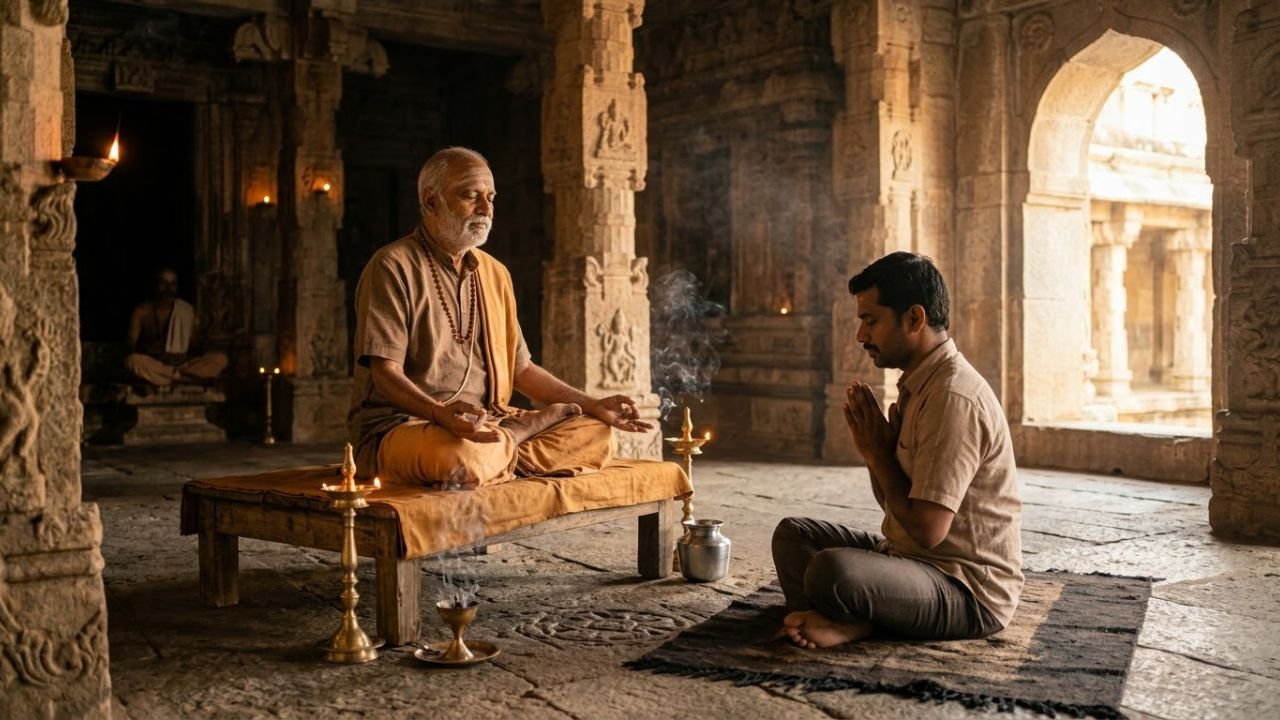
3. Learn From a Genuine Guru
Guru guidance has an important place in many Indian spiritual traditions, particularly in advanced Tantric practices.
The Aghori Rudra Maharaj reference material emphasizes that a knowledgeable Guru can help a practitioner understand the appropriate mantra, method, discipline, and interpretation of spiritual experiences. Bhakti Aur Tantra Ka Sahi Marg
A Guru can help a seeker avoid common mistakes and understand the traditional context of a practice.
Why Guidance Matters in Tantra
Tantric traditions can contain specialized mantras, rituals, symbols, visualizations, and disciplines.
Reading a few instructions online does not necessarily provide enough context to practice an advanced method correctly.
Therefore, beginners should avoid randomly experimenting with unfamiliar or advanced Tantric practices.
4. Practice Regularly
Neither Bhakti nor Tantra should be treated as an occasional activity performed only when convenient.
Regular practice can be more meaningful than occasional intensity.
A simple routine might include:
Morning
A few minutes of quiet meditation, prayer, or mantra repetition.
During the Day
Remembering the chosen deity and practicing awareness in everyday activities.
Evening
Prayer, reflection, spiritual reading, or additional mantra practice.
The exact routine should depend on the practitioner’s tradition and appropriate guidance.
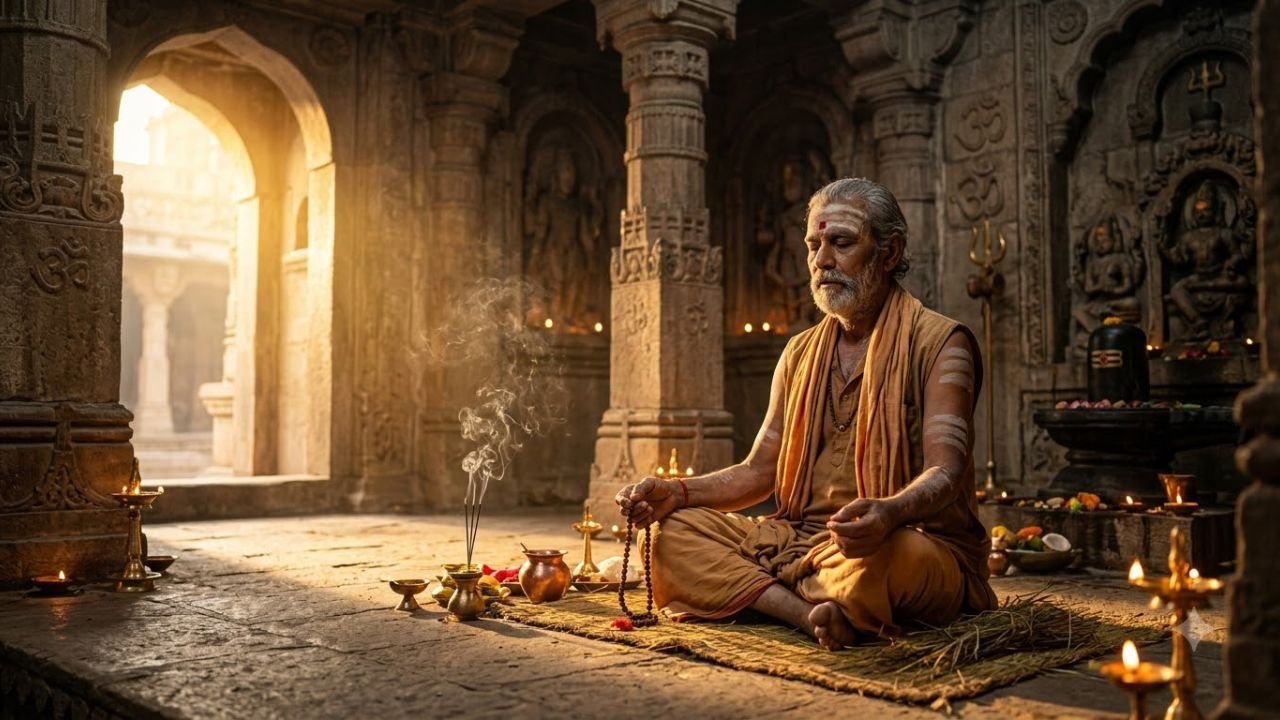
5. Understand the Meaning Behind the Mantra
Mantra is an important element in many spiritual traditions.
Rather than mechanically repeating sounds, a practitioner can learn about the meaning, pronunciation, purpose, and traditional context of the mantra.
The reference material on Tantra-Mantra Sadhana describes mantra as a central element of practice and emphasizes concentration, devotion, and disciplined repetition. Bhakti Aur Tantra Ka Sahi Marg
A mantra can therefore become both a practice of concentration and an expression of devotion.
Bhakti in Tantric Practice
In some Tantric traditions, devotion toward a chosen deity is deeply connected with spiritual practice.
The practitioner may visualize the deity, repeat a mantra, perform worship, or meditate while maintaining a devotional attitude.
This combination can create a practice in which:
The mind becomes focused through discipline, while the heart becomes engaged through devotion.
However, the exact relationship between Bhakti and Tantra differs between traditions, so one should avoid assuming that every Tantric lineage follows the same method.
Tantra Without Ego
One of the most important principles for a serious spiritual seeker is avoiding spiritual ego.
A person may learn a mantra, experience deep meditation, or become knowledgeable about spiritual philosophy.
The danger is beginning to think:
“I am more spiritually advanced than everyone else.”
Spiritual practice should ideally encourage greater humility rather than superiority.
This is particularly important when discussing Tantra because dramatic stories about secret powers can easily attract the ego.
The educational material associated with Aghori Rudra Maharaj similarly cautions against focusing on sensational claims and presents spiritual practice as a path of discipline and inner transformation. Bhakti Aur Tantra Ka Sahi Marg
Bhakti, Tantra and Inner Transformation
The deeper purpose of spiritual practice is not necessarily to produce extraordinary experiences.
A meaningful spiritual journey can gradually influence everyday life.
A practitioner may become:
- More patient
- More disciplined
- Less reactive
- More compassionate
- More aware
- Less attached to unnecessary desires
- More comfortable with uncertainty
- More focused
These changes can be valuable indicators of personal development.
Spiritual Experience Is Not the Same as Spiritual Progress
Some practitioners may experience unusual dreams, visions, sensations, or emotional states during meditation.
Such experiences can be personally meaningful, but they should not automatically be considered proof of advanced spiritual attainment.
A balanced approach is to observe experiences without becoming obsessed with them.
The deeper question is:
“How is my practice changing the way I live?”
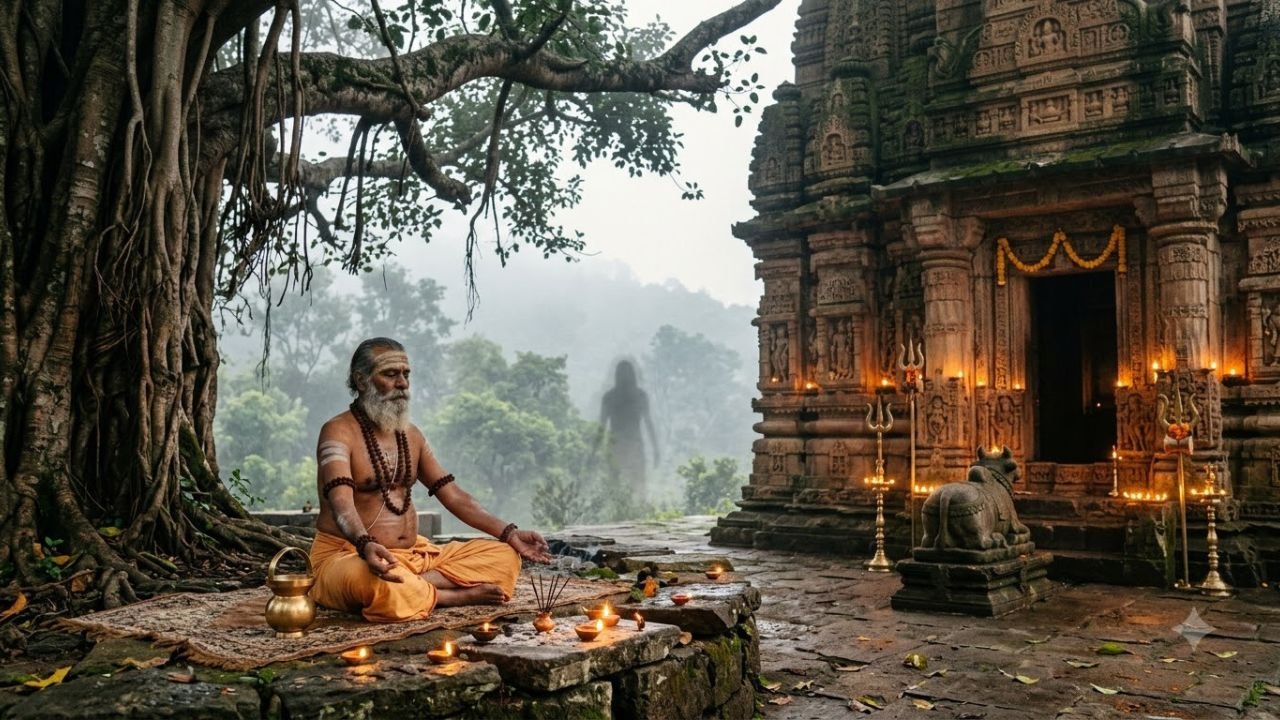
Aghor, Bhakti and Tantra
Aghor is one of the spiritual traditions frequently discussed alongside Tantra and Shaiva practice.
Popular culture often focuses on its unusual imagery, but educational material associated with Aghori Rudra Maharaj presents Aghor in terms of fearlessness, detachment, meditation, spiritual discipline, and inner transformation rather than sensationalism. Bhakti Aur Tantra Ka Sahi Marg
The reference material also emphasizes that Aghor should not simply be equated with harmful practices or black magic.
For a seeker, this means that learning about Aghor should involve understanding its philosophy rather than relying only on dramatic images or stories.
Common Mistakes to Avoid
Anyone exploring Bhakti and Tantra should be aware of several common mistakes.
Expecting Instant Results
Spiritual practice is generally a gradual process. Claims of guaranteed results in a very short period should be approached carefully. Bhakti Aur Tantra Ka Sahi Marg
Copying Practices From Social Media
A practice suitable for one tradition or practitioner may not be suitable for everyone.
Chasing Supernatural Powers
Traditional stories may discuss siddhis, but making supernatural powers the central goal can distract from spiritual discipline.
Ignoring the Guru
Advanced practices should not be treated as casual experiments.
Using Spirituality to Harm Others
The reference material on Tantra-Mantra Sadhana explicitly presents its purpose around spiritual development and warns against using practice to harm or control others. Bhakti Aur Tantra Ka Sahi Marg
A Simple Path for Beginners
Someone who is new to spirituality does not need to begin with complicated Tantric rituals.
A simple approach can be:
Step 1: Develop Devotion
Choose a form of prayer or devotional practice that is meaningful to you.
Step 2: Practice Mantra
Learn an appropriate mantra from a reliable traditional source or teacher.
Step 3: Meditate
Spend a few quiet minutes observing the breath or focusing on the chosen spiritual practice.
Step 4: Develop Discipline
Practice regularly rather than searching constantly for new techniques.
Step 5: Study
Learn about the tradition, philosophy, and meaning behind your practice.
Step 6: Seek Proper Guidance
When moving toward specialized or advanced practices, seek guidance from a knowledgeable and trustworthy teacher.
How to Follow Bhakti Aur Tantra Ka Sahi Marg
The right path is not necessarily the path with the most complicated rituals.
A balanced approach focuses on:
Devotion + Discipline + Knowledge + Guidance + Self-awareness
These five elements can provide a strong foundation for spiritual practice.
Bhakti reminds the seeker to keep the heart connected with the Divine.
Tantra, within its diverse traditions, can provide disciplined methods for working with mantra, meditation, visualization, worship, and awareness.
Guru guidance can help the practitioner understand how these practices fit within a particular lineage.
Conclusion
Bhakti Aur Tantra Ka Sahi Marg is ultimately about understanding spirituality beyond appearances and misconceptions.
Bhakti emphasizes devotion, love, humility, remembrance, and surrender toward the Divine. Tantra represents a broad family of spiritual traditions involving practices such as mantra, meditation, visualization, worship, and disciplined awareness.
They can sometimes meet through devotional Tantric practice, where devotion gives meaning to the practice and disciplined methods help develop concentration and awareness. Bhakti Aur Tantra Ka Sahi Marg
The most important principles are sincerity, regular practice, proper guidance, humility, and responsible spiritual conduct.
A seeker should not chase instant miracles or extraordinary powers. Instead, spiritual practice can be approached as a gradual journey toward greater awareness, discipline, devotion, and inner transformation. Bhakti Aur Tantra Ka Sahi Marg
For readers interested in learning more about Bhakti, Tantra, Mantra Sadhana, Guru Bhakti, and Aghor, the Aghori Rudra Maharaj website provides related educational material on these subjects.
Aghori Rudra Maharaj
🌐 Website: Aghori Rudra Maharaj Official Website
📞 Call / WhatsApp: +91-7357771057
📧 Email: info@aghorirudramaharaj.info
Bhakti Aur Tantra Ka Sahi Marg
Bhakti and Tantra
Bhakti aur Tantra
Right path of Bhakti and Tantra
Tantra Sadhana
Bhakti Sadhana
Tantra and devotion
Mantra Sadhana
Guru Bhakti
Aghor Tantra
Spiritual practice
Indian spiritual traditions
Aghori Rudra Maharaj
Bhakti Aur Tantra Ka Sahi Marg | Bhakti & Tantra Sadhana Guide
Understand Bhakti Aur Tantra Ka Sahi Marg, including devotion, mantra, meditation, Guru guidance, Tantra Sadhana, discipline, and the deeper purpose of spiritual practice.





Leave a Reply