
Understanding Ancient Indian Beliefs
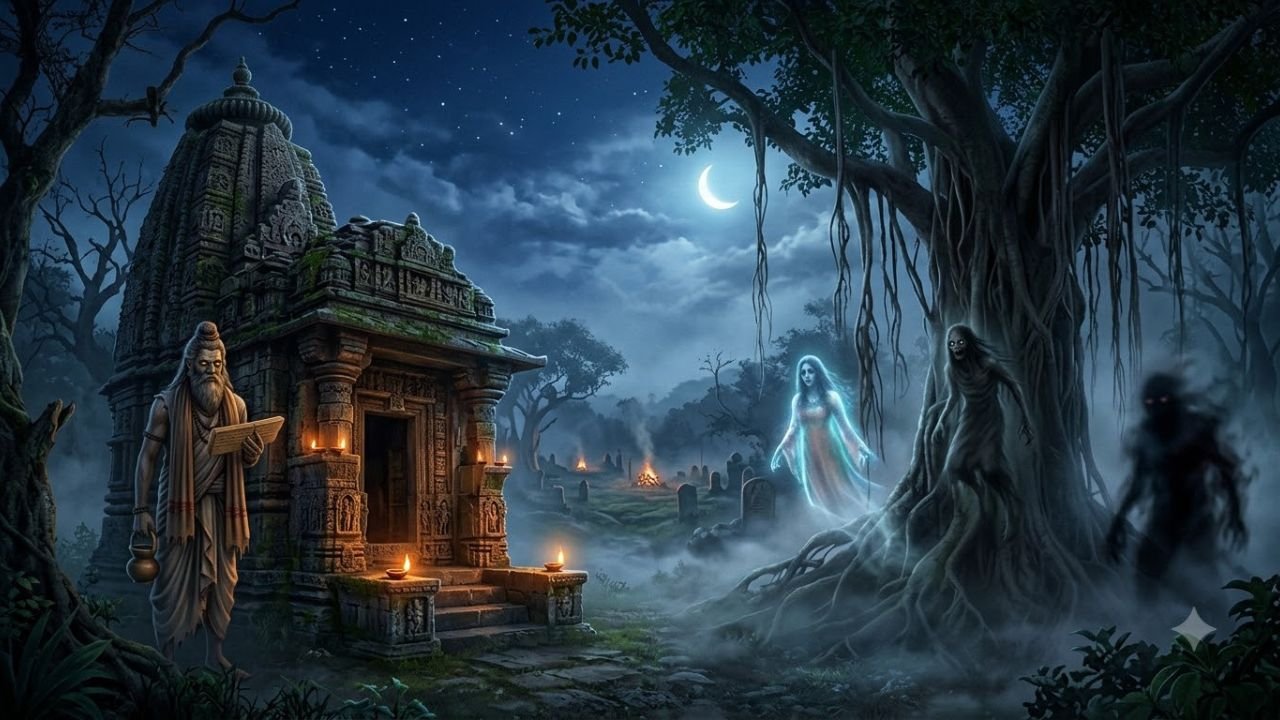
Bhoot Pret Pishach & Brahmarakshas are fascinating and mysterious subjects in Indian folklore, religious traditions, mythology, and spiritual discussions. For centuries, stories about spirits, restless souls, supernatural beings, and unusual spiritual experiences have been passed from one generation to another.
Many people have heard terms such as Bhoot Pret Pishach & Brahmarakshas but they may not know that these words are not necessarily interchangeable. Traditional stories and regional beliefs often give each term a different meaning and character.
At the same time, it is important to distinguish traditional beliefs and folklore from scientifically established facts. Stories about supernatural beings can have deep cultural and religious significance, but individual experiences are not automatically proof that a particular supernatural entity was present.
This article explores these concepts in simple English and explains how they are understood in traditional Indian belief systems.
What Are Bhoot, Pret, Pishach and Brahmarakshas?
Although these terms are sometimes used together, traditional interpretations can differ.
In broad terms:
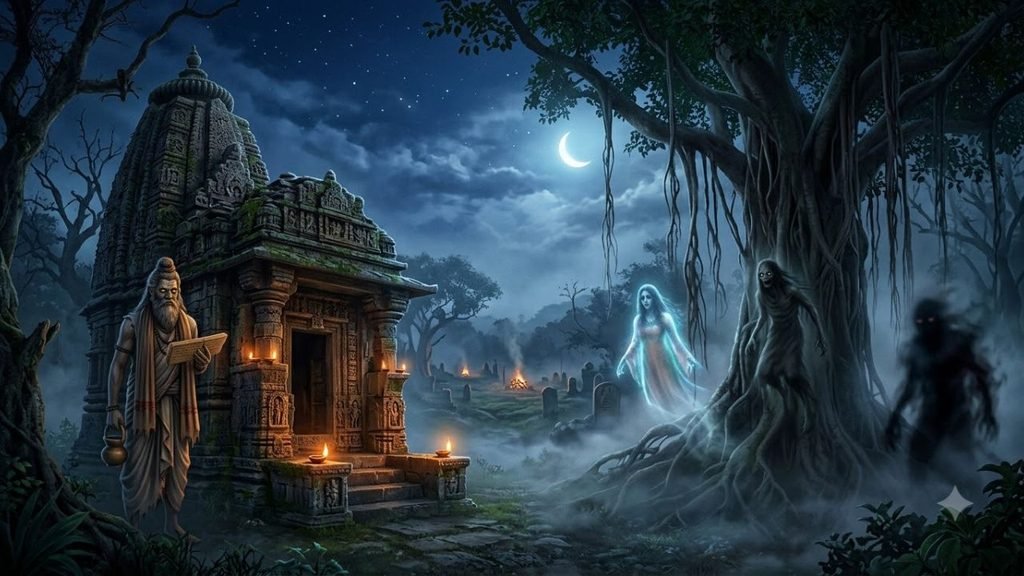
- Bhoot is commonly used for a spirit or ghost.
- Pret is traditionally associated with a departed or restless spirit.
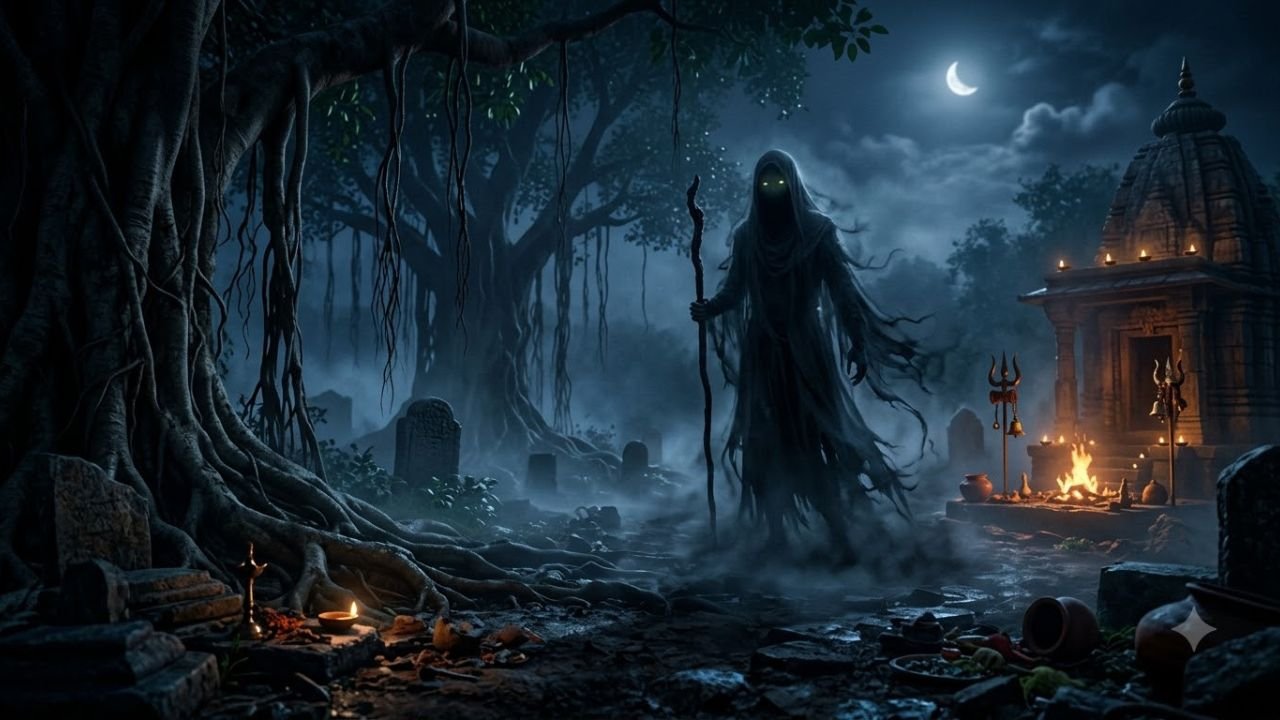
- Pishach is described in traditional literature and folklore as a supernatural being associated with darkness or unsettling environments.
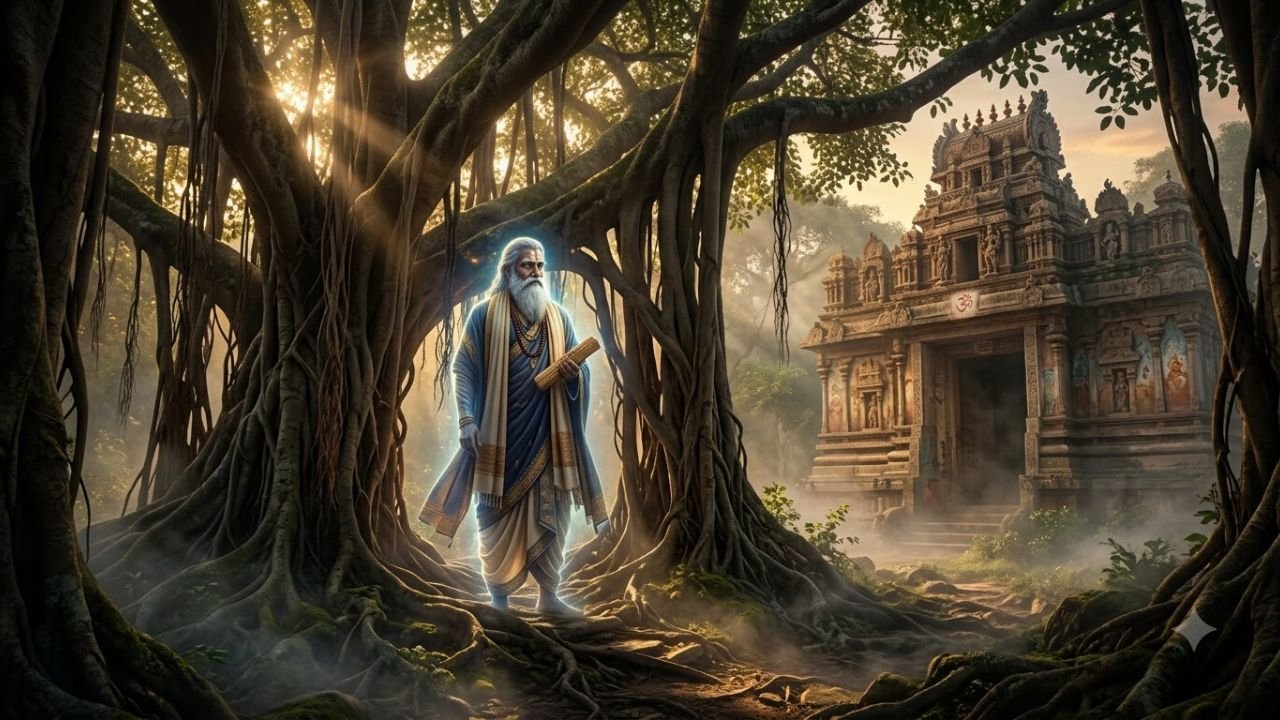
- Brahmarakshas is traditionally described as a powerful supernatural entity, often associated in folklore with a learned Brahmin who became a spirit under particular circumstances.
These descriptions vary between texts, regions, and oral traditions. There is therefore no single universally accepted description that applies to every Indian tradition. Bhoot Pret Pishach & Brahmarakshas
Bhoot Kya Hota Hai?
The word Bhoot is widely used in Indian languages to describe a ghost or spirit.
In popular belief, a bhoot is sometimes described as the spirit of a deceased person that remains connected to a particular place or situation.
Stories may associate ghosts with:
- Old houses
- Abandoned buildings
- Forests
- Roads
- Ancient structures
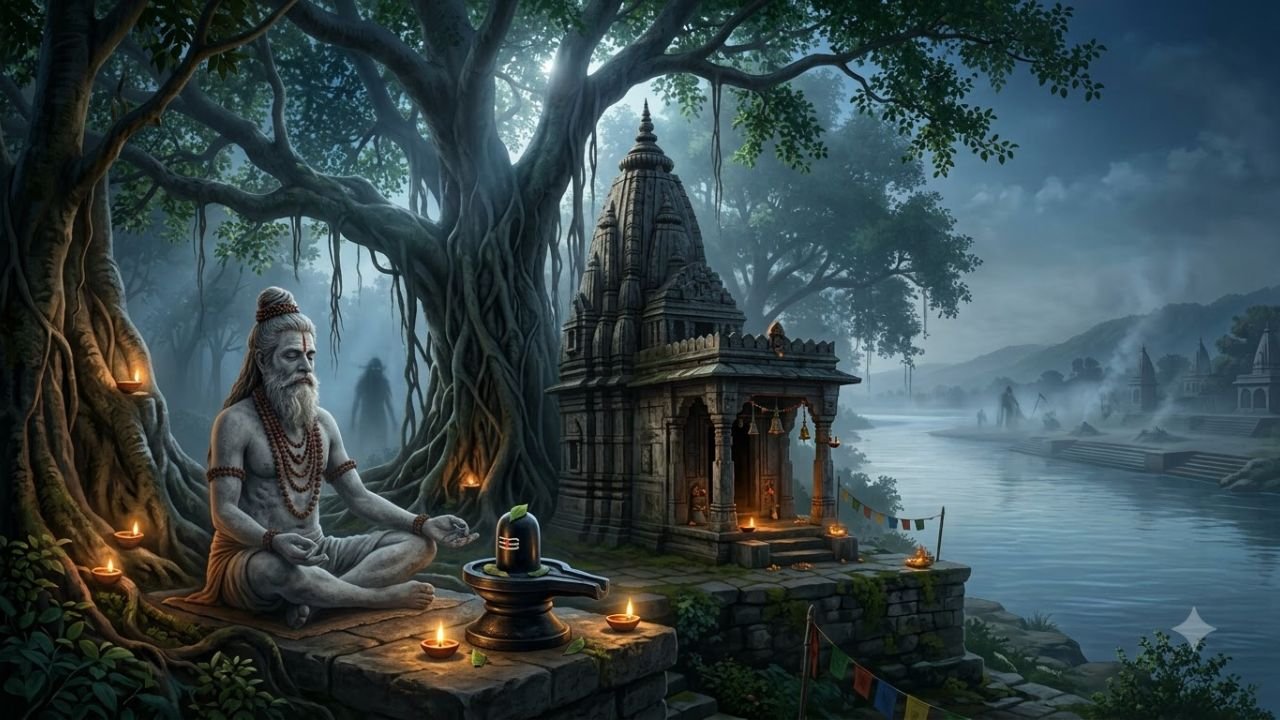
- Cremation grounds
- Places connected with tragic events
However, these are elements of folklore and cultural storytelling rather than scientifically verified locations where ghosts have been demonstrated to exist. Bhoot Pret Pishach & Brahmarakshas
Why Are Ghost Stories So Common?
Stories about ghosts often emerge from human attempts to understand unexplained experiences.
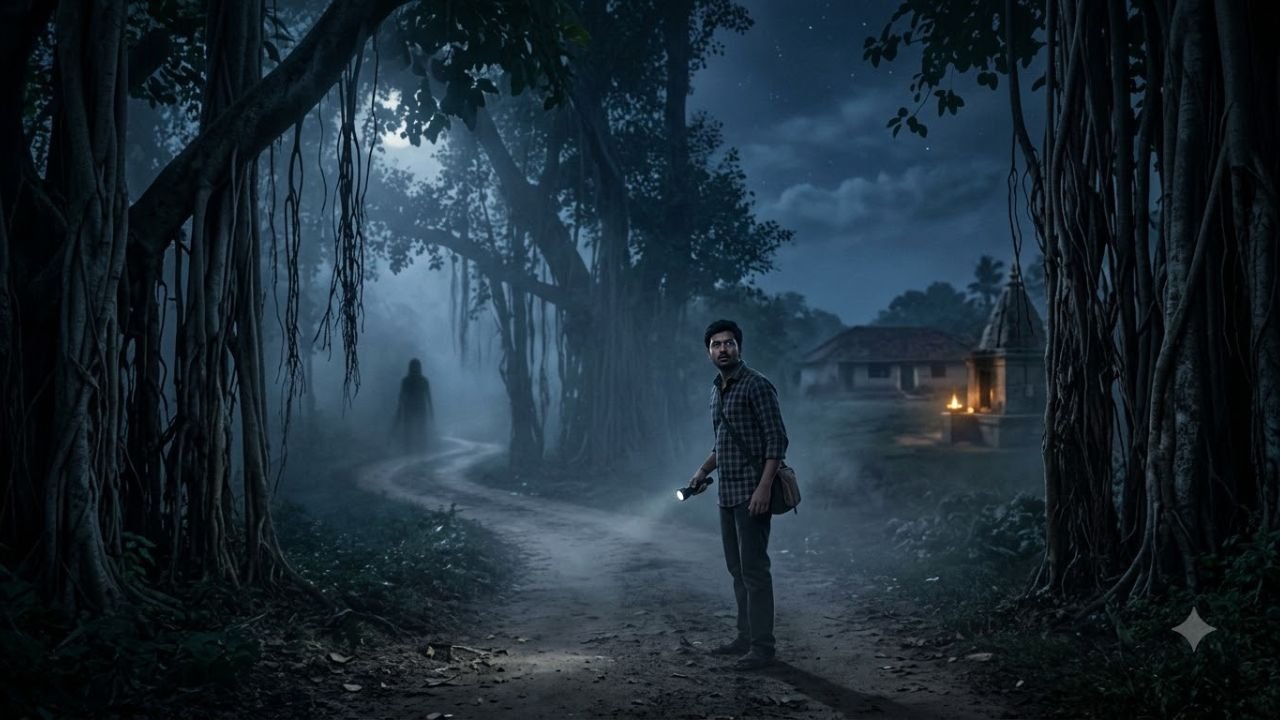
For example, someone may hear an unusual sound at night, see a strange shadow, experience sleep paralysis, or become frightened in an unfamiliar environment.
Before modern scientific explanations became widely available, supernatural explanations were often used to understand such events. Bhoot Pret Pishach & Brahmarakshas
Even today, ghost stories remain an important part of Indian popular culture.
Pret Kya Hota Hai?
Pret is another important term in Indian spiritual and religious traditions.
The concept of Preta appears in South Asian religious literature, where it is associated with a deceased being or spirit in a condition connected with unresolved attachment, desire, or the consequences of death. Bhoot Pret Pishach & Brahmarakshas
In popular Indian belief, a pret is sometimes described as a soul that has not reached a peaceful state.
Traditional explanations can vary depending on the religious text and regional tradition.
Pret and the Idea of Attachment
One recurring theme in stories about pret is attachment.
The story may suggest that intense attachment to:
- Wealth
- Family
- Property
- Anger
- Desire
- Revenge
can prevent spiritual peace.
Whether understood literally or symbolically, this idea has a strong philosophical dimension: human attachment can influence how people understand death and loss.
Pishach Kya Hota Hai?
The term Pishach has a long history in Indian literature and mythology.
Traditional descriptions portray Pishachas as supernatural beings associated with darkness, fear, and unsettling environments.
Different texts and regional traditions describe them differently.
In modern popular culture, the word Pishach is often used for a frightening supernatural entity.
However, it is important to remember that ancient descriptions do not necessarily correspond exactly to the horror characters shown in modern movies or television. Bhoot Pret Pishach & Brahmarakshas
Pishach in Indian Folklore
Pishach stories often reflect ancient concerns about:
- Darkness
- Unknown places
- Death
- Fear
- Human vulnerability
- The unseen world
Such stories can therefore be understood as both religious folklore and cultural narratives.
Brahmarakshas Kya Hota Hai?
Among these four concepts, Brahmarakshas is one of the most distinctive.
Traditional folklore describes a Brahmarakshas as a powerful spirit associated with a learned Brahmin who, because of particular circumstances described in traditional narratives, becomes a supernatural being after death. Bhoot Pret Pishach & Brahmarakshas
The word combines ideas associated with Brahma or Brahminical learning and Rakshasa.
Different stories explain the origin differently.
Some traditional narratives connect the condition with misuse of knowledge, improper conduct, or other spiritual and moral circumstances.
These accounts belong to religious folklore and should not be treated as historically verified descriptions of supernatural beings.
Difference Between Bhoot, Pret, Pishach and Brahmarakshas
Understanding the basic differences can make these subjects easier to study.
Bhoot
Generally used as a broad term for a ghost or spirit.
Pret
Traditionally associated with a departed or restless spirit, particularly in South Asian religious traditions.
Pishach
A supernatural being described in traditional literature and folklore, often associated with darkness and fear.
Brahmarakshas
A powerful supernatural figure described in traditional stories, often associated with a deceased learned Brahmin.
These meanings overlap in popular conversation, but their traditional backgrounds are different.
Are Bhoot, Pret and Pishach Real?
This is one of the most common questions.
From a scientific perspective, there is no established scientific evidence proving the existence of ghosts, Pishachas, or Brahmarakshasas as supernatural entities. Bhoot Pret Pishach & Brahmarakshas
However, these concepts have real cultural importance.
Millions of people have grown up hearing stories about them, and religious and regional traditions preserve many such narratives.
Therefore, it is useful to make a distinction:
Cultural belief does not automatically equal scientific proof.
At the same time, a person’s experience can feel completely real to them even when there may be another explanation for what happened. Bhoot Pret Pishach & Brahmarakshas
Why Do People Feel a Presence?
People sometimes report feeling that someone is standing nearby even when nobody is visible.
There can be several possible explanations.
Sleep Paralysis
During sleep paralysis, a person can temporarily be unable to move and may experience vivid sensations of another presence.
Stress and Anxiety
High levels of stress can make ordinary sounds or shadows seem unusually threatening.
Darkness and Environmental Conditions
Low light, unfamiliar sounds, and unusual surroundings can cause the brain to interpret ambiguous information as a possible threat. Bhoot Pret Pishach & Brahmarakshas
Grief
After losing someone close, people may sometimes feel their presence or experience vivid dreams about them.
Such experiences can be emotionally powerful without necessarily proving the presence of a supernatural entity.
Bhoot, Pret and Spiritual Traditions
Indian spiritual traditions contain many different ideas about death, rebirth, consciousness, karma, and the transition between life and death.
These ideas should not all be reduced to the modern concept of a “ghost.”
Different traditions have different philosophical frameworks.
Some focus on:
- Karma
- Rebirth
- Liberation
- Ancestor remembrance
- Rituals after death
- Spiritual purification
- Detachment
This broader context helps explain why concepts such as Pret appear in traditional discussions.
Connection With Tantra and Aghor
Bhoot, Pret, Pishach, and related subjects are sometimes discussed alongside Tantra and Aghor.
This connection has often been exaggerated by popular media.
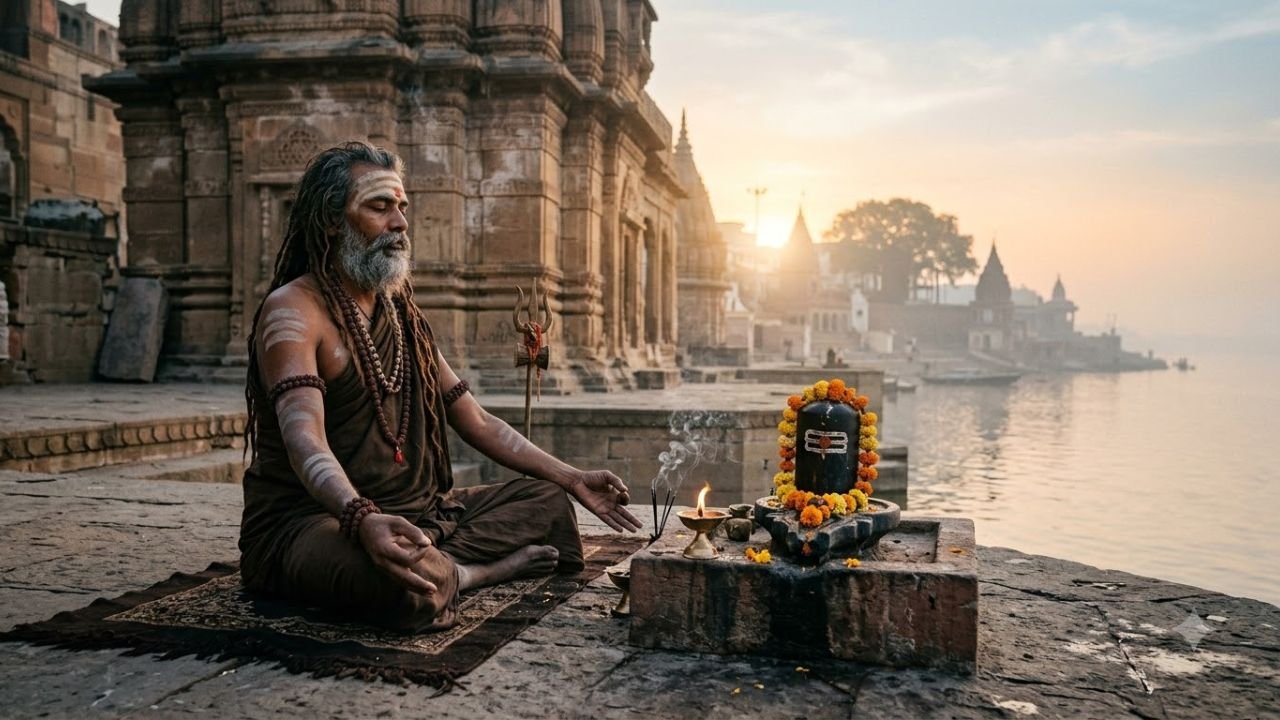
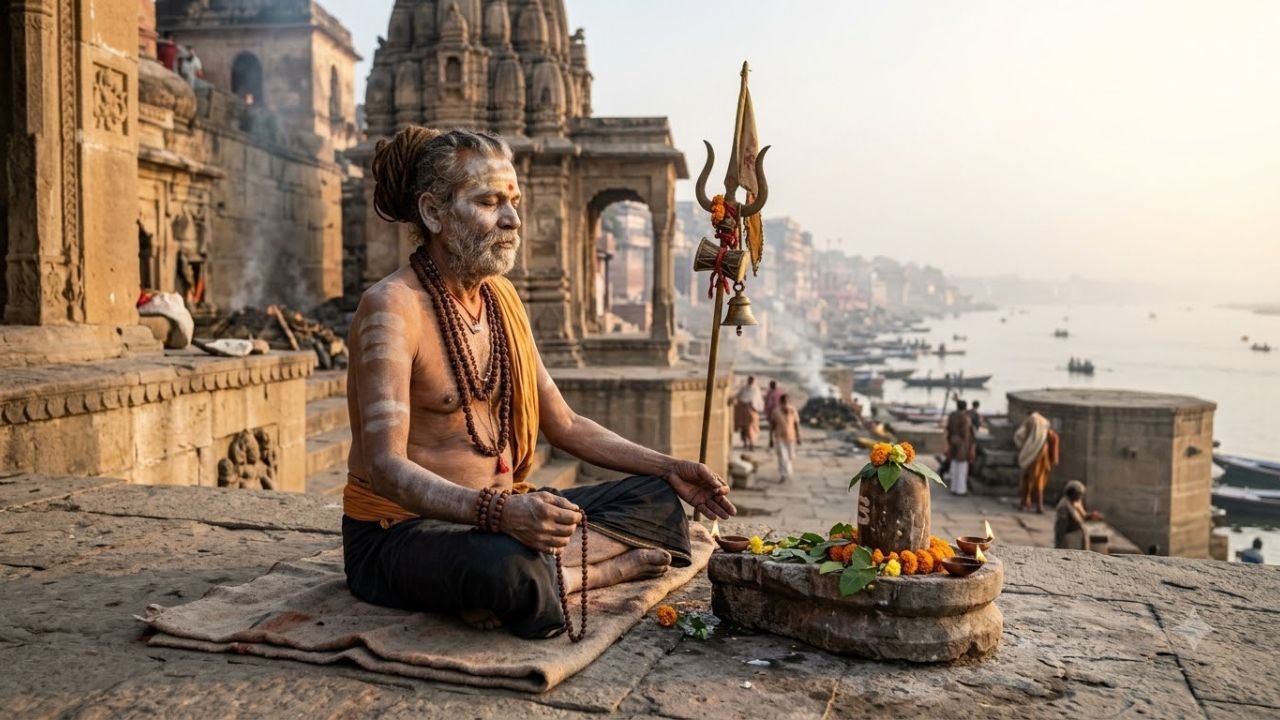
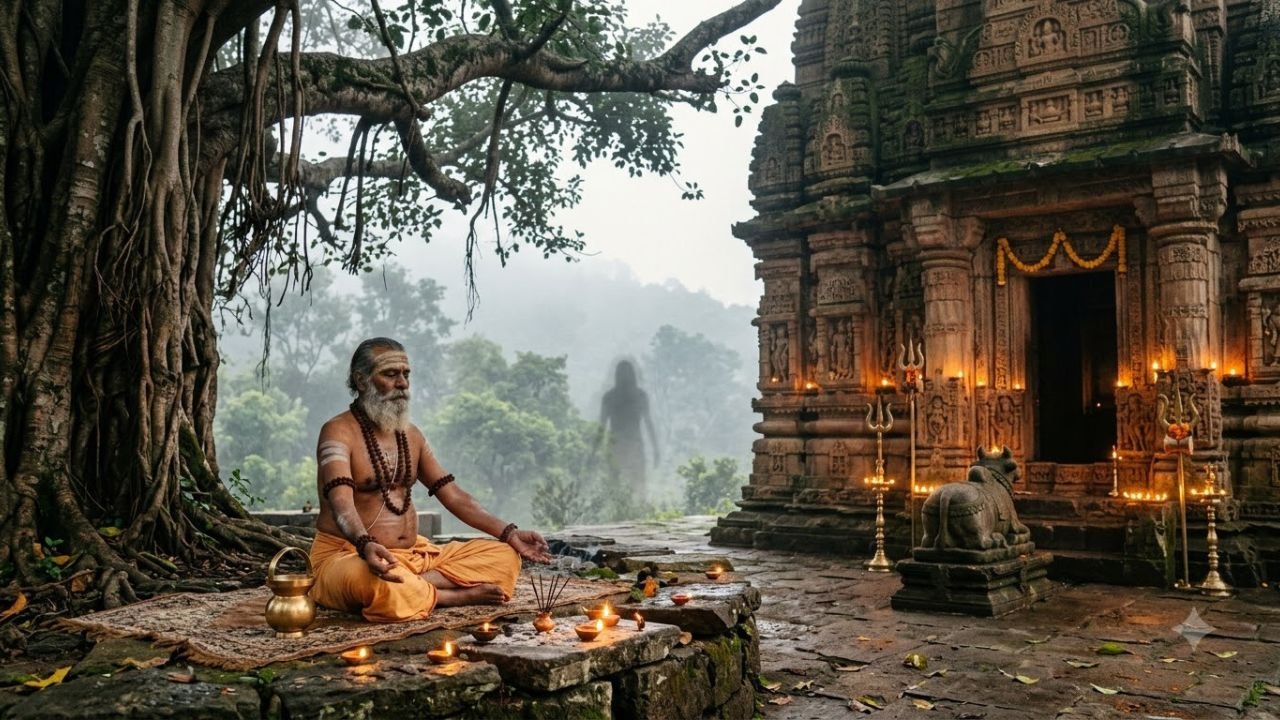
Aghor traditions are broader than ghost stories and are associated with themes such as spiritual discipline, fearlessness, detachment, meditation, Shiva worship, and confronting ideas of death and impermanence.
The Aghori Rudra Maharaj website currently contains related material on Aghor Marg, Tantra, Guru Bhakti, Sadhana, and spiritual experiences.
Therefore, studying Aghor should not be limited to supernatural stories.
Why Is Aghor Associated With Death?
Death and impermanence are important themes in many ascetic traditions.
A practitioner may contemplate death to understand:
- The temporary nature of the body
- The limitations of material attachment
- The fear of mortality
- The nature of change
- The importance of spiritual awareness
This philosophical approach is different from simply searching for ghosts or supernatural experiences.
Brahmarakshas in Traditional Stories
Brahmarakshas stories often contain a moral or philosophical element.
The character is sometimes presented as highly knowledgeable but spiritually troubled.
This creates an interesting traditional message:
Knowledge without proper conduct does not necessarily lead to spiritual wisdom.
In this way, the Brahmarakshas can be understood not only as a supernatural character but also as part of a traditional moral narrative about knowledge, responsibility, and conduct.
Different regional stories interpret the figure differently, so no single story should be treated as the definitive account.
Can Spiritual Practices Remove a Ghost?
Many cultures have rituals intended to provide protection, peace, or spiritual reassurance.
People may consult religious figures, priests, spiritual teachers, or family elders when they believe a place or person is affected by something supernatural. Bhoot Pret Pishach & Brahmarakshas
However, claims that a particular ritual guarantees the removal of a supernatural entity cannot be scientifically established.
If someone is experiencing frightening events, physical symptoms, sleep problems, confusion, or severe anxiety, it is also important to consider ordinary medical, psychological, and environmental explanations.
Spiritual practices may provide cultural or emotional comfort, but they should not replace appropriate professional help when someone is experiencing serious difficulties. Bhoot Pret Pishach & Brahmarakshas
Common Myths About Bhoot, Pret and Pishach
Myth 1: Every Strange Sound Is a Ghost
Old buildings, animals, wind, plumbing, electrical systems, and other environmental factors can produce unexpected sounds.
Myth 2: Every Shadow Is a Spirit
Low light can make ordinary objects appear unusual.
Myth 3: Every Nightmare Is a Supernatural Attack
Dreams and sleep-related experiences can feel extremely real without having a supernatural cause.
Myth 4: Every Cremation Ground Is Haunted
Cremation grounds have strong cultural associations with death, but that does not establish that supernatural beings live there.
Myth 5: A Person With Spiritual Knowledge Must Have Supernatural Powers
Spiritual knowledge and supernatural abilities are not the same thing.
How to Study These Subjects Responsibly
If you are interested in Bhoot, Pret, Pishach & Brahmarakshas, consider approaching the subject from multiple perspectives.
Study Traditional Sources
Learn how different Indian traditions describe these concepts.
Understand Regional Differences
A story from Rajasthan may differ significantly from one from Bengal, Uttar Pradesh, Maharashtra, or South India.
Separate Belief From Evidence
Respect traditional beliefs while recognizing that a religious or cultural claim is not automatically scientific evidence.
Avoid Sensationalism
Internet stories often become more dramatic as they are retold.
Consider Practical Explanations
Before assuming a supernatural cause, check environmental, medical, psychological, and sleep-related possibilities.
What Can These Stories Teach Us?
Even when supernatural claims cannot be scientifically established, traditional stories can have meaningful themes.
They may teach about:
- Fear of death
- Consequences of actions
- Attachment
- Desire
- Responsibility
- Respect for spiritual knowledge
- Impermanence
- The importance of ethical conduct
This is one reason these stories have survived for generations.
A Balanced View of Bhoot, Pret, Pishach & Brahmarakshas
The best way to understand these subjects is neither to dismiss every cultural tradition nor to treat every supernatural story as proven fact. Bhoot Pret Pishach & Brahmarakshas
A balanced approach recognizes three different levels:
Traditional belief: What religious texts, folklore, and communities say.
Personal experience: What an individual believes they experienced.
Scientific evidence: What can be independently tested and verified.
Keeping these categories separate allows readers to explore spirituality and folklore without unnecessary fear or sensationalism.
Conclusion
Bhoot, Pret, Pishach & Brahmarakshas are deeply connected with Indian mythology, folklore, spiritual traditions, and cultural storytelling.
Although these four terms are often used together, traditional interpretations give them different meanings. Bhoot is generally used for a ghost or spirit, Pret is associated with a departed or restless being, Pishach is described as a supernatural figure in traditional literature, and Brahmarakshas appears in stories as a powerful spirit associated with a learned Brahmin. Bhoot Pret Pishach & Brahmarakshas
These ideas have cultural and religious significance, but they should be distinguished from scientifically verified facts.
For those interested in Aghor and Tantra, it is especially important to look beyond sensational stories. The broader Aghor tradition involves themes such as fearlessness, meditation, spiritual discipline, detachment, Guru guidance, Shiva worship, and contemplation of impermanence. Bhoot Pret Pishach & Brahmarakshas
The Aghori Rudra Maharaj website provides related material on Aghor Marg, Tantra, Guru Bhakti, Sadhana, and spiritual experiences. Bhoot Pret Pishach & Brahmarakshas
Aghori Rudra Maharaj
🌐 Website: Aghori Rudra Maharaj Official Website
📞 Call / WhatsApp: +91-7357771057
📧 Email: info@aghorirudramaharaj.info
Bhoot, Pret, Pishach & Brahmarakshas: Meaning & Beliefs
Learn about Bhoot, Pret, Pishach and Brahmarakshas, their traditional meanings, Indian folklore, spiritual beliefs, mythology and connection with Aghor and Tantra.

Leave a Reply