
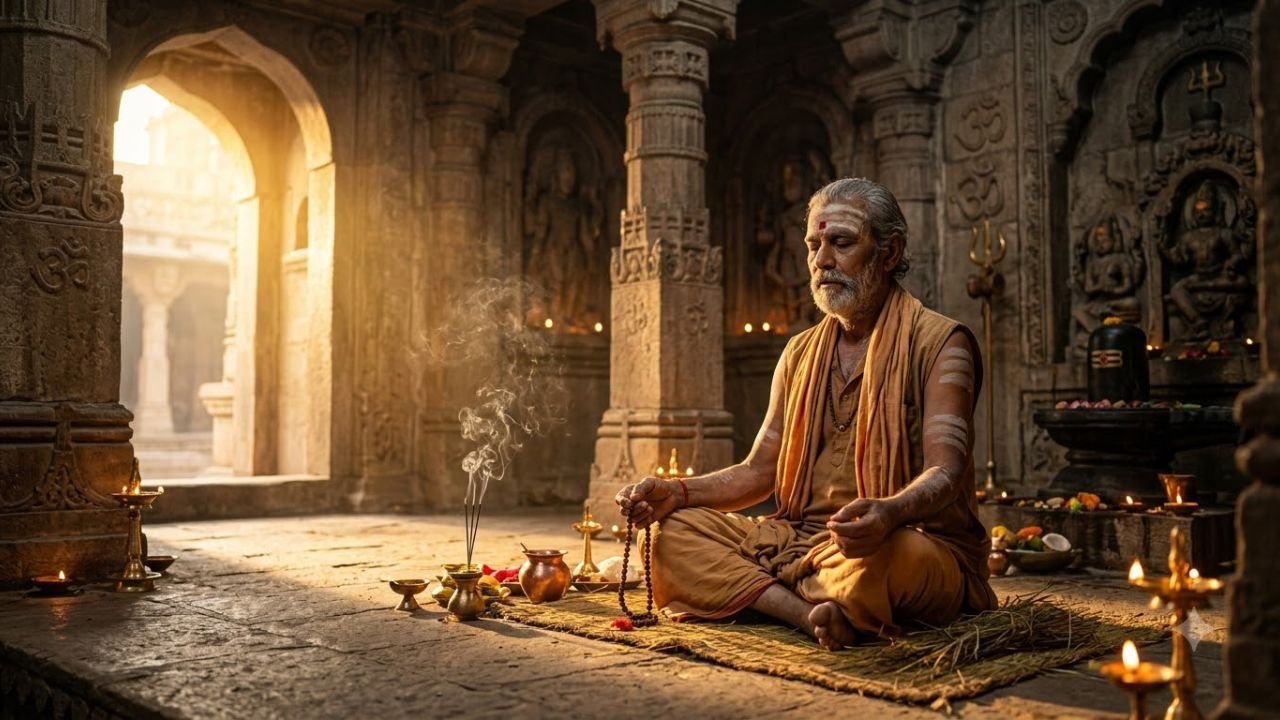
Understanding the Spiritual Journey
Sadhana Mein Siddhi Kaise Milti Hai is a question asked by many spiritual seekers who are interested in meditation, mantra, Tantra, yoga, devotion, and traditional Indian spiritual practices.
In Indian spiritual traditions, the word Siddhi can refer to spiritual accomplishment, mastery, attainment, or a particular result associated with disciplined practice. Different traditions understand siddhi in different ways. For some practitioners, it may refer to progress in meditation and inner awareness, while certain traditions also associate siddhis with extraordinary abilities.
However, genuine spiritual practice is not simply about gaining supernatural powers. The deeper purpose of sadhana is often self-discipline, inner transformation, concentration, devotion, awareness, and freedom from unnecessary attachments.
So, how does siddhi develop through sadhana? The answer lies in consistent practice, proper guidance, patience, discipline, and sincere intention. Sadhana Mein Siddhi Kaise Milti Hai
What Is Sadhana?
Before understanding siddhi, it is important to understand sadhana.
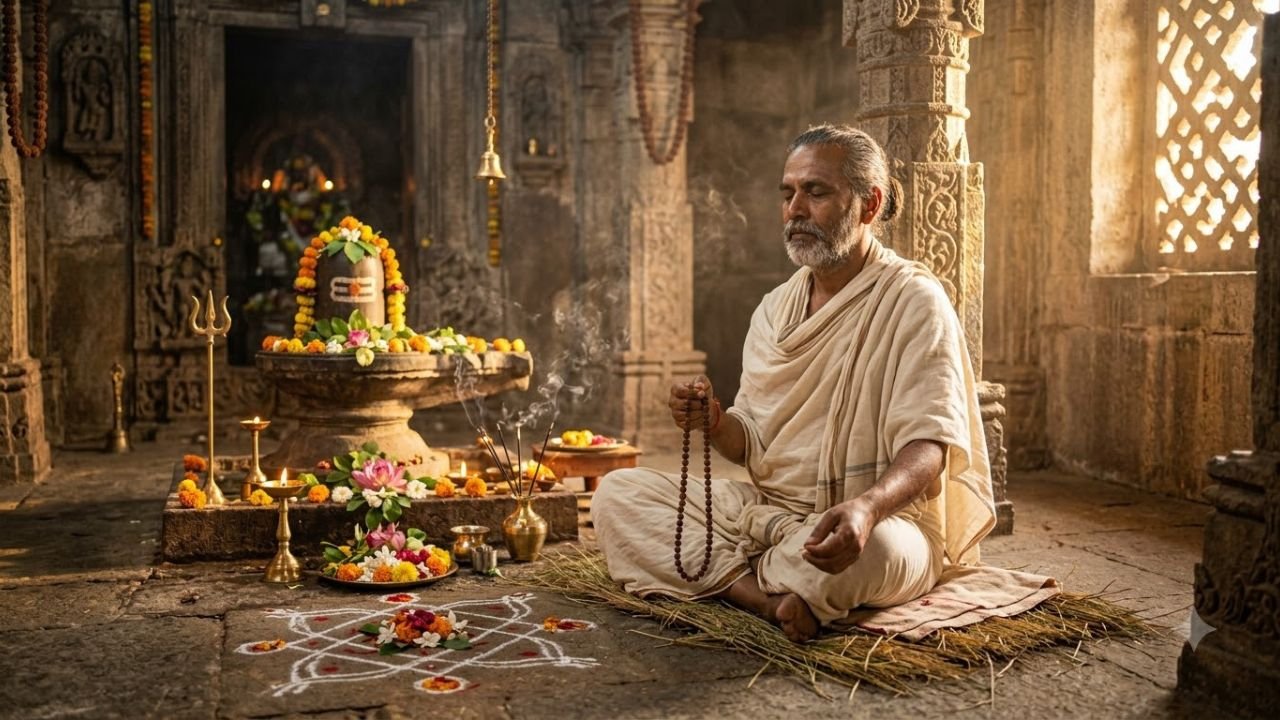
Sadhana is a disciplined spiritual practice followed with a specific purpose. Depending on the tradition, it can include:
- Mantra japa
- Meditation
- Prayer
- Yoga
- Devotional worship
- Spiritual study
- Breath awareness
- Guru-guided practices
- Traditional Tantric practices
- Self-discipline and contemplation
A person’s sadhana may be simple or highly specialized. What matters most is the sincerity and consistency with which the practice is followed.
Sadhana Mein Siddhi Kaise Milti Hai The Aghori Rudra Maharaj website also discusses sadhana in connection with Aghor Tantra, spiritual practice, and inner transformation, showing how these subjects are often explored together within this spiritual context.
What Does Siddhi Mean in Spiritual Practice?
The meaning of Siddhi varies across Indian spiritual traditions.
In a broad sense, siddhi can mean attainment or accomplishment. It can describe a stage in which a practitioner develops greater mastery of a particular spiritual discipline.
For example, a practitioner may develop:
- Greater concentration
- Stronger mental discipline
- Deeper meditation
- Greater control over reactions
- Increased devotion
- Better awareness
- Deeper understanding of a mantra or spiritual teaching
Some traditional texts and schools also describe extraordinary siddhis. These claims belong to specific religious and philosophical traditions and should not automatically be treated as scientifically established abilities. Sadhana Mein Siddhi Kaise Milti Hai
Therefore, when discussing Sadhana Mein Siddhi Kaise Milti Hai, it is useful to understand both the traditional meaning and the practical spiritual meaning of siddhi.
How Does Siddhi Develop Through Sadhana?
Siddhi is traditionally associated with long-term disciplined practice, rather than something that can be obtained instantly.
Several factors are considered important.
1. Sincere Intention
The first foundation of sadhana is intention.
Why are you practicing?
If the entire purpose is only fame, money, power, or impressing other people, maintaining a meaningful spiritual discipline can become difficult.
A sincere seeker generally approaches sadhana with the intention of learning, developing discipline, improving awareness, and progressing spiritually. Sadhana Mein Siddhi Kaise Milti Hai
A clear intention gives direction to practice.
2. Regular Practice
Consistency is one of the most important principles of any spiritual discipline.
Practicing occasionally and expecting immediate results can create unrealistic expectations.
A regular routine may include a fixed time for meditation, mantra japa, prayer, or another practice appropriate to the practitioner’s tradition.
The duration does not necessarily have to be very long.
Regularity is often more useful than occasional intensity.
Why Consistency Matters
The mind naturally moves between different thoughts, emotions, desires, and distractions.
Regular practice gradually creates a disciplined routine.
Over time, a practitioner may notice improvements in concentration, patience, awareness, and emotional stability.
These changes can themselves be meaningful signs of spiritual progress.
3. Guru and Proper Guidance
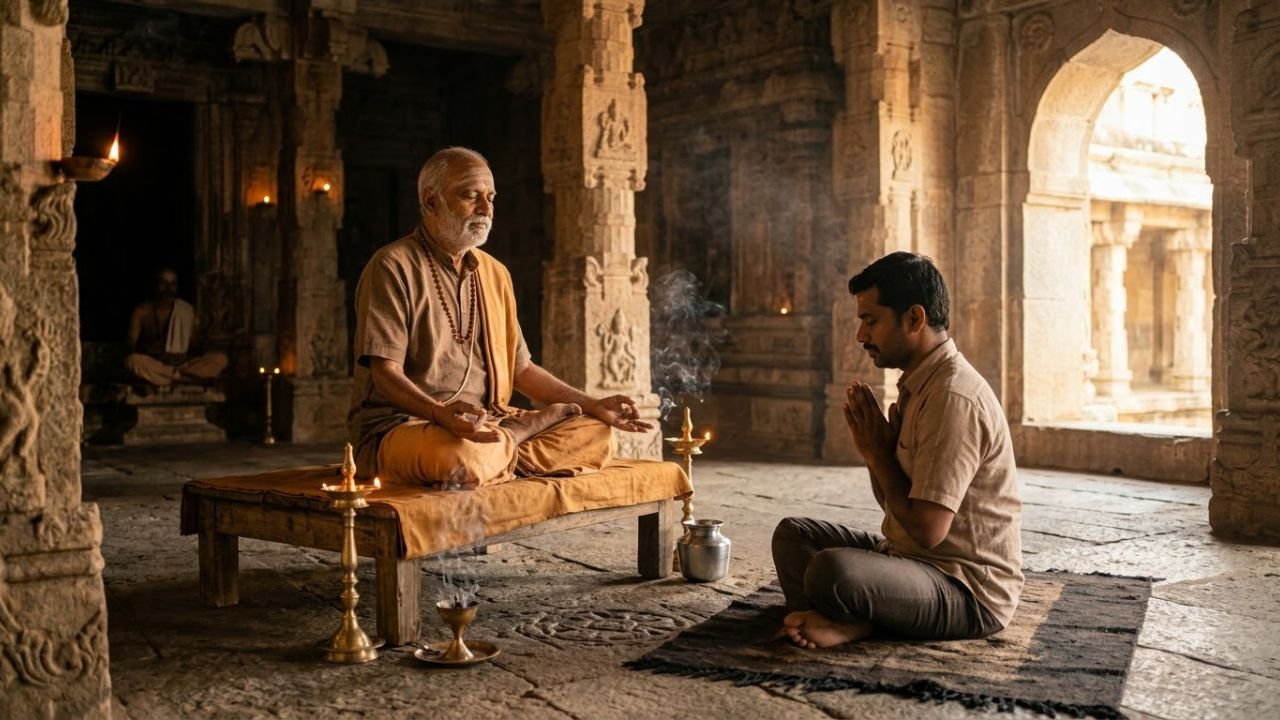
Many traditional Indian spiritual paths place great importance on Guru guidance.
A knowledgeable teacher can help a seeker understand:
- Which practice is appropriate
- How the practice should be approached
- What traditional rules apply
- How to maintain discipline
- How to interpret experiences
- When a practice should or should not be continued
This is especially relevant to advanced mantra, Tantra, or Aghor-related practices.
The reference website features Guru Bhakti as an important spiritual theme, alongside Aghor Marg and Sadhana.
A seeker should therefore avoid treating advanced spiritual practices as experiments to be copied casually from the internet.
4. Mantra Sadhana and Concentration
Mantra is an important part of many Indian spiritual traditions.
During mantra sadhana, practitioners traditionally repeat a chosen mantra with attention and devotion.
The purpose can include:
- Developing concentration
- Creating a regular spiritual routine
- Deepening devotion
- Focusing the mind
- Cultivating inner awareness
The exact mantra, method, number of repetitions, initiation requirements, and associated practices vary considerably between traditions.
For that reason, people interested in specialized mantra practices should follow the instructions of an appropriate teacher rather than assuming that one method applies to everyone. Sadhana Mein Siddhi Kaise Milti Hai
5. Meditation and Inner Discipline
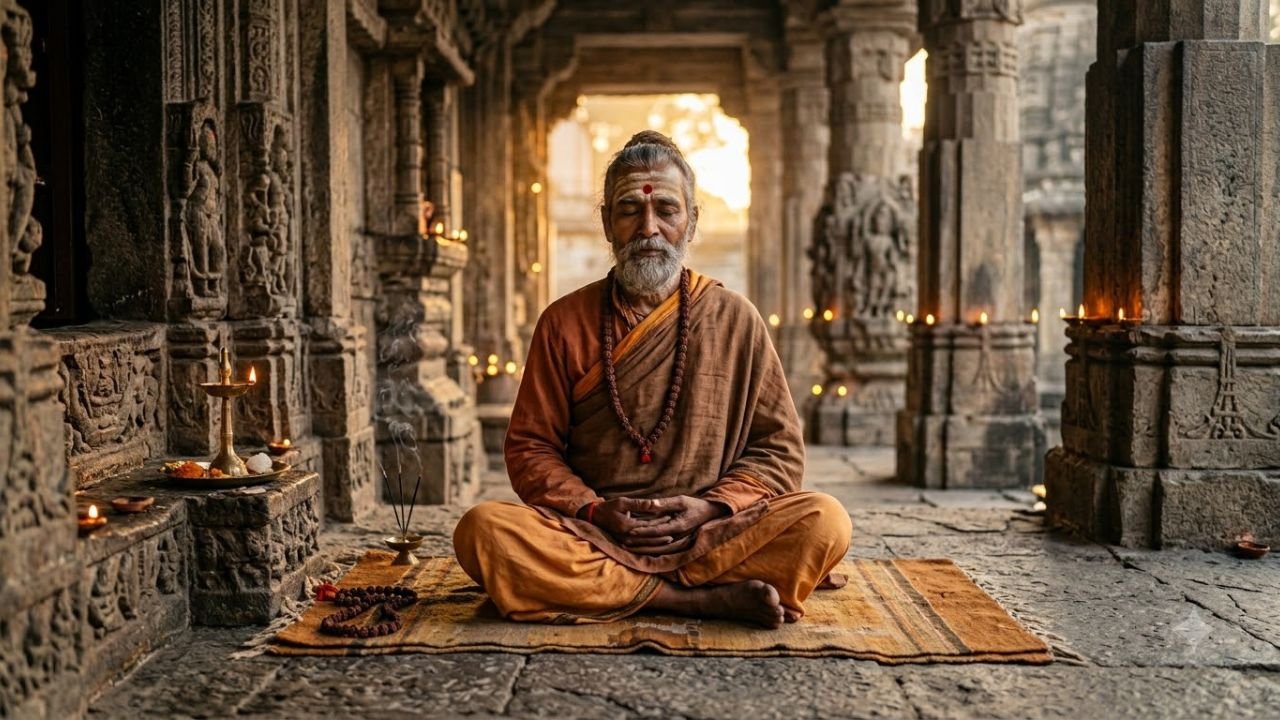
Meditation can help develop concentration and awareness.
During regular meditation, a practitioner may gradually become more aware of thoughts, emotions, habits, and reactions.
This process can be challenging because spiritual practice does not always produce pleasant experiences.
Sometimes a person becomes more aware of their own impatience, fear, anger, or attachment.
This awareness can become an important part of inner transformation.
Siddhi Is Not Only About Extraordinary Experiences
A common misunderstanding is that spiritual progress must produce dramatic experiences.
A person may expect visions, supernatural events, unusual sensations, or mysterious experiences.
But these experiences are not necessarily reliable measurements of spiritual development.
A quieter transformation can be much more meaningful:
- Becoming more patient
- Developing self-control
- Reducing unnecessary anger
- Becoming more compassionate
- Developing stronger concentration
- Becoming less controlled by fear
- Becoming more disciplined
These qualities can represent practical forms of spiritual progress.
6. Patience Is Essential
One of the biggest mistakes a beginner can make is expecting immediate siddhi.
Spiritual traditions generally describe serious sadhana as a gradual journey.
The time required can vary greatly depending on:
- The practice
- The tradition
- The individual’s discipline
- The practitioner’s circumstances
- Guidance received
- Personal spiritual understanding
There is no universal number of days, months, or repetitions that guarantees siddhi.
Anyone promising guaranteed siddhi within a fixed number of days should therefore be approached carefully.
7. Purity of Conduct
Many spiritual traditions connect spiritual practice with ethical conduct.
Sadhana is not only something performed while sitting in meditation. A person’s everyday behavior can also become part of their spiritual discipline.
This may include practicing:
- Honesty
- Self-control
- Compassion
- Respect
- Responsibility
- Humility
- Discipline
A practitioner who spends time in meditation but behaves irresponsibly toward everyone around them may need to reflect on the relationship between practice and daily life. Sadhana Mein Siddhi Kaise Milti Hai
8. Detachment From Results
An important principle in many spiritual paths is learning not to become excessively attached to results.
If a person constantly thinks:
“When will I get siddhi?”
the mind can become impatient and distracted.
Instead, the practitioner can focus on performing the practice sincerely and allowing progress to develop naturally.
This does not mean that goals are meaningless. It means that obsession with results should not destroy the discipline required for practice. Sadhana Mein Siddhi Kaise Milti Hai
Sadhana Mein Siddhi Ke Liye Kya Avoid Kare?
People interested in spiritual practices should be careful about shortcuts.
Avoid:
False Guarantees
Nobody should be trusted simply because they promise instant spiritual powers.
Fear-Based Spirituality
Claims that frightening supernatural consequences will definitely happen unless someone pays money or performs a particular ritual deserve careful scrutiny. Sadhana Mein Siddhi Kaise Milti Hai
Blind Imitation
Advanced Tantric or Aghor practices should not be copied simply because they appear mysterious or powerful.
Excessive Focus on Powers
Constantly chasing supernatural abilities can distract from the deeper purpose of spiritual development.
Aghor, Tantra and Siddhi
Aghor and Tantra are subjects that are often surrounded by mystery and misunderstanding.
Traditional practices can be complex, and different lineages may have different teachings and methods.
The Aghori Rudra Maharaj website currently features articles on Aghor Marg, Tantra, Sadhana, Guru Bhakti, spiritual experiences, and the deeper aspects of spiritual practice.
Therefore, anyone researching Aghor Sadhana or Tantric Siddhi should study the subject carefully rather than relying only on sensational stories found online.
How Can You Know That Your Sadhana Is Progressing?
There is no universal checklist that can prove spiritual attainment.
However, a practitioner may reflect on practical changes such as:
Better Concentration
Can you remain focused for longer without constantly following every thought?
Greater Self-Control
Are you becoming better at responding rather than reacting?
More Patience
Do difficult situations disturb you less than before?
Deeper Awareness
Are you becoming more aware of your thoughts, emotions, and habits?
Stronger Discipline
Are you continuing your practice even when motivation is low?
Reduced Ego
Do you feel less need to prove your spiritual status to other people?
These are practical areas for self-reflection.
Can Everyone Achieve Siddhi?
Different traditions give different answers to this question.
Some describe siddhi as the result of advanced spiritual accomplishment, while others emphasize liberation, devotion, knowledge, or inner realization rather than supernatural abilities. Sadhana Mein Siddhi Kaise Milti Hai
Therefore, it is better not to treat siddhi as a single universal concept.
The spiritual goal can be understood differently according to the practitioner’s lineage and philosophy.
Final Thoughts: Sadhana Mein Siddhi Kaise Milti Hai?
So, Sadhana Mein Siddhi Kaise Milti Hai?
The traditional answer is not simply through one mantra, one ritual, or one secret technique.
A serious spiritual journey generally involves sincere intention, regular practice, proper guidance, patience, concentration, discipline, ethical conduct, and detachment from unnecessary expectations.
Siddhi should not be treated as a shortcut to power or status. For many spiritual practitioners, the deeper value of sadhana lies in transforming the person who performs it. Sadhana Mein Siddhi Kaise Milti Hai
If you are exploring meditation, mantra, Tantra, Aghor, or another spiritual path, learn carefully, respect the tradition, and seek qualified guidance for advanced practices.
The journey of sadhana is ultimately about going deeper within yourself—not simply searching for extraordinary experiences.
For readers interested in exploring related subjects, the Aghori Rudra Maharaj website includes material on Aghor Marg, Guru Bhakti, Tantra, Sadhana, and spiritual experiences. Sadhana Mein Siddhi Kaise Milti Hai
Sadhana Mein Siddhi Kaise Milti Hai
Sadhana mein siddhi
Siddhi kaise prapt hoti hai
How to attain siddhi
Spiritual siddhi
Sadhana and siddhi
Mantra sadhana
Aghor sadhana
Tantra sadhana
Guru guidance in sadhana
Spiritual practice
Siddhi in Hindu spirituality
Aghori Rudra Maharaj
Sadhana Mein Siddhi Kaise Milti Hai? Complete Spiritual Guide
Learn Sadhana Mein Siddhi Kaise Milti Hai through regular practice, mantra, meditation, discipline, Guru guidance, patience, and spiritual awareness.
Aghori Rudra Maharaj
📞 Call / WhatsApp: +91-7357771057
📧 Email: info@aghorirudramaharaj.info
🌐 Website: https://www.aghorirudramaharaj.info/









Leave a Reply