
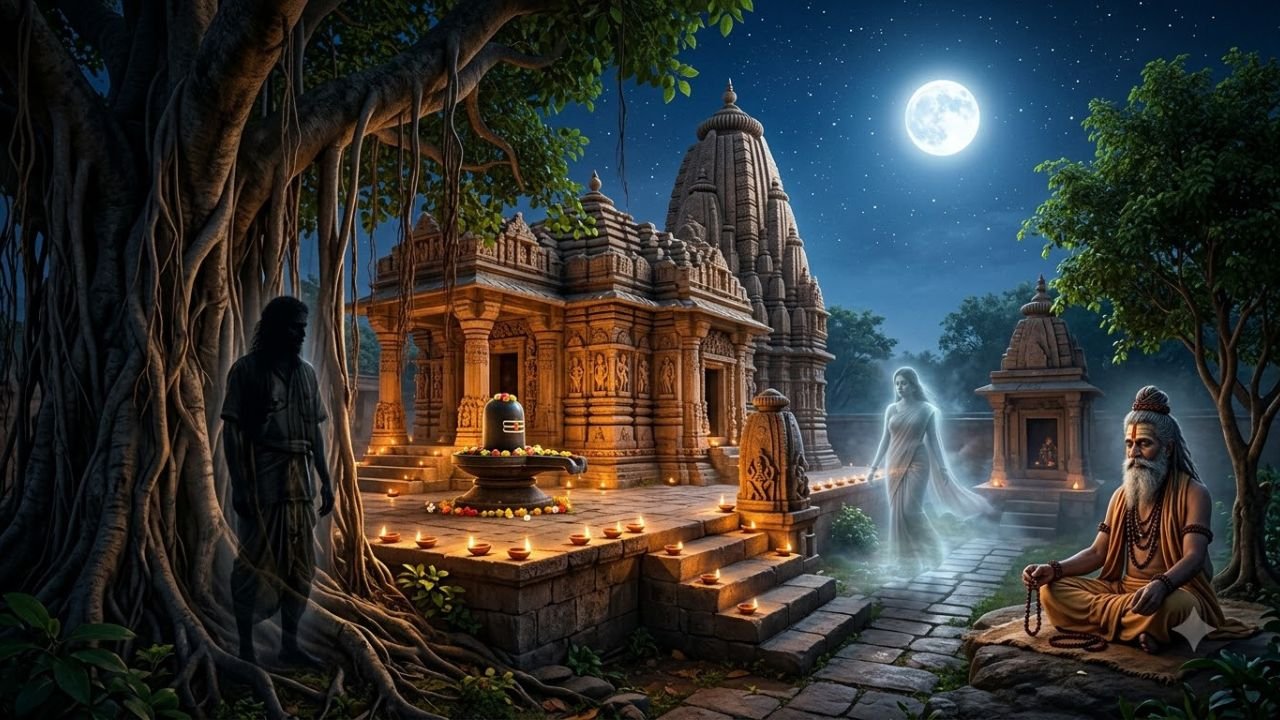
What Is the Difference Between Bhoot and Pret?
The topic “Bhoot Aur Pret Mein Antar” is often searched by people who are interested in Indian mythology, spirituality, Tantra, Aghor traditions, and supernatural beliefs.
In everyday conversation, the words Bhoot and Pret are often used as if they mean exactly the same thing. However, traditional Indian religious literature, folklore, and regional beliefs can give these terms different meanings.
Understanding this difference requires looking at the subject carefully because beliefs about spirits have developed over centuries and vary across different communities and traditions. Bhoot Aur Pret Mein Antar
It is also important to remember that traditional descriptions of Bhoot and Pret belong to the areas of religion, mythology, folklore, and cultural belief. They should not automatically be presented as scientifically established facts.
This article explains the traditional meanings of Bhoot and Pret, their differences, their connection with death and spirituality, and how these concepts are understood in relation to Tantra and Aghor. Bhoot Aur Pret Mein Antar
What Does Bhoot Mean?
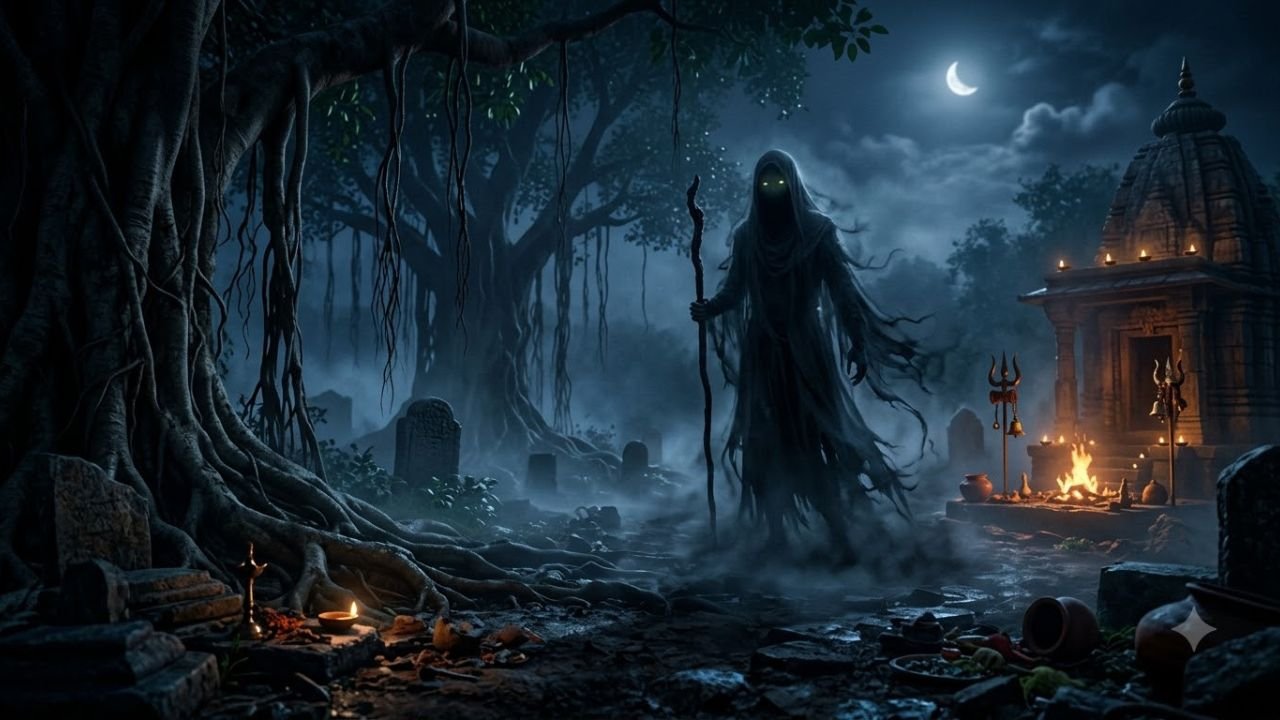
The word Bhoot is commonly used in Indian languages to refer to a ghost, spirit, or supernatural presence.
In everyday Indian storytelling, a Bhoot may be described as the spirit of a deceased person that is believed to remain connected with the physical world. Bhoot Aur Pret Mein Antar
Popular stories may associate Bhoots with:
- Abandoned houses
- Old buildings
- Forests
- Lonely roads
- Ancient places
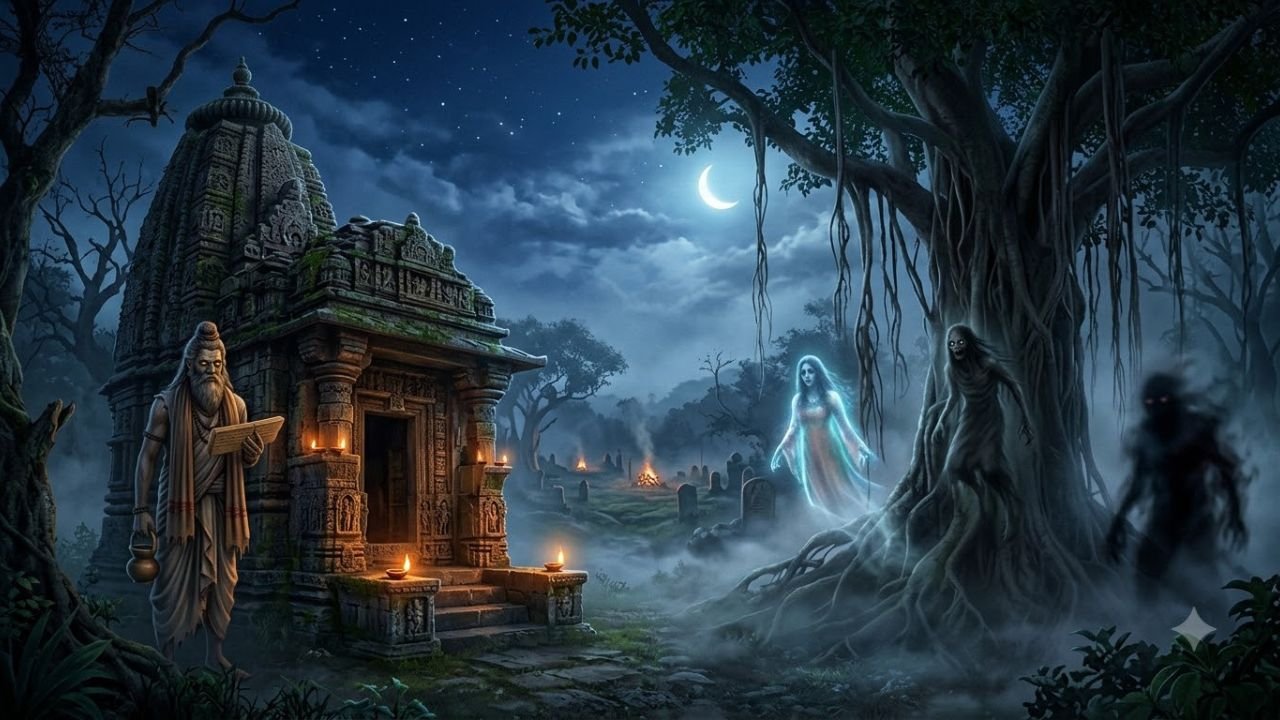
- Cremation grounds
- Places connected with tragic events
However, these associations are part of folklore and popular belief. They do not establish that ghosts have been scientifically demonstrated to exist in those locations. Bhoot Aur Pret Mein Antar
Why Is the Word Bhoot So Common?
The word Bhoot has a broad cultural meaning.
In Sanskrit-derived usage, bhuta can have meanings related to a being, entity, or that which has come into existence. In modern popular usage, however, Bhoot is commonly understood as a ghost or spirit. Bhoot Aur Pret Mein Antar
This difference between classical terminology and modern popular language is important when studying Indian spiritual traditions.
What Does Pret Mean?
Pret, or Preta, has a more specific traditional background.
In several South Asian religious traditions, the concept of Preta is associated with a deceased being or spirit in a particular state after death.
Popular Indian belief sometimes describes a Pret as a restless, unsettled, or transitional spirit.
Traditional explanations may connect such a state with:
- Death
- Attachment
- Unfulfilled desires
- Karma
- Ritual transition
- Emotional ties to the physical world
These explanations vary depending on the religious tradition and region.
Therefore, there is no single definition of Pret that is used identically everywhere.
Bhoot Aur Pret Mein Antar Kya Hai?
The simplest traditional distinction can be explained like this:
Bhoot
A broad popular term for a ghost, spirit, or supernatural presence.
Pret
A more specific traditional concept associated with a deceased being or spirit in a particular post-death state.
In ordinary conversation, people may use both words interchangeably.
But in religious and philosophical contexts, Pret can have a more specific meaning than the general word Bhoot.
Bhoot and Pret: A Simple Comparison
| Aspect | Bhoot | Pret |
|---|---|---|
| General meaning | Ghost or spirit | Departed/restless spirit in a traditional framework |
| Usage | Very common in popular language | More specific religious/traditional usage |
| Connection | Often associated with supernatural presence | Often associated with a post-death transitional state |
| Stories | Regional folklore and ghost stories | Religious, mythological and ritual traditions |
| Scientific status | Not scientifically established | Not scientifically established |
This table describes traditional usage and should not be interpreted as scientific classification.
Why Are Bhoot and Pret Connected With Death?
Death is one of humanity’s oldest mysteries.
Every culture has developed stories and beliefs about what happens after someone dies.
Indian traditions have developed complex concepts involving:
- Atma
- Karma
- Rebirth
- Ancestors
- Pret
- Liberation
- Death rituals
- Spiritual transition
The concepts of Bhoot and Pret therefore exist within a much larger cultural discussion about life and death.
The Idea of Unresolved Attachment
Many traditional stories connect restless spirits with attachment.
For example, a story may describe a person who remains emotionally attached to:
- Wealth
- Property
- Family
- Revenge
- Desire
- Anger
Such stories can be understood literally within a belief system, but they can also be interpreted symbolically as reflections on the difficulty of letting go. Bhoot Aur Pret Mein Antar
Is Every Dead Person Believed to Become a Pret?
No.
This is an important point.
Traditional Indian spiritual beliefs do not simply say that every person who dies becomes a Pret.
Different traditions describe different post-death states.
Some emphasize rebirth, some emphasize ancestral realms, some discuss liberation, and some discuss transitional states.
Therefore, the idea that “every dead person becomes a Pret” is an oversimplification.
Bhoot, Pret and Atma: Are They the Same?
Not necessarily.
This is another common misunderstanding.
Atma is a philosophical concept connected with the self or consciousness in several Indian traditions.
Pret is a specific traditional concept concerning a deceased being or spirit in certain religious frameworks.
Bhoot, in modern popular language, is generally used for a ghost or supernatural spirit.
These concepts should therefore not automatically be treated as synonyms.
What Is the Traditional Belief About Pret?
Traditional descriptions of Pret can vary considerably.
In some religious contexts, the deceased may be considered to pass through a transitional state before reaching another condition.
Rituals performed after death can therefore have an important cultural and religious role.
These may include:
- Shraddha
- Pind Daan
- Prayers
- Ancestor remembrance
- Religious ceremonies
- Family rituals
The exact practice varies according to community, religion, region, and family tradition.
Such rituals should be understood within their religious context rather than described as scientifically proven methods for controlling supernatural beings. Bhoot Aur Pret Mein Antar
Why Do People Tell Bhoot Stories?
Ghost stories serve several cultural purposes.
They can provide entertainment, preserve local traditions, explain unusual experiences, or communicate moral lessons.
For example, a traditional story might warn people about:
- Entering dangerous places at night
- Breaking social rules
- Ignoring religious customs
- Excessive greed
- Revenge
- Disrespecting the dead
Over generations, such stories can become an important part of local culture.
Bhoot and Pret in Indian Folklore
India has an enormous variety of regional supernatural stories.
A Bhoot story from Rajasthan may be different from one found in Bengal or Maharashtra.
Different regions may use different terms, characteristics, rituals, and explanations.
Some stories may also combine Bhoot, Pret, Pishach, Rakshasa, and other supernatural concepts.
This is why it is better to say “traditional beliefs vary” rather than presenting one story as the universal Indian understanding.
Can Science Prove Bhoot or Pret?
There is currently no established scientific evidence demonstrating that Bhoot or Pret exist as supernatural entities.
However, people can have experiences that feel extremely real.
For example, someone may report:
- Hearing footsteps
- Seeing a shadow
- Feeling another presence
- Having a frightening dream
- Waking unable to move
- Hearing unexplained sounds
An experience can be genuine without its supernatural interpretation necessarily being established.
Possible Explanations for Strange Experiences
Sleep Paralysis
Sleep paralysis can cause a person to feel awake while temporarily being unable to move. Some people also report a strong sense that another presence is nearby. Bhoot Aur Pret Mein Antar
Stress and Anxiety
Stress can increase alertness and make ordinary sounds or shadows seem threatening.
Grief
After the death of a loved one, people can experience vivid dreams or a strong feeling of the person’s presence.
Environmental Factors
Animals, wind, plumbing, electrical systems, old buildings, and other environmental factors can create unexpected sounds.
These possibilities are worth considering before concluding that a supernatural entity is responsible.
Bhoot Aur Pret and Tantra
Bhoot and Pret are sometimes discussed together with Tantra.
However, Tantra is much broader than the popular idea of ghosts or black magic.
Different Tantric traditions can involve:
- Mantra
- Meditation
- Visualization
- Deity worship
- Yantra
- Concentration
- Ritual
- Spiritual discipline
The exact practices vary considerably among traditions and lineages.
Therefore, it is inaccurate to assume that every person interested in Tantra is practicing ghost-related rituals.
Aghor and Bhoot Pret
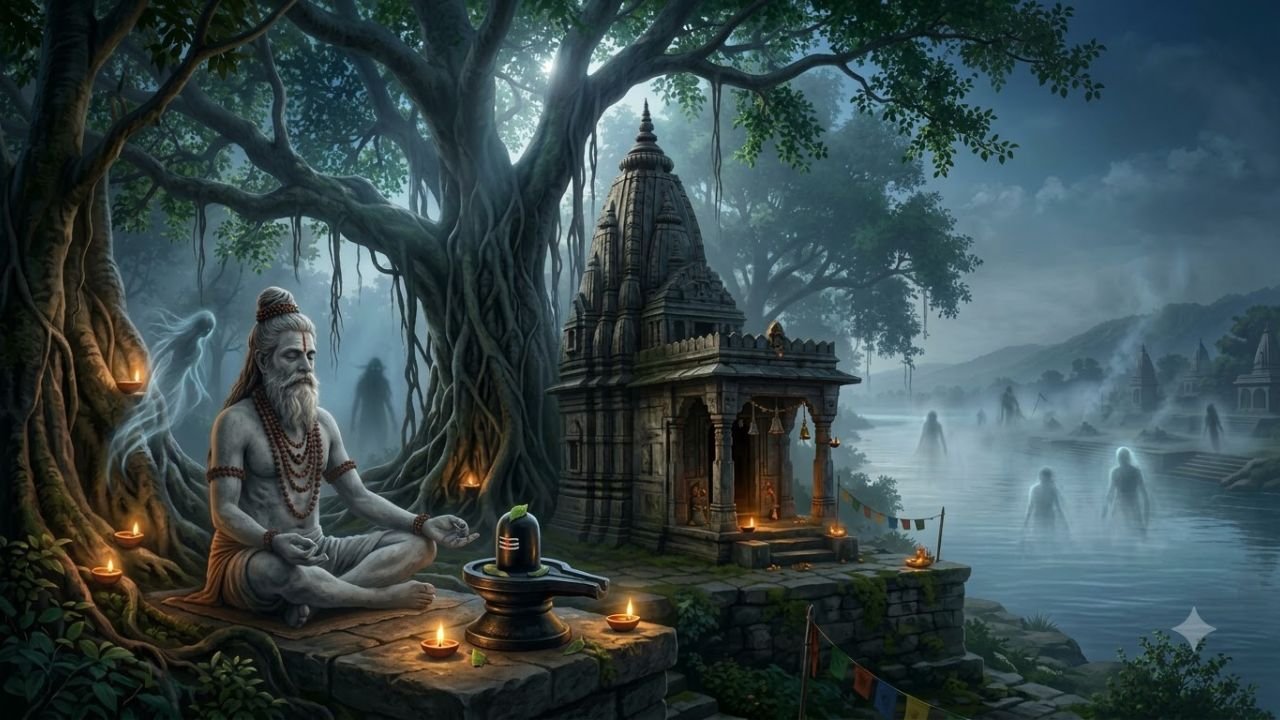
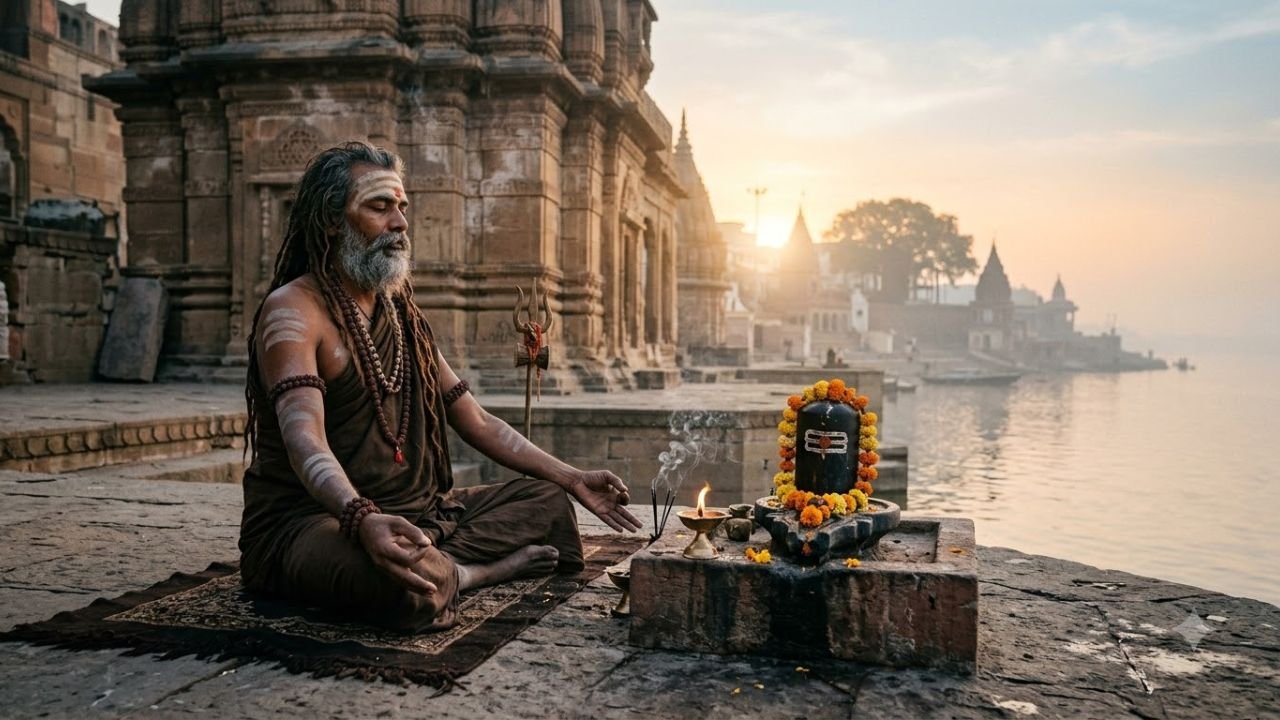
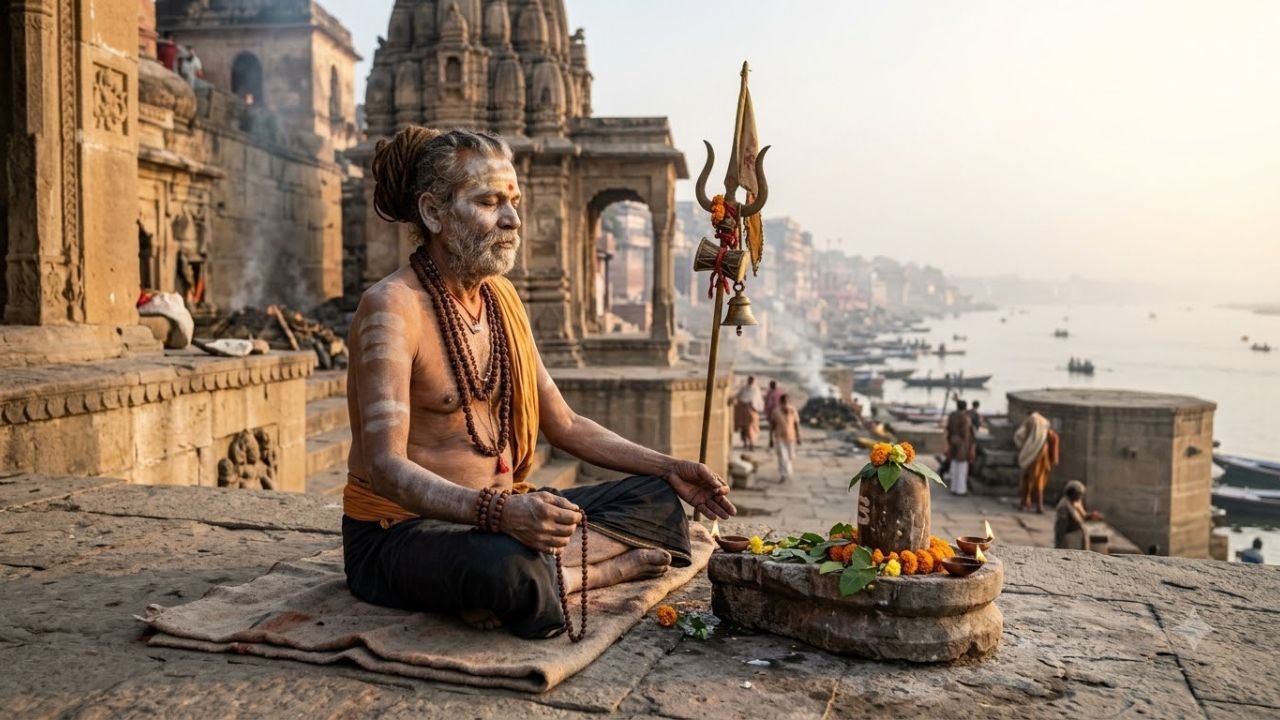
Aghor is another subject frequently connected with Bhoot and Pret because of its association with cremation grounds and contemplation of death. Bhoot Aur Pret Mein Antar
However, Aghor should not be reduced to ghost stories.
Aghor traditions are associated with broader themes such as:
- Fearlessness
- Detachment
- Meditation
- Shiva devotion
- Guru guidance
- Spiritual discipline
- Contemplation of impermanence
The Aghori Rudra Maharaj website is focused on related subjects including Aghor, Sadhana, Tantra, Guru Bhakti, and spiritual experiences.
Why Are Cremation Grounds Important?
Cremation grounds represent the direct reality of death.
For an ascetic practitioner, contemplating death can help challenge fear and attachment.
The lesson can be:
The physical body is temporary, so spiritual awareness should not depend entirely on material identity.
This philosophical idea is broader than simply believing that cremation grounds are haunted.
Difference Between Bhoot, Pret and Pishach
These terms are sometimes mixed together, but they have different traditional backgrounds.
Bhoot
Generally a broad term for a ghost or spirit.
Pret
Traditionally associated with a deceased being in a particular post-death or transitional state.
Pishach
A supernatural figure appearing in Indian religious literature and folklore, often portrayed as dark or frightening.
Brahmarakshas
A distinct supernatural figure in traditional stories, often associated with a deceased learned Brahmin under particular traditional circumstances. Bhoot Aur Pret Mein Antar
These categories vary across texts and regional traditions.
Common Myths About Bhoot and Pret
Myth 1: Bhoot and Pret Are Exactly the Same
Popular speech may use them interchangeably, but traditional contexts can give Pret a more specific meaning.
Myth 2: Every Deceased Person Becomes a Pret
Different Indian traditions describe death and the afterlife in different ways.
Myth 3: Every Unexplained Event Is a Ghost
An unexplained event simply means its cause has not yet been established.
Myth 4: Tantra Is Only About Ghosts
Tantra encompasses many spiritual practices and traditions.
Myth 5: Cremation Grounds Automatically Have Ghosts
The cultural association between cremation grounds and spirits does not constitute scientific evidence of supernatural activity.
How Should We Understand Bhoot and Pret Today?
A balanced approach can include three perspectives.
Traditional Perspective
Understand what religious texts, folklore, and communities say.
Cultural Perspective
Understand why these stories became important to different communities.
Modern Perspective
Consider scientific, environmental, psychological, and sleep-related explanations for unusual experiences.
These perspectives can coexist without automatically treating every traditional claim as scientifically proven.
What Can We Learn From These Traditional Concepts?
Even when supernatural claims are not scientifically established, the stories can encourage reflection.
Acceptance of Impermanence
Life and physical existence are temporary.
Understanding Attachment
Human beings can become deeply attached to possessions, relationships, and identity.
Respect for Death
Death has an important place in Indian philosophical traditions.
Awareness of Fear
Fear can influence how people interpret unfamiliar experiences.
Spiritual Reflection
Stories about Bhoot and Pret can encourage questions about life, death, consciousness, and the meaning of existence.
Conclusion: Bhoot Aur Pret Mein Antar
The main Bhoot Aur Pret Mein Antar is found in their traditional usage.
Bhoot is generally a broad popular term for a ghost or spirit, while Pret is a more specific concept associated in several Indian religious traditions with a deceased being or spirit in a particular post-death state. Bhoot Aur Pret Mein Antar
The exact meanings vary across religious texts, regions, and communities.
It is also important to distinguish traditional beliefs from scientific evidence. There is no established scientific evidence proving Bhoot or Pret as supernatural entities, although people can have powerful experiences that they interpret through their cultural or spiritual beliefs. Bhoot Aur Pret Mein Antar
For readers interested in Aghor and Tantra, the subject becomes even broader. Aghor traditions are associated not simply with ghosts but with fearlessness, meditation, detachment, Shiva worship, Guru guidance, and contemplation of death and impermanence. Bhoot Aur Pret Mein Antar
If you are researching Bhoot and Pret, approach the subject with curiosity, respect for cultural traditions, and careful attention to the difference between belief, personal experience, folklore, and verified evidence. Bhoot Aur Pret Mein Antar
For related information about Aghor, Sadhana, Tantra and Guru Bhakti, you can explore the Aghori Rudra Maharaj website.
Aghori Rudra Maharaj
🌐 Website: Aghori Rudra Maharaj Official Website
📞 Call / WhatsApp: +91-7357771057
📧 Email: info@aghorirudramaharaj.info
Bhoot Aur Pret Mein Antar: Bhoot vs Pret Meaning & Beliefs
Bhoot Aur Pret Mein Antar samjhiye: Bhoot aur Pret ke traditional meanings, Indian folklore, spiritual beliefs, Tantra, Aghor aur modern perspective ko easy English mein जानें. Bhoot Aur Pret Mein Antar



Leave a Reply