
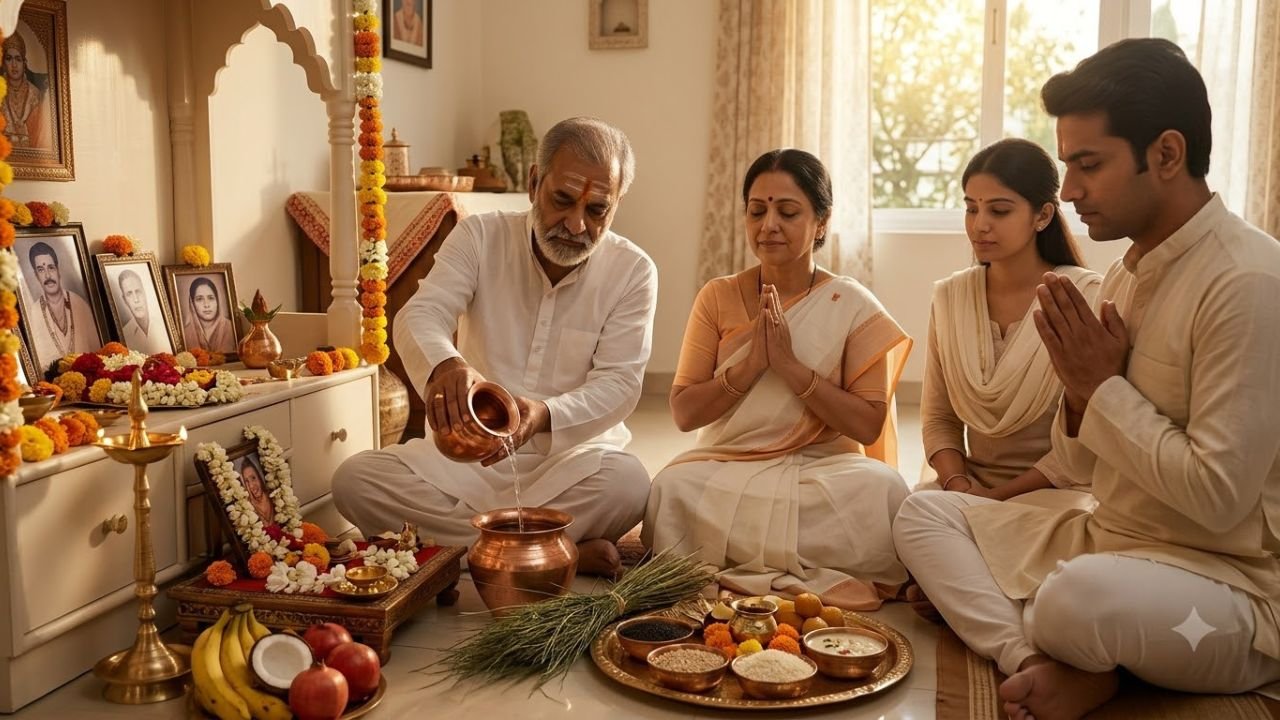
Traditional Hindu Ways to Honour Ancestors
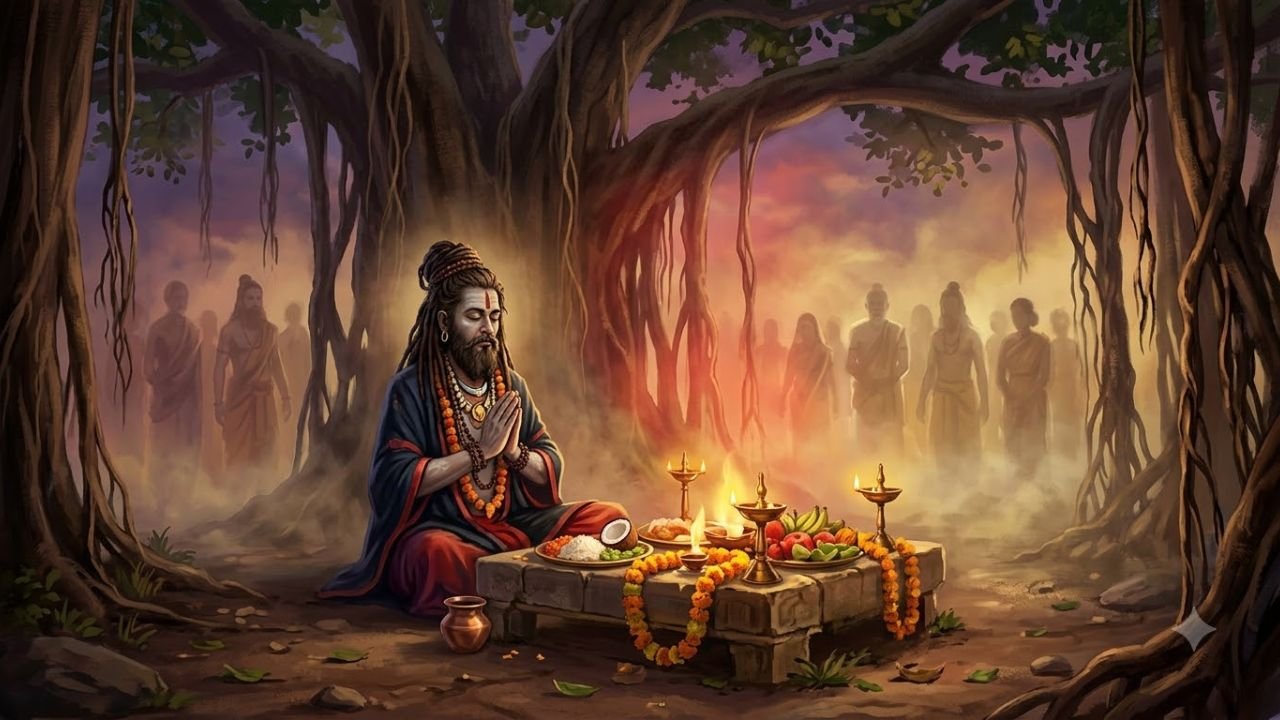
Pitron Ko Prasann Karne Ke Upay In Hindu traditions, ancestors hold an important place in family and spiritual life. Parents, grandparents, and earlier generations are remembered with gratitude through prayers, Shraddha, Tarpan, charity, food offerings, and other traditional practices.
Many people search for Pitron Ko Prasann Karne Ke Upay when they want to honour their ancestors, observe Pitru Paksha, perform Shraddha, or understand traditional practices related to Pitru Devta.
The phrase “pleasing the ancestors” is best understood as a traditional expression of respect, gratitude, remembrance, and duty toward previous generations. Different Hindu communities follow different customs, so there is no single ritual that applies to every family. Pitron Ko Prasann Karne Ke Upay
This article explains traditional ways to honour ancestors, including Tarpan, Shraddha, charity, food offerings, Pitru Paksha practices, daily remembrance, and the importance of family values.
It is also important to avoid fear-based interpretations. Not every difficulty in life is caused by ancestors or Pitru Dosha. Religious practices can be meaningful while practical problems should still be addressed through practical solutions. Pitron Ko Prasann Karne Ke Upay
What Does “Pitron Ko Prasann Karna” Mean?
In traditional Hindu belief, Pitru refers to departed ancestors. The expression Pitron Ko Prasann Karna generally refers to performing respectful actions and rituals for ancestors.
The purpose is not simply to “make ancestors happy” in a literal sense. It can also be understood as expressing gratitude for previous generations and fulfilling traditional family responsibilities. Pitron Ko Prasann Karne Ke Upay
Practices may include:
- Shraddha
- Tarpan
- Pind Daan
- Pitru Paksha observances
- Offering food
- Charity
- Prayers and mantra recitation
- Remembering ancestors respectfully
- Continuing positive family values
The exact practice depends on the family’s tradition, region, and religious lineage.
Why Are Ancestors Important in Hindu Tradition?
Hindu culture places considerable importance on family lineage and remembrance of ancestors.
A person receives life, education, cultural values, family traditions, and often material support through previous generations. Remembering ancestors can therefore be viewed as an expression of gratitude.
Ancestor-related rituals also provide families with an opportunity to gather, remember loved ones who have passed away, and teach younger generations about their family history. Pitron Ko Prasann Karne Ke Upay
This makes Pitru practices both spiritual and cultural.
11 Traditional Pitron Ko Prasann Karne Ke Upay
1. Perform Shraddha According to Family Tradition
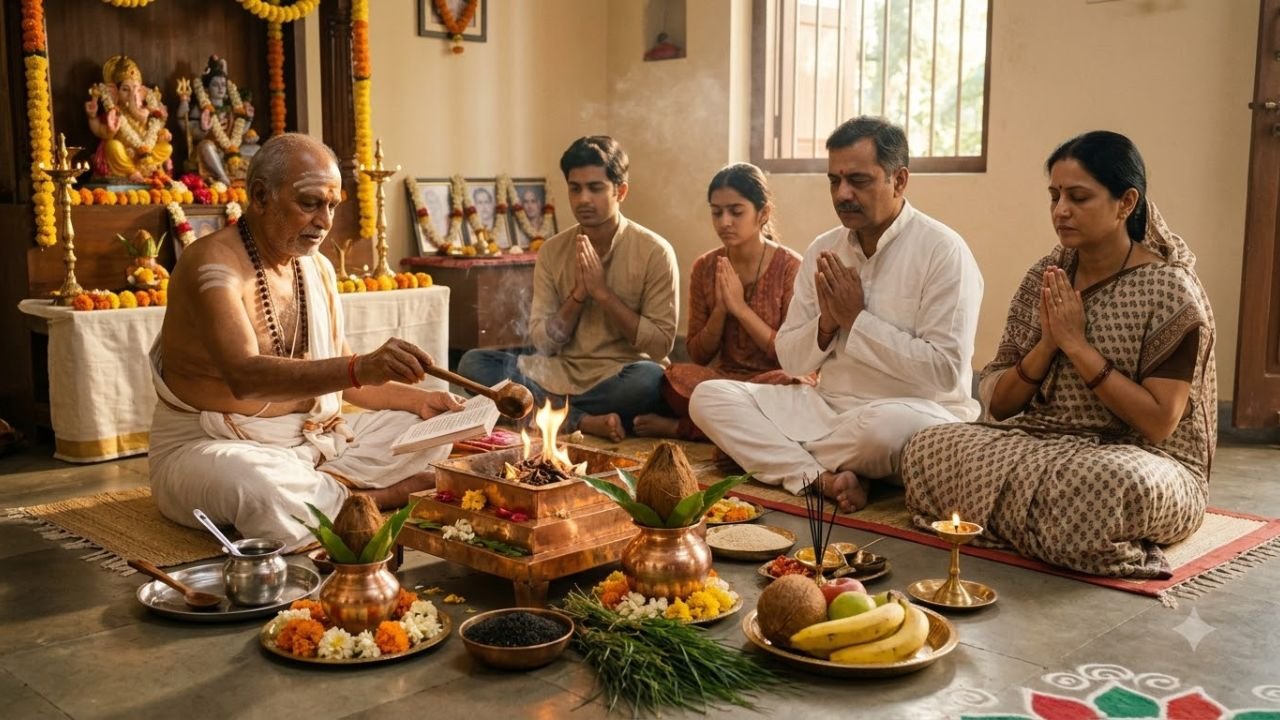
Shraddha is one of the most important traditional practices for honouring deceased ancestors.
Depending on the tradition, Shraddha may include prayers, Tarpan, food offerings, Pind-related rituals, and charity.
Families may perform Shraddha on an appropriate annual date or during Pitru Paksha.
Because procedures differ, it is best to follow the method taught by a knowledgeable priest who understands your family tradition.
2. Perform Tarpan
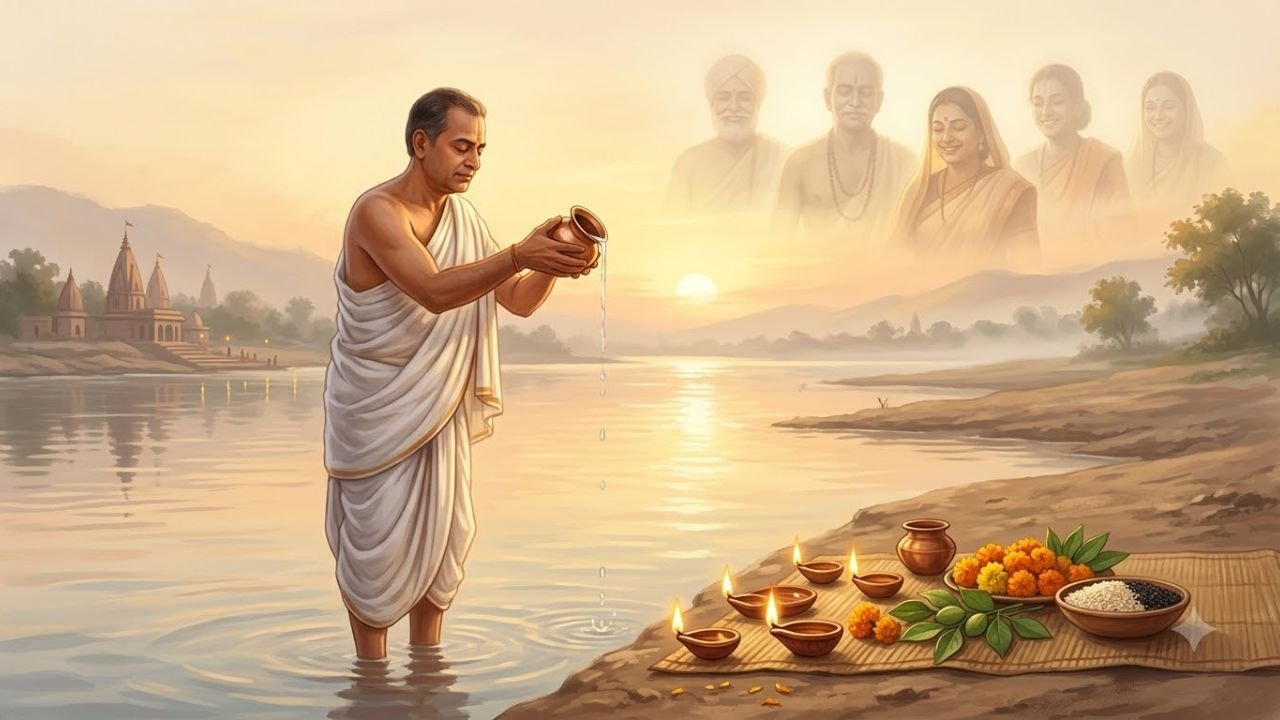
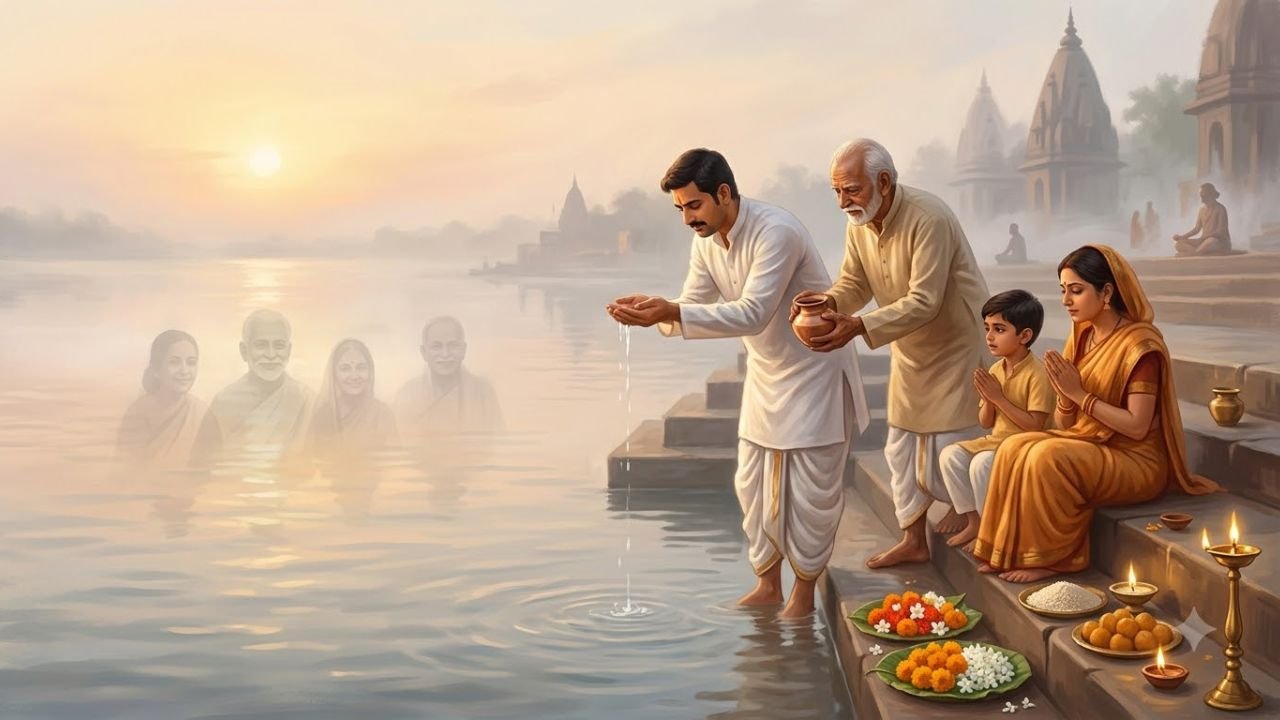
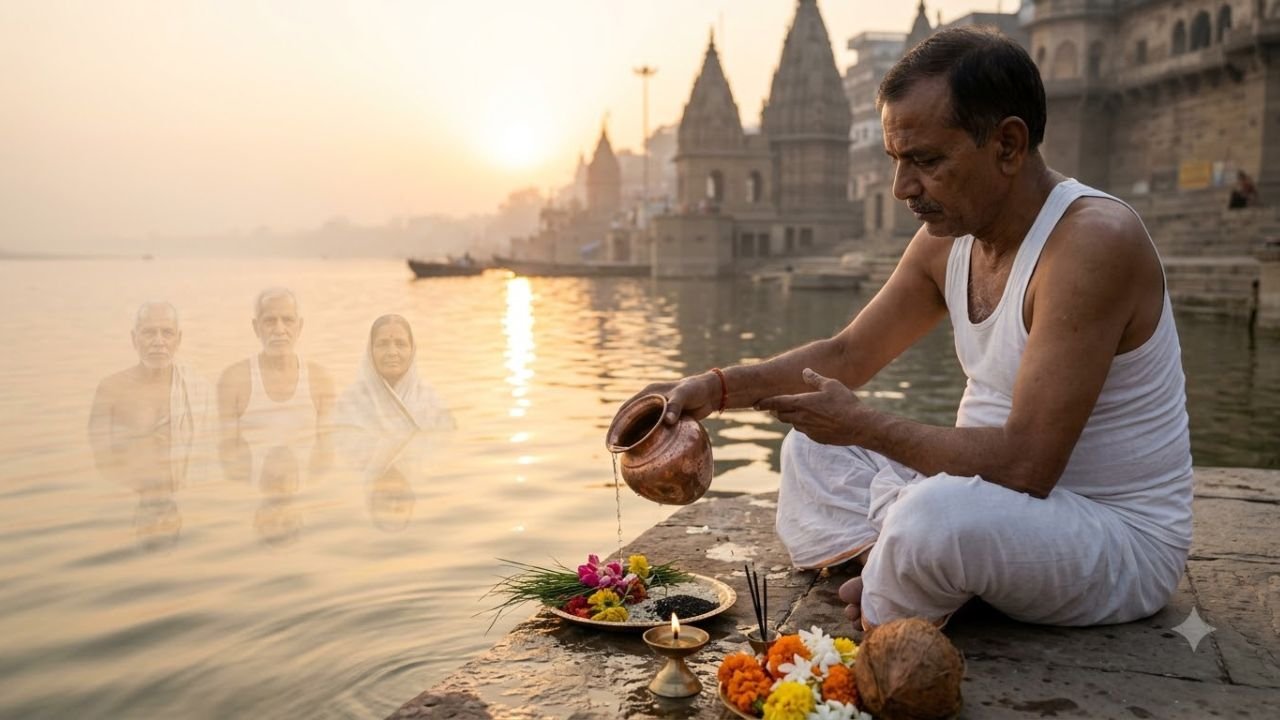
Tarpan traditionally involves offering water and other prescribed materials in remembrance of ancestors.
Black sesame seeds, water, darbha grass, and other materials may be used depending on the particular tradition.
The exact method of Tarpan is not identical everywhere. The direction, mantras, sequence, and materials can vary.
If you are performing Tarpan for the first time, consult a knowledgeable priest rather than following an unverified online ritual.
3. Observe Pitru Paksha
Pitru Paksha is a traditional period dedicated to ancestor remembrance.
During this period, families may perform Shraddha, Tarpan, food offerings, charity, and prayers.
The dates change every year according to the Hindu lunar calendar. Many families consider Sarva Pitru Amavasya especially significant for general ancestor remembrance. Pitron Ko Prasann Karne Ke Upay
Pitru Paksha should be approached with respect and remembrance rather than fear.
4. Offer Food in Memory of Ancestors
Food has an important role in many Hindu religious observances.
Families may prepare simple vegetarian food and offer it according to their traditional customs.
Some traditions also include feeding Brahmins, guests, cows, birds, or people in need.
The emphasis should be on sincerity and respect rather than preparing an expensive meal.
5. Practise Charity
Charity is a meaningful way to connect remembrance with service.
You may donate:
- Food
- Clothes
- Educational materials
- Essential household items
- Financial assistance within your ability
Helping someone in need in memory of a departed family member can be a meaningful way of honouring their memory.
There is no need to go into debt or spend beyond your means.
6. Remember Ancestors Through Prayer
A simple prayer can be an important part of ancestor remembrance.
You may sit quietly, remember your parents or grandparents, express gratitude, and pray for their peace according to your beliefs.
Prayer does not need to be complicated. A sincere and respectful remembrance can be meaningful.
7. Light a Diya
Many Hindu families light a diya during prayer.
The flame traditionally symbolises light, knowledge, and spiritual awareness.
If you include a diya in ancestor remembrance, place it safely on a stable, heat-resistant surface and never leave an open flame unattended. Pitron Ko Prasann Karne Ke Upay
The practice should be understood as a devotional symbol rather than a guaranteed supernatural method.
8. Recite Suitable Mantras or Prayers
Some families include traditional prayers and mantras in ancestor-related observances.
The appropriate mantra depends on the family’s spiritual tradition and the type of ritual.
Rather than randomly selecting complex mantras from the internet, learn the appropriate practice from a reliable source or knowledgeable priest. Pitron Ko Prasann Karne Ke Upay
For a simple devotional routine, you may begin with a familiar prayer according to your beliefs.
9. Visit a Temple or Sacred Place
Some families visit temples or sacred places during Pitru Paksha or on an ancestor’s death anniversary.
The purpose may include prayer, charity, remembrance, or participation in a traditional ceremony.
Places such as Gaya are particularly associated with Pind Daan and ancestor-related religious practices.
However, travelling to a sacred location is not the only way to honour ancestors. A sincere practice at home can also have personal and cultural meaning.
10. Preserve Family Values
One of the most meaningful ways to honour ancestors is to live by the positive values they taught.
If your parents or grandparents emphasised honesty, compassion, hard work, respect, education, or helping others, carrying those values forward can be a powerful form of remembrance. Pitron Ko Prasann Karne Ke Upay
Ancestor remembrance does not have to be limited to a ritual.
Your daily actions can also keep their positive legacy alive.
11. Remember Ancestors on Their Death Anniversary
Many families observe an annual remembrance on the traditional death anniversary, known as the tithi.
The date should ideally be determined according to the Hindu lunar calendar and family tradition rather than simply using the Gregorian calendar date.
Families may perform Shraddha, Tarpan, prayer, charity, or a simple remembrance according to their customs.
Pitru Dosha and Ancestor-Related Beliefs
Many people search for Pitru Dosha remedies when experiencing difficulties in family life.
Pitru Dosha is a concept found in certain Hindu astrological traditions. Some practitioners associate particular planetary positions with ancestral themes. Pitron Ko Prasann Karne Ke Upay
Traditional remedies may include Shraddha, Tarpan, charity, prayers, and Pitru-related rituals.
However, Pitru Dosha is an astrological and religious concept rather than a scientifically established cause of problems.
Financial difficulties, health concerns, relationship problems, or career challenges should not automatically be blamed on ancestors.
If you follow astrology, you may consult a practitioner for its traditional interpretation while also addressing real-world issues through practical steps. Pitron Ko Prasann Karne Ke Upay
Best Time to Honour Ancestors
Different practices have different traditional timings.
Pitru Paksha
This is one of the most important periods for ancestor remembrance.
Amavasya
Amavasya is traditionally considered significant for several Pitru-related practices.
Death Anniversary Tithi
Families may observe the annual tithi of a departed relative.
Daily Prayer
There is no need to wait for a special date to remember your ancestors. You can express gratitude through prayer and good actions throughout the year. Pitron Ko Prasann Karne Ke Upay
Pitron Ko Prasann Karne Ke Liye Kya Avoid Karein?
A respectful approach also means avoiding certain mistakes.
Avoid Fear-Based Rituals
Do not allow anyone to frighten you by claiming that your ancestors will harm your family unless you pay for an expensive ritual.
Avoid Blindly Following Online Rituals
Traditional procedures can differ significantly. Follow the guidance of a knowledgeable priest when a ritual requires specific mantras or procedures. Pitron Ko Prasann Karne Ke Upay
Avoid Financial Pressure
Religious practice should not force a family into debt.
Do Not Ignore Practical Problems
If your family has financial, health, relationship, or legal problems, address them through appropriate practical and professional support. Pitron Ko Prasann Karne Ke Upay
Do Not Blame Ancestors for Everything
Ancestor remembrance should encourage gratitude, not fear or guilt.
Can Pitron Ko Prasann Karne Ke Upay Be Done at Home?
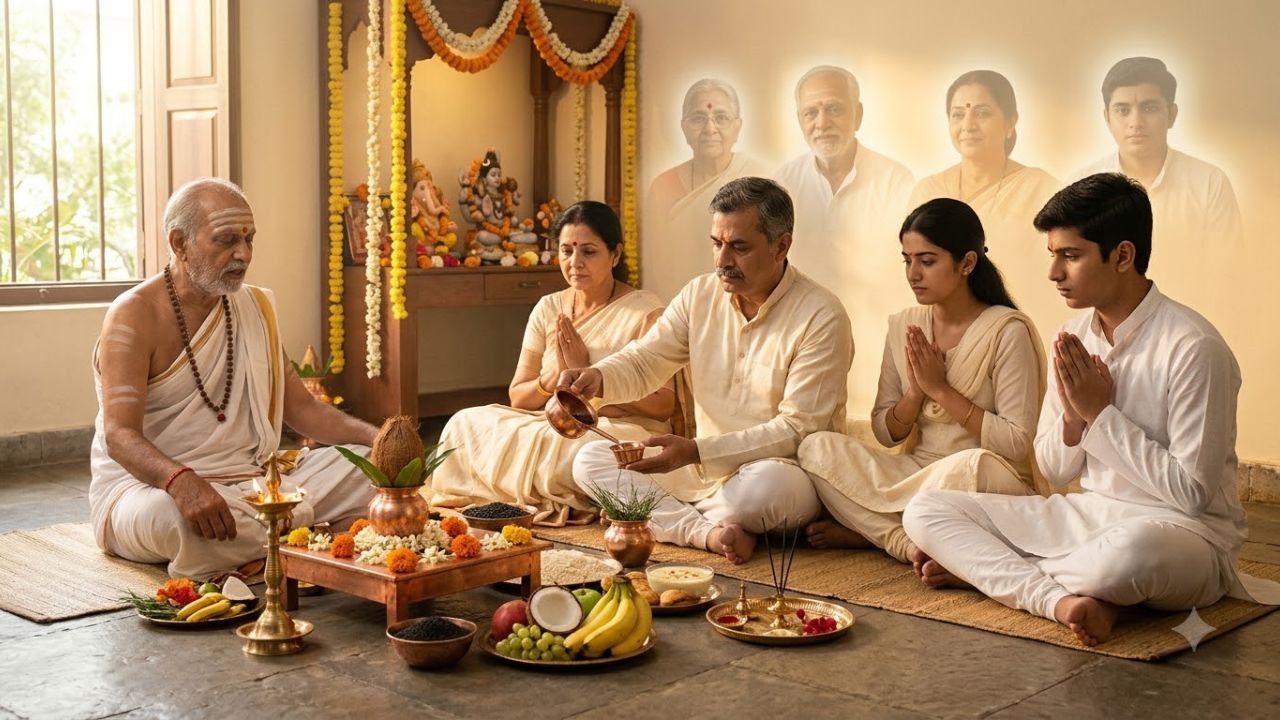
Yes, simple forms of remembrance can be performed at home according to your family tradition.
A basic home practice may include:
- Clean the prayer area.
- Take a bath and wear clean clothes if appropriate.
- Sit quietly and remember your ancestors.
- Offer water according to your tradition.
- Pray for peace and express gratitude.
- Perform charity or offer food to someone in need.
- End the practice peacefully.
More detailed Tarpan, Shraddha, or Pind Daan procedures may require a knowledgeable priest.
Traditional Benefits of Honouring Ancestors
People may experience several personal and cultural benefits from these practices.
Emotional Connection
Remembering loved ones can help maintain a positive connection with their memories.
Family Unity
Ancestor-related ceremonies can bring family members together.
Gratitude
They encourage appreciation for previous generations.
Cultural Continuity
Younger family members can learn traditional customs and family history.
Charity and Service
Giving to others can transform remembrance into a positive action.
These are spiritual, cultural, and personal benefits. No ritual should be presented as a guaranteed way to control future events or obtain supernatural results.
Frequently Asked Questions
What is the best way to please ancestors?
There is no single universal method. Shraddha, Tarpan, charity, prayer, food offerings, Pitru Paksha observance, and living according to positive family values are traditional approaches. Pitron Ko Prasann Karne Ke Upay
Which day is best for Pitru Puja?
The appropriate day depends on the family tradition and the ancestor’s tithi. Pitru Paksha and Sarva Pitru Amavasya are traditionally significant periods.
Can I honour my ancestors without a priest?
Yes. Simple prayer, remembrance, charity, and other family customs can be performed personally. For specialised rituals, seek appropriate guidance.
Is charity important during Pitru Paksha?
Charity is commonly associated with ancestor remembrance in many traditions. Food, clothing, and essential items can be donated according to your ability.
Can Pitru rituals solve family problems?
Religious traditions may provide spiritual comfort and meaning, but there is no guaranteed supernatural solution to practical problems. Address health, financial, relationship, and other concerns appropriately.
Conclusion
The traditional Pitron Ko Prasann Karne Ke Upay are ultimately centred on remembrance, gratitude, respect, charity, and family values.
Shraddha, Tarpan, Pitru Paksha observances, food offerings, prayer, charity, and remembrance are among the practices followed by many Hindu families. However, the exact method varies according to regional and family traditions.
The most meaningful approach is to honour ancestors sincerely without fear or unnecessary financial pressure. Remember their positive qualities, help others in their memory, and carry good family values into your own life. Pitron Ko Prasann Karne Ke Upay
For detailed rituals such as Tarpan, Shraddha, or Pind Daan, consult a knowledgeable priest who understands your family’s tradition.
For more information about Hindu spirituality, traditional practices, and related spiritual subjects, you can visit Aghori Rudra Maharaj.
Website: https://www.aghorirudramaharaj.info/
Call / WhatsApp: +91-7357771057
Email: info@aghorirudramaharaj.inf

Leave a Reply