
Meaning, Vidhi, Samagri, Rules and Importance
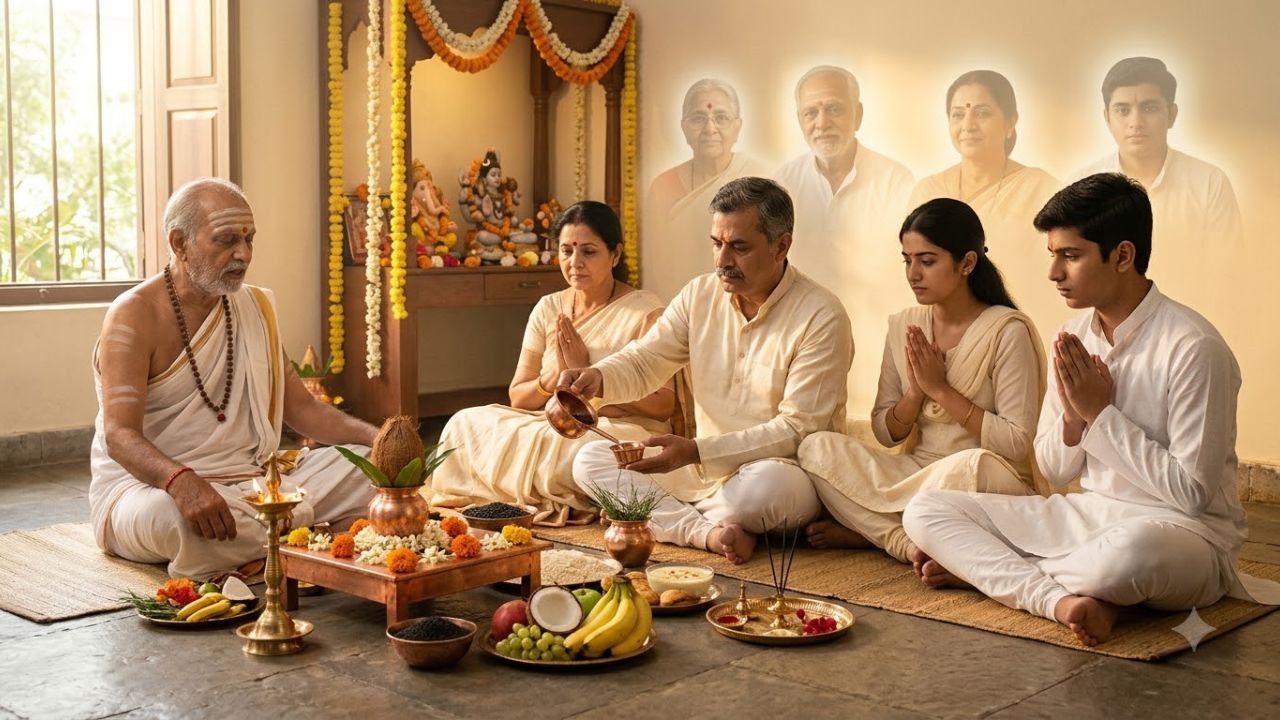
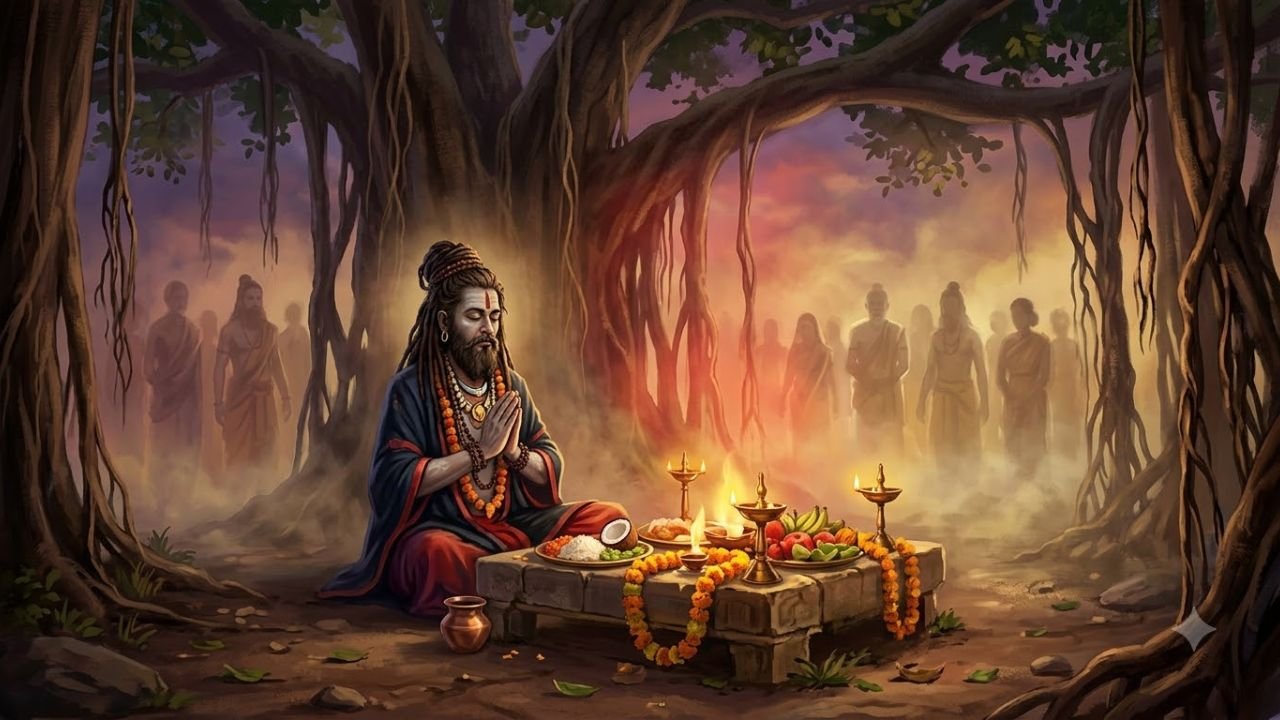
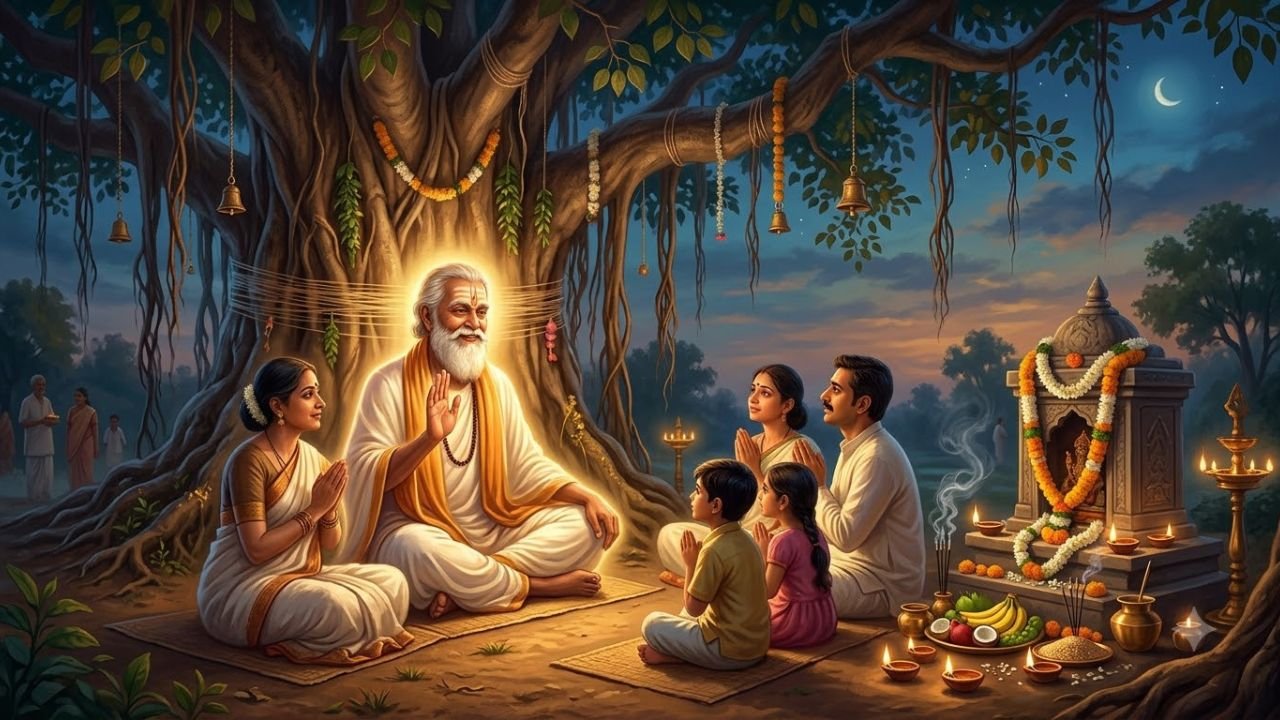
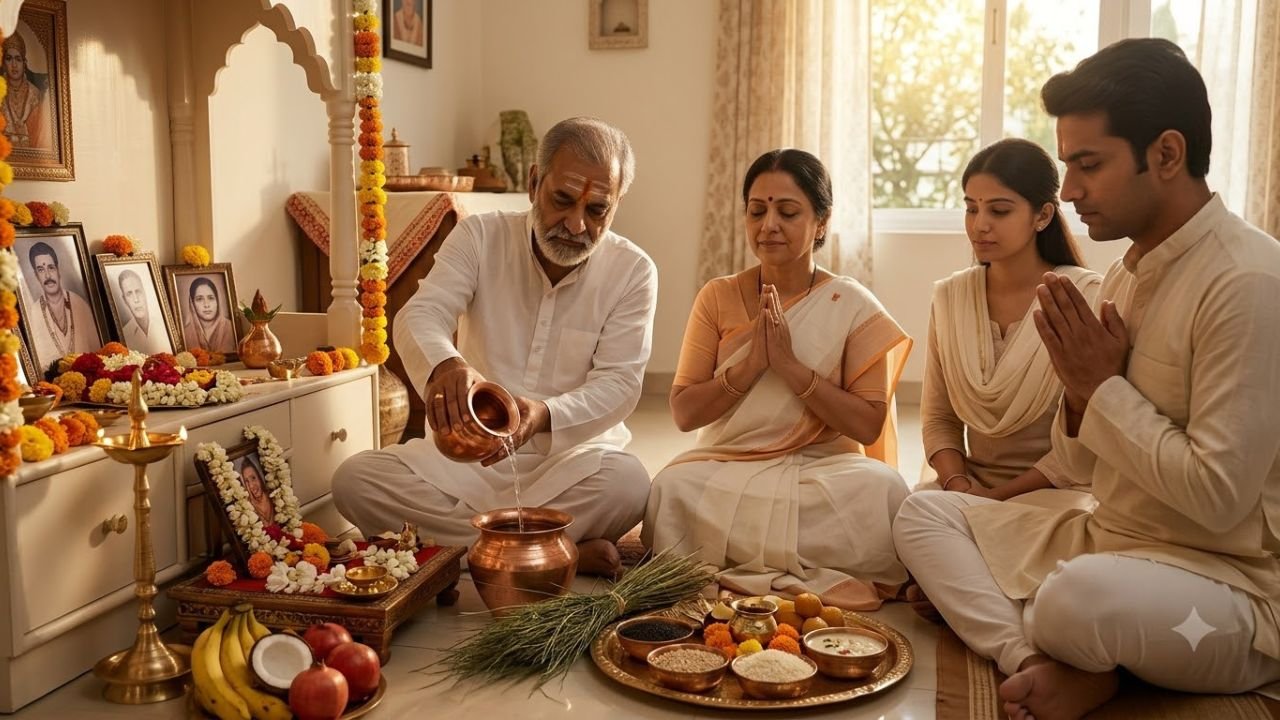
Pitru Paksha Puja is an important period of remembrance and respect for ancestors in Hindu tradition. During these days, families remember their departed parents, grandparents, and other ancestors through prayers, Shraddha, Tarpan, food offerings, charity, and other traditional observances.
The word Pitru refers to ancestors, while Paksha means a fortnight or period of fifteen lunar days. Pitru Paksha is traditionally associated with the waning phase of the Hindu lunar month of Bhadrapada/Ashwin, although the exact dates vary according to the regional Hindu calendar.
For many families, Pitru Paksha is not only a religious observance but also a time to remember family history, express gratitude, and perform acts of charity in memory of loved ones. Pitru Paksha Puja
This article explains Pitru Paksha Puja, its meaning, importance, common rituals, samagri, Tarpan, Shraddha, traditional rules, and practical points for beginners.
What Is Pitru Paksha?
Pitru Paksha is a traditional Hindu period dedicated to remembering and honouring deceased ancestors.
During this period, families may perform Shraddha, Tarpan, Pind-related offerings, prayers, and charity according to their family customs.
Different Hindu communities follow different procedures. The date, mantra, food offerings, and ritual method may vary according to region, family tradition, and the priest conducting the ceremony. Pitru Paksha Puja
The central idea is simple: remembering the people who came before us and expressing gratitude for their role in our family history. Pitru Paksha Puja
Why Is Pitru Paksha Important?
Pitru Paksha has deep religious and cultural significance for many Hindu families.
1. Remembering Ancestors
The period gives families a dedicated opportunity to remember departed relatives.
People may recall their parents, grandparents, great-grandparents, and other family members who have passed away.
2. Expressing Gratitude
Ancestor remembrance can encourage people to recognise the contributions and sacrifices of previous generations.
It can also help younger family members learn about their family’s history.
3. Performing Traditional Rituals
Families may use this period to perform Shraddha, Tarpan, Pind-related offerings, and prayers according to their customs.
4. Charity and Service
Many families associate Pitru Paksha with acts of charity, feeding people, offering food, or helping those in need.
These actions can turn remembrance into positive service.
When Does Pitru Paksha Begin and End?
Pitru Paksha follows the Hindu lunar calendar, so its dates change every year.
The period is traditionally observed during the Krishna Paksha, or waning phase, leading up to the new moon known as Sarva Pitru Amavasya or Mahalaya Amavasya in many traditions.
The exact dates can differ depending on the regional calendar and location.
Therefore, before planning a ceremony, it is best to check the local Panchang or consult a knowledgeable priest.
What Is Sarva Pitru Amavasya?
Sarva Pitru Amavasya is traditionally considered the concluding and especially significant day of Pitru Paksha.
It is often used by families who do not know the exact death anniversary or who wish to perform a general ancestor remembrance ritual. Pitru Paksha Puja
The exact practices vary according to regional and family traditions.
Some people perform Tarpan, Shraddha, food offerings, or charity on this day.
Pitru Paksha Puja Samagri
The required items depend on the particular ritual. Common materials may include:
- Black sesame seeds
- Rice
- Barley
- Kusha or darbha grass
- Clean water
- Copper or brass vessel
- Flowers
- Fruits
- Milk
- Ghee
- Honey
- Tulsi leaves where appropriate
- Sandalwood
- Incense
- Diya
- Cotton wicks
- Clean cloth
- Traditional food offerings
- Materials required for Pind offerings, if applicable
Not every ceremony requires all these items.
It is advisable to ask the priest conducting the Puja for the exact Pitru Paksha Puja Samagri before the ceremony.
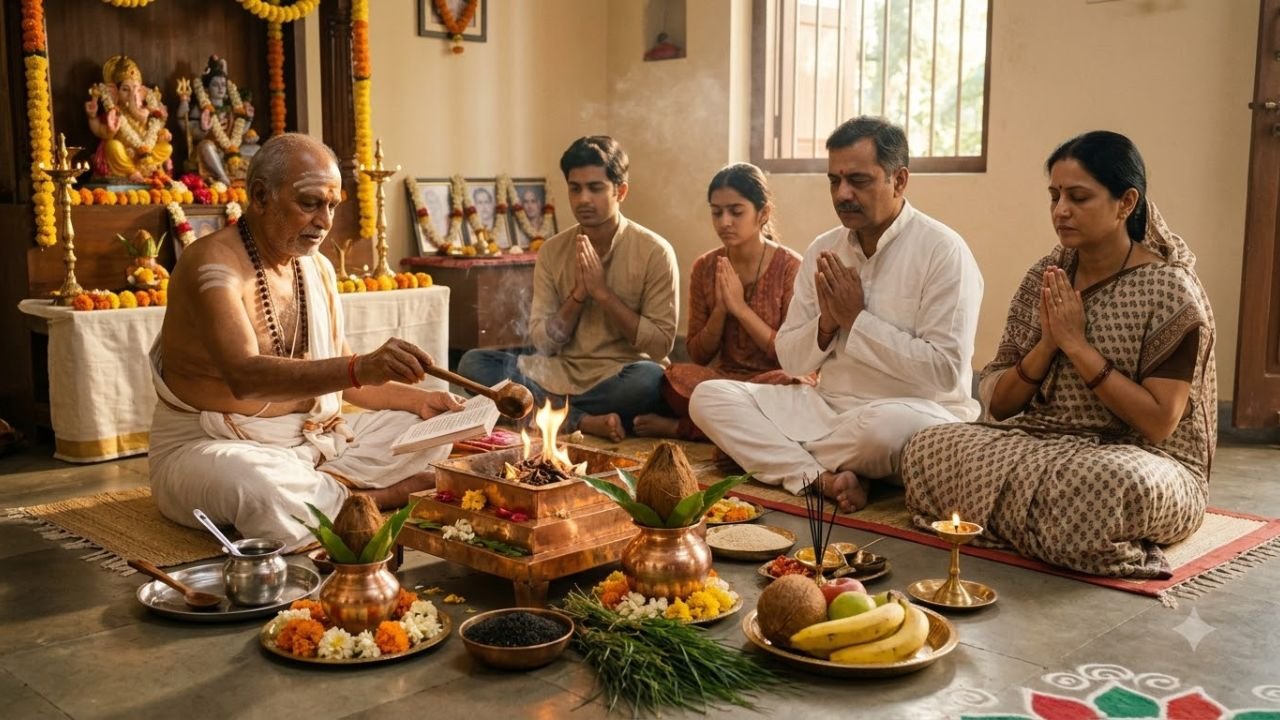
Pitru Paksha Puja Vidhi
There are different forms of Pitru Paksha rituals. The following is a general overview rather than a universal procedure.
Step 1: Clean the Puja Area
Clean the place where the ritual will take place. Arrange the required materials neatly.
The atmosphere should be peaceful and respectful.
Step 2: Personal Preparation
Traditionally, participants bathe and wear clean clothes before beginning the ceremony.
This is understood as a way of preparing oneself physically and mentally for the ritual.
Step 3: Sankalp
The priest may guide the family through a Sankalp, stating the intention of the ceremony.
The Sankalp can identify the person or ancestors being remembered and the purpose of the ritual.
Step 4: Deity Prayers
Depending on the tradition, prayers may be offered to Lord Ganesha and other deities before the ancestor-related rituals begin.
Step 5: Tarpan
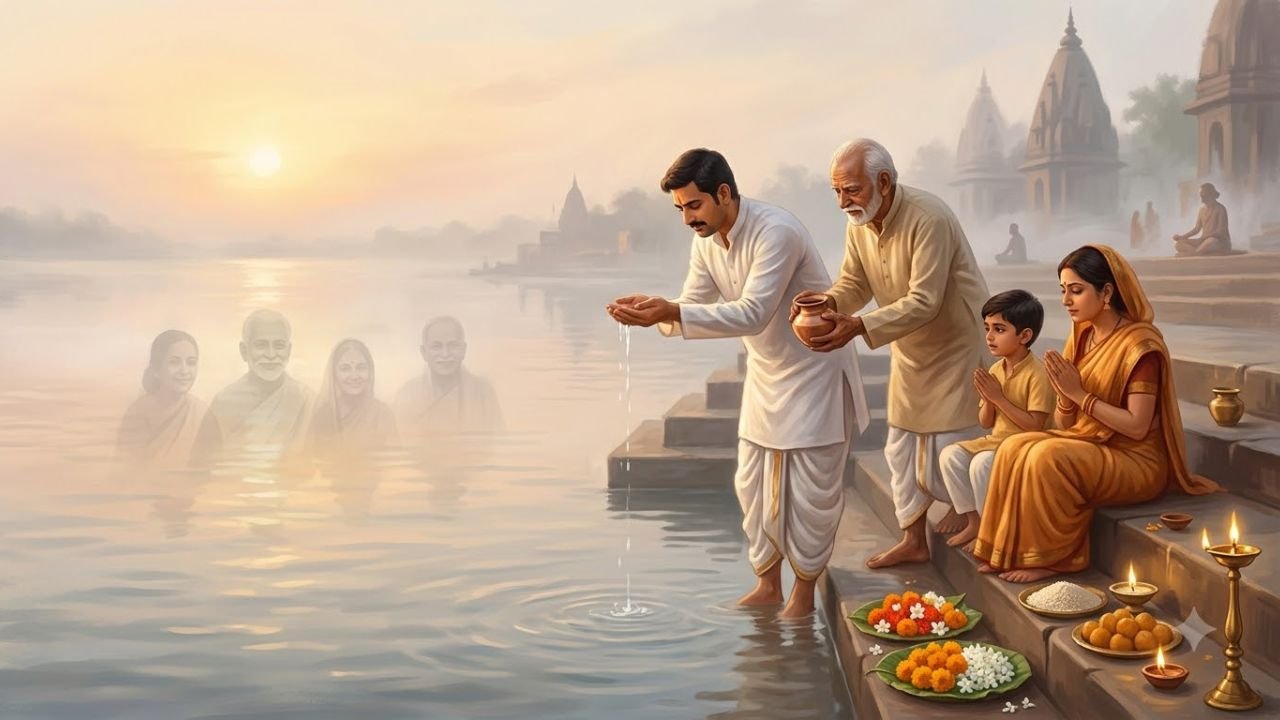
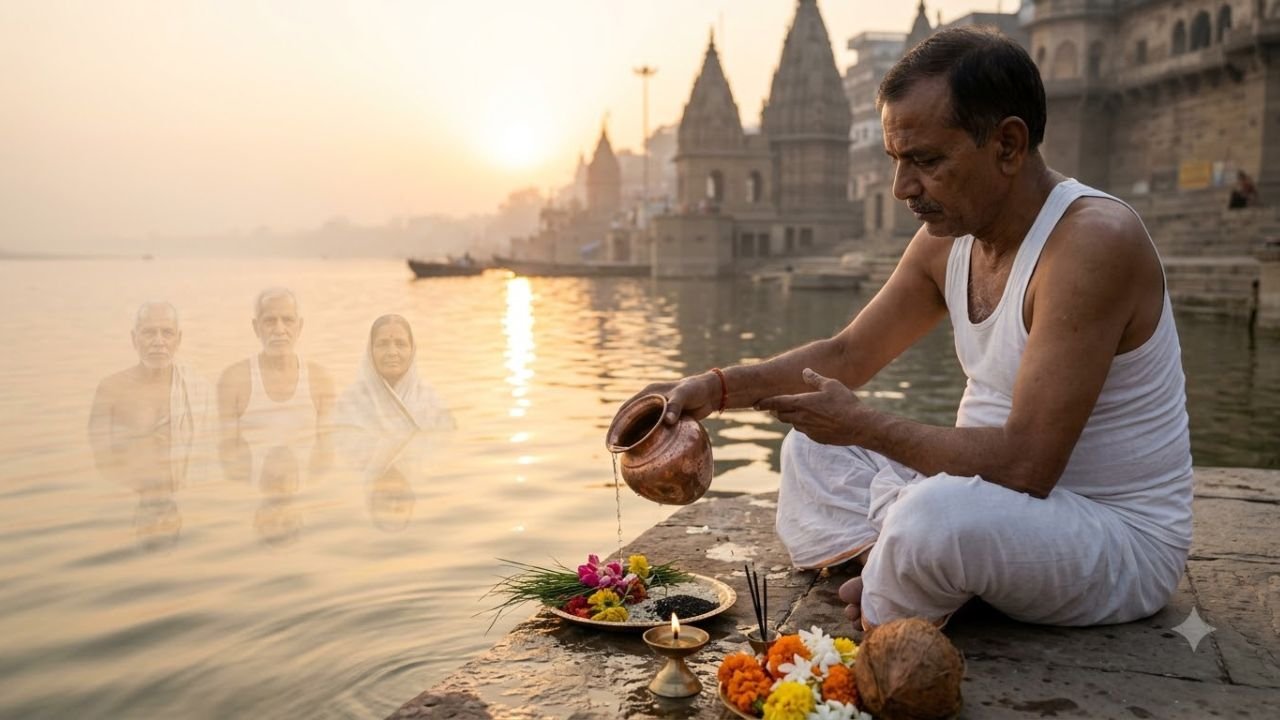
Tarpan is a traditional offering involving water and other prescribed materials.
The family follows the priest’s instructions regarding the appropriate mantras, sequence, and method.
Because Tarpan procedures vary, it is better to learn the method from a knowledgeable priest rather than copying an unverified online procedure. Pitru Paksha Puja
Step 6: Pind Offering
Some Shraddha traditions include Pind offerings prepared using rice and other prescribed ingredients.
The exact procedure varies by ritual and region.
Pind-related ceremonies are particularly associated with places such as Gaya, although ancestor rituals are performed in many locations.
Step 7: Food Offering
Food may be prepared and offered according to family tradition.
Some families also associate Pitru Paksha with feeding Brahmins, guests, animals, birds, or people in need.
Step 8: Charity
Giving food, clothing, or useful items to people in need is a common form of religious charity.
Charity should be performed sincerely and according to one’s ability rather than through financial pressure.
Step 9: Final Prayer
The ritual concludes with prayers for peace and respectful remembrance.
Family members may take a moment to remember the departed person and reflect on their life and values.
What Is Tarpan in Pitru Paksha?
Tarpan is one of the most well-known ancestor-related practices in Hindu tradition.
It generally involves offering water and prescribed materials as an expression of respect and remembrance.
The exact method differs between Vedic traditions, regions, and families.
For this reason, people performing Tarpan for the first time should consult a knowledgeable priest regarding the correct procedure.
What Is Shraddha?
Shraddha is a traditional Hindu practice of honouring deceased ancestors.
It may include prayers, offerings, food, Tarpan, Pind-related rituals, and charity depending on the tradition.
The word is associated with faith, sincerity, and respectful observance.
Pitru Paksha provides a traditional period during which many families perform Shraddha for their ancestors.
What Is Pind Daan?
Pind Daan is an ancestral offering found in several Hindu traditions.
Pind offerings are commonly prepared from rice and other prescribed ingredients and are offered according to specific ritual procedures. Pitru Paksha Puja
Gaya in Bihar is particularly well known for Pind Daan, but related ancestor rituals are also performed at other sacred locations.
Anyone planning Pind Daan should consult a qualified priest about the appropriate procedure rather than relying only on general internet instructions.
Pitru Paksha Food Traditions
Food has an important place in many ancestor-related observances.
Families may prepare simple vegetarian food according to their customs. Common offerings can include:
- Rice
- Dal
- Vegetables
- Fruits
- Kheer
- Chapati
- Seasonal foods
Food practices differ significantly between communities.
The focus should be on respectful remembrance rather than following a random list of foods found online.
Pitru Paksha Rules
Different families follow different rules, but some commonly observed principles include:
Maintain Cleanliness
Keep the ritual area and cooking area clean.
Follow Your Family Tradition
Do not assume that every rule applies equally to every Hindu family.
Avoid Excessive Celebration
Pitru Paksha is generally treated as a period of remembrance and solemnity rather than a festival focused on entertainment.
Practise Charity
If possible, offer food, clothing, or other useful assistance to someone in need.
Respect the Ritual
Perform the ceremony with sincerity rather than treating it as a transaction for a guaranteed result.
Avoid Fear-Based Claims
Do not assume that every family difficulty is caused by an unhappy ancestor or supernatural force.
Can Pitru Paksha Puja Be Done at Home?
Yes, simple remembrance prayers and family observances can be performed at home according to one’s tradition.
However, more detailed Shraddha, Tarpan, or Pind-related ceremonies may involve specific mantras and procedures.
If you are unsure, consult a knowledgeable priest who understands your family tradition.
There is no need to perform an expensive ritual simply because someone claims that a particular problem will otherwise occur.
Pitru Paksha and Pitru Dosha
Pitru Dosha is a concept found in certain Hindu astrological traditions.
Some astrologers associate specific planetary combinations with ancestral themes and may recommend Pitru-related rituals as a traditional remedy. Pitru Paksha Puja
This is a religious and astrological belief, not a scientifically established explanation for health problems, financial difficulties, marriage issues, or other life events.
If someone chooses to perform Pitru Shanti or other rituals because of an astrological interpretation, it is wise to understand the tradition and avoid fear-based or financially exploitative claims.
Traditional Spiritual Benefits of Pitru Paksha Puja
People may experience several cultural and spiritual benefits from participating in Pitru Paksha observances.
Emotional Remembrance
Remembering a deceased loved one can help families maintain a connection with their memories.
Family Unity
Family members may come together to perform rituals and share stories about previous generations.
Gratitude
The practice encourages appreciation for parents, grandparents, and ancestors.
Charity
Acts of giving can transform remembrance into service to others.
Cultural Continuity
Young family members can learn about traditional rituals and family history.
These are spiritual, cultural, and personal benefits. They should not be presented as guaranteed supernatural effects.
Common Mistakes During Pitru Paksha
Avoid the following mistakes:
- Following random rituals without understanding them.
- Spending beyond your financial capacity.
- Believing every problem is caused by Pitru Dosha.
- Allowing someone to frighten you into buying expensive rituals.
- Ignoring health or financial problems while relying only on religious practices.
- Assuming one regional custom applies to every Hindu family.
- Treating ancestor worship as a way to guarantee wealth or success.
A respectful ritual should provide meaning and connection rather than fear.
Frequently Asked Questions
Can Pitru Paksha Puja Be Performed Every Year?
Yes. Many Hindu families traditionally perform ancestor-related observances every year according to their family customs.
Which Day Is Best for Pitru Puja?
The appropriate day depends on the ancestor’s traditional death-date observance and the family tradition. Sarva Pitru Amavasya is commonly considered significant for general ancestor remembrance. Pitru Paksha Puja
Can Pitru Puja Be Done Without a Priest?
Simple prayers and remembrance can be performed personally. More detailed rituals may benefit from the guidance of a knowledgeable priest.
What Should We Donate During Pitru Paksha?
Families may donate food, clothing, essential goods, or other useful items according to their ability and tradition. Sincere charity is more important than expensive gifts.
Is Pitru Paksha Only About Fear of Ancestors?
No. At its heart, Pitru Paksha is a period of remembrance, gratitude, family heritage, prayer, and traditional observance. It should not be approached only through fear. Pitru Paksha Puja
Conclusion
Pitru Paksha Puja is a traditional Hindu practice centred on remembering and honouring ancestors. Through Shraddha, Tarpan, Pind-related offerings, prayers, food, and charity, families express gratitude and preserve a connection with previous generations.
The exact Pitru Paksha Puja Vidhi varies by region, family tradition, and the type of ceremony being performed. Therefore, anyone planning a detailed ritual should consult a knowledgeable priest and confirm the appropriate date and procedure.
Most importantly, Pitru Paksha can be understood as a time to remember where we came from, appreciate our family heritage, help others, and carry positive values into the future. Pitru Paksha Puja
For more information about Hindu spirituality, traditional rituals, and related spiritual subjects, you can visit Aghori Rudra Maharaj.
Website: https://www.aghorirudramaharaj.info/
Call / WhatsApp: +91-7357771057
Email: info@aghorirudramaharaj.info

Leave a Reply